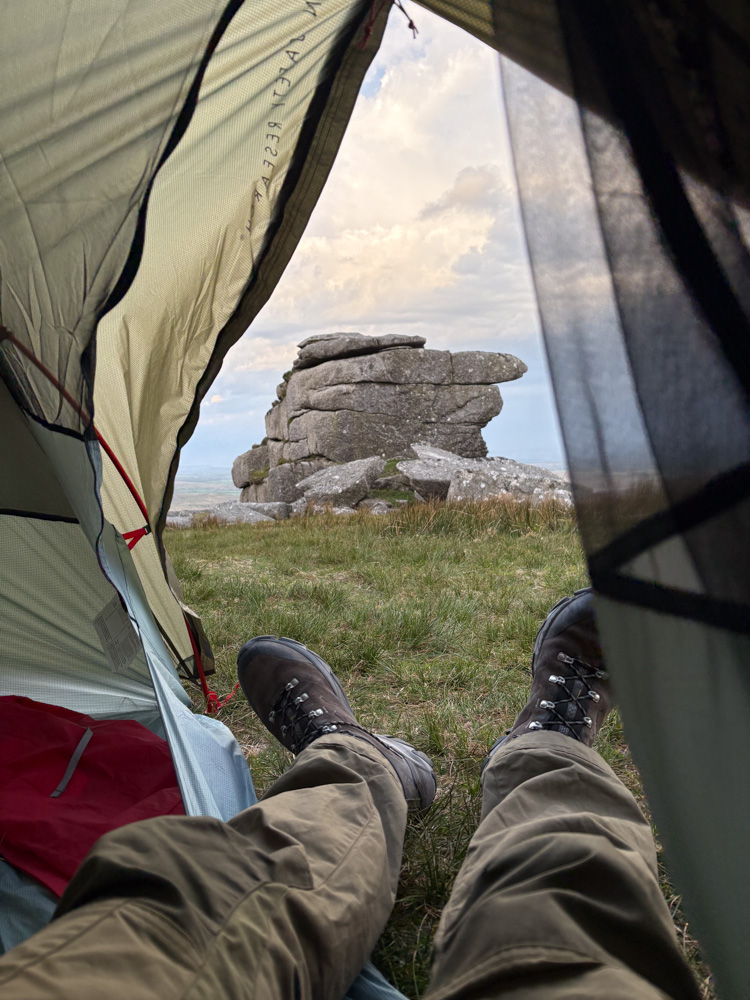
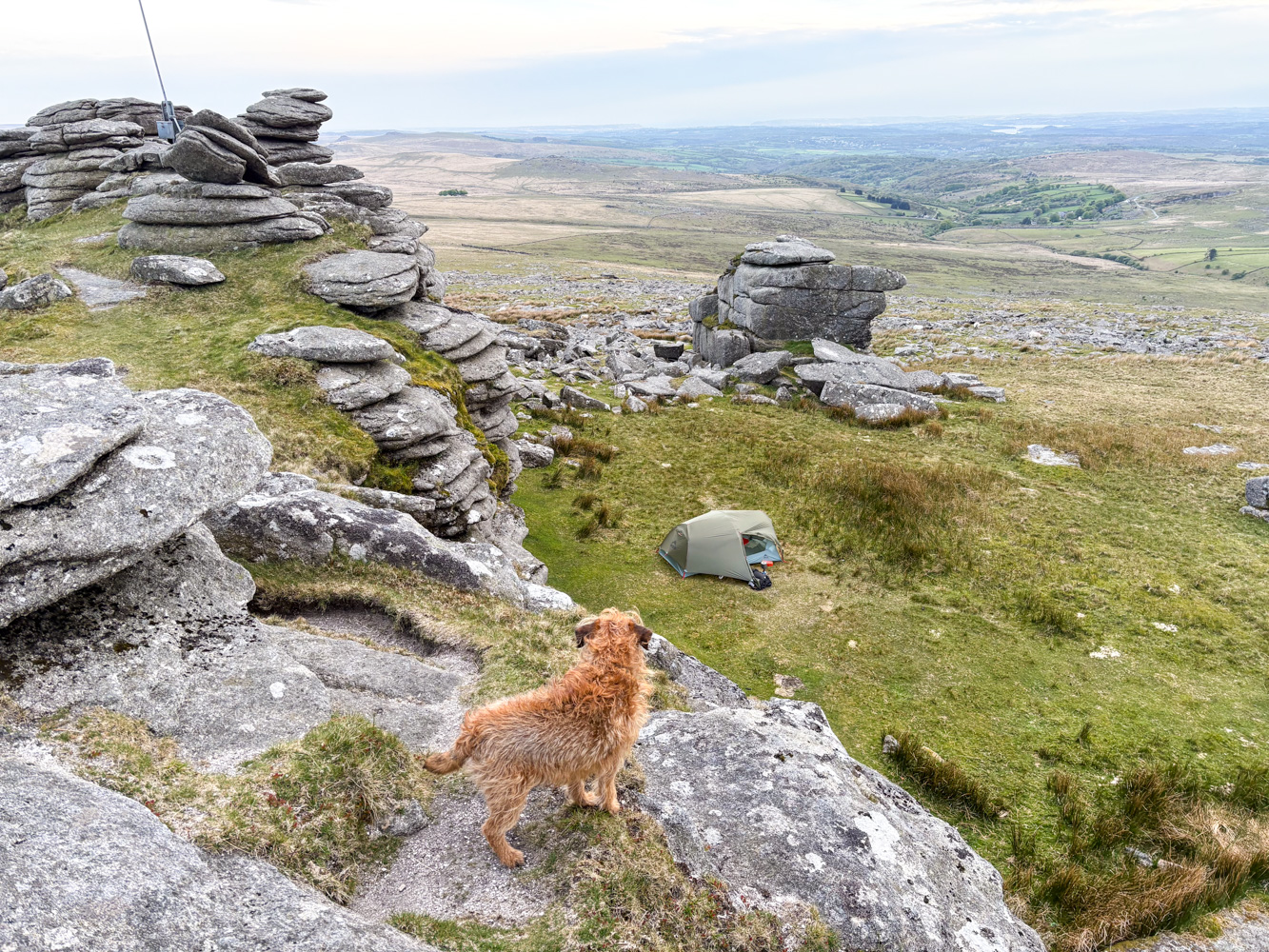
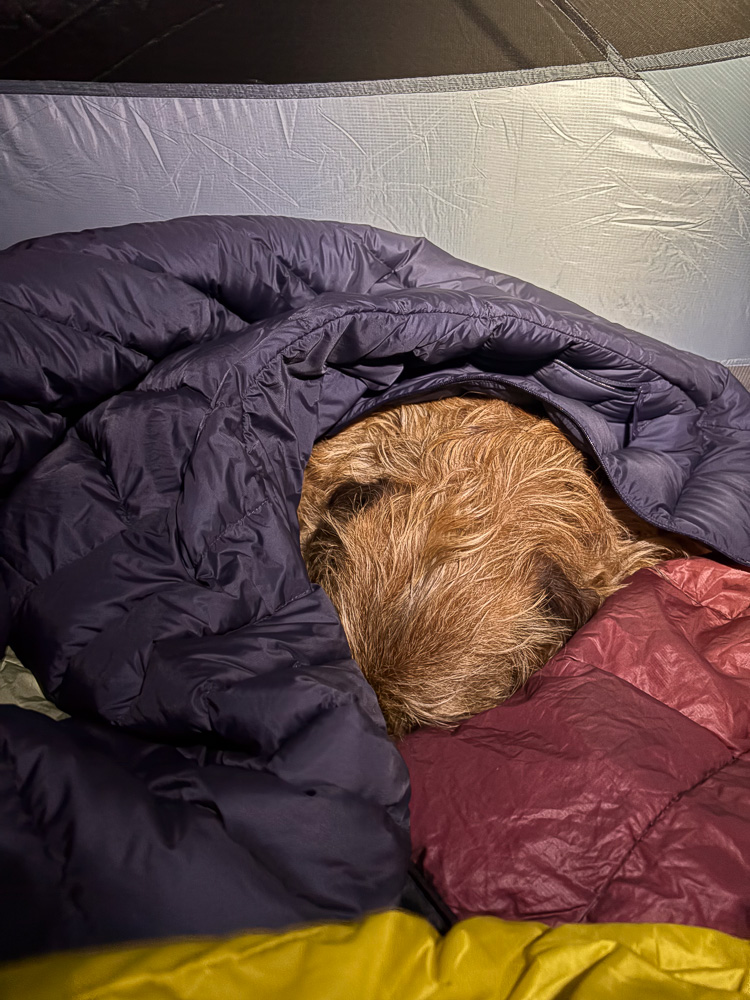
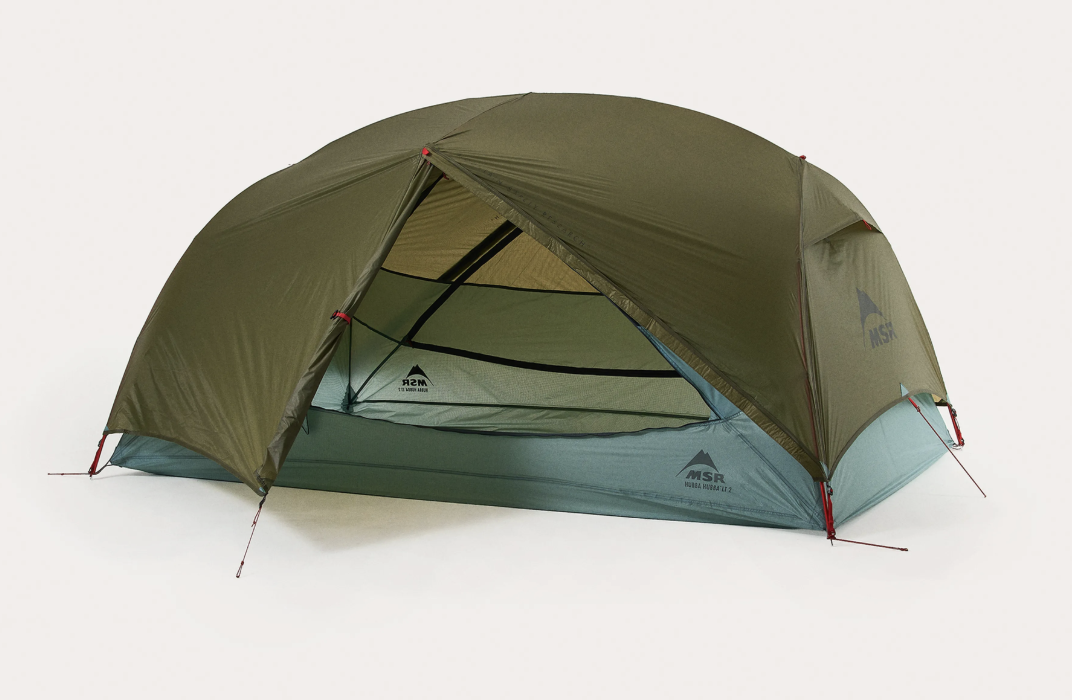
I’m the only person here and probably the only person around for miles, I think to myself as I sit in my tent with the door rolled back so I can take in the view. Overhead, a skylark provides that familiar soundtrack to a day in the hills while steam gently rises from my camping stove. Tired from our day’s walking, my dog Griff is curled up alongside me enjoying the downy comfort of my sleeping bag. I take a sip from my cup, warming my insides with the little drop of single malt I’ve brought with me.
Related: Best Two Person Tents
As often tends to be the case in these situations, especially when I’ve made a conscious effort to not look at my phone for the past few hours, I’m in a contemplative mood, thinking about how, in this day and age, we can’t take things like this for granted. Especially when, as recent events have proven, it can be snatched away so quickly.
A Right to Roam
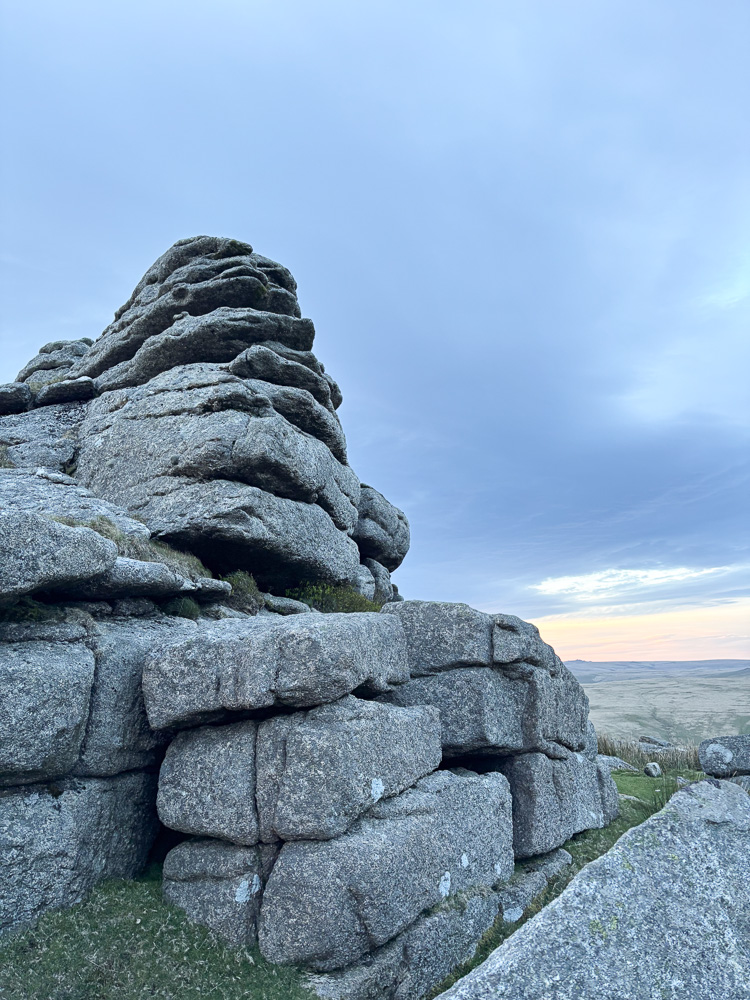
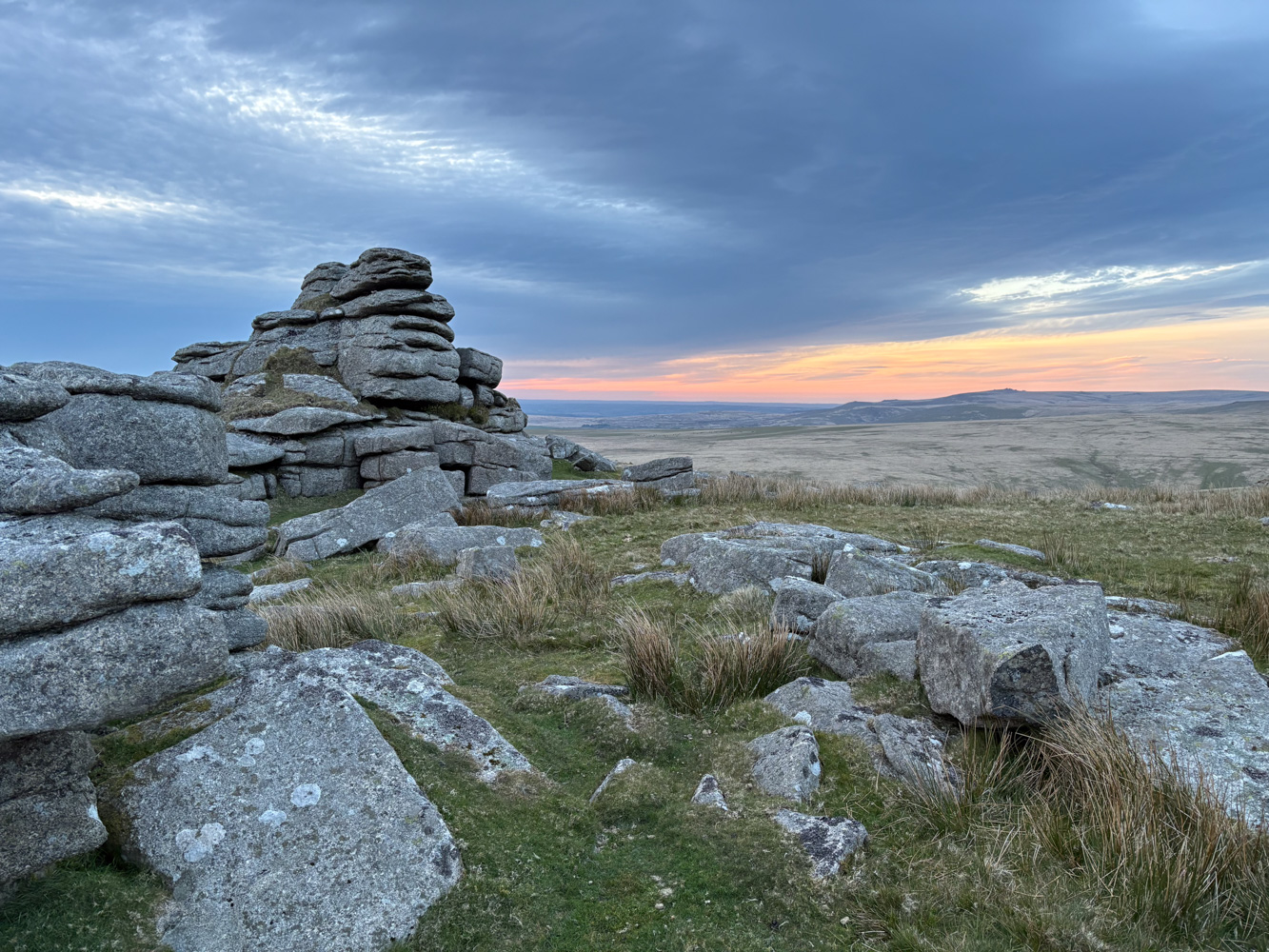
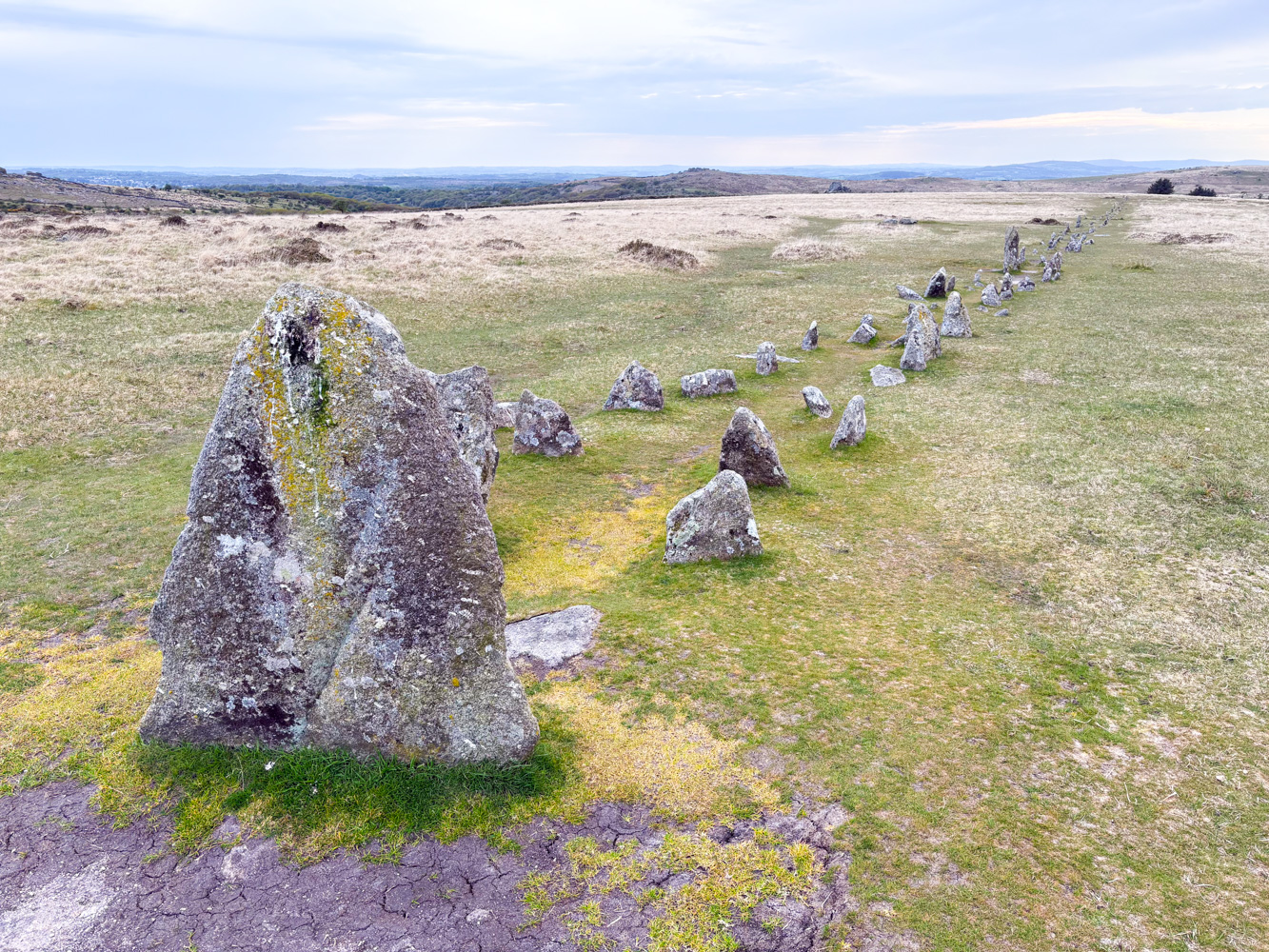
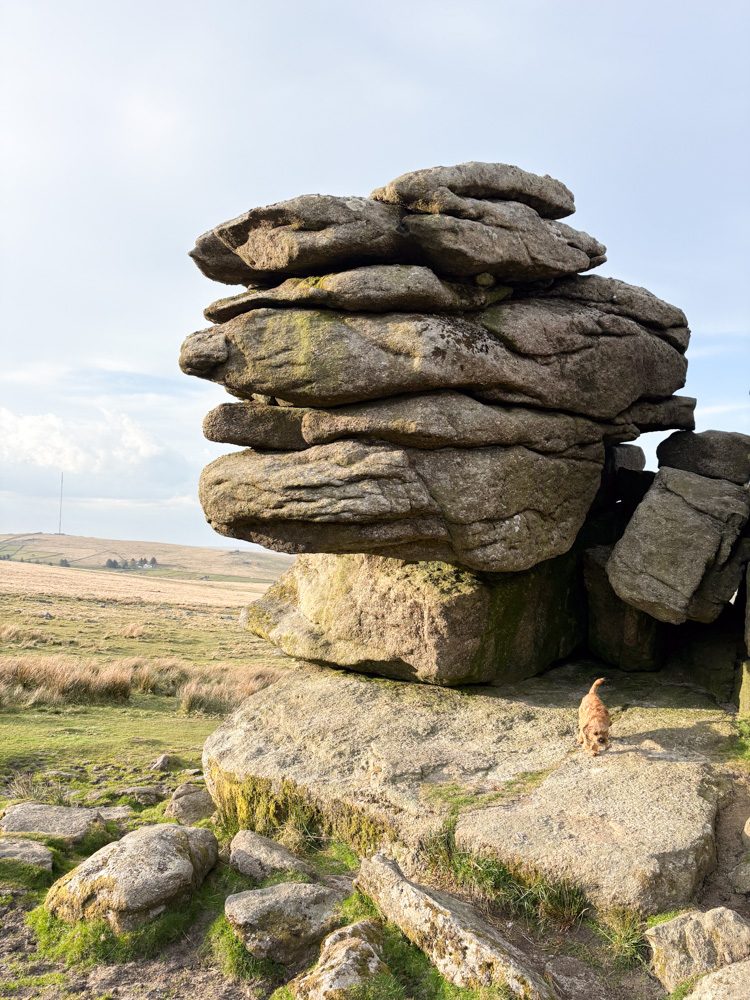
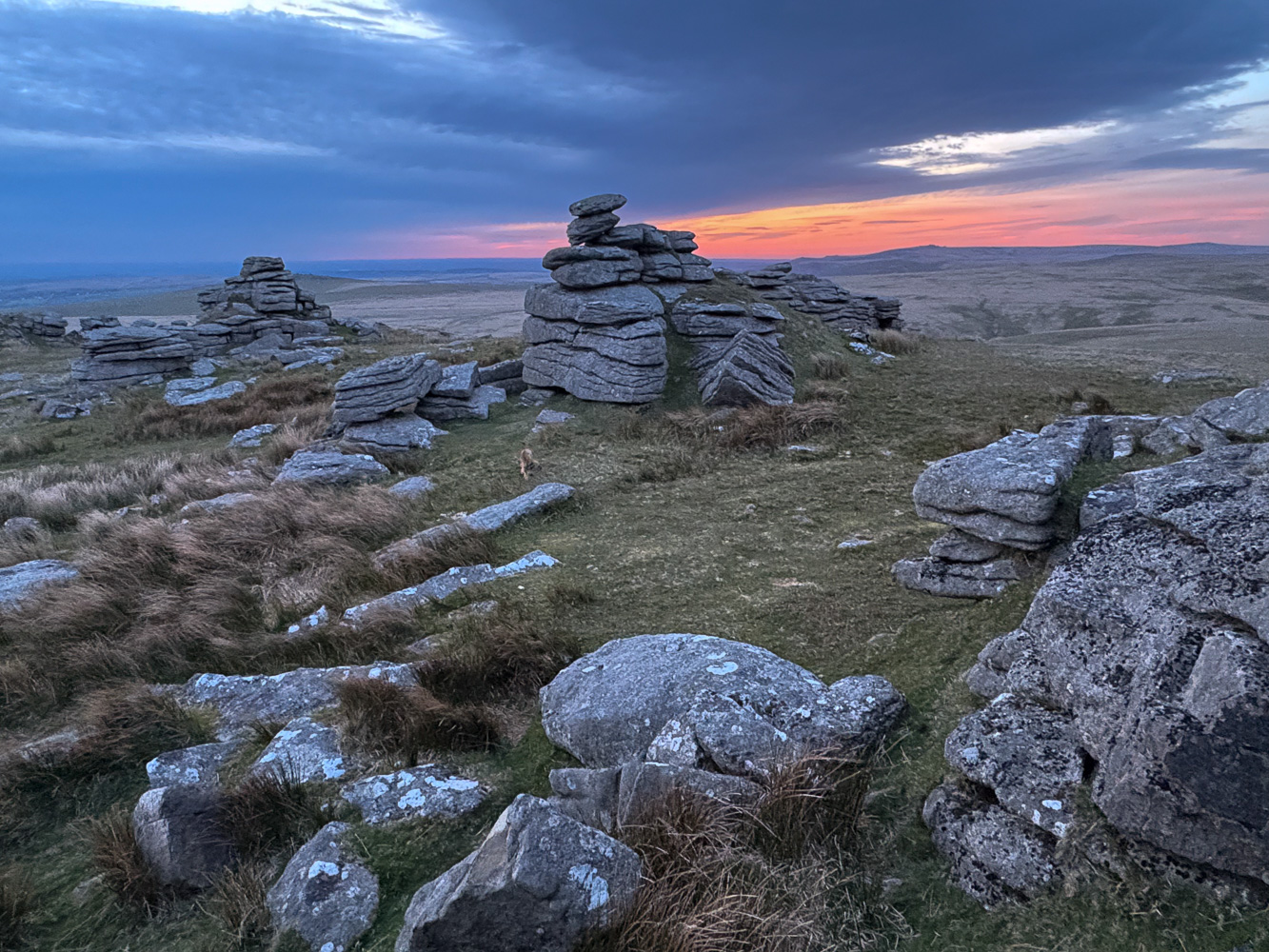
My location: Great Mis Tor, Dartmoor National Park. I’m set up just below the gigantic lump of granite on its summit, the frozen-in-time layers of molten magma serving as an effective barrier for me against the gusting winds. Similar outcrops are silhouetted on the horizon in every direction I look and I might just be able to see two coastlines – one to the south and one to the north – though I can’t be certain on account of the haziness on this early spring evening.
I’ve slept out on many hillsides in England and Wales over the years and each time it has always come with just a little ounce of trepidation. Choosing a spot often involves some tricky balances between ensuring I’m on sheltered, flat and well-draining ground and that I’m in a place where I’m unlikely to encounter a potentially aggrieved landowner. In fact, I can think of many nights out where I’ve slept in uncomfortable spots to ensure I can sleep totally unseen. So, it felt strangely novel setting up my tent on this high spot in Dartmoor with no sense of edginess, knowing that I’m perfectly entitled to be here. And that’s all thanks to the right of common access that has existed uniquely in this part of England for hundreds of years, and that was enshrined in law with the Dartmoor Commons Act in 1985.