James Forrest hikes the new Wordsworth Way, a 14-mile route from Glenridding to Ambleside – and pays homage to the beloved Romantic poet
William Wordsworth, the beloved Romantic poet, famously “wandered lonely as a cloud” through the Lake District’s verdant landscapes. I’m not experiencing quite the same sensation. In the midst of a brutal July heatwave, I feel like I’m trudging through treacle instead: sweat pouring from my brow, calves aching, every uphill step requiring just that little bit more effort than it should.
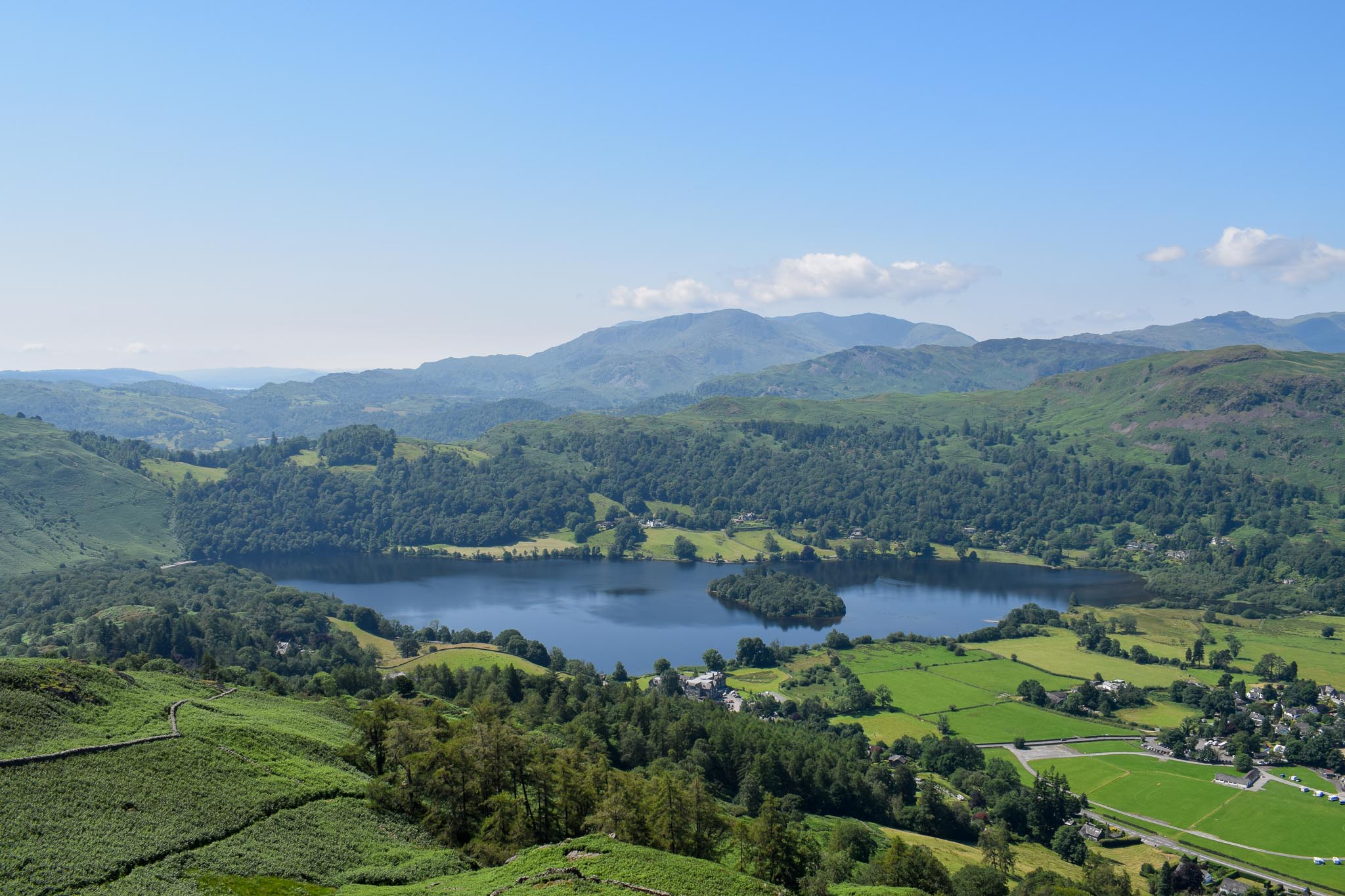
But then I stop. I look out across Ullswater shimmering beneath an impossibly blue sky, take a long drink, and simply breathe. I need to slow down. I need to notice where I am. In the same poem, Wordsworth wrote: “A poet could not but be gay, In such a jocund company”, describing nature’s remarkable ability to restore and uplift the human spirit. That’s the mindset I need to embrace, no matter how over-hot, sweaty and relentlessly bothered by insects I might feel.
That’s exactly what this walk is all about.
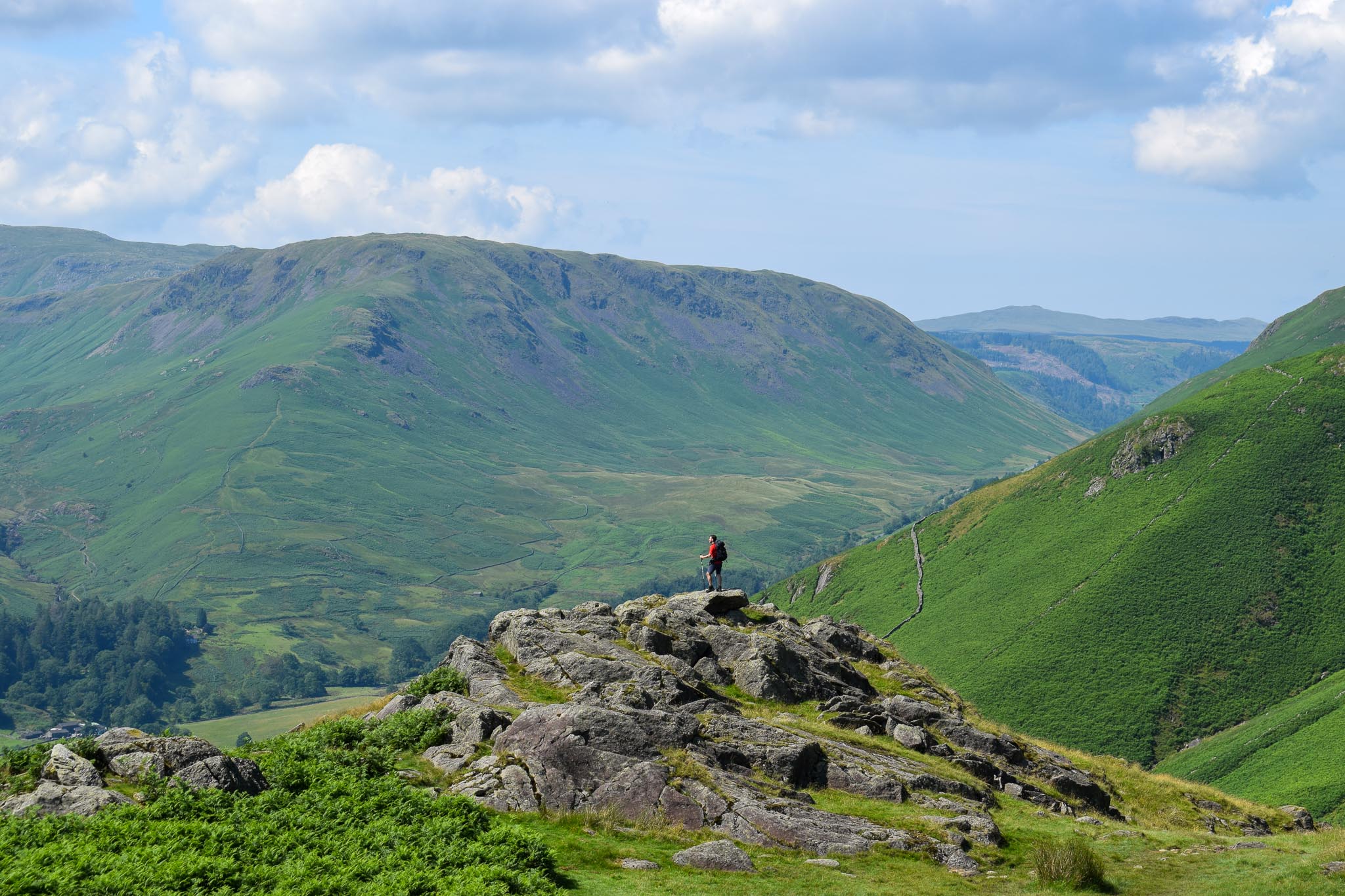
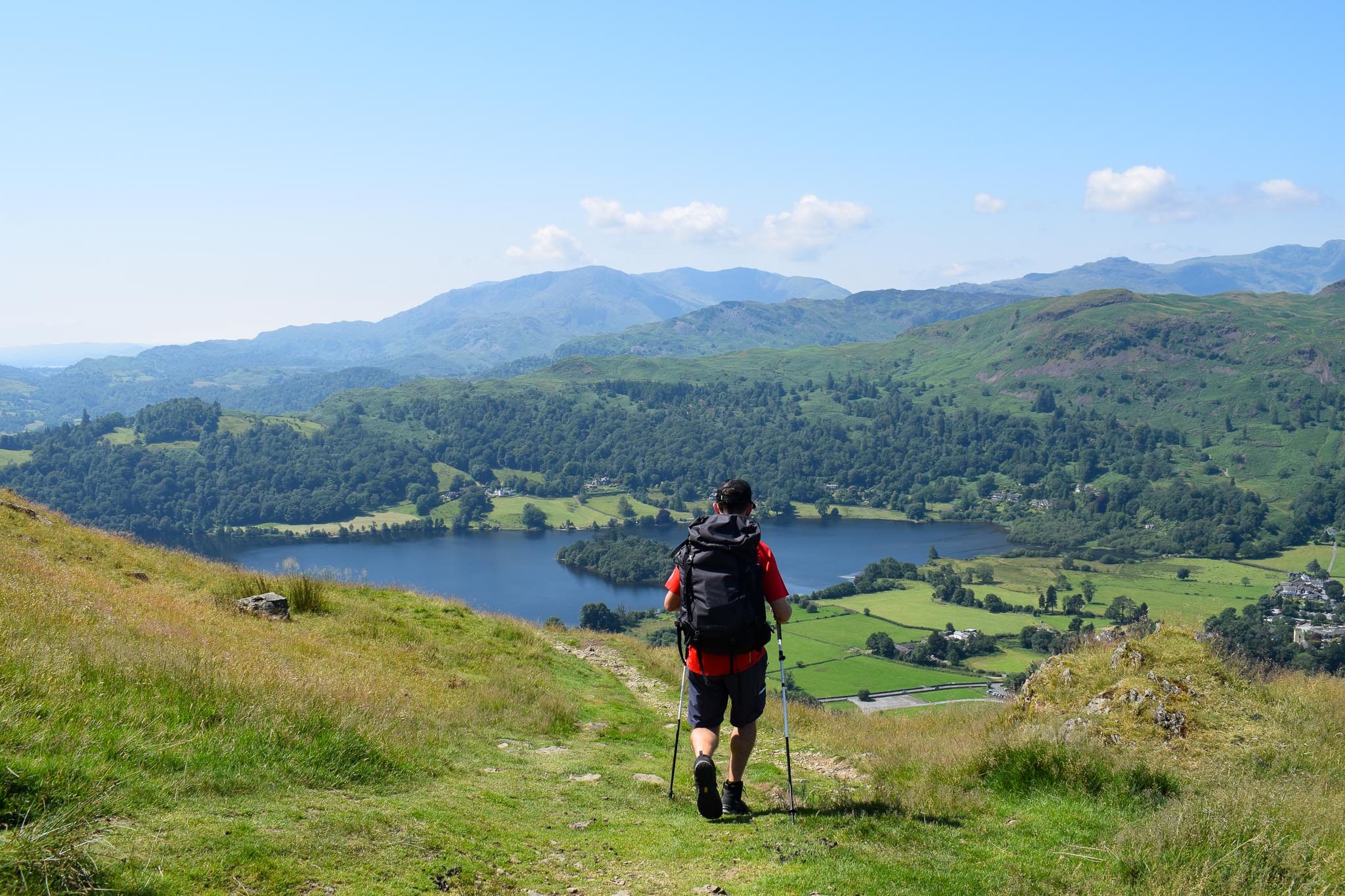
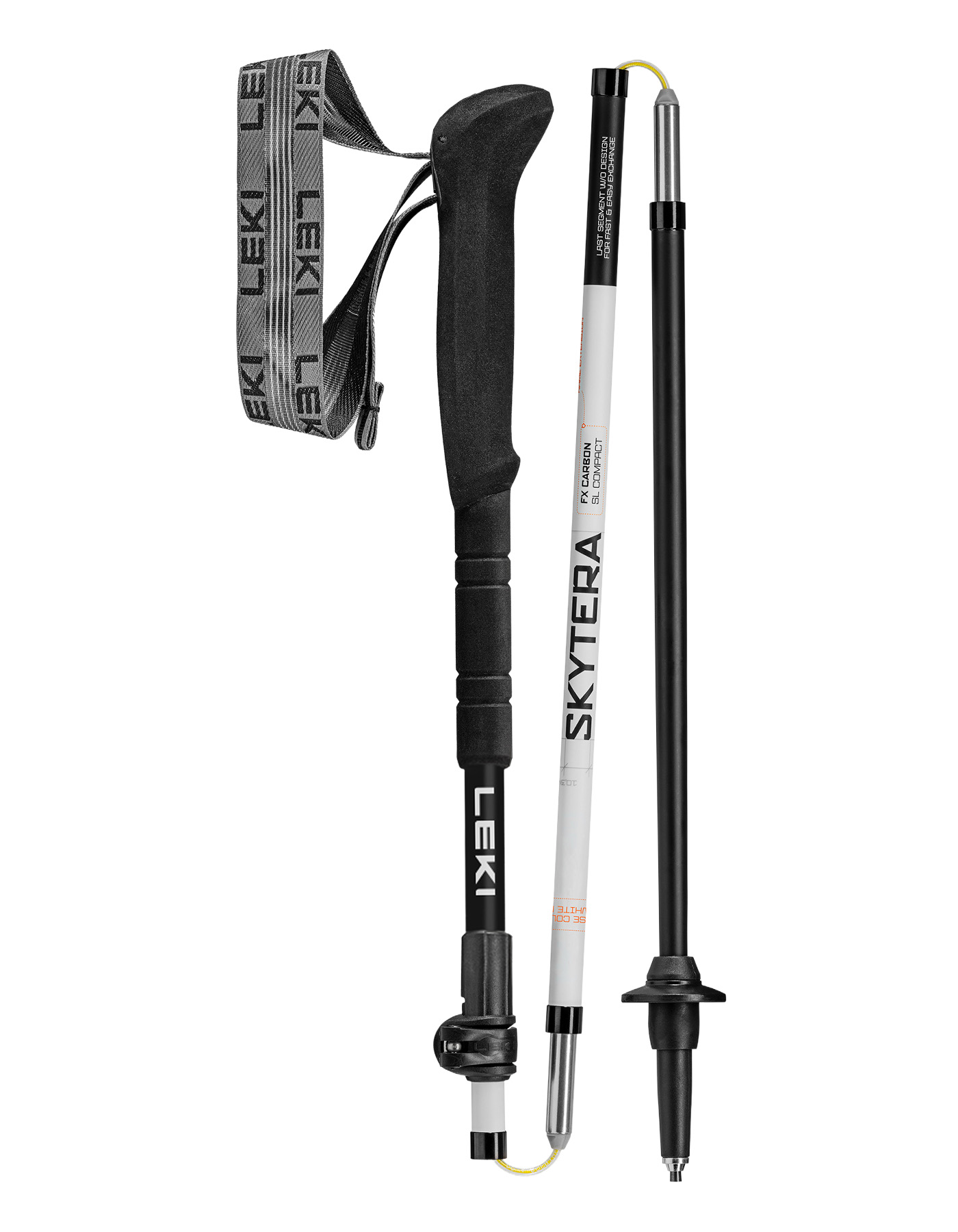
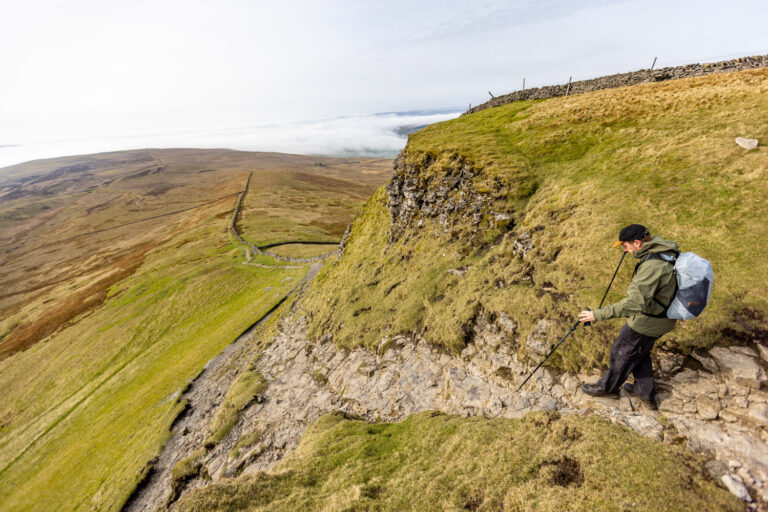
Taking in the views while testing AKU’s Adapta Light GTX boots, Osprey’s LT Kestrel backpack and Leki’s Skytera FX Carbon hiking poles. All photos: James Forrest.
I’m following the Wordsworth Way, a new 14-mile route linking Glenridding with Ambleside via Grisedale Tarn, Grasmere and Rydal. Created by the Friends of the Ullswater Way to celebrate the 255th anniversary of Wordsworth’s birth, it isn’t simply another Lake District walk. It’s a literary pilgrimage, connecting the landscapes that inspired England’s most celebrated poet with the homes, viewpoints and footpaths that shaped both his life and his writing.
Living in Cockermouth, Wordsworth’s birthplace, gives the journey an added layer of meaning for me. His story has always felt close to home. Born there in 1770, Wordsworth became one of the defining figures of the Romantic movement, transforming poetry by celebrating ordinary people, raw emotion and the restorative power of the outdoors. Together with contemporaries including Samuel Taylor Coleridge, he redefined English literature, while his passionate advocacy for the Lake District’s landscapes contributed towards the conservation ethic that still shapes the national park today.
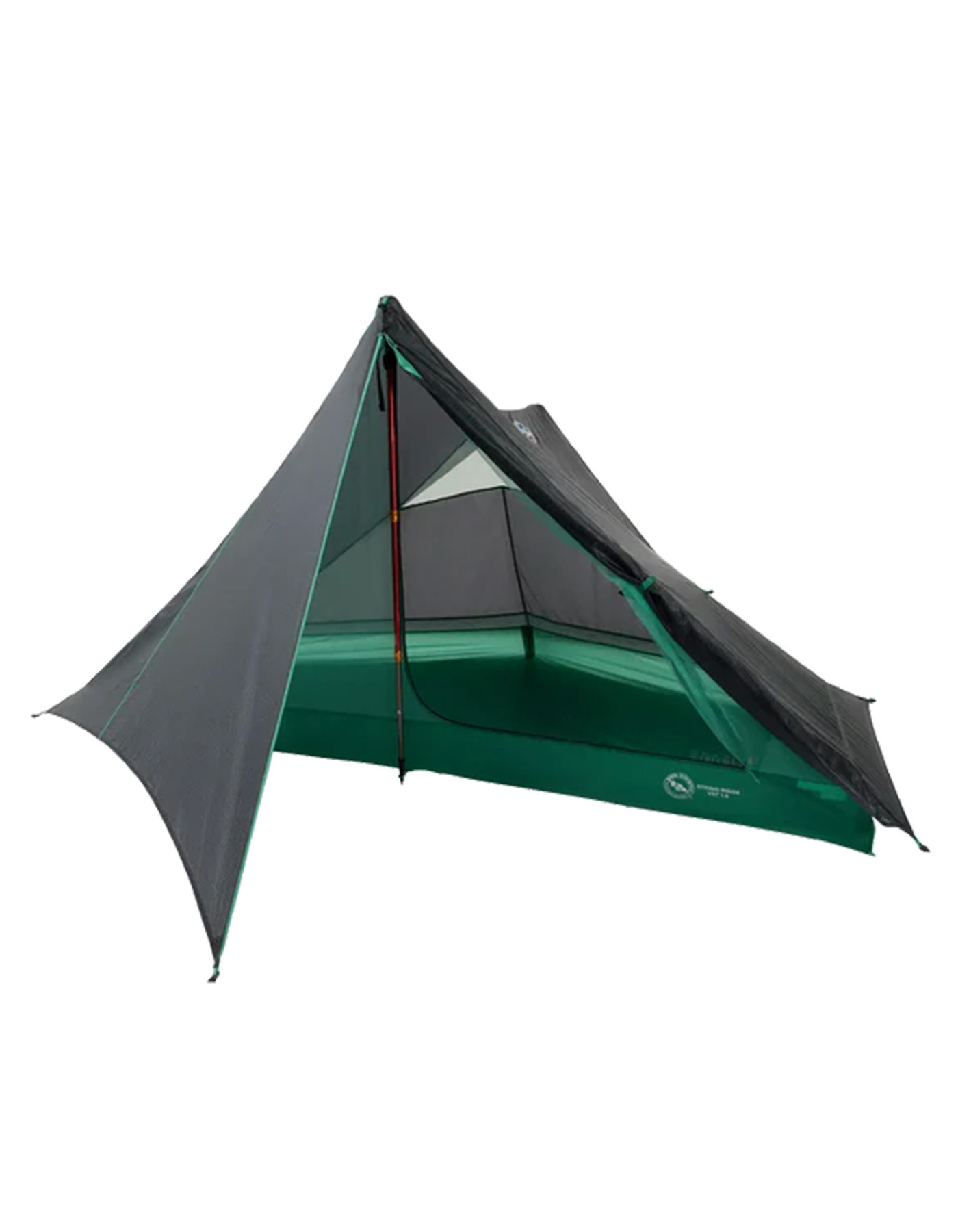
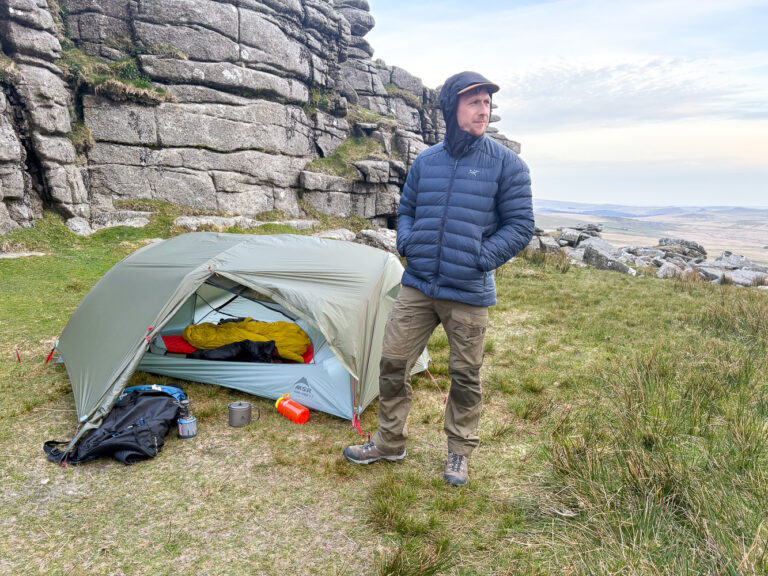
Rather than rushing through the route in a single day, I decide to savour it over two. It feels fitting. Wordsworth wasn’t interested in collecting miles or summits. His writings encourage lingering, observing and allowing landscapes to reveal themselves gradually. So instead of racing between trail markers, I carry a lightweight tent and spend the night beside Grisedale Tarn, pitching discreetly and leaving no trace. As the last walkers drift back towards the valleys, the silence gradually returns. The chatter disappears. The breeze softens. Reflected in the still waters of the tarn, the surrounding fells glow amber beneath the setting sun. It is difficult to imagine a better place to pause.
“Living in Cockermouth, Wordsworth’s birthplace, gives the journey an added layer of meaning for me. His story has always felt close to home.”
Grisedale Tarn holds particular significance in Wordsworth’s life. It was here that he shared an emotional farewell with his younger brother John, a sea captain for the East India Company, before he departed on what would prove to be his final voyage at sea. John drowned when his ship was wrecked off the Dorset coast in 1805. Years later, Wordsworth immortalised that poignant moment in Elegiac Verses in Memory of My Brother, John Wordsworth, giving this lonely mountain lake an emotional resonance that extends far beyond its dramatic setting.
The following morning, the route descends into Grasmere, perhaps the village most closely associated with Wordsworth. Here stands Dove Cottage, the modest whitewashed home where he lived between 1799 and 1808 with his wife Mary and sister Dorothy, writing some of his finest poetry while surrounded by the landscapes that inspired him daily. Later, the growing family moved uphill to Allan Bank before eventually settling at nearby Rydal Mount, where Wordsworth would remain until his death in 1850.
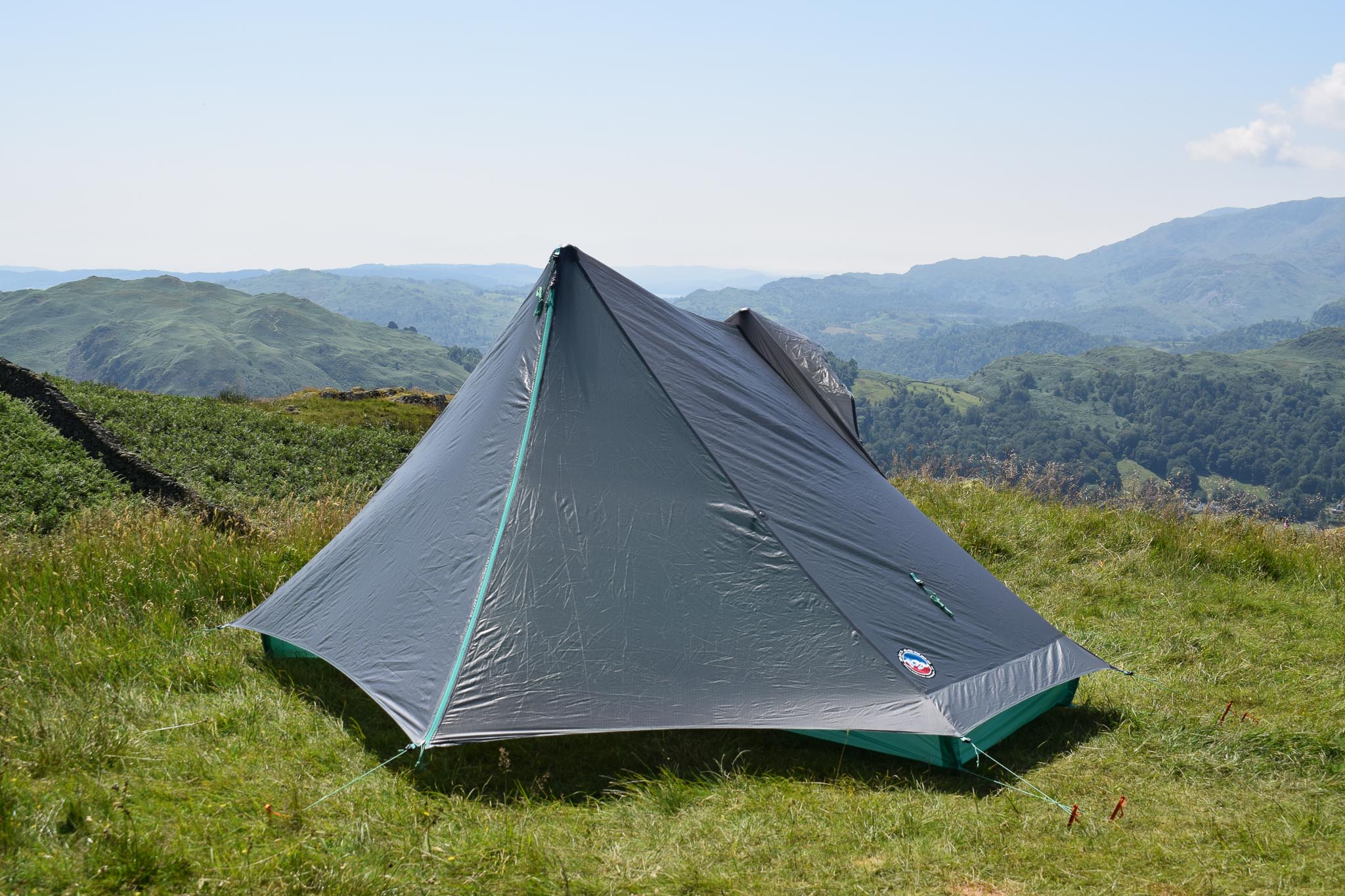
Pitched up with the Big Agnes String Ridge VST 1.5.
His presence lingers everywhere. St Oswald’s Church, where William, Mary and Dorothy are buried beneath simple slate headstones. The old schoolhouse that now houses the famous Grasmere Gingerbread Shop, where Wordsworth occasionally taught. Beyond the village, the route follows the historic Coffin Route towards Rydal, a path regularly walked by William and Dorothy as they travelled between the neighbouring communities.
Walkers can choose their own variations too. From Grasmere towards White Moss, there’s the option of staying low through the village or climbing to the quieter heights of Alcock Tarn. Around Rydal Water, the trail splits between northern and southern shores, while the final approach into Ambleside can either hug the River Rothay or traverse the peaceful woodland paths through Rydal Park. Officially, the Wordsworth Way is divided into four sections, making it easy to tackle as shorter day walks or combine into one rewarding linear adventure.
“Rather than rushing through the route in a single day, I decide to savour it over two. It feels fitting. Wordsworth wasn’t interested in collecting miles or summits. His writings encourage lingering, observing and allowing landscapes to reveal themselves gradually.”
Throughout the journey I’m accompanied by the excellent literary guide produced for the trail, which blends navigation with extracts from Wordsworth’s writing, historical context and explanations of why particular viewpoints mattered so deeply to him. Rather than simply walking through the landscape, it encourages you to read it, seeing familiar fells through a different lens.
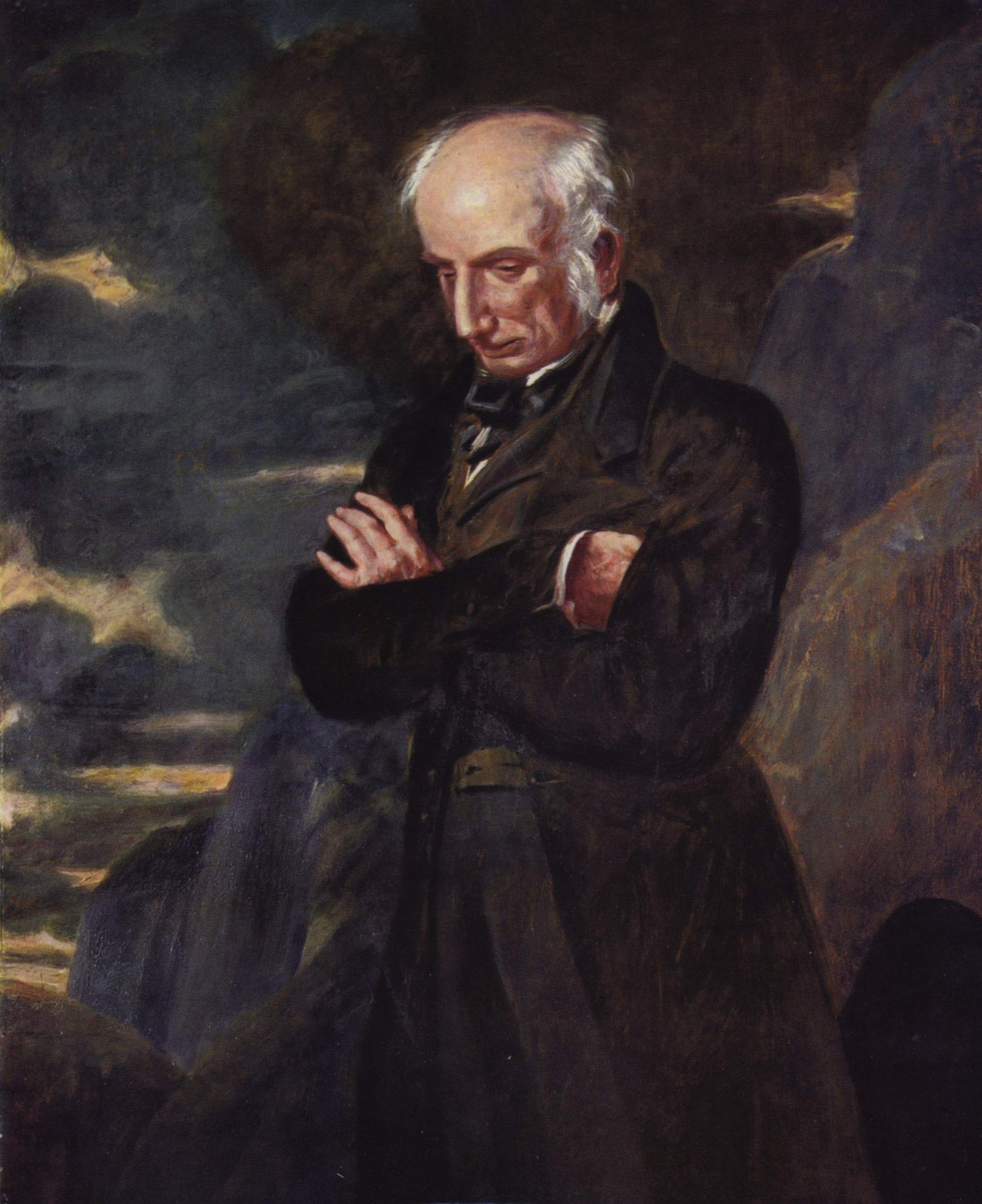
Wordsworth on Helvellyn by Benjamin Robert Haydon.
Yet this isn’t the Lake District Wordsworth knew. The heatwave has drawn seemingly everyone outdoors. Paddleboarders crowd Ullswater’s shores; queues form outside cafés in Grasmere; fell paths buzz with a large group of Australian tourists. I can’t help wondering what Wordsworth would make of it all. Perhaps he would mourn the tranquillity that’s inevitably been lost. Or perhaps he’d simply be delighted that, more than two centuries after his poems first appeared, people are still finding solace, inspiration and joy in these same hills.
By the time I reach Ambleside, tired but content, one thing feels certain. The Wordsworth Way isn’t about chasing fast miles. It’s about rediscovering a slower rhythm of walking. It asks you to pause more often, notice more deeply and appreciate that these landscapes are more than beautiful scenery. They are places where literature, history and nature remain inextricably intertwined.
In an age when we’re often encouraged to move faster and consume more, perhaps Wordsworth’s greatest lesson still rings true: sometimes the richest journeys begin when we simply stop, look around and let the landscape do the talking.
Kit List
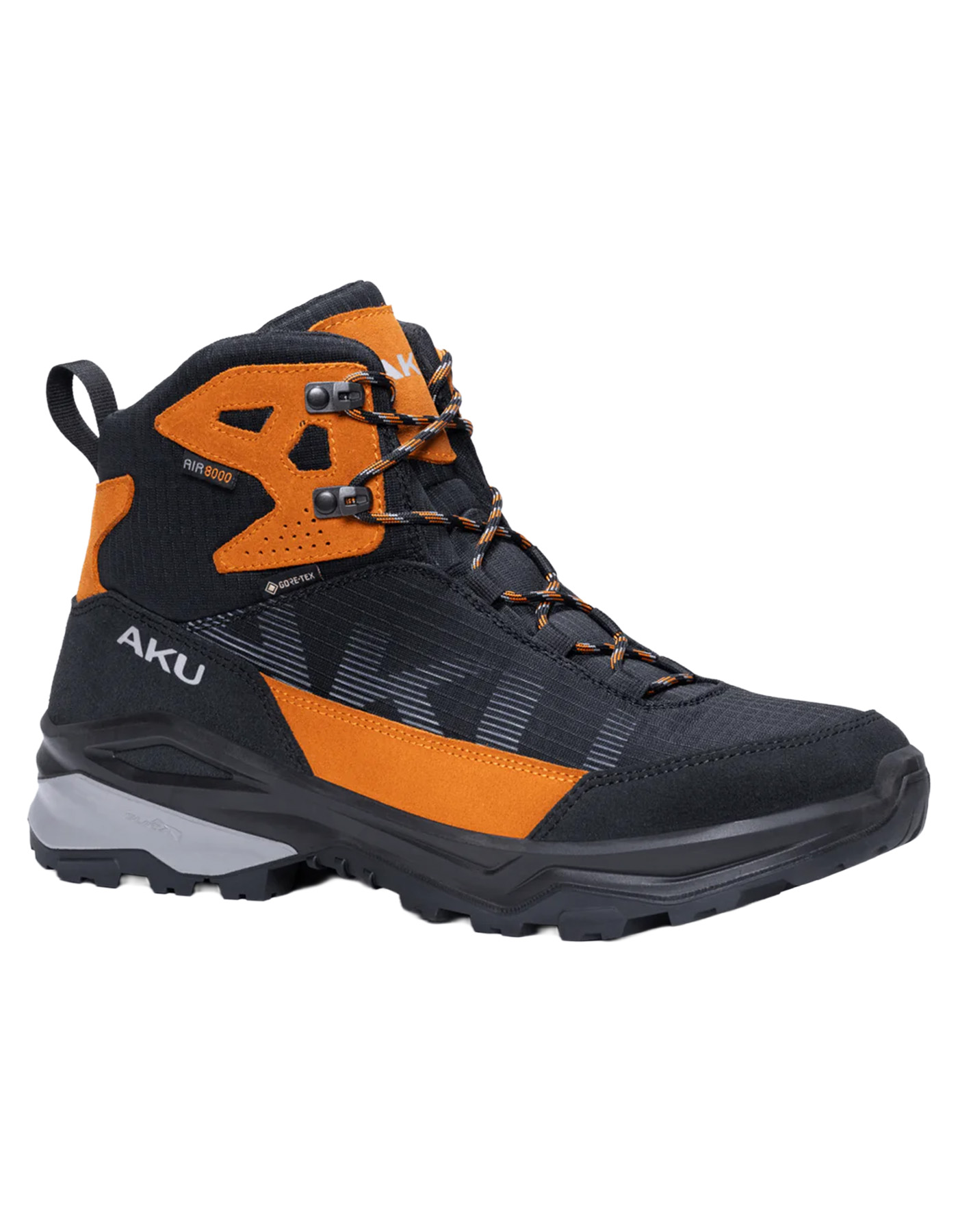
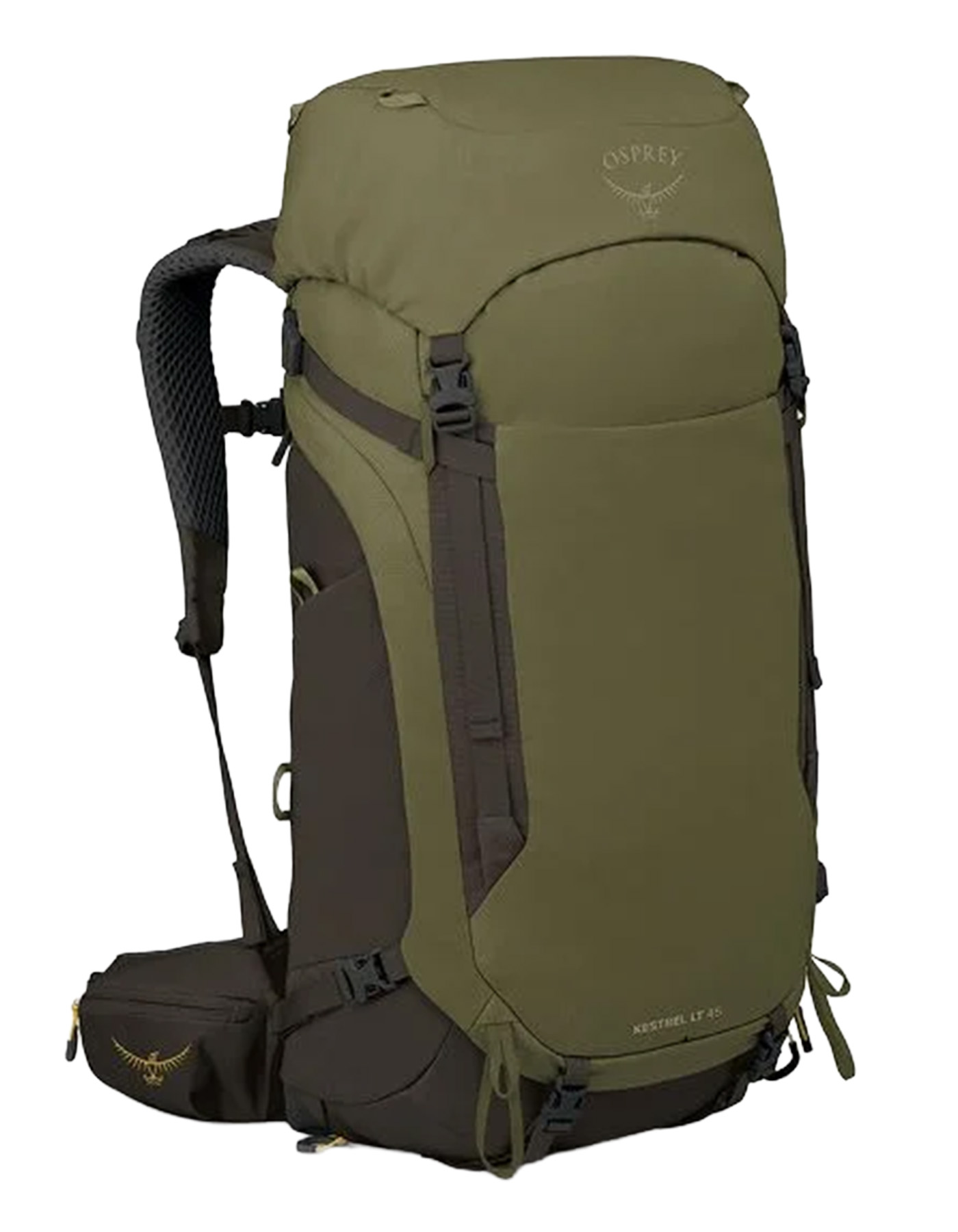
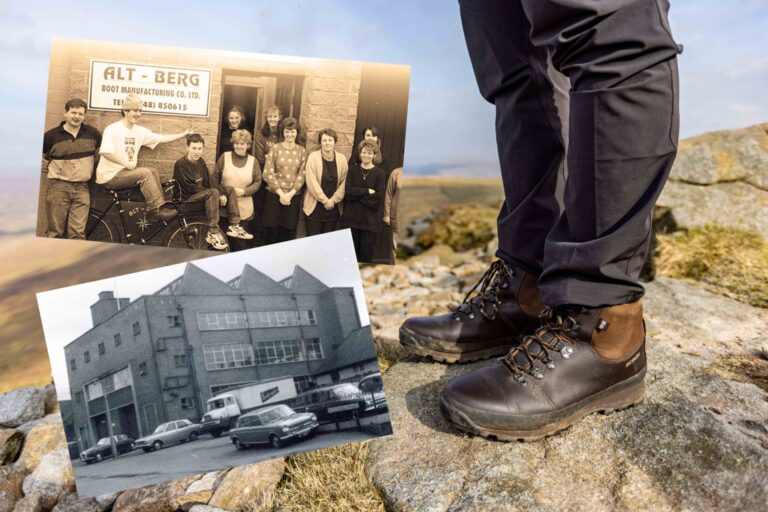
I was able to put Big Agnes’ brand new String Ridge VST 1.5 tent to the test during this trip, along with AKU’s Adapta Light GTX boots, Osprey’s LT Kestrel backpack and Leki’s Skytera FX Carbon hiking poles.
Here are my verdicts on them…
Where To Buy
Big Agnes Sting Ridge VST 1.5
Our tester’s verdict: “It’s ridiculously light – definitely ultralight – and the trekking pole style feels cutting edge and modern. But, despite the low weight, you get loads of comfort, a surprisingly spacious interior (including good head room) and tons of clever design features.”
Our tester’s verdict: “These boots aim for the goldilocks sweet spot. They’re not trying to be ultralight, trainer-style boots; nor are they aiming to be the burliest, most robust traditional footwear ever created. Instead they target that perfect middle ground, striking a nice balance between the competing priorities of comfort, agility, durability and protection.”
Our tester’s verdict: “If you want a pack that is fully-featured and durable with a high-tech back system, the Kestrel is a sensible choice. It’s a real gear-hauler that works well for overnighters.”
Our editor’s verdict: “This is an exceptionally light pole that still delivers reliable performance. Crafted from high-spec materials, it’s easy to adjust and highly packable, making it ideal for those who value efficiency on the move. It’s designed primarily for hiking but, from what I’ve seen, it’s also excellent for running.”