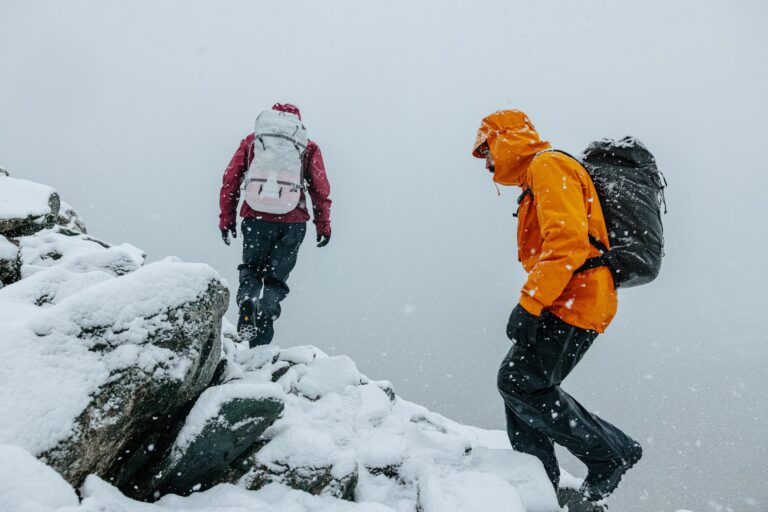
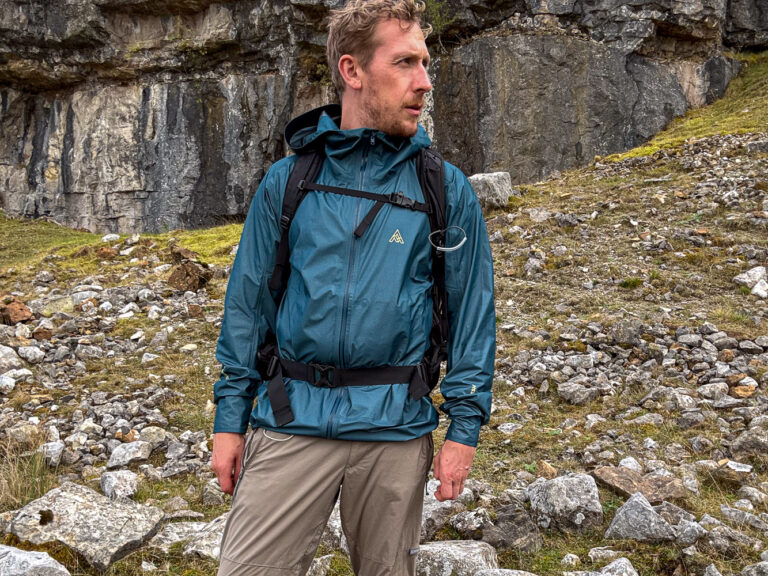
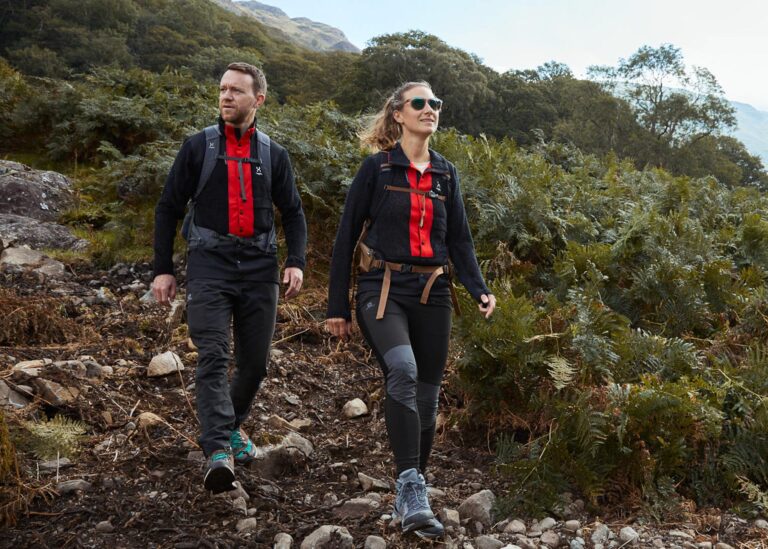
We’ve tested over 30 women’s waterproof jackets across multiple seasons this year, and these are the options that our gear testers liked the most. Along with assessing how these jackets fair in temperamental weather conditions, and across a variety of activities, we’ve also been focusing heavily on how the fit and cut of the jackets has felt on a range women’s bodies here. Whether you’re on a multi-day trek across the Scottish highlands, or simply on a rainy commute to work, a good waterproof jacket is an absolute essential, and we’re here to help you find the best.
The Best Women’s Waterproof Jackets in 2026
Our favourite hiking jacket at the moment is the Patagonia Torrentshell – our testers found that it offered very reliable protection and were impressed by its versatility and excellent price point. While not geared towards technical adventures, and too warm for fast-paced endeavours, it’s a great ‘jack of all trades’ type of jacket. In short, it’s the kind of jacket you end up wearing the most.
Here’s the rest of our category winners:
| Our Shortlist | What Is It Best For? | Rating |
|---|---|---|
| 1. Patagonia Torrentshell | Best Women’s Waterproof Jacket Overall | ★★★★ |
| 2. Quechua MH500 | Best Value Waterproof Jacket | ★★★½ |
| 3. Rab Latok Alpine GTX Pro | Best Waterproof Jacket for Technical Use | ★★★★ |
| 4. Páramo Velez Smock | Most Breathable Jacket | ★★★★½ |
| 5. Helly Hansen Momentum | Best Women’s Waterproof Jacket for Everyday Walking | ★★★★ |
| 6. Keela Cairn | Best Lightweight Waterproof Jacket | ★★★★ |
It’s worth heading to the end of this article if you want to learn more about what to look for when you’re choosing a rain shell, including how to clean and re-waterproof your jacket.
While this list is solely focused on the best waterproof jackets for women, if you’re looking for a mixture of both men’s and women’s options, here’s the results of our tests for that too.
How We Tested The Jackets
All of these jackets have been tested by a variety of female testers including long-term hikers and outdoor adventurers Jazz Noble, Emma Cole, Sophie Nicholson, Nicola Jackson and Sarah Baynham, to name a few. Waterproof shells for a variety of shapes, sizes and purposes have been tested, with sizes ranging from a UK 8 to a UK 18.
Key considerations that were taken into account include waterproofing, breathability, windproofing, durability, the women’s fit, the women’s colour options (‘shrink it and pink it’ is not good enough we’re afraid), weight, packability and comfort, as well as factors relating to the overall sustainability of the jacket.
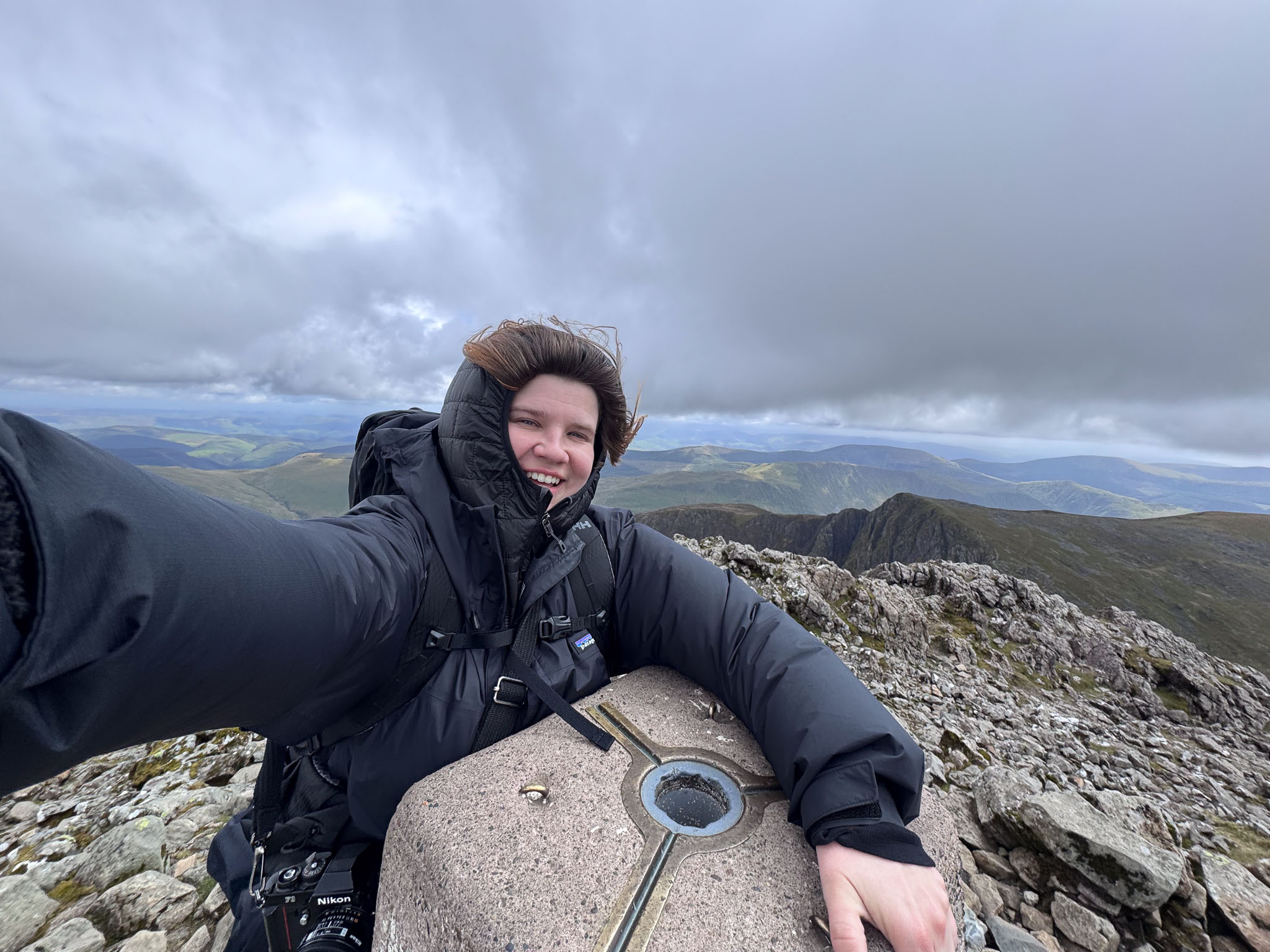
As you’ll see from the pictures, the majority of these jackets were tested across UK landscapes such as Eryri (Snowdonia) National Park, the South Downs, the Lake District, and the Cairngorms. Further afield, we’ve also tested a few options in the Italian Dolomites, as well as the Glenveagh National Park and the Dartry Mountains in Ireland. Including short day hikes, everyday dog walks, a cheeky bit of cycling and bikepacking, and multi-day backpacking trips – we’ve really put these jackets through their paces.
Editor’s note: This article was last updated in September 2026 to ensure that all of our favourite jackets are still available for purchase.
1. Patagonia Women’s Torrentshell 3L
Our best women’s waterproof jacket overall
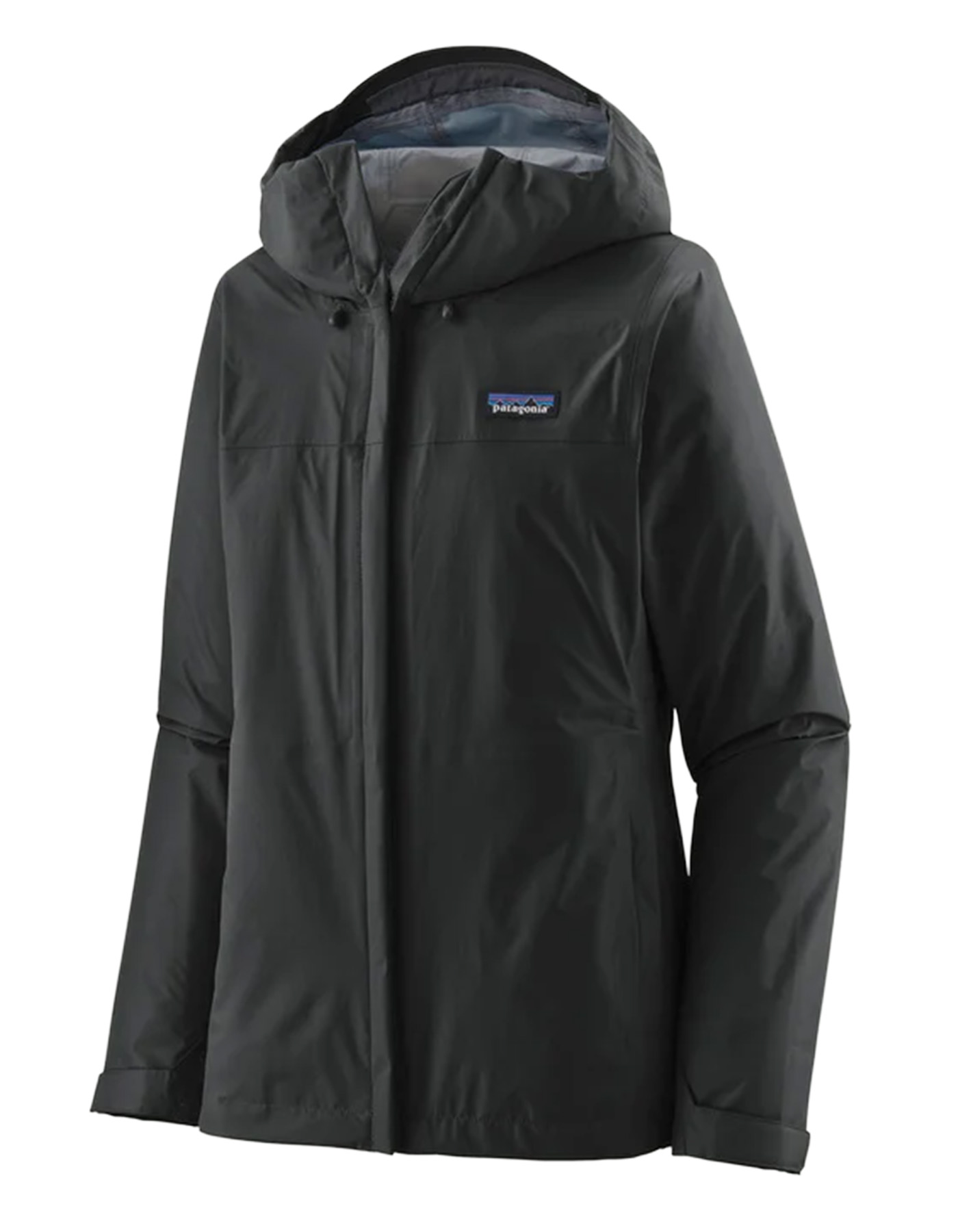
Patagonia Torrentshell 3L
★★★★
Price: from £130
Weight: 352g
Best for: everyday hiking, general outdoor use, day to day rain protection
Pros: excellent value, very waterproof, versatile, nice fit, reliable performer, warm, windproof, feels tough, recycled content
Cons: heavy compared to rivals, pockets aren’t hipbelt compatible, breathability not the best
Why is it good?
Patagonia’s Torrentshell is reliable, versatile and quite simply gets the job done. It doesn’t have all the bells and whistles of technical jackets but that’s why it works as a ‘jack of all trades’ type of jacket. Other details our tester loved include: the roomy cut, great price point, effective waterproofing and wind protection, 100% recycled face fabric, PFAS-free design and tough build.
What could be better?
It’s not the most lightweight jacket, it’s a little warm for the summer months and we’d prefer it had hipbelt compatible pockets. For fast and light hikes, or for technical excursions, we wouldn’t use this jacket.
Our thoughts on the women’s fit:
The Torrentshell has a relaxed and relatively roomy cut, as opposed to the curved fit you sometimes find on women’s jackets. Our tester appreciated this more casual look as it felt very unrestrictive when moving and also gives the jacket, in her opinion, a more versatile look. It’s also a particularly useful fit for squeezing layers underneath, with a good amount of width at the hips.
Our overall verdict:
While the Torrentshell doesn’t include all the technical features you’ll find on higher spec (and pricier) jackets, that’s kind of the whole point. It’s more of an everyday hiking companion rather than a jacket for specialised scenarios. In short, it’s the kind of jacket you end up wearing the most. OM tester Jazz said: “I’m yet to come across a jacket that offers this much value for money. I’ve actually found its waterproofing and wind-proofing more effective than many other jackets at much higher price points.”
Read our editor’s full review of the men’s Patagonia Torrentshell jacket here.
2. Quechua Women’s MH500 Jacket
The best waterproof jacket in terms of value for your money
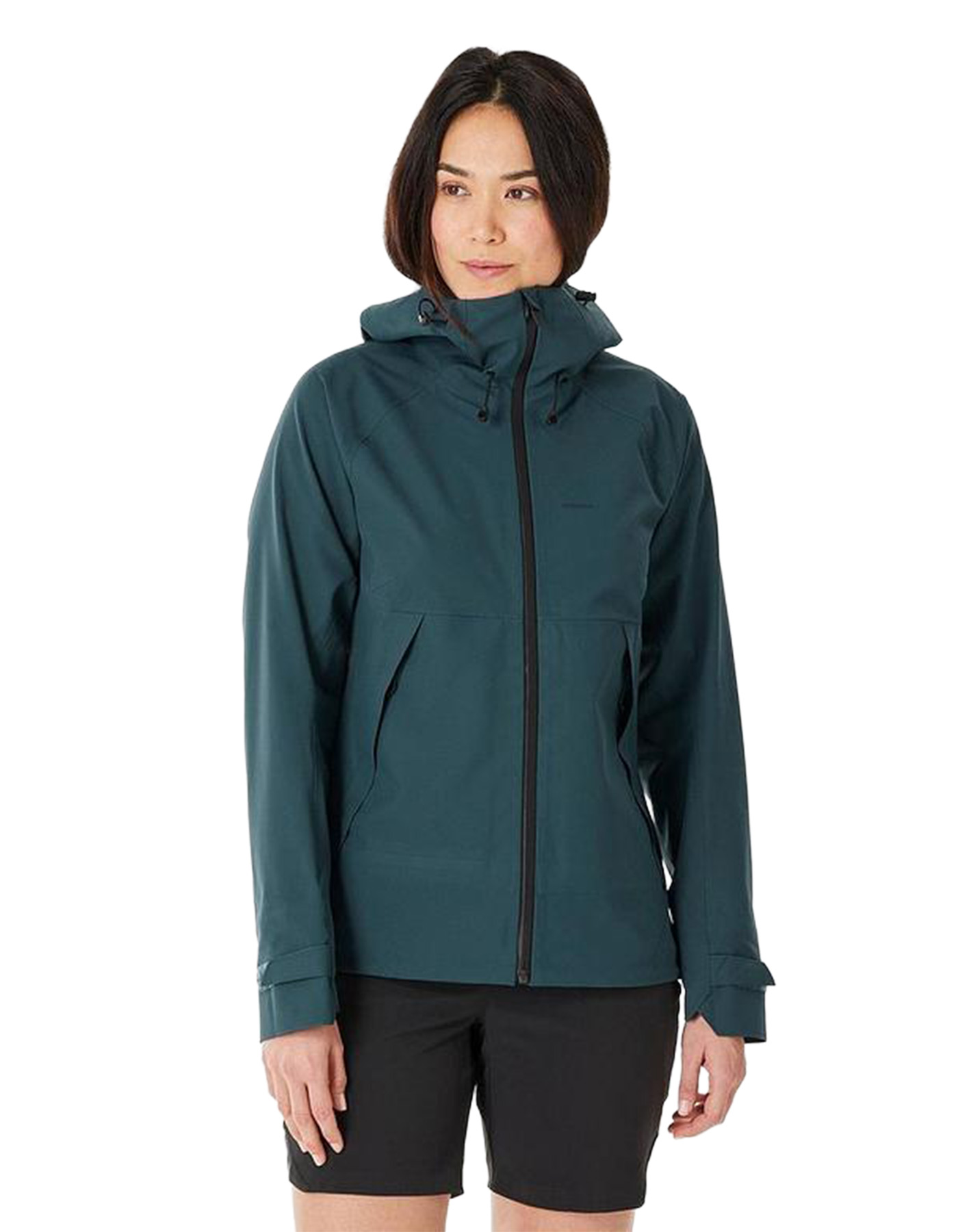
Quechua MH500
★★★½
Price: £79.99
Weight: 540g
Best for: everyday wear, 3-season hiking
Pros: large side vents, good adjustment points, very comfy to wear, great value for money, good waterproofing
Cons: not the lightest or the most protective, not for technical use, a little clammy, limited colourways available
Why is it good?
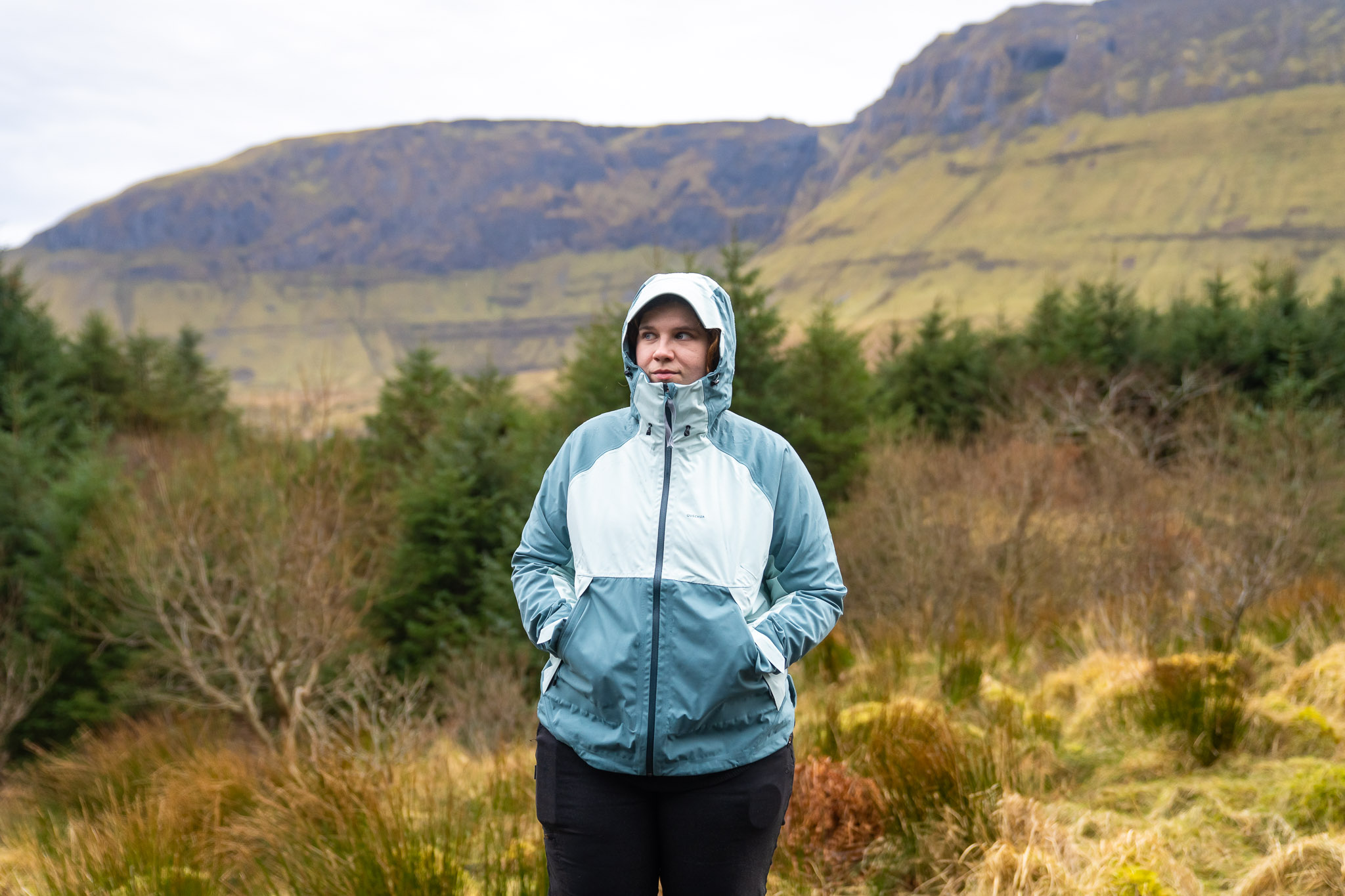
It’s very comfy to wear, is great value for your money and has very reasonable protection levels considering what you’re paying. It’s got a solid feature-set too – the large vents, internal pockets, and three-point adjustable hood are highlights – and a good level of adjustability across the jacket. The waterproofing hasn’t failed us so far, though the DWR does wet out fairly quickly in sustained downpours (regular reproofing should do the trick). The breathability is okay – it’s not really suited to high aerobic activities but for casual walking and hiking, it’s been reasonable. On warmer days, the large pit zips are useful.
What could be better?
It isn’t the lightest or the most packable and it’s not protective enough for technical or winter use. It’s also a shame that the brim of the hood isn’t slightly stiffer to offer a bit more face protection. For highly aerobic activities, we’d look elsewhere.
Our thoughts on the women’s fit:
Our tester had lots of good things to report about the women’s fit here. She said: ‘it feels contoured without feeling overly cinched and I like that it isn’t ultra athletic. There’s enough room for a base layer and a light insulating jacket underneath too, and the level of wrist and rear coverage feels suitable enough for three-season, everyday use. For properly miserable weather, it’s worth noting, however, that the cut is on the shorter side of the scale. Likewise, if your down jacket is particularly lofty, I’d recommend sizing up.” The stretch in the fabric was also appreciated as it offered great freedom of movement and articulation out on the trail.
Our overall verdict:
If you want a capable waterproof jacket for three-season hillwalking and trail hiking, and you’re also on a budget, we think this is a solid option to consider. Quechua’s MH500 has a good feature-set, a comfortable fit, and enough weather protection for all but the absolute worst of weather. The materials have held up well against abrasion too – we wouldn’t go jumping into brambles with it but for light trail use, it’s been absolutely fine. The seams have also held up well so far after extensive use.
3. Rab Latok Alpine Women’s GTX Pro Jacket
The best women’s waterproof jacket for technical use in high alpine and mountainous environments
Rab Latok Alpine GTX Pro
★★★★
Price: £520
Weight: 379g
Best for: the high alpine, mountaineering, ice climbing
Pros: great shoulder and arm articulation for climbing, excellent waterproof and windproof protection, durable yet lightweight, alpine-friendly features
Cons: expensive, would like brighter colours in the women’s range, the sleeves and hem are a little long for smaller women, not ultra warm
Why is it good?
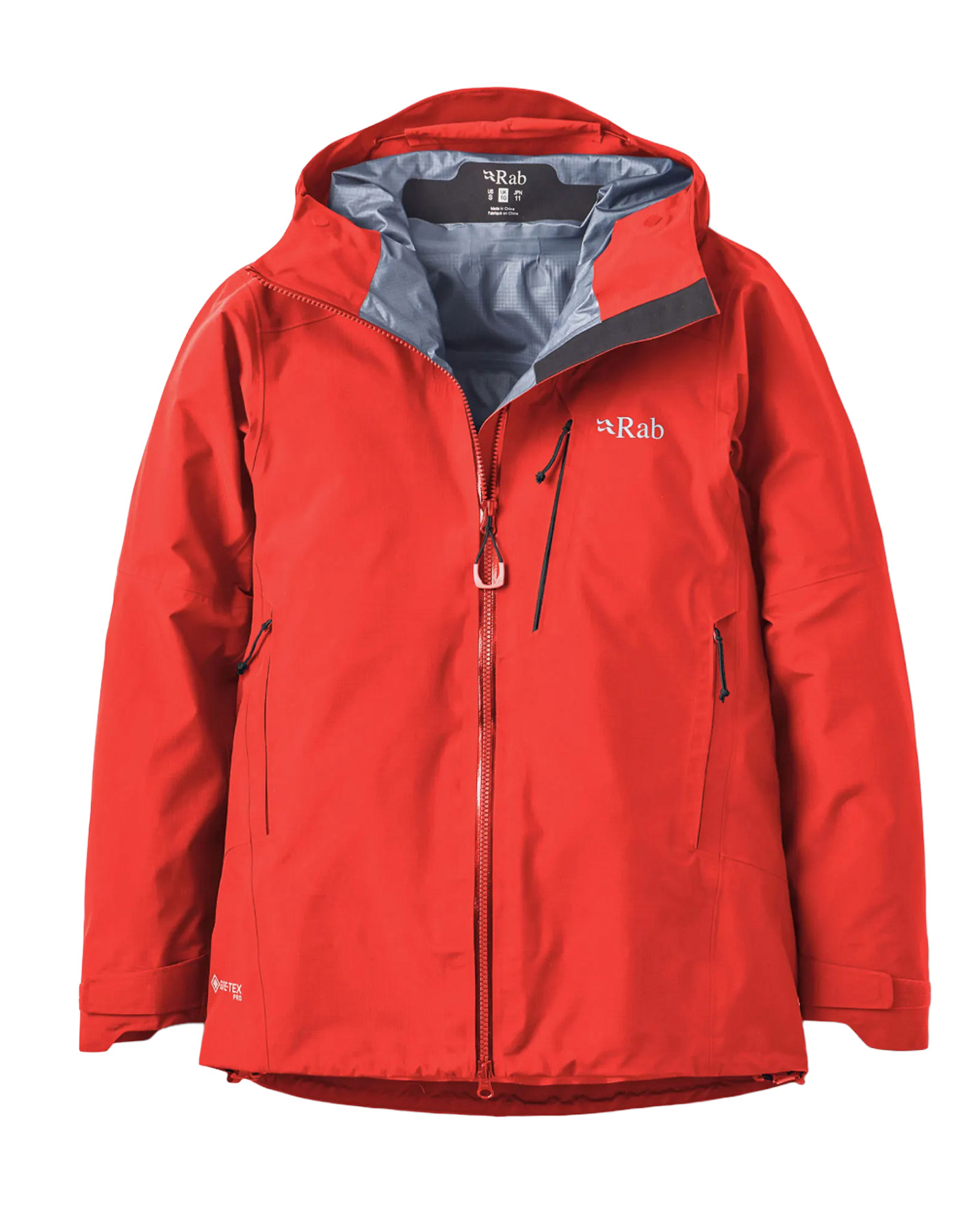
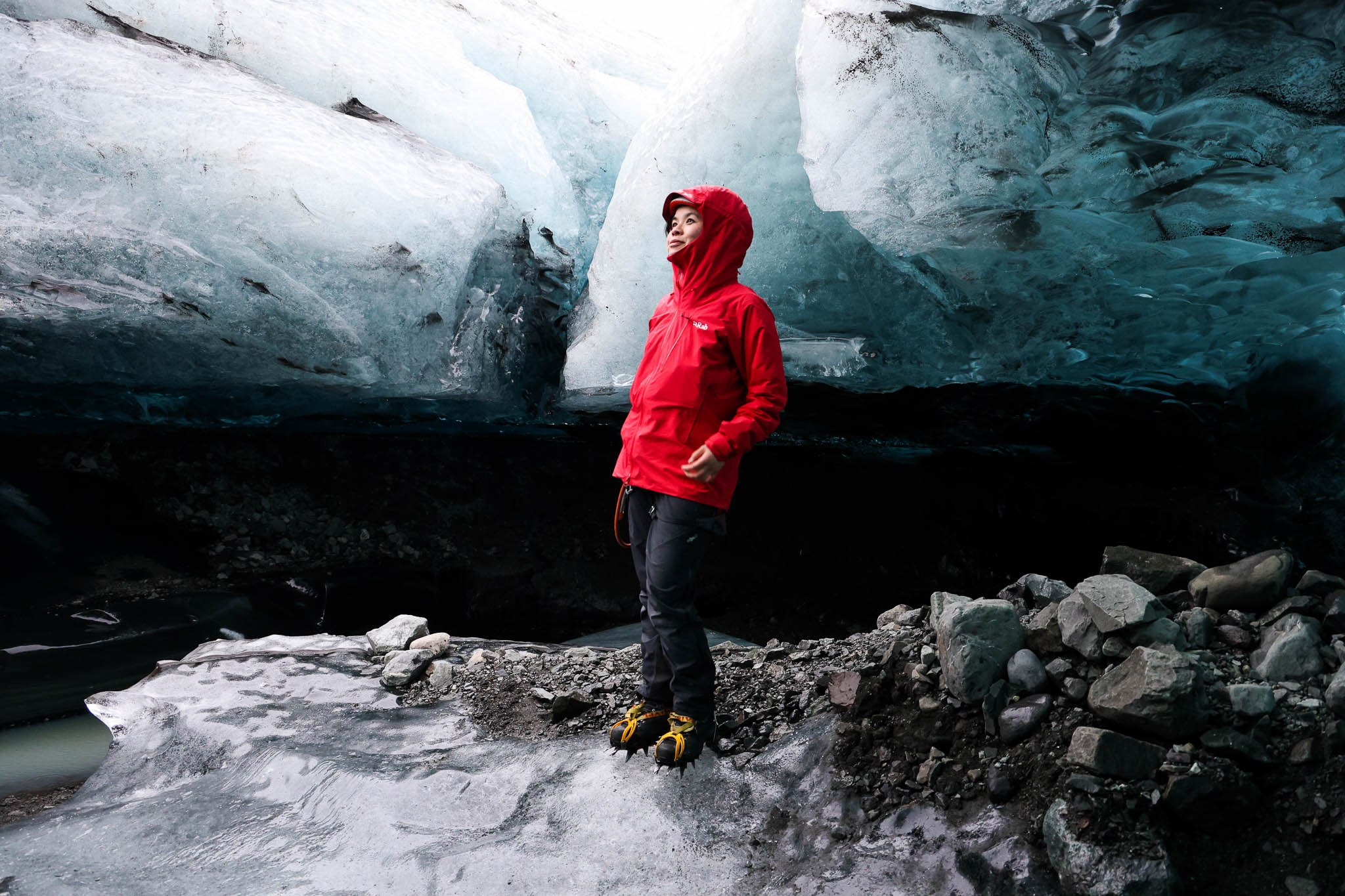
Our tester, Jessie Leong, has been using the Rab Latok Alpine jacket for ice climbing, glacial walking, and guiding out in Vatnajökull, Europe’s largest glacier. She said, “The biggest strength for me is the weather protection. The 3-layer GORE-TEX Pro fabric has a 28,000mm hydrostatic head (the top end of the scale), and I’ve found the jacket reassuringly protective against heavy rain, snow and strong Icelandic winds.” Other highlights she liked include: the excellent arm articulation for climbing, the packability and weight considering its HH rating, and the flexibility of the fabric. The latter aids quick and dynamic movement well.
What could be better?
The sleeves and hem are a little long for smaller and/or more petite women. We’d also like to see better colour options in the women’s range, specifically colour options that match those in the men’s range. There’s also some trade-offs in terms of warmth, so it’s better suited to active use in this sense.
Our thoughts on the women’s fit:
The fit is regular, so you can fit layers under nicely, and the shaping is nice – it doesn’t feel overly cinched at the waist or anything like that. It slots underneath a harness well, though can feel a touch tight in some areas of the hip when worn over the harness. Something to bear in mind for wider hipped folks. The cut is long at the hem and arms – it’s well-suited to protection against the elements in this sense, though it’s something to be aware of if you’re short and/or petite.
Our overall verdict:
Overall, we’ve found the Rab Latok Alpine Gore-tex Pro ideal for alpinists who need a storm protection layer for when the going gets tough, rough and downright terrible. We’ve found it reliably waterproof and breathable so far, and genuinely practical for use in alpine environments. It feels well-made too, and we like how well it can accommodate layers – a must for winter climbing and overall winter use. It’s a premium shell, and it comes with a very premium price tag, but for technical and demanding alpine adventures, we’d say the combination of weather protection, durability and practical design features makes it a convincing option to invest in.
4. Páramo Women’s Velez Adventure Smock
The best women’s waterproof jacket for breathability
Páramo Velez Adventure Smock
★★★★½
Price: £290
Weight: 710g
Best for: hillwalking, day hiking, fast-paced outdoor activities
Pros: long-lasting, repairable, breathable, warm, made in an eco-friendly way
Cons: too warm for some people, relatively bulky, less suited to slow activities
Why is it good?
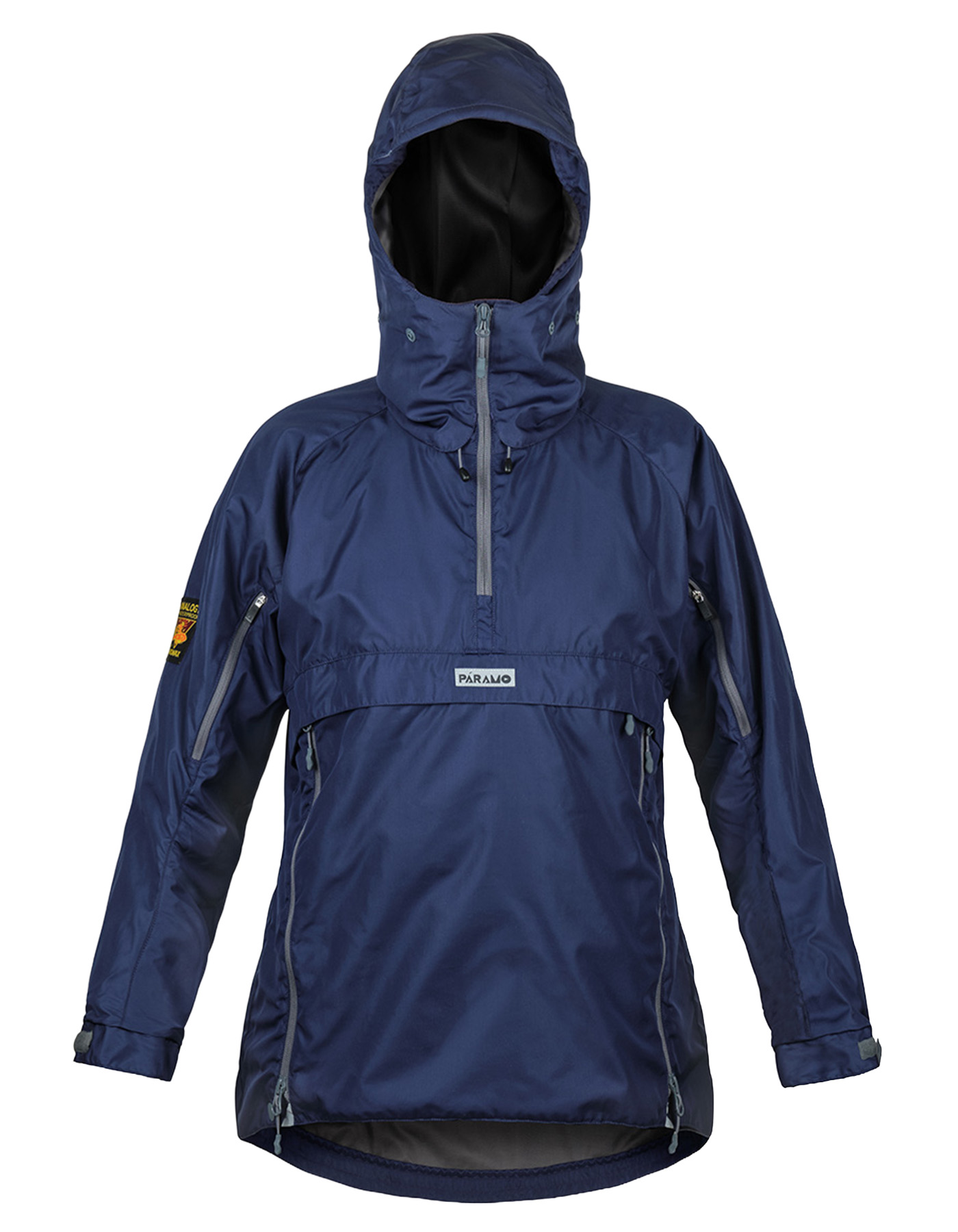
Instead of a traditional moisture blocking membrane, the Velez Adventure Smock uses a clever blend of water resistant fabrics and Nikwax’s hydrophobic treatment which both repels water from the surface and allows moisture from your own perspiration to escape too. It uses a pump liner system which mimics animal fur and essentially keeps you dry from the inside out, pushing water away from your body to the outside of the jacket as you move. It relies on active use in this way, so we’ve found it ideal for big mountain days out when you’re constantly on the go. We found the details on this jacket to be great too. You get a wire-stiffened hood, a big kangaroo pocket and a bunch of useful venting zips as well.
Related: Best Sports Bras for Hiking
What could be better?
It’s on the heavy side and we’ve found it too warm for summer hiking. If you know you’ll be stopping for extended periods in the rain, this isn’t the jacket we’d reach for. It’s designed as an active layer and keeps moisture out best when you’re on the move in the mountains.
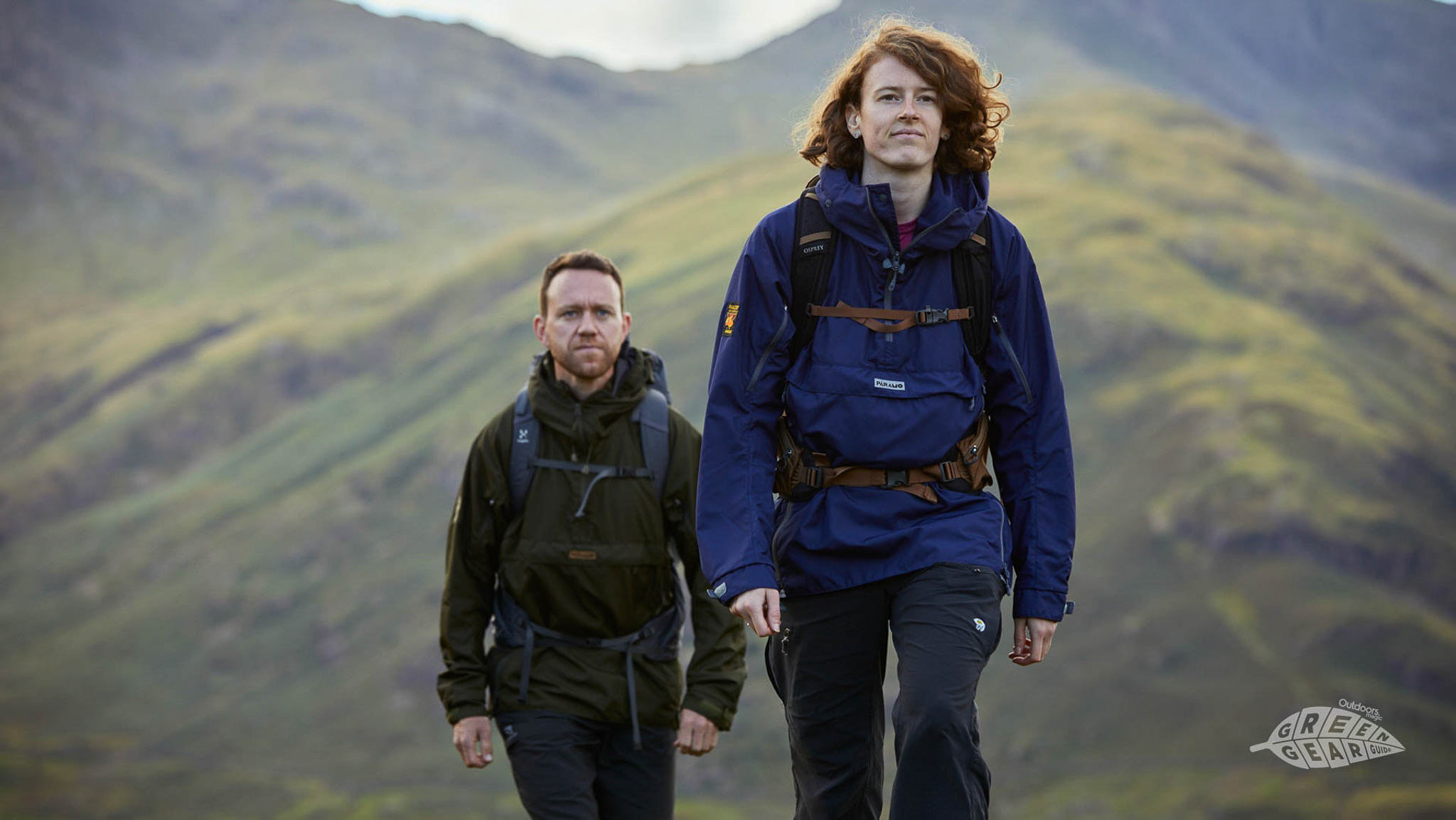
Our thoughts on the women’s fit:
Our tester found the fit of the Velez to be generous in size which they found handy for layering. There’s plenty of adjustability too which is ideal for fine-tuning the fit to different body types, and we also like that Páramo includes a wide range of sizes here. It also features a shorter front for movement and a longer back for protection.
Our overall verdict:
The breathability here is unmatched. We’ve found it really great for properly foul weather here in the UK, on hiking trips where you’re racking up big miles and are constantly on the go. We also like how durable the jacket feels, and also how easy it is to repair (this is an intentional design choice from Páramo). If you remember to keep on top of reproofing the jacket using Nikwax, it’s an incredibly useful bit of kit.
Read our full Páramo Velez review.
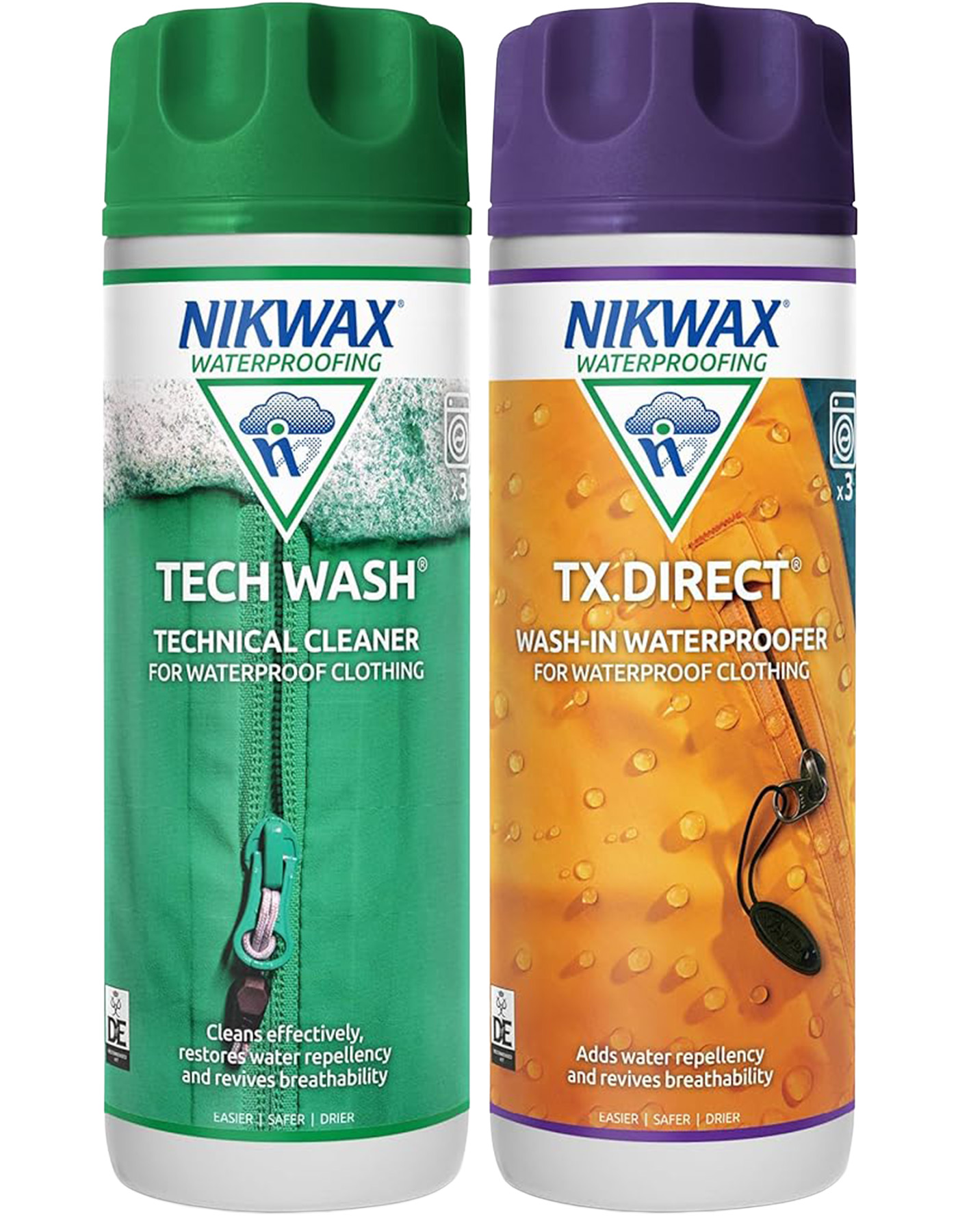
Nikwax Waterproof Clothing Care Kit
★★★★★
5. Helly Hansen Momentum 3-Layer Stretch Jacket
The best women’s waterproof jacket for everyday walking and day-to-day use
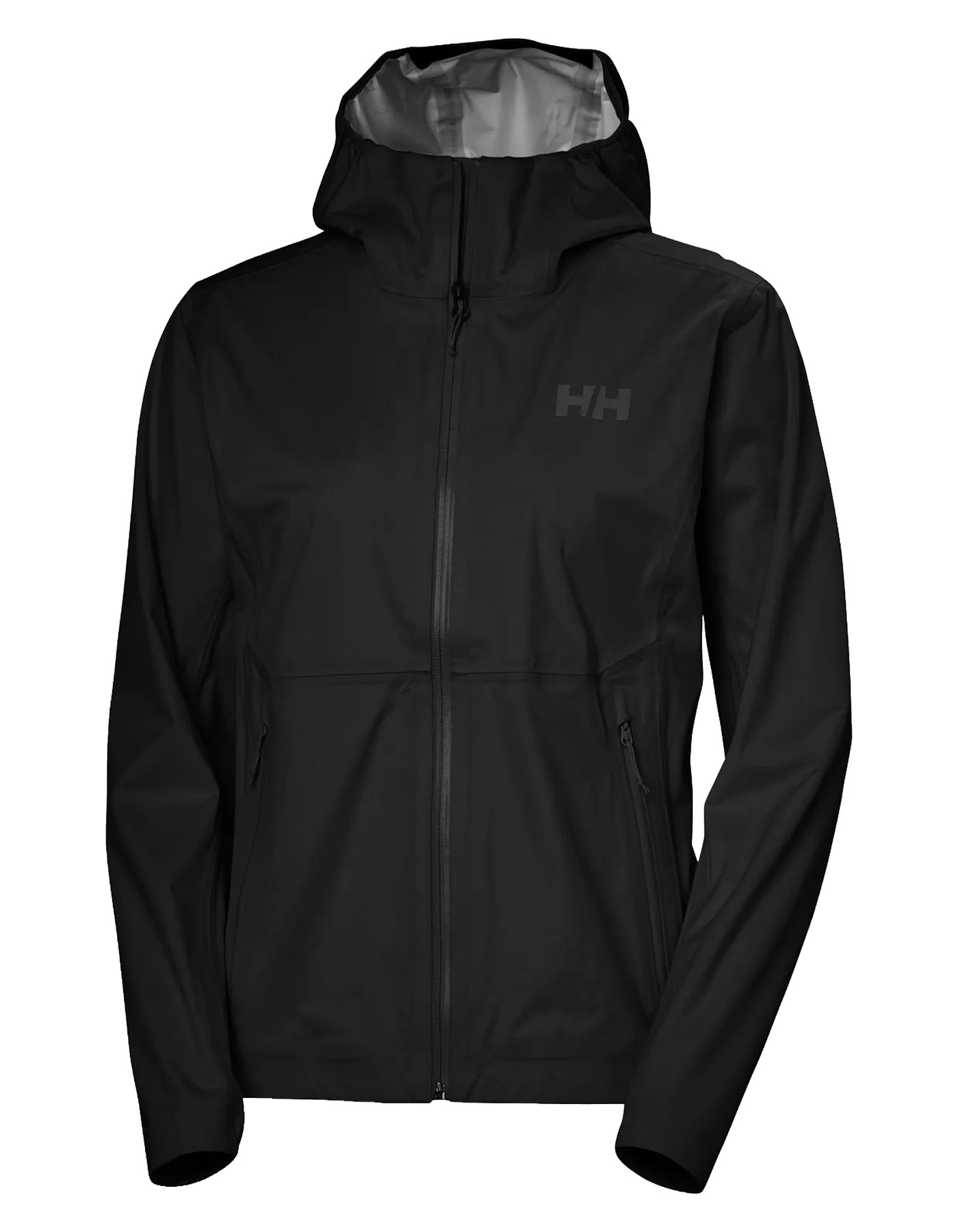
Helly Hansen Momentum
★★★★
Price: £220
Weight: approximately 400g
Best for: three-season hiking, backpacking, everyday use
Pros: super stretchy and adaptable, secure fit, great hood, packs down small
Cons: zip tabs could be better/ easier to use, no pit zips
Why is it good?
The flexibility, stretchiness, and lightweight design are the standout highlights of this jacket following our tests. Particularly at the hood and sleeves, the articulation feels spot on and works really well out in the hills. The weather protection is also spot on, and we particularly liked how effective it is at blocking wind on dryer days too. Despite being relatively lightweight, the fabric still feels durable and has held up well so far against backpack wear and general trail use.

What could be better?
It’s a little too warm for the warmer weather and we’d have liked some pit zips for those milder days in autumn. The zip taps are also a little fiddly and we’d have preferred a proper tab as opposed to the minimalist bit of cord.
Our thoughts on the women’s fit:
Our tester really liked the fit on this jacket. She said: “While I appreciated the slightly tapered waist, I appreciated even more the fact that it’s not overly tapered – I’m not a huge fan of that trend in women’s jackets. I’d also say that Helly Hansen’s sizing is pretty accurate here. I’ve happily worn the Momentum both on its own and coupled with layers. The stretchiness really helps in that respect.”
Our overall verdict:
We’ve found this jacket ideal for the shoulder seasons when it’s not warm enough for an ultra-lightweight shell, and it’s still not cold enough for something hardier. It’s a bit of a softshell-hardshell hybrid in this sense, and strikes a nice balance between lightweight comfort and effective weather protection. It’s missing the features you’d need on more technical adventures, but as an everyday waterproof jacket for both casual use and light hiking, it’s a very effective jacket.
6. Keela Cairn Women’s Jacket
The best lightweight waterproof jacket for women
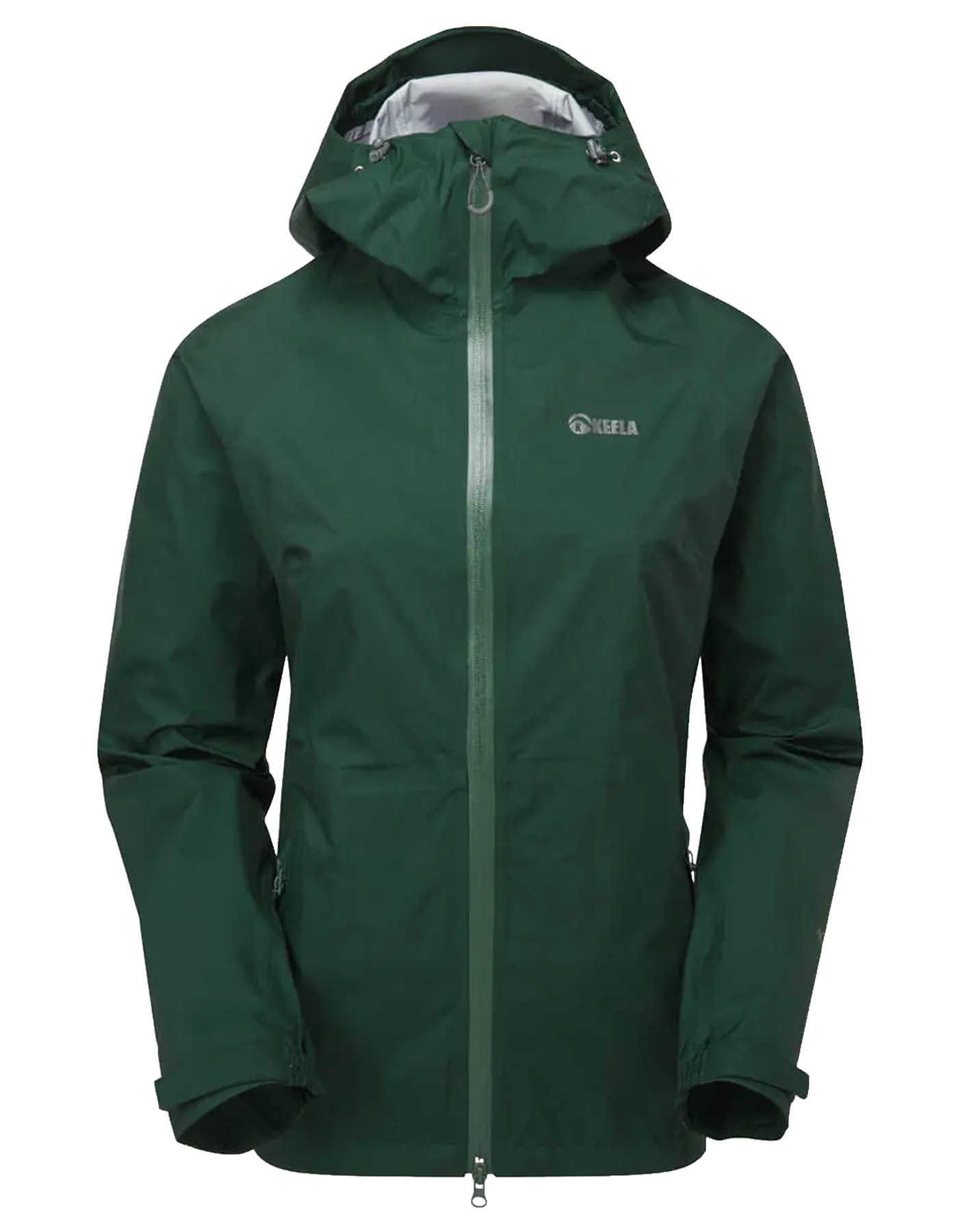
Keela Cairn
★★★★
Price: £180
Weight: 308g
Best for: climbing, scrambling, hillwalking, multi-activity use
Pros: light but tough, good feature set, great for a variety of outdoor activities, available up to a size 20
Cons: not the warmest, active fit won’t suit everyone
Why is it good?
If you’re a quick hiker, we think this jacket will be right up your street. The active fit gives you a nice, free range of movement, while the impressive breathability and lightweight build is really well suited to high exertion activities. The 3-layer Aquaflex technology is a big highlight: it’s tough thanks to the ripstop face fabric, but remains lightweight thanks to the bonded design of the 3 layers.
What could be better?
The active fit, while good for keeping breathability effective, won’t suit everyone. As it’s a lightweight jacket, there’s also drawbacks in terms of warmth, though for three-season use in mid range temperatures, it’ll more than do the job.
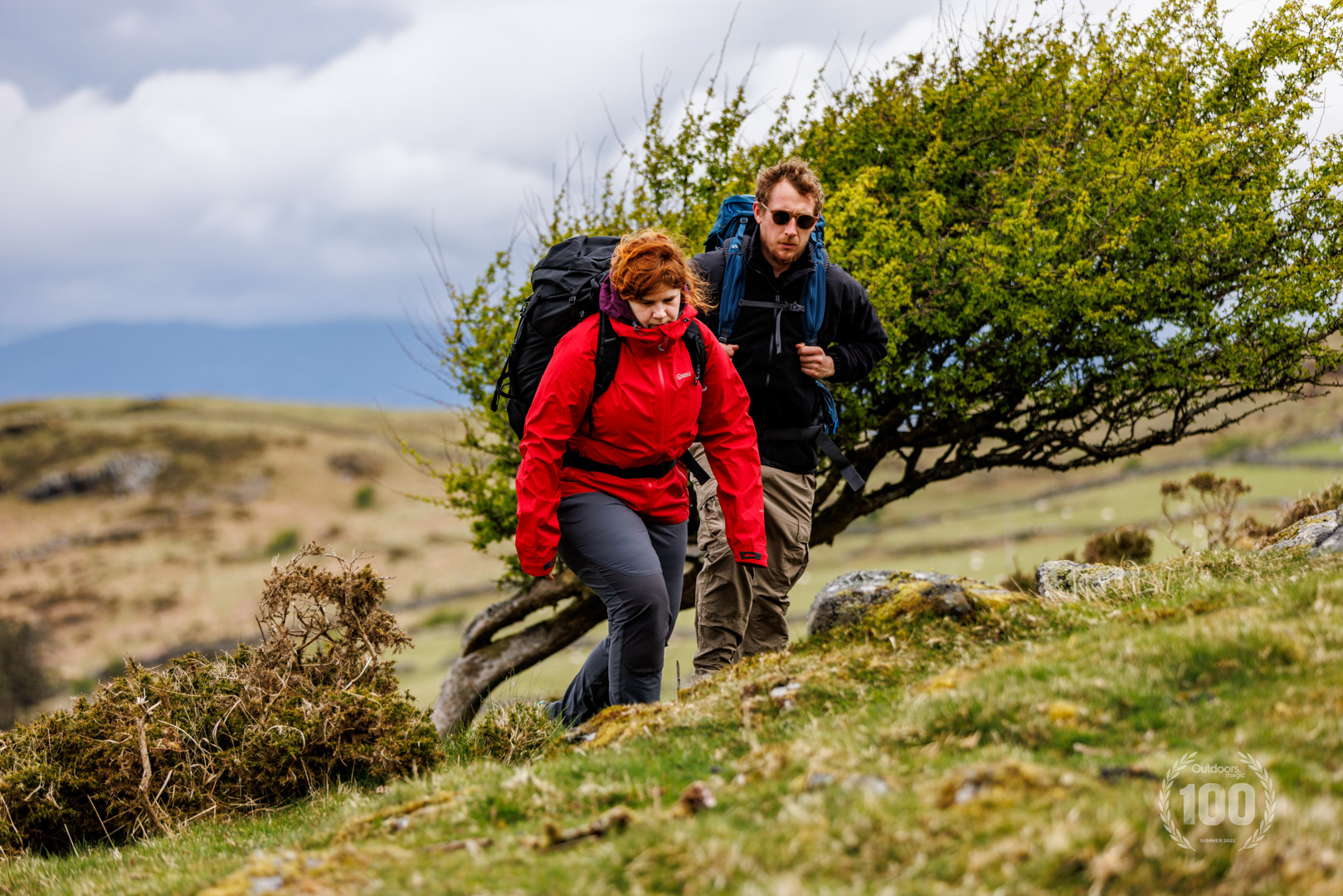
Our thoughts on the women’s fit:
As the fit is trim/ athletic, we’d recommend sizing up if you want to wear layers underneath this jacket. Other than that, our tester found the fit to be quite flattering, though the sleeves were on the long side (ideal if you’re reaching for lots of rock holds though).
Our overall verdict:
This jacket is uniquely tailored towards active, multi-sport mountain use and, on test, we’d say that that rings true. The lightweight design works best while on the move and we’ve found it genuinely effective in stints of foul weather. For less active endeavors, we’d opt for something warmer and/or better suited to layering underneath. At £180, the price point is very good too. A lot of 3-layer waterproof jackets can set you back a good £300 these days so fair play to Keela for that.
Read our full Keela Cairn Jacket review.
Best of the Rest
7. Rab Firewall Light Women’s Jacket
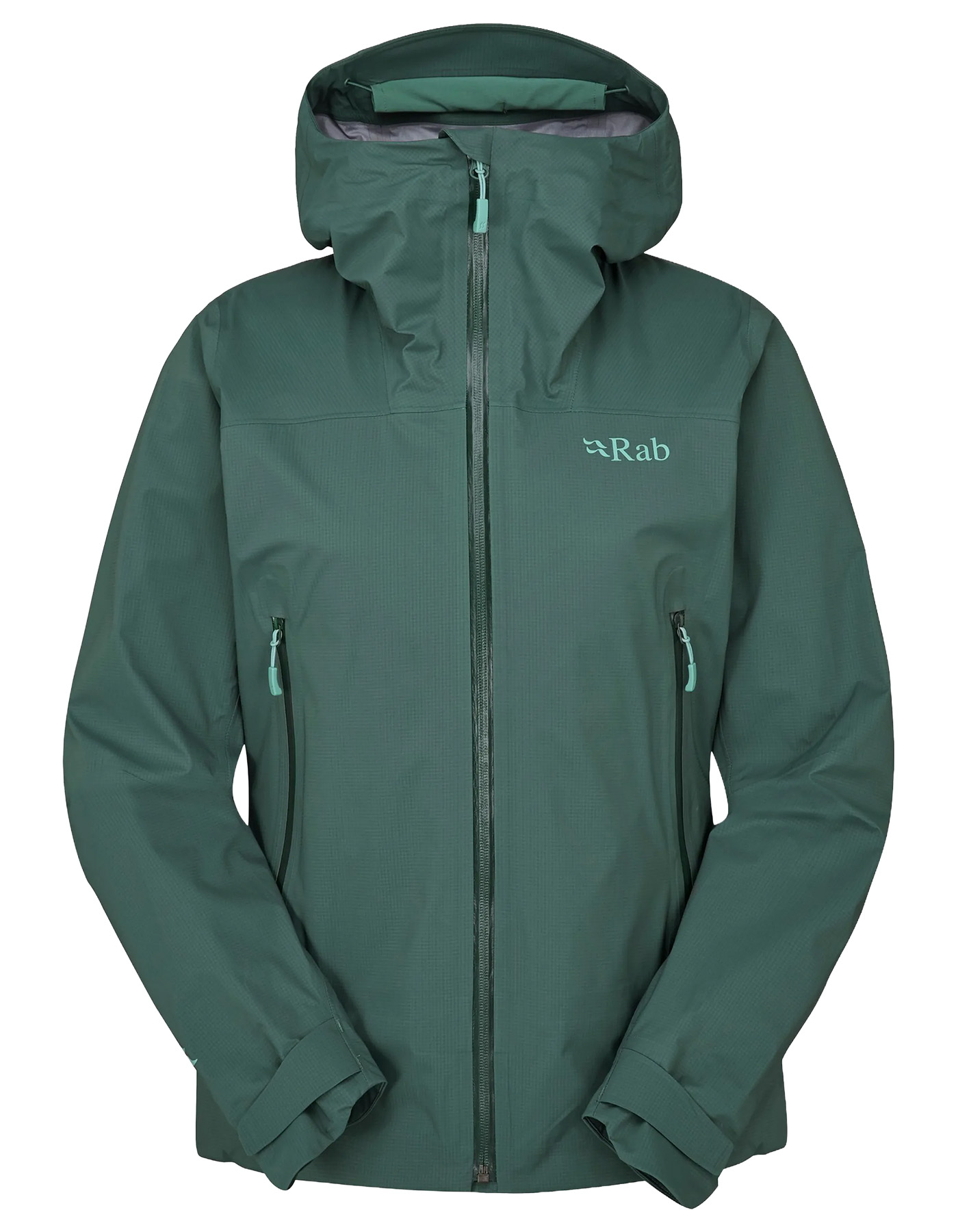
Rab Firewall Light
★★★★
Price: from £140
Weight: approximately 285g
Best for: backpacking, climbing, everyday walking
Pros: high spec fabric that strikes a lot of balances, functional hood, good price point, lightweight, great for a variety of outdoor activities
Cons: no large sizes available, no internal pocket
Why is it good?
This is a both durable and protective jacket, with good levels of breathability too. Thanks to Rab’s impressive Proflex fabric, it has the feel of a soft shell combined with the performance of a hardshell. It’s light too, coming in at around 285g altogether. There aren’t too many bells and whistles here but it still has good functionality for a jacket this light. We found the hood held well in strong winds and we liked the fact it can be cinched in with just one hand. The pockets are also well placed so that you can access them when wearing a harness or a backpack with a hip belt.

What could be better?
The feature-set here is quite minimalist and we’d have liked to see some pit zips and a few more pocket options. As with most modern, PFC-free waterproof membranes, it does tend to wet out quite quickly too, though if you stay on top of your reproofing routine this shouldn’t be too much on an issue.
Our thoughts on the women’s fit:
Our tester, Emma, tried this in a women’s L which is her usual size and she said the fit was spot on. Most notably, the arms were long and had good articulation so the hem doesn’t lift when you reach up above your head.
Our overall verdict:
Ultimately, the Firewall Light jacket is incredibly useful on lightweight hiking trips, and has become a firm staple in our tester’s wardrobe. If you’re looking for a robust, breathable, and lightweight waterproof jacket, we’d consider the Rab Firewall Light a worthwhile investment.
Read our full Rab Firewall Light review.
8. 66° North Dyngja Women’s Shell Jacket
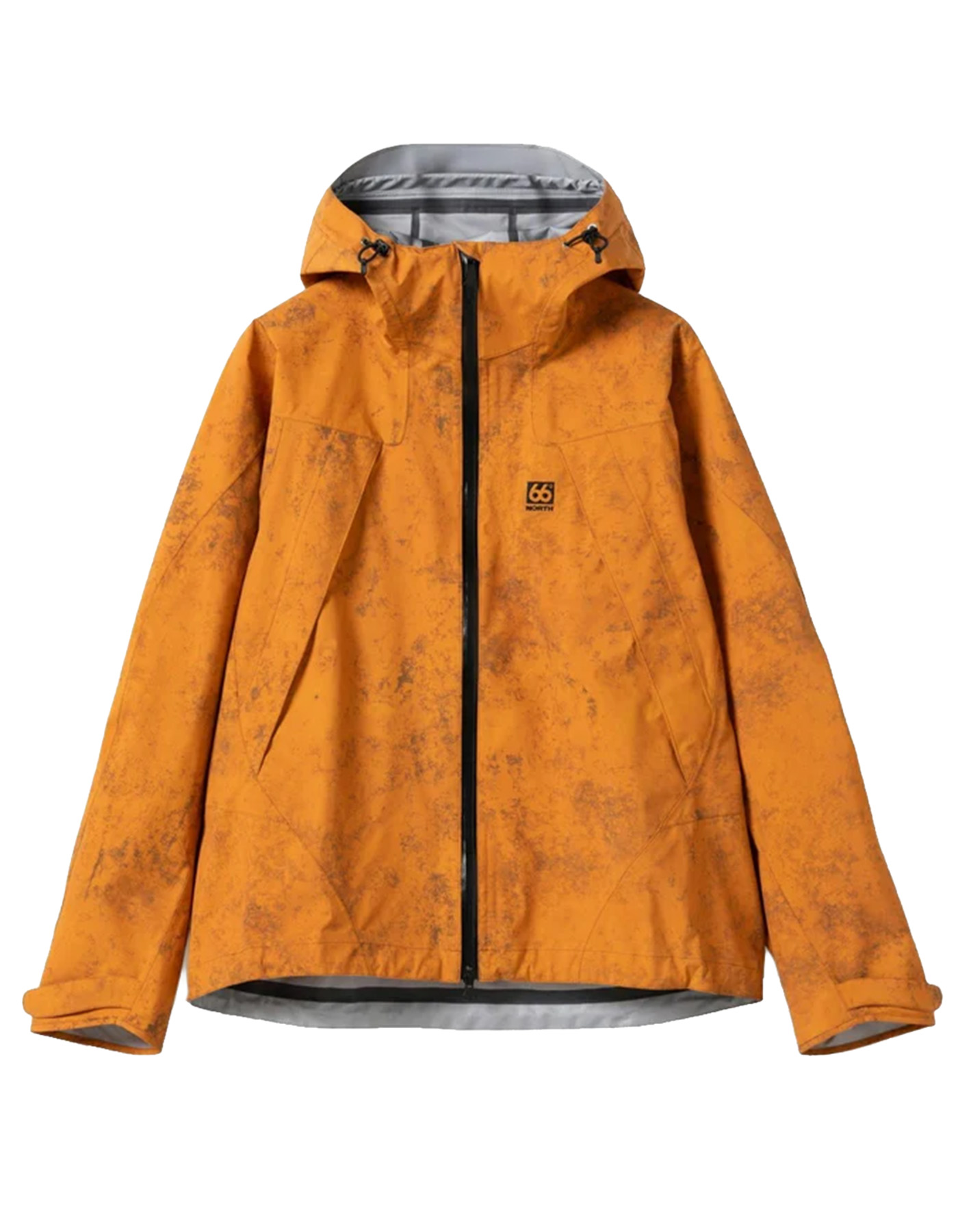
66° North Dyngja Shell
★★★★
Price: £290
Weight: approximately 458g
Best for: rough weather conditions, autumn and winter hiking, best for wearing all day long
Pros: recycled materials, structured design, very tough feeling, very waterproof, great for layering
Cons: heavy, not very breathable or packable, long arms
Why is it good?
This is a burly and very protective jacket. During our tests, we found the 66 North Dyngja Shell Jacket to be an ideal companion for truly rough weather here in the UK. While too bulky and warm for the summer season, for colder temperatures in autumn and winter – we’ve found it to be a very trusty shell jacket for keeping out the wind and rain. The boxy cut is great for fitting your winter layers underneath too. It gives it a versatile look that makes it just at home in the hills as on a city commute when it’s chucking it down. The angled pockets are also very handy. They’re positioned thoughtfully so you can slip your hands into them quickly for warmth, and are easy to access even with gloves on.
What could be better?
If you’re after something lightweight or a jacket for fast adventures, we definitely wouldn’t use this jacket. It’s not built for that. The arms are also quite long so we’d recommend trying before you buy.
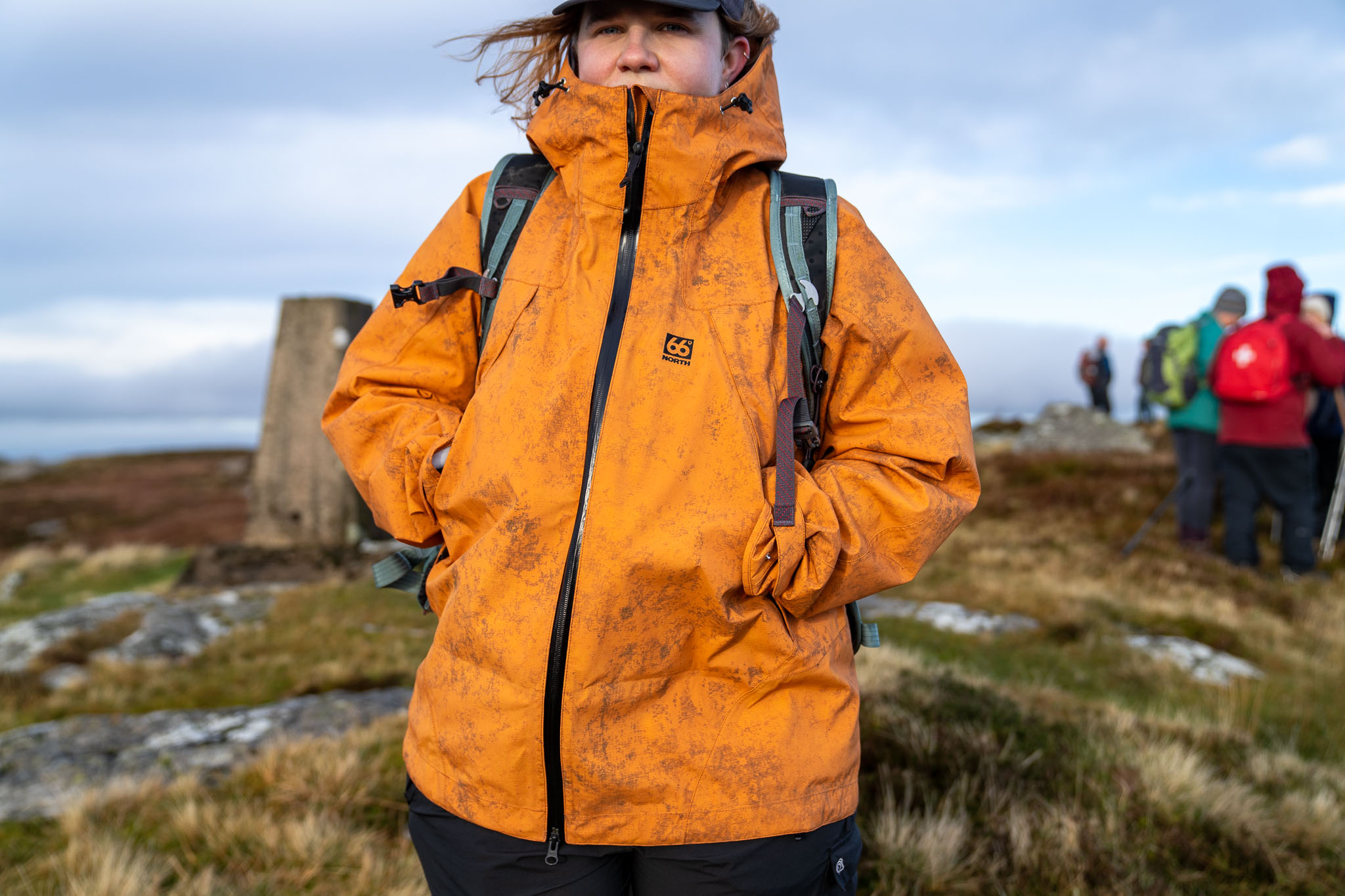
Our thoughts on the women’s fit:
This is a unisex fit. If you like a boxy, slightly oversized look, we think you’ll get along with this jacket, however, if you prefer lots of articulation and tapering, we’d suggest looking elsewhere. The structured design is a little stiff at first, but it breaks in nicely and hasn’t felt too restrictive during our hikes.
Our overall verdict:
Overall, we’ve found the Dyngja Shell to be a highly protective jacket. It’s the kind of thing we’d use for long days spent outside, when you know the conditions are gonna be rough, and you won’t be moving super fast. The fit won’t appeal to everyone, but for heavy layering, it’s been really useful. We also appreciate the recycled content used in its construction, as well as the attention-to-detail in the design details. It definitely doesn’t feel like they’ve skimped on any details, which is reassuring considering the price.
This colourway – the fisherman print – has a pretty cool backstory too. It’s inspired by the original kit 66 North designed for the Icelandic search and rescue team way back in 1926. Pretty neat. “Nearly a century later”, 66 North reports, “the fisherman coat remains a staple in the Icelandic fishing industry, with countless fishermen still relying on 66°North gear at sea.”
9. Passenger Five Element Recycled Jacket
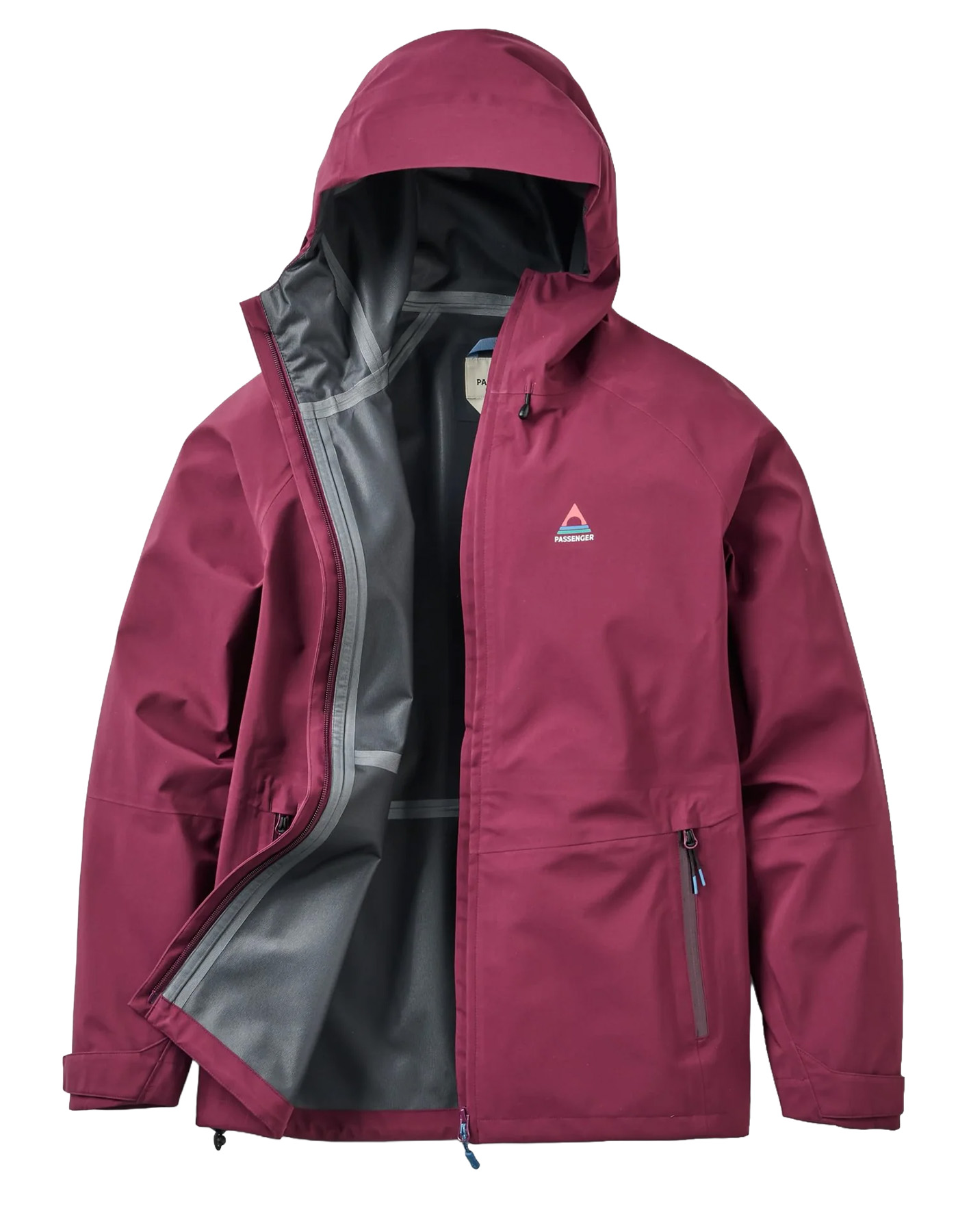
Passenger Five Element
★★★★
Price: £190
Weight: approx. 700g
Best for: everyday use, day-to-day hiking, casual walking
Pros: 100% recycled, PFC-free DWR, very abrasion-resistant, nice cut
Cons: not the most breathable, front pockets aren’t hipbelt compatible, heavy
Why is it good?
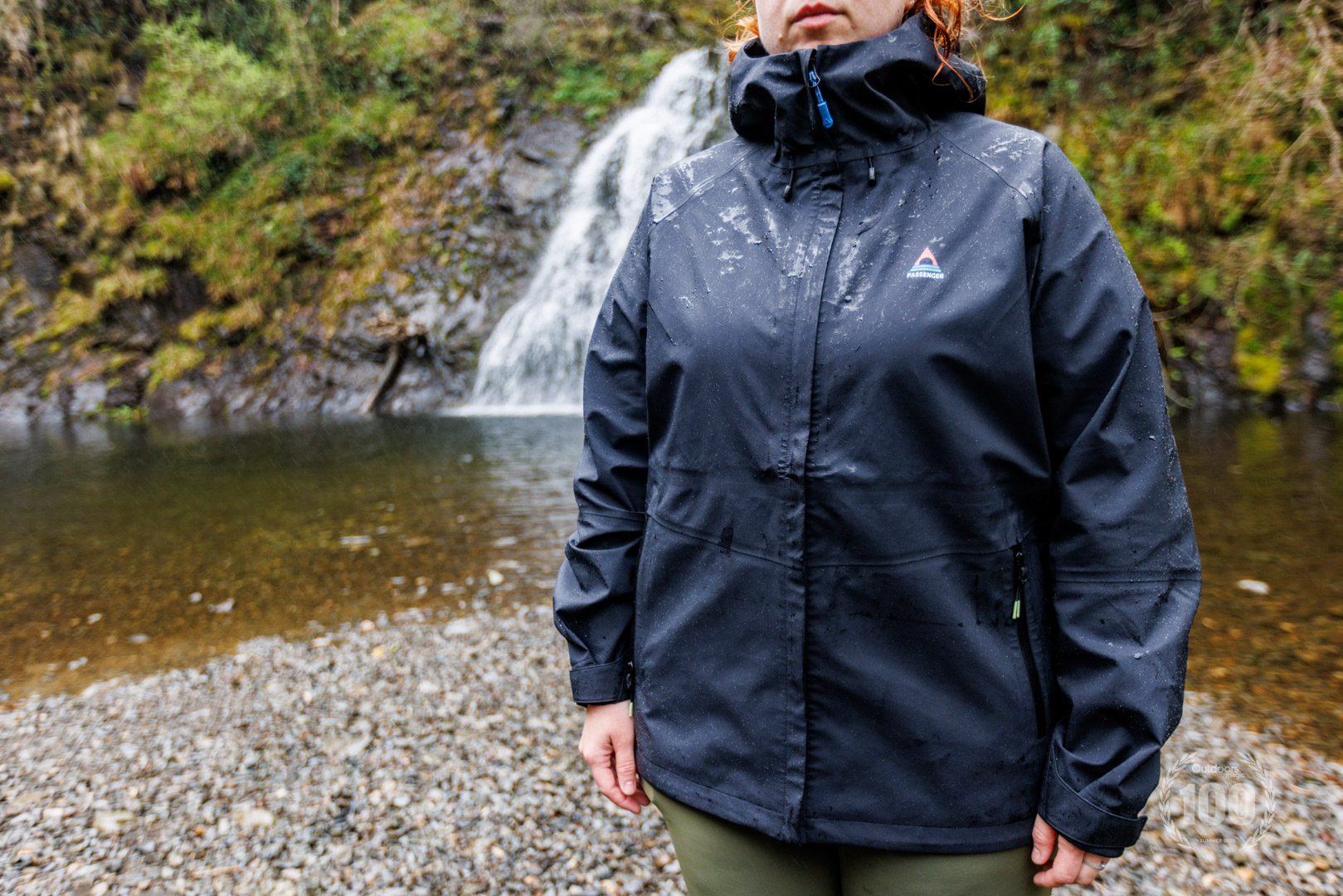
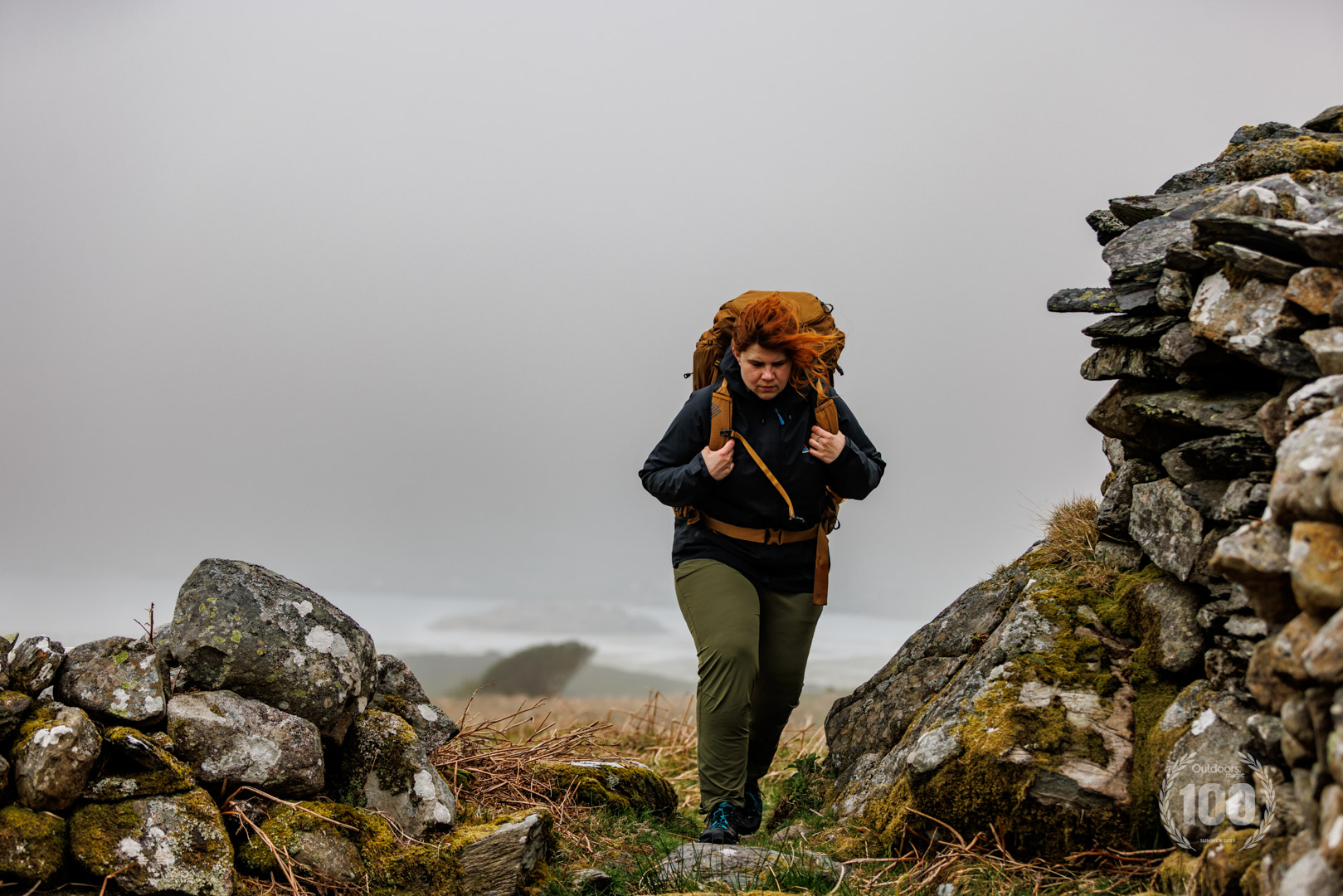
Through sustained downpours and lashing winds, the Passenger Five Element jacket has performed really well during our tests. We can see it excelling as an everyday walking jacket when you need a reliable and protective waterproof that isn’t overly technical in terms of materials and features (and its price point).
What could be better?
It’s not the most breathable and we did get a touch clammy at times, though the pit zips have been really useful in that respect. It’s also on the heavy side and isn’t best suited to warmer weather.
Our thoughts on the women’s fit:
The cut is pretty relaxed on this jacket, which makes it great as an everyday jacket as well as a casual hiking shell. “There’s not much in the way of tapering, though I’d say it’s a little shorter than most waterproof jackets”, said OM tester Jazz. “This is partly what gives it that versatile peak to pub look.”
Our overall verdict:
For day-to-day hiking, everyday use, and more casual walking, we’ve found this jacket really handy and effective against miserable weather. It’s on the heavy side, and has minimalist features, but for non-technical walking, it’s been spot on. The materials feel genuinely tough too, which is reassuring in terms of durability. We also really like the look. Love it or hate it – the GORP era seems here to stay, and this jacket has a look that fits right in.
Read our full Passenger Five Element jacket review.
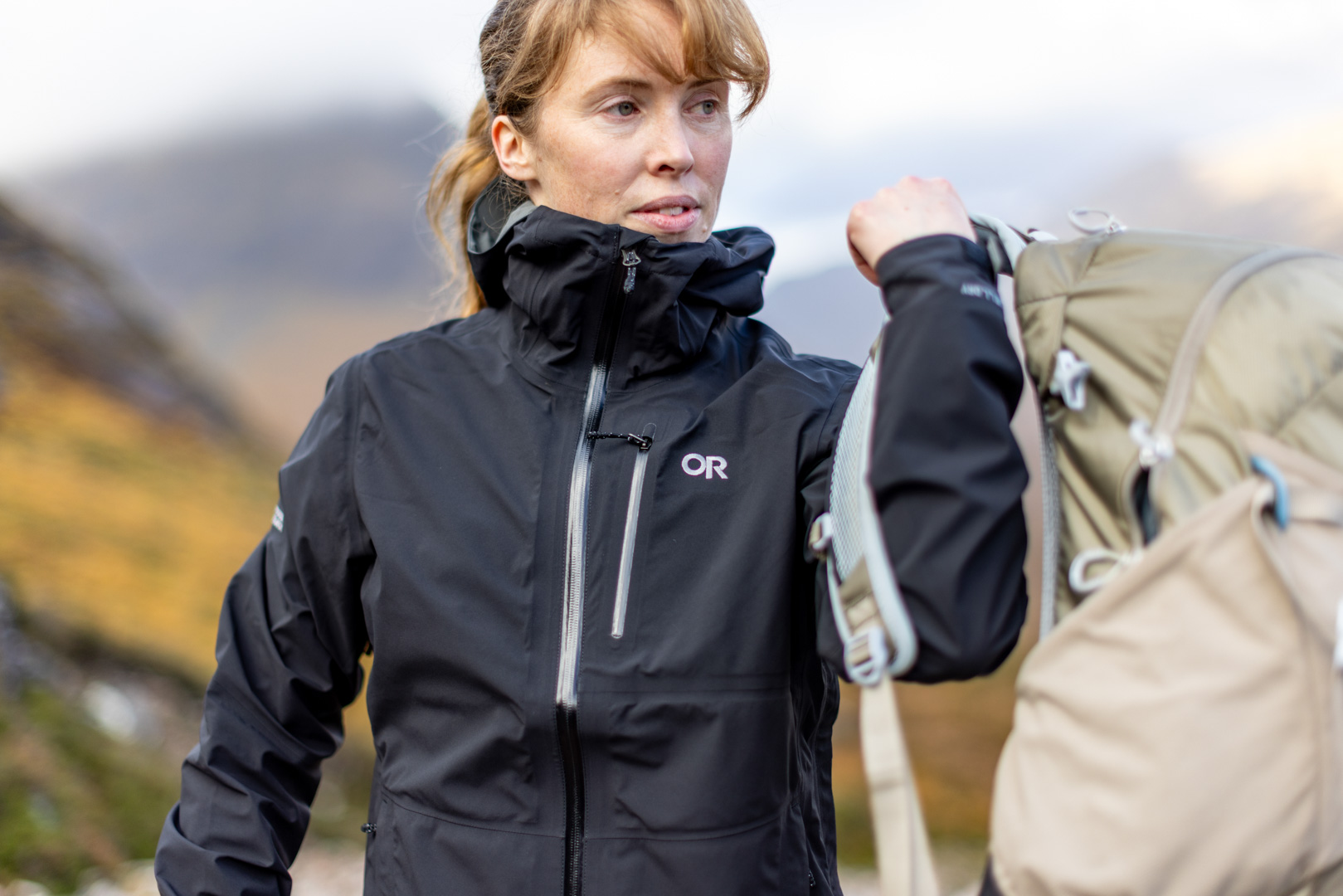
10. Outdoor Research Aspire 3L Jacket
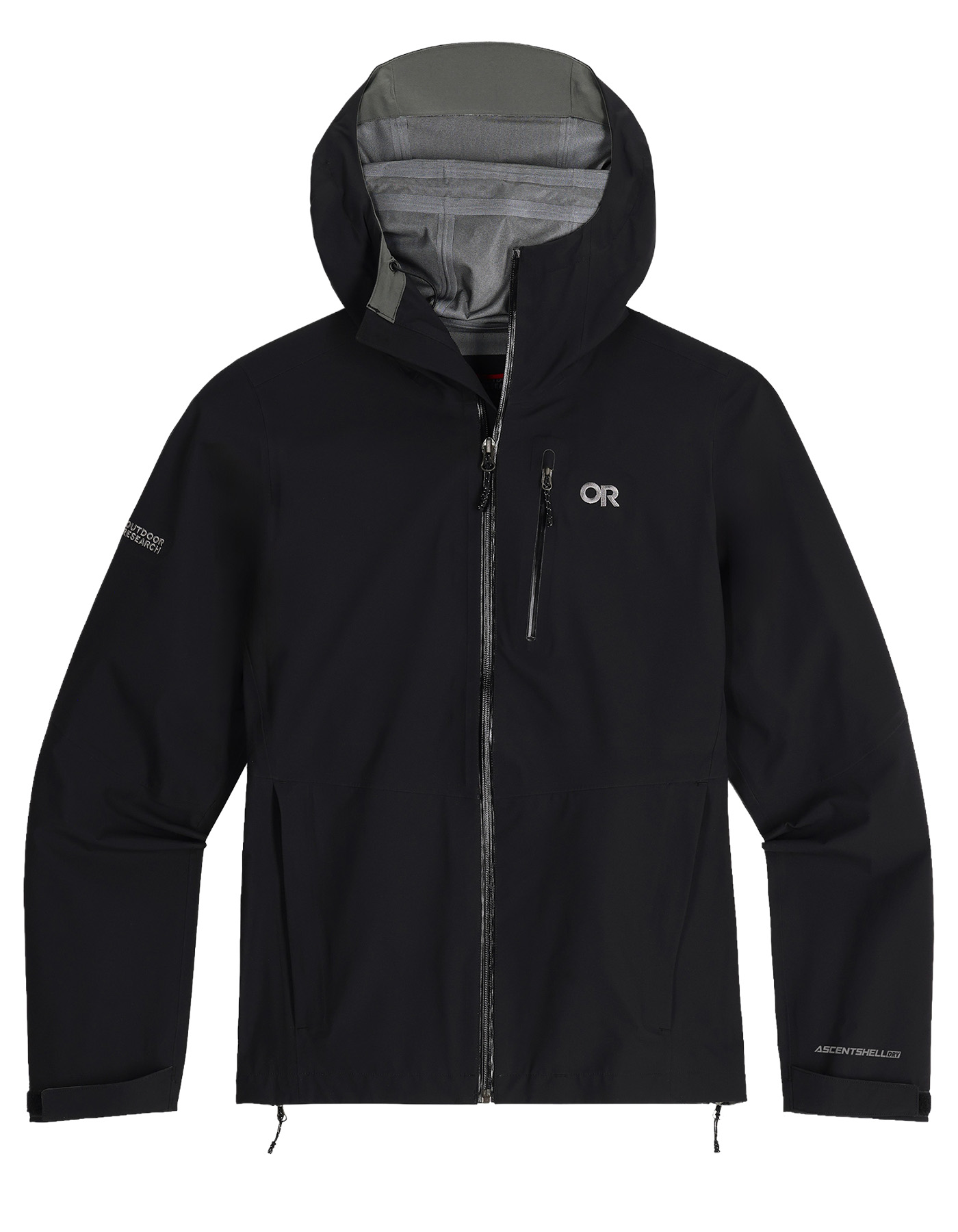
Outdoor Research Aspire 3L
★★★★
Price: from £200
Weight: 416g
Best for: trail running, fast-packing, mountain biking, high exertion outdoor activities
Pros: durable, very well-ventilated, packable, flexible fit, robust design, both waterproof and breathable
Cons: not ideal for casual/ slower-paced hiking, zip tags under the arms could be larger
Why is it good?
The Outdoor Research Aspire 3L is made with a three-layer, 100% recycled nylon shell that has a level of flexibility that’s great for running, as well as other high exertion outdoor activities. According to our tests in the Scottish Highlands earlier this year, OR’s proprietary ‘AscentShell’ material felt very breathable when on the move and provided a high level of protection in heavy rain. The flexible material allows for excellent freedom of movement with three really useful adjustability points at the hem, the cuffs and the hood. The large ventilation zips were also a big highlight.
What could be better?
If you are going to be standing around for longer periods of time, then we’d recommend opting for a heavier duty waterproof. For easier use of the pit zips, the zip tags could also be larger.
Our thoughts on the women’s fit:
Our tester found the sizing on this jacket true to size and described the fit as “regular/ relaxed”. In that sense, it’s not a particularly shaped fit. She also said that “the flexible material allows for excellent freedom of movement.”
Our overall verdict:
Overall, this jacket has a simple, robust design with only the essentials. While minimalist, it doesn’t compromise on weather protection and breathability, and we’ve found it has everything you’d need for more active pursuits.
Read our full Outdoor Research Aspire 3L review.
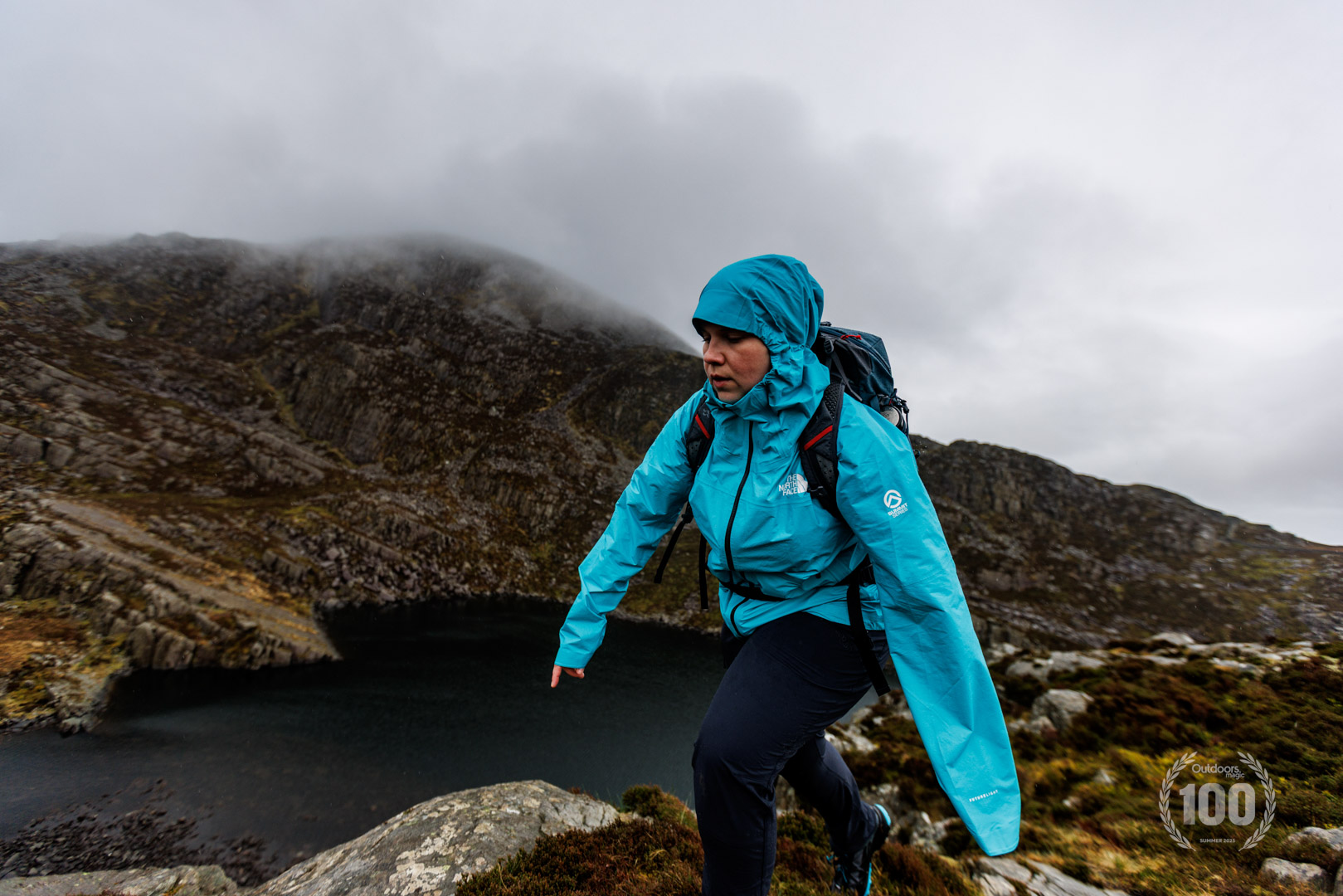
11. The North Face Summit Papsura Women’s Jacket
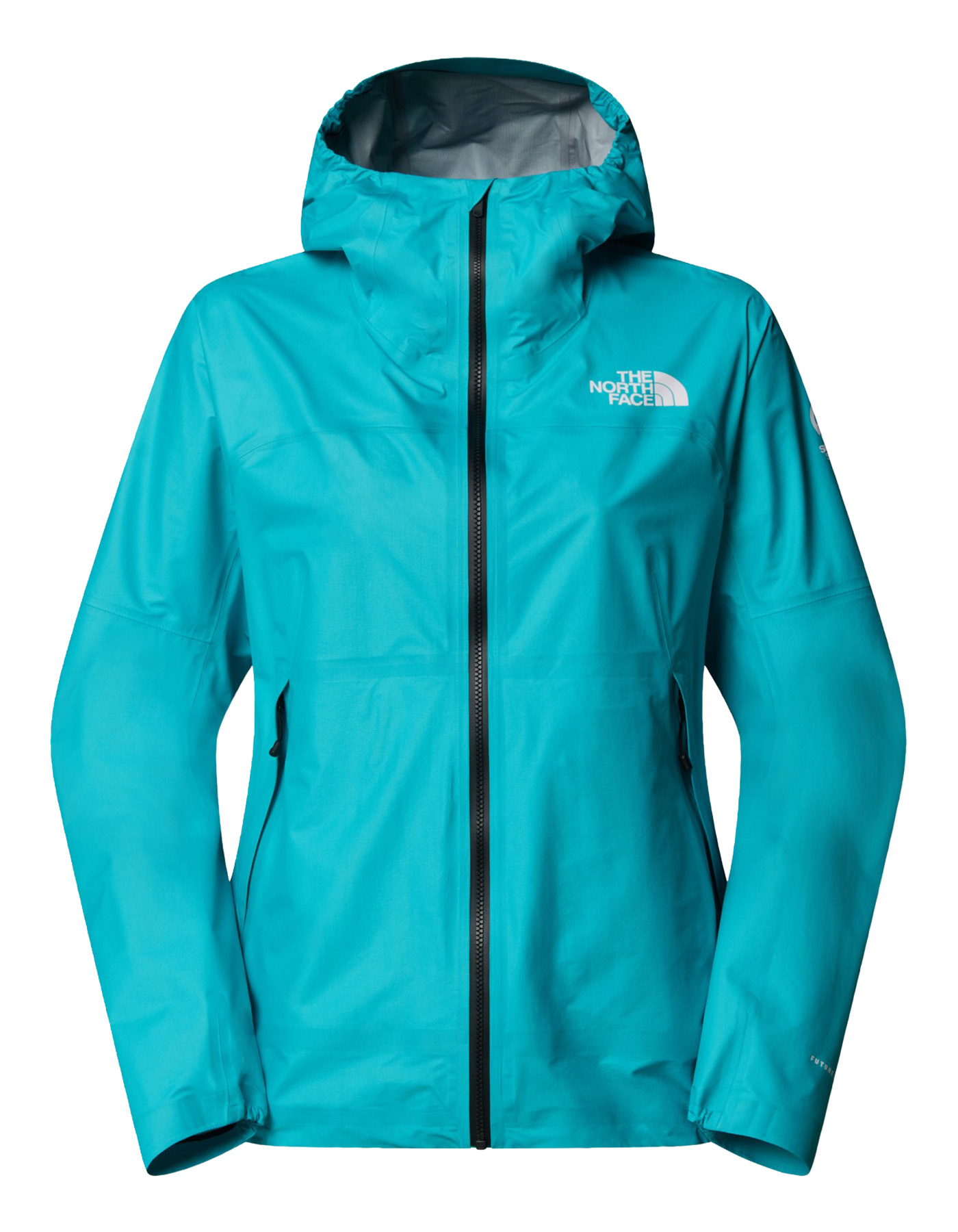
The North Face Summit Papsura
★★★★
Price: £360
Weight: 200g
Best for: fast and light hiking, adventures in the high alpine
Pros: stretchy and super breathable fabric, extremely lightweight, good sustainability factors
Cons: very pricey, overkill for most hikers, thin fabric, minimalist features
Why is it good?
At 200g, the Papsura jacket weighs about the same as an apple. And it packs down to almost that size too. It’s geared towards alpinists who like to move fast and light through the mountains, and so far, we’ve found this to be true. During our tests, it has excelled best on those hikes where you’re really working up a sweat and aren’t taking too many breaks along the way. The alpine-friendly features have been really useful too, and we really like TNF’s Futurelight membrane technology. It’s lightweight and breathable, and uses a 100% recycled nylon fabric and a PFC-free DWR.
What could be better?
As with many ultralight jackets, there’s trade-offs in terms of robustness and therefore durability. The face fabric is thin, and therefore light, but it’s not the kind of thing we’d use on longer and rougher backpacking trips, for instance. The design is also very minimalist, with no pit zips and limited adjustability.
Our thoughts on the women’s fit:
Our tester liked the fit here and described it as true to size. She said, “I like the standard fit – it allows room for your body to breathe and can fit a lightweight fleece underneath. There are also no shoulder seams, creating less bulk and less chance of niggles.”
Our overall verdict:
All in all, this is an impressive jacket with highly technical and specialised capabilities. We’ve found it to be a highly breathable outer layer so far, with good waterproofing abilities, though it’s not the kind of jacket we’d use in rough terrain.
Read our full The North Face Summit Papsura review.
How To Choose A Women’s Waterproof Jacket
When choosing the right women’s waterproof jacket, we’ve found that it’s important to consider the type of activity or activities you’ll be needing it for and the environments and seasons you’ll be using it in.
Related: Best Gifts for Hikers
For Munro bagging in the Highlands for instance, the best waterproof jacket will be one that’s tough and able to cope with very wet weather and cold temperatures, whereas if you need something for trail running in Spain during summer, then you’ll want something that’ll keep the rain out but that will be light and packable as it will probably remain in your bag for the duration.
In assessing the suitability of a particular rain jacket, the main factors you want to consider are weight, packability, durability and most importantly, the levels of weather protection and breathability.
There are many different types of waterproof fabrics out there, including Gore-tex, Futurelight, Pertex Shield and Demizax. These all have various advantages and disadvantages over each other, particularly when it comes to breathability. To gain an understanding of the breathability of a jacket before you buy it, it’s worth assessing the MVTR. That’s the moisture vapour transmission rate. With this, the higher the figure, the more breathable the jacket. Ideally look for anything with an MVTR of over 20,000.
Related: Best Down Jackets for Women
Related: Best Women’s Walking Boots
Technical features worth considering, and that we have addressed in these reviews, are how well the hood holds (if it lifts off at the slightest bit of wind it can be useless), pocket options and whether any of them will hold an OS map, how the zips are protected (if they’re not waterproof is there at least a storm flap?), and also adjustment options on the hem, neck and cuffs.
There’s also the fit. Baggy and loose means ventilation and also gives the options for layering underneath, whereas a close trim can be more aerodynamic in strong winds and can also offer a lower weight overall.
How to Look After Your Waterproof Jacket and Make it Last Longer
Not so long ago, nearly all waterproof jackets came treated with a durable water repellent (DWR) containing strong, persistent chemicals called PFCs. These chemicals helped the outer fabric on waterproof jackets to bead away water, keeping the material dry, preventing saturation and ultimately maintaining the overall breathability and humidity within the shell. The problem with these chemicals, however, is that they’ve been found to be bad for the environment and potentially human health too and, as such, brands are moving away from using them in order to enhance their overall sustainability.
Nikwax Waterproof Clothing Care Kit
★★★★★
While this is good for the environment, many would argue that eco-friendly replacements for these PFC-free DWRs just aren’t up to scratch and jackets are now becoming saturated at a much faster rate than they used to. There’s a solution to this however, and it comes in the form of home reproofing products – those offered by Nikwax being a good example. With the UK brand’s TX.Direct solutions, you can restore your jacket’s water resistant coating over and over again, simply by adding it to a cycle in your washing machine or applying one of their sprays.
Here’s OM editor Will’s quick video walk through showing how to reproof your jacket at home.