This article was originally published on our sister title Active Traveller’s website by Roger Fulton at this URL.
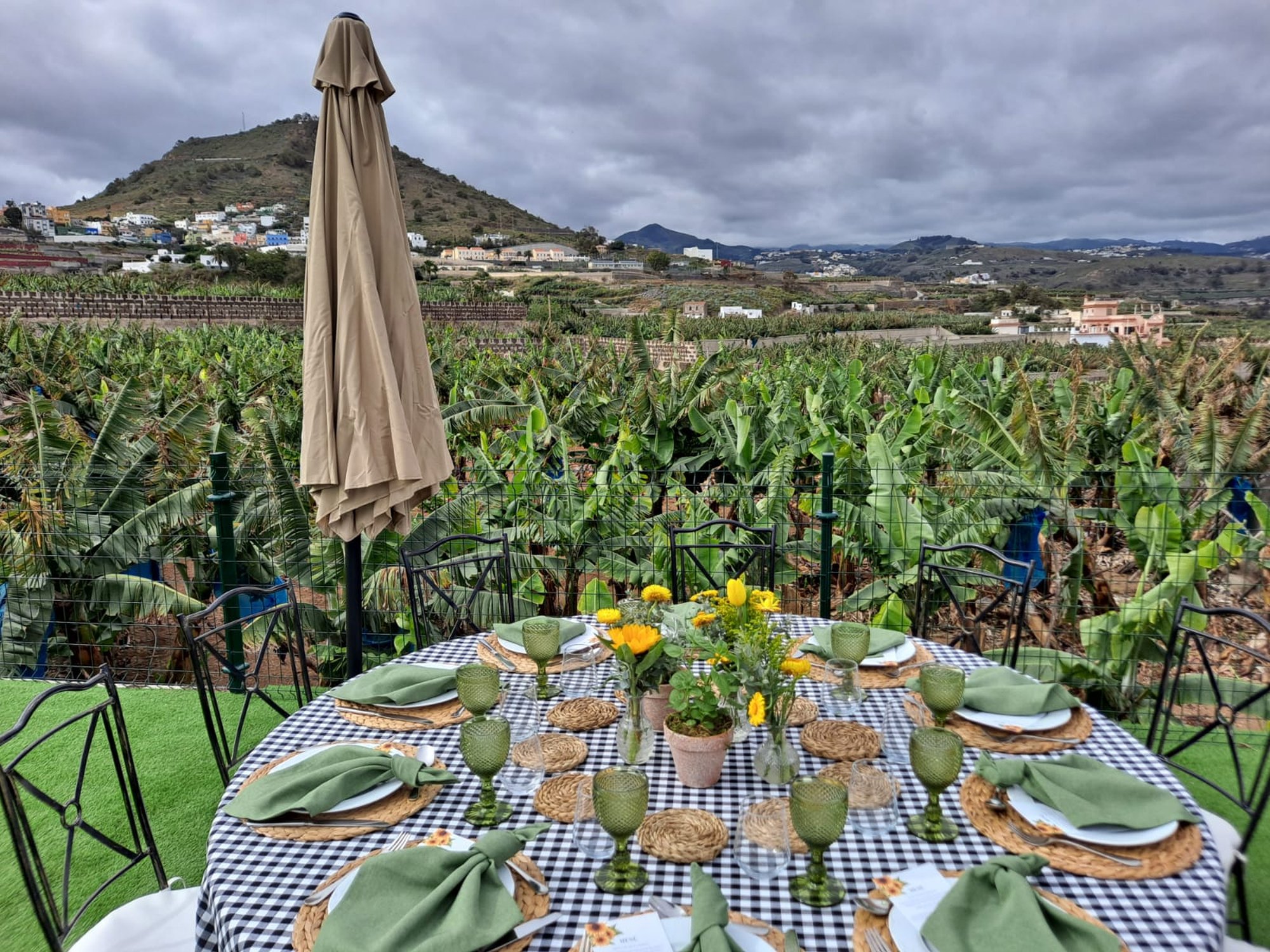
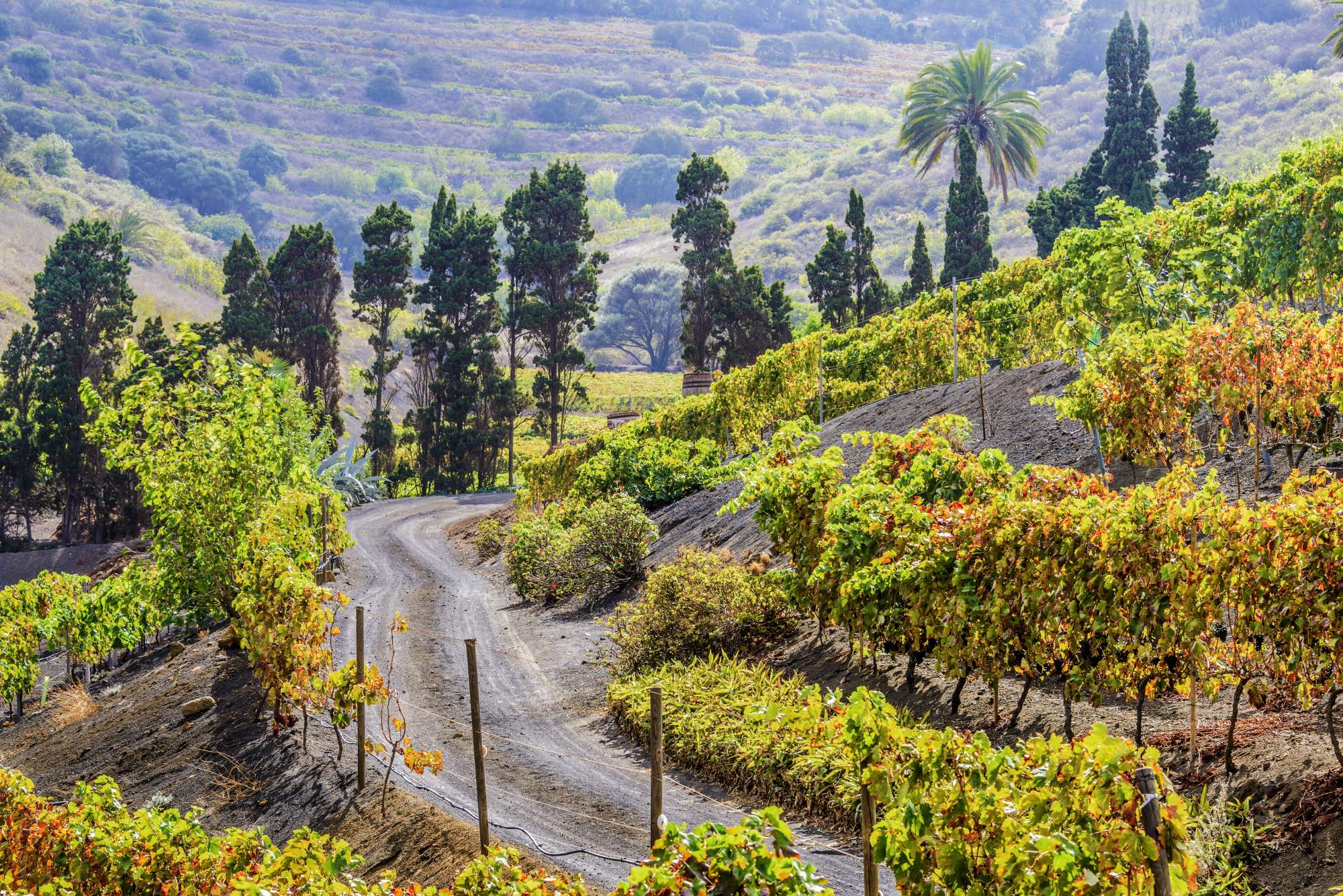
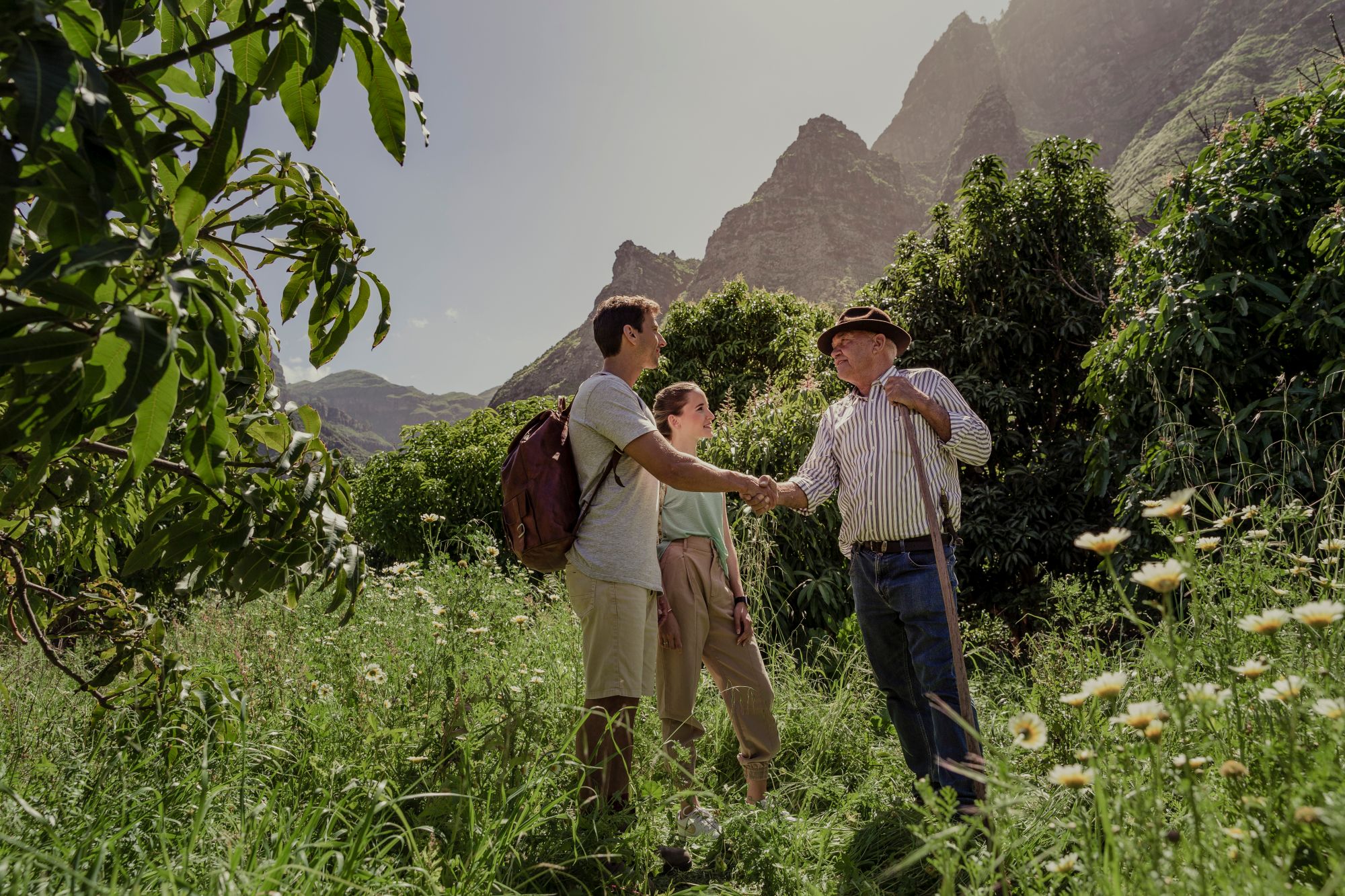
It’s said that to really get to know a holiday destination you’ve got to slow down, get out of your car and onto a bike. Better still, take the even slower road and walk. And when you’ve walked, eat. But not just the food you’d eat at home. Rather the food you’d eat in someone else’s home. From fresh-baked rustic bread to wine straight from a local vineyard.
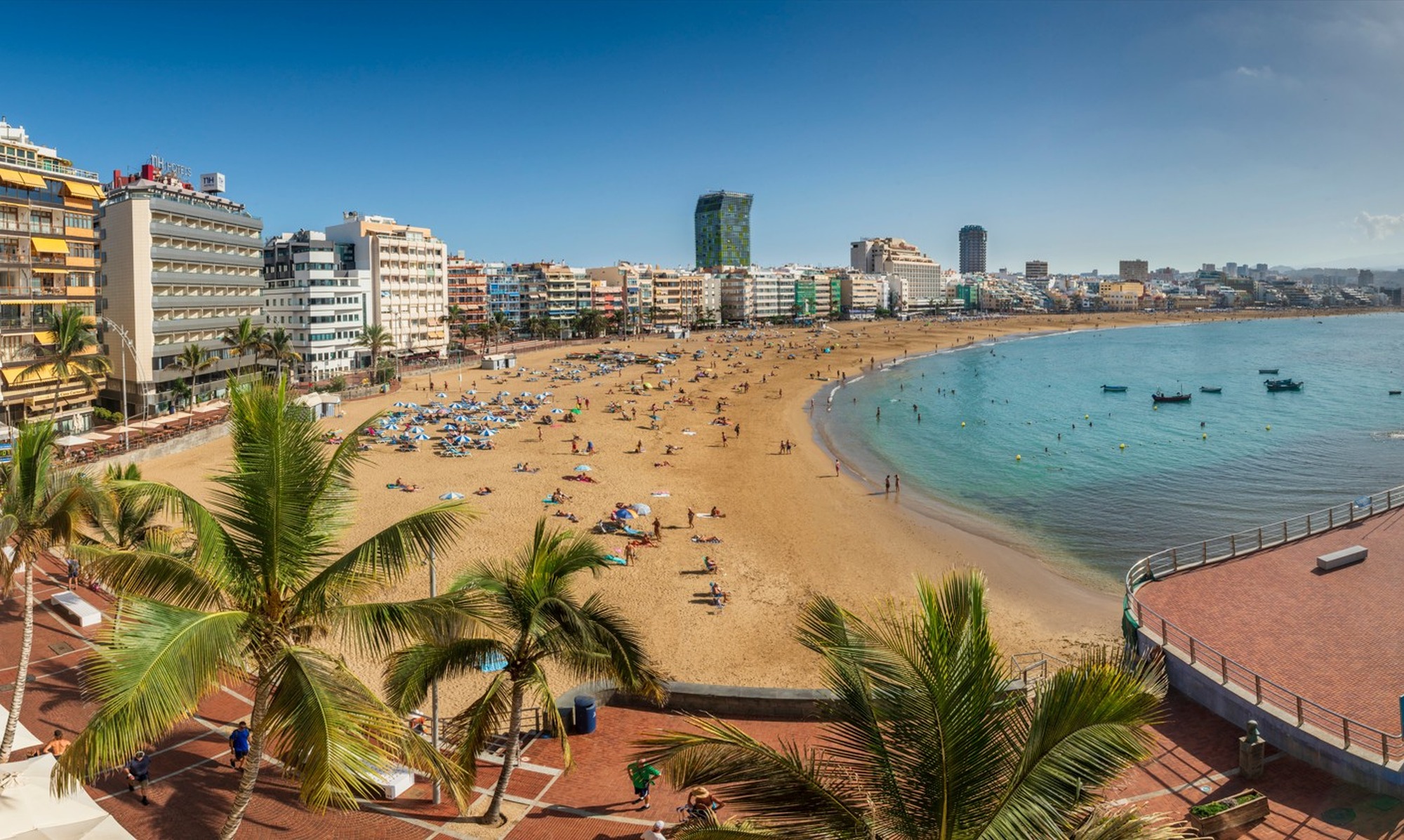
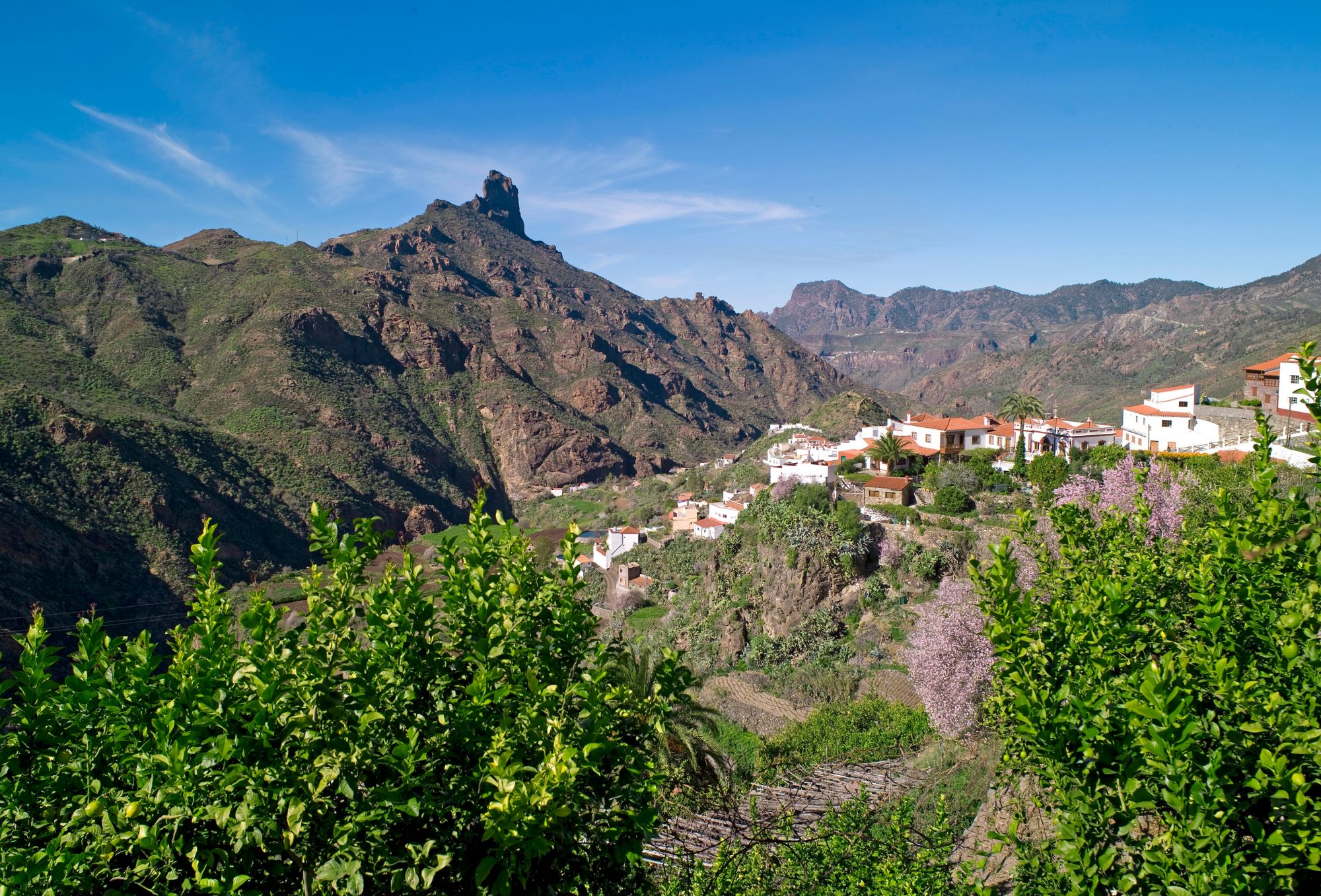
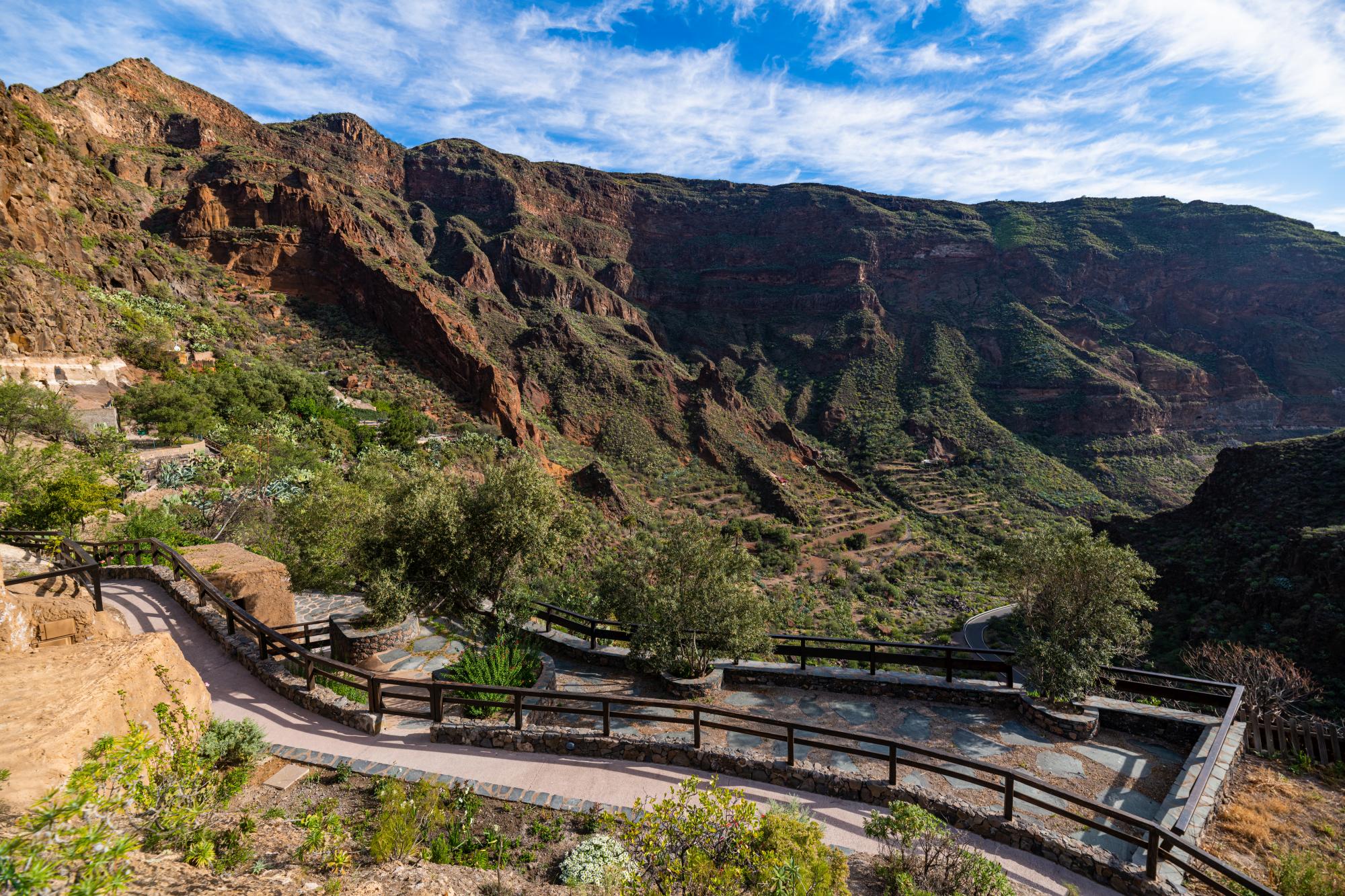
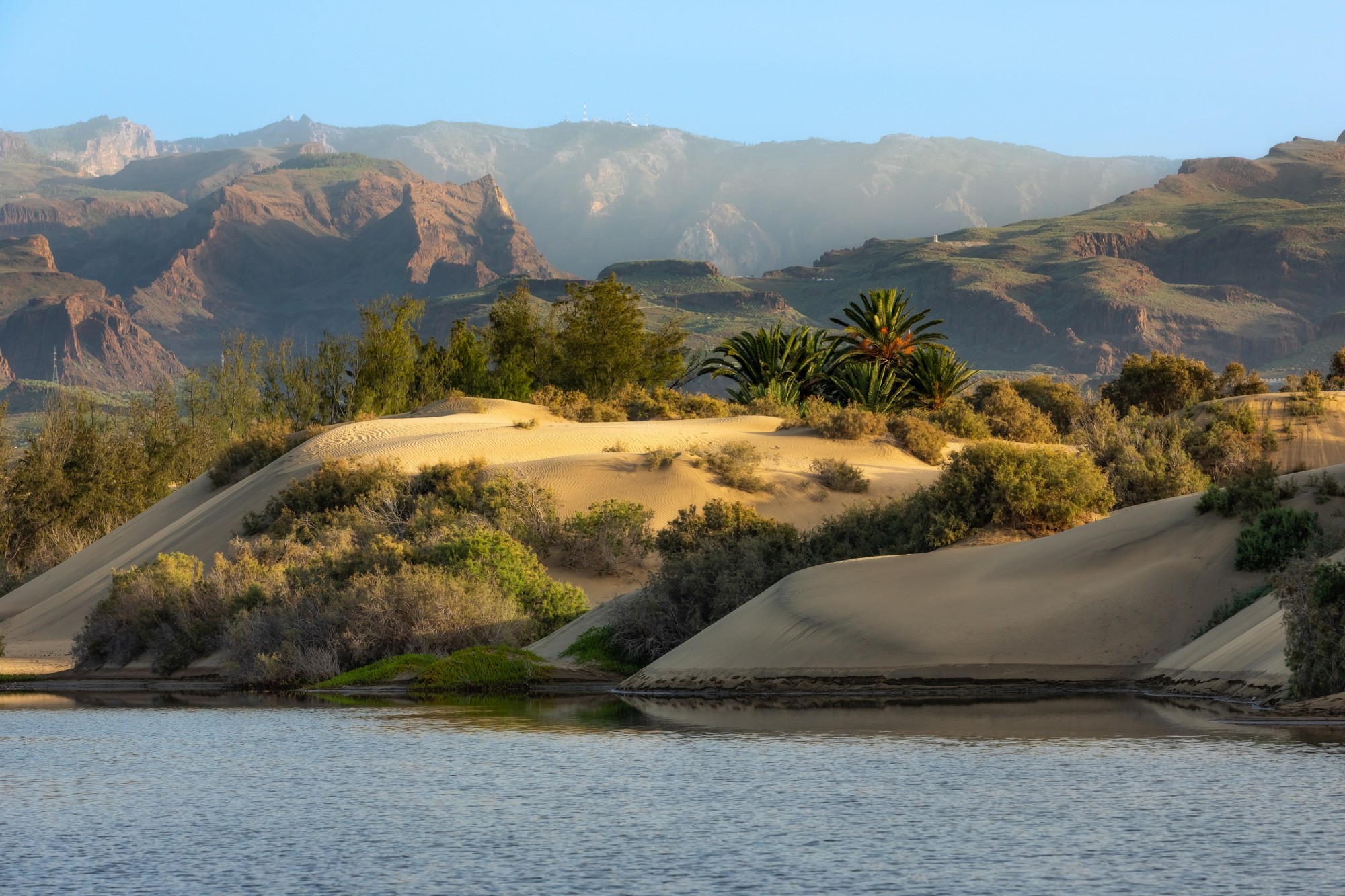
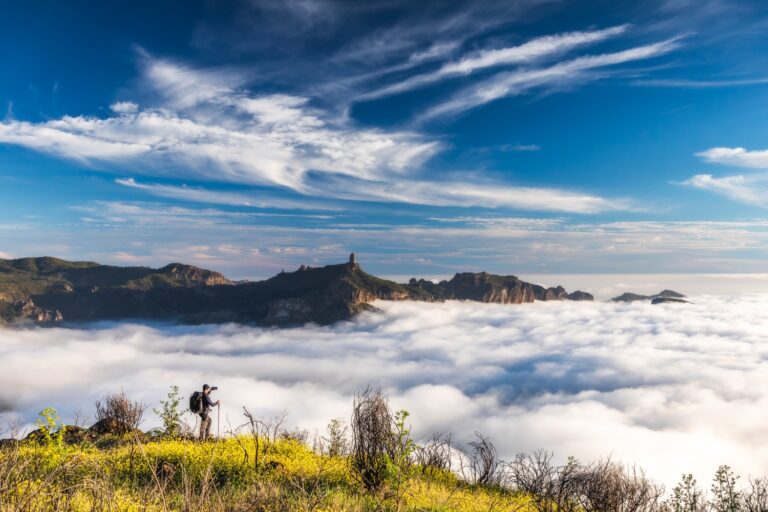
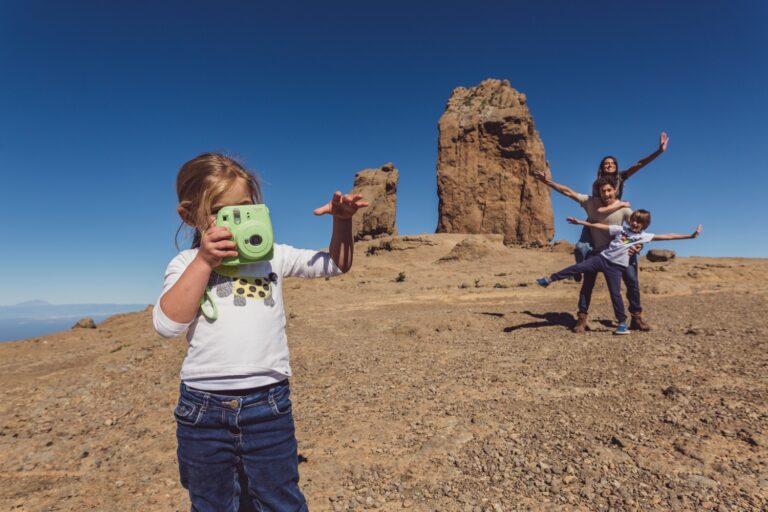
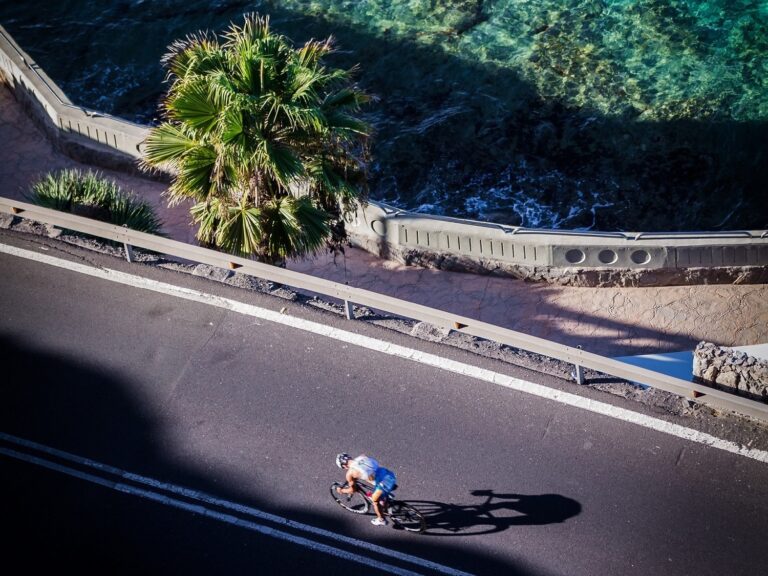
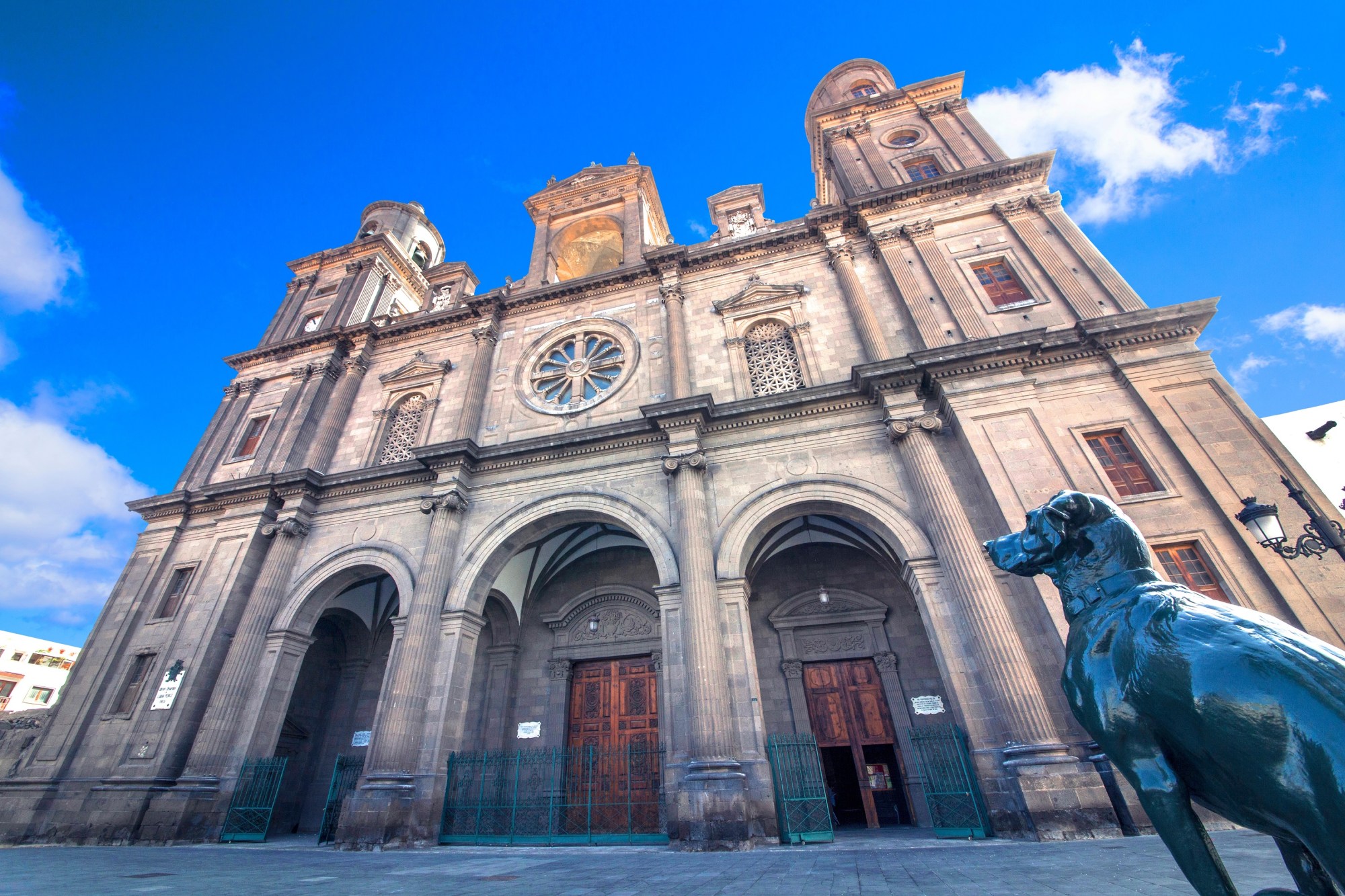
Gran Canaria is perfect for this. It may not be the biggest of the Canary Islands, but from the bustling capital, Las Palmas de Gran Canaria, to the sand dunes in the south and volcanic mountainous terrain around the Pico de las Nieves, the island has a vast array of different paths to explore. Walking routes criss-cross the island in a network of well-signposted hiking trails that wind through all of its various landscapes and connect many of the major sights. And its winding mountain roads will take cyclists all the way to the highest points and some of the most fascinating locations.
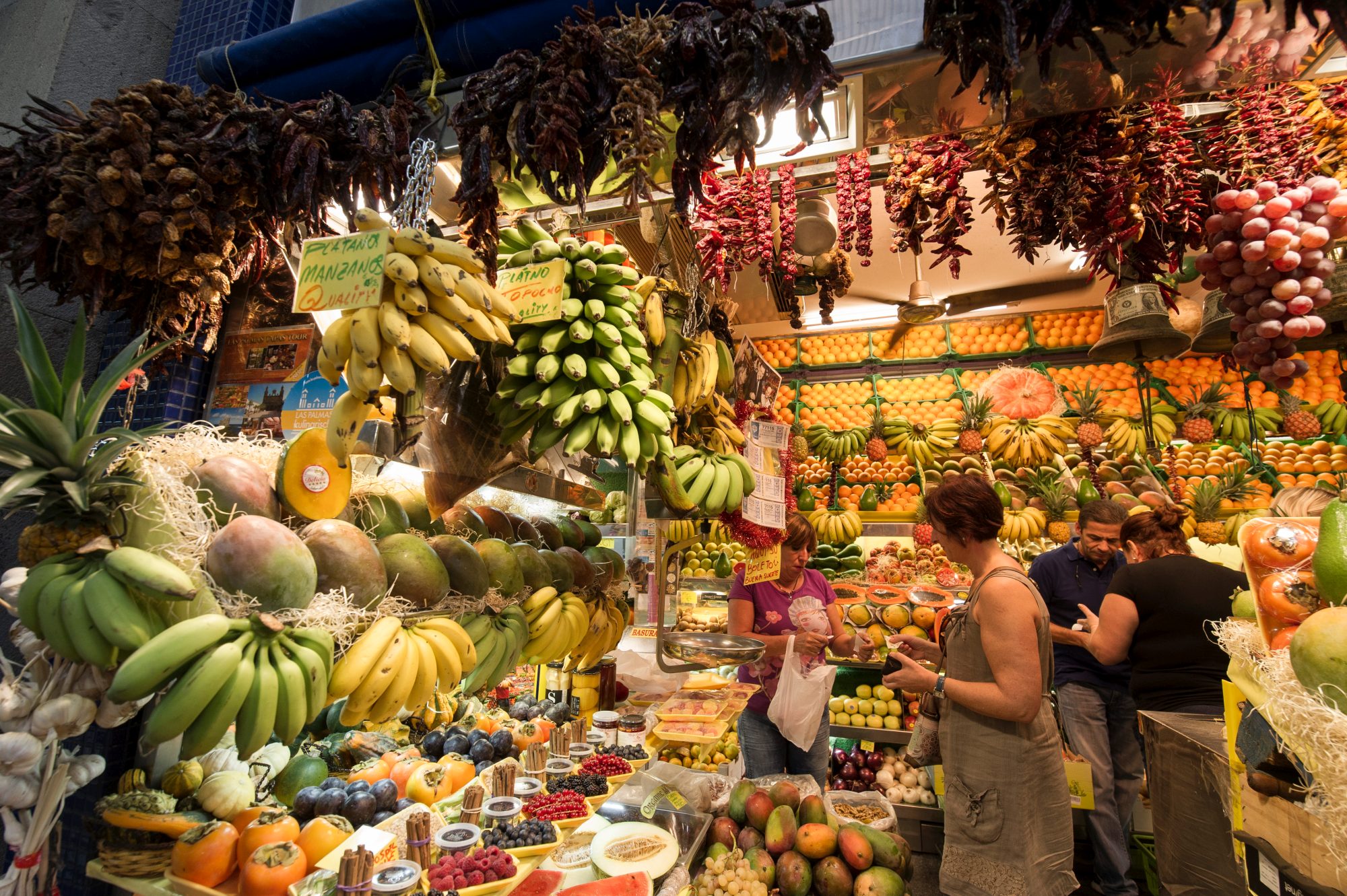
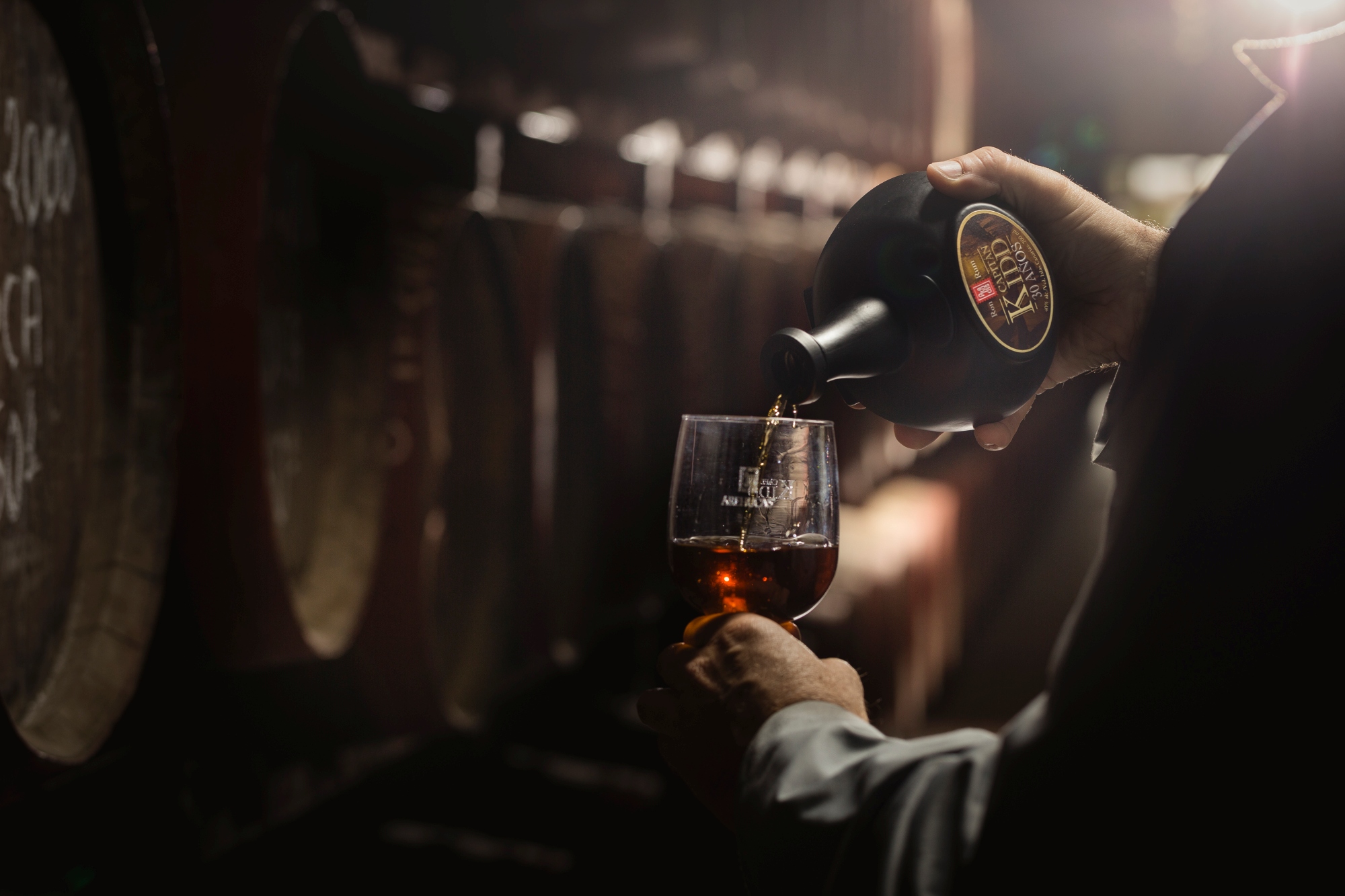
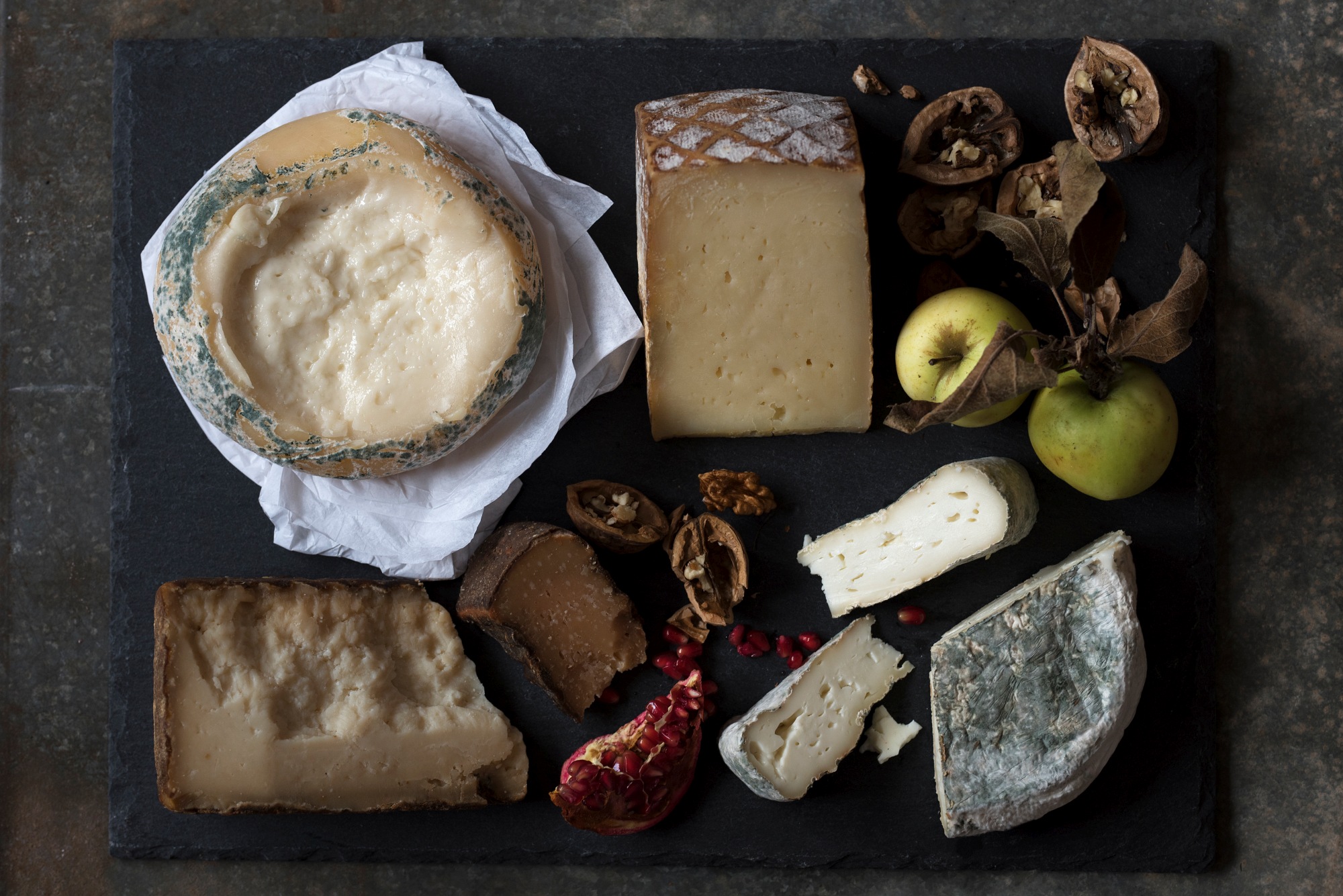
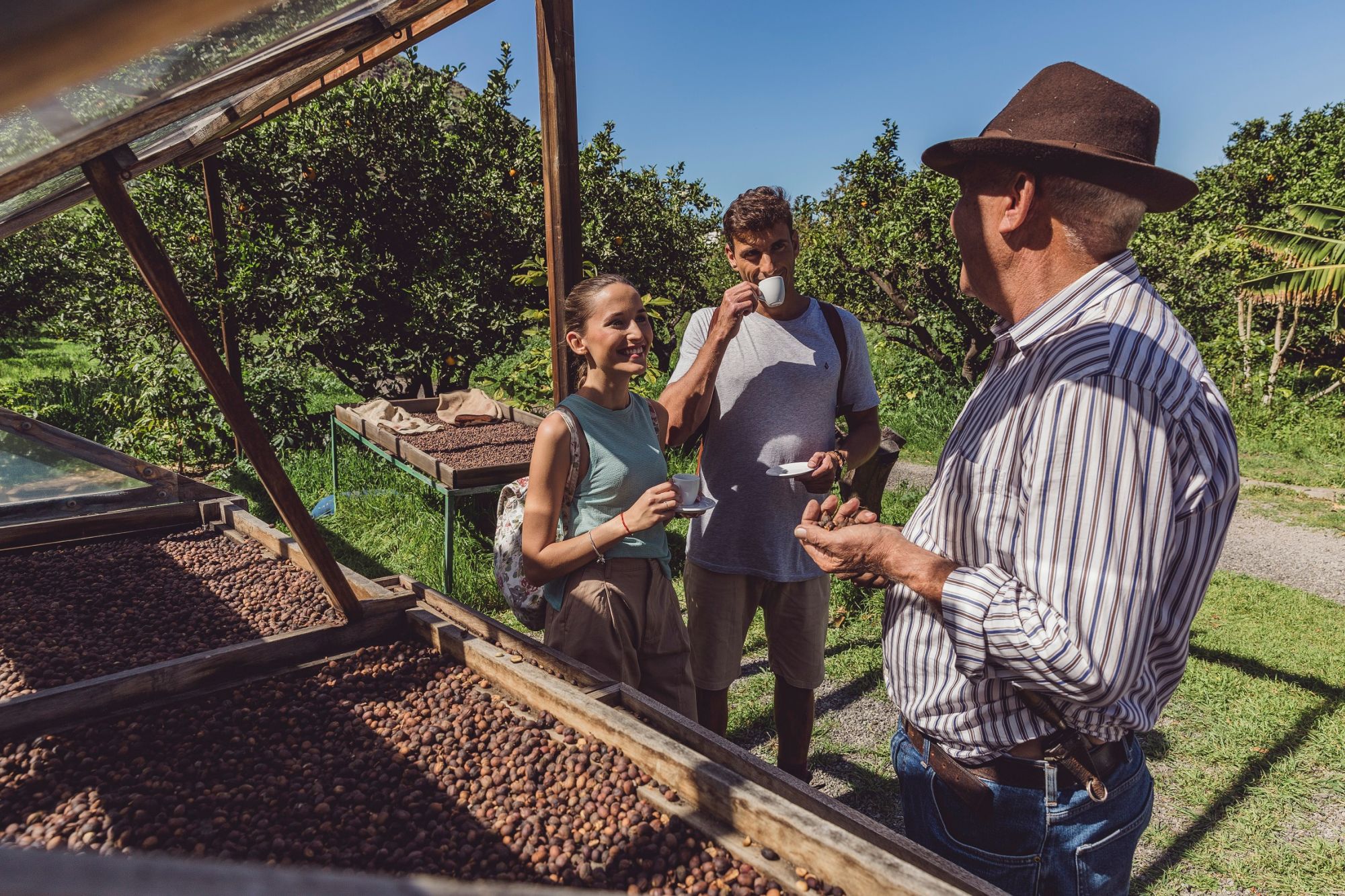
Most importantly, Gran Canaria is excellent for local food, offering a blend of Spanish, African, and Latin American influences based on fresh, volcanic-soil produce and seafood. Must-Try Dishes include papas arrugadas (wrinkled potatoes) with spicy/herby mojo sauces, ropa vieja (stewed meat/chickpeas) and artisanal cheeses, while parrotfish, sama, octopus, and lapas (grilled limpets with mojo) are staples in coastal towns. Try bienmesabe (a popular dessert made of almond cream, honey, egg yolk, and lemon zest). Sample coffee from the Agaete Valley and local rum from the Arehucas Distillery.
Related: Adventure Itinerary | Explore Gran Canaria’s Rich Culture
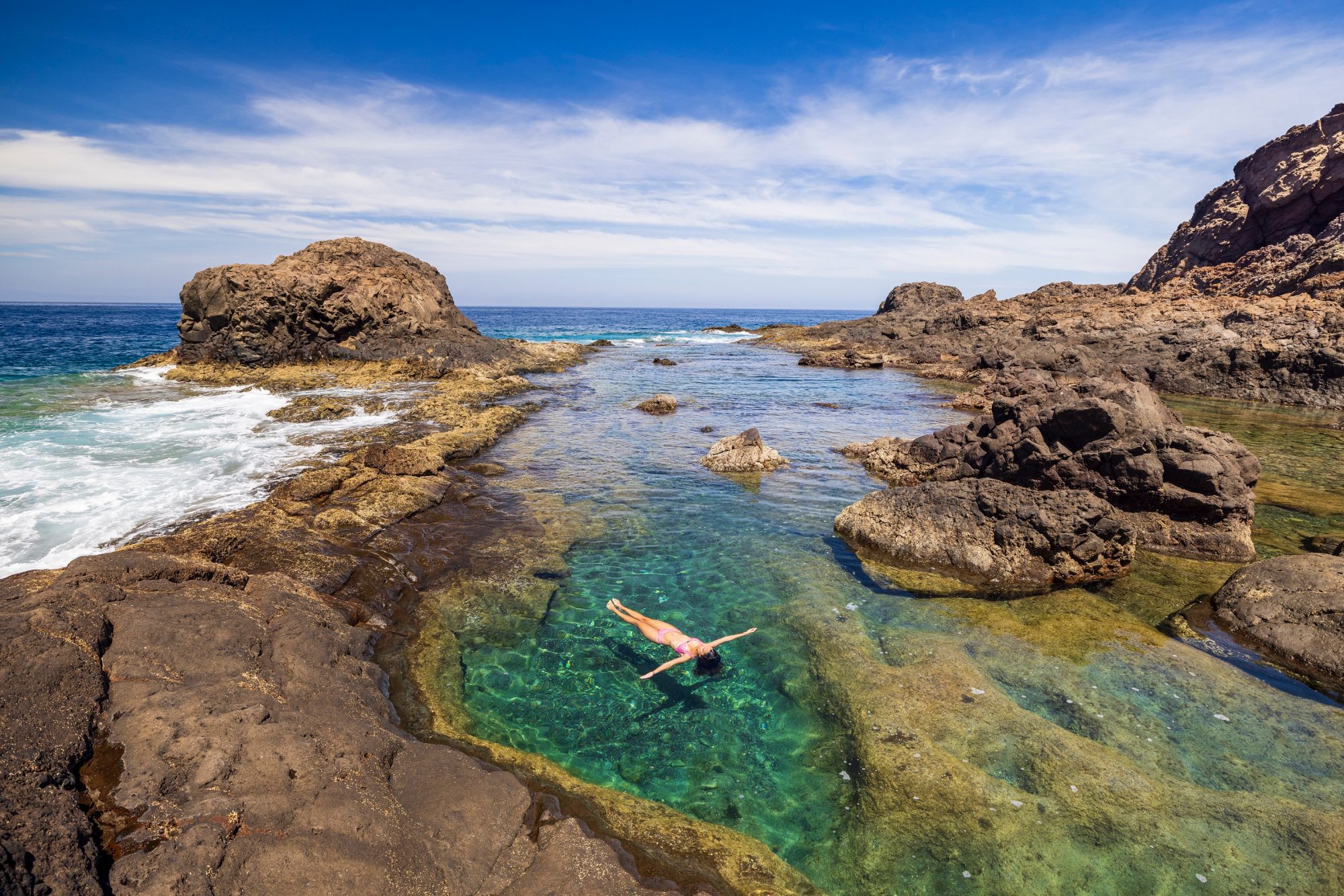
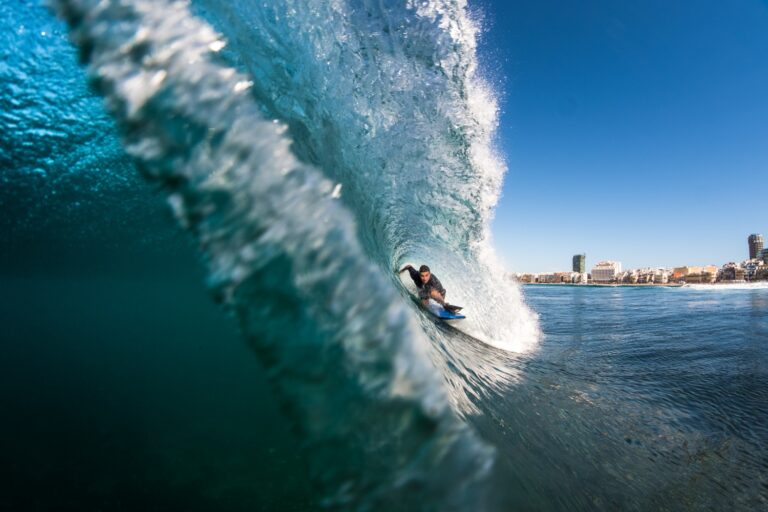
Related: Watersports in Gran Canaria | Six of the Best Aquatic Activities
For authentic dining experiences look for bochinches (informal, family-run restaurants) or local markets, especially in the northern part of the island.
And with Gran Canaria enjoying average temperatures of 24°C all year round, it’s a great destination whatever the season, although the main cycling and hiking season is from the start of October until the end of April, when most of the summer tourists have departed.