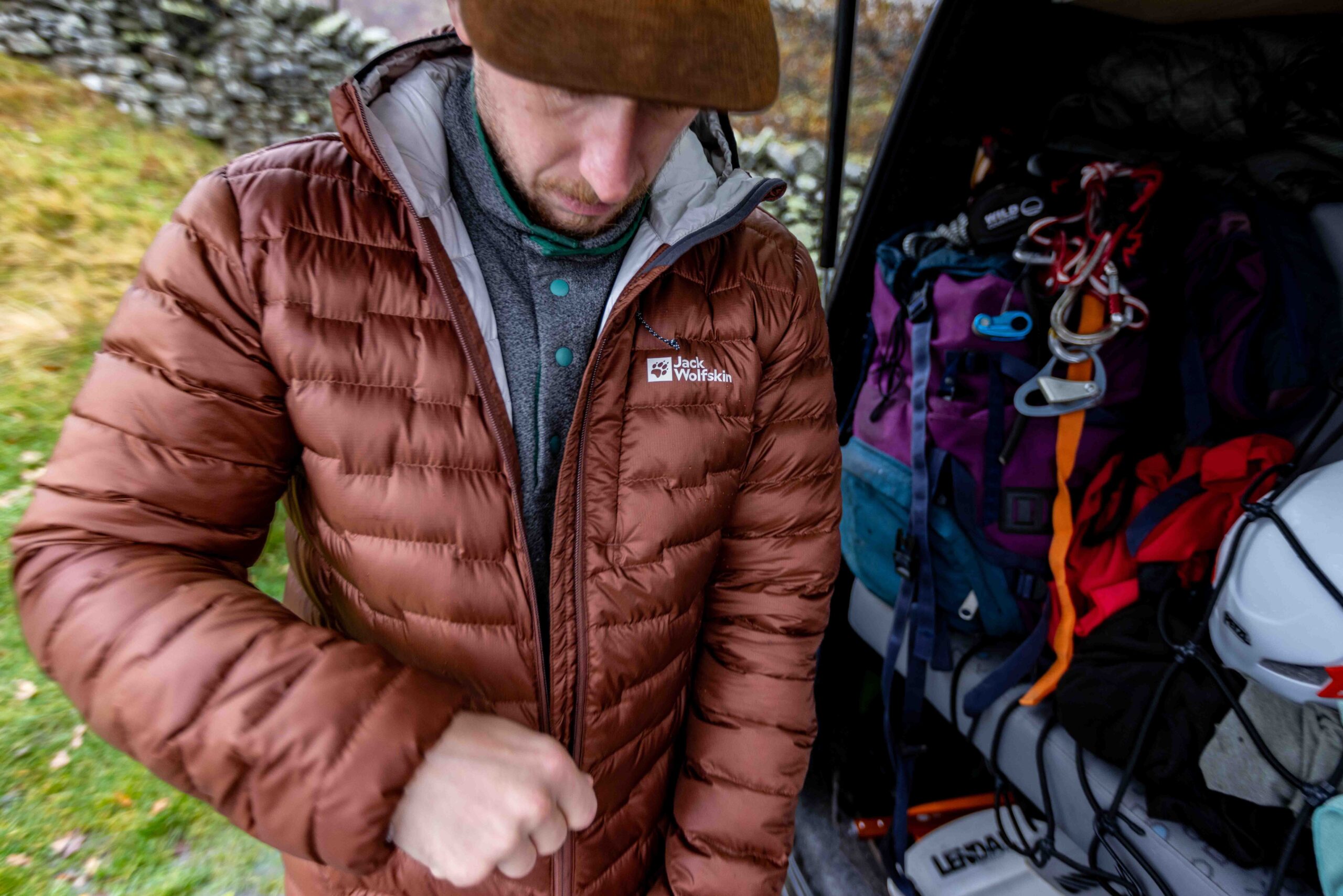
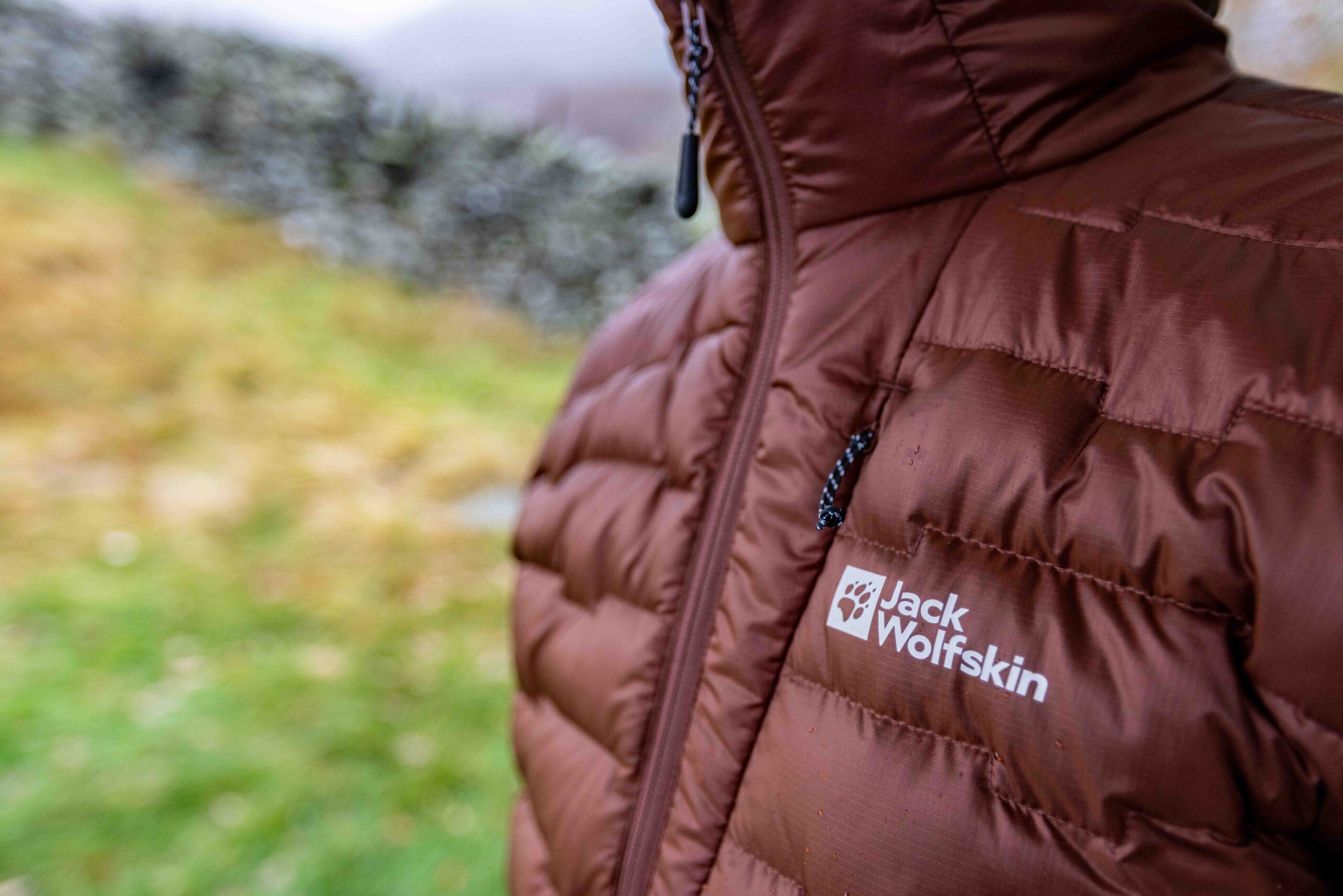
The outer fabric, Pertex Quantum Air, feels pretty tough. It’s soft to the touch without feeling flimsy or crinkly, and it’s stood up well to everyday abuse. Mud from carrying my muddy border terrier over stiles has dried quickly and brushed off without leaving marks, and I haven’t experienced any snags or tears so far. It’s not indestructible – no lightweight down jacket is – but it feels robust enough for regular hill use.
Warmth
In terms of warmth, I’d say the Passamani is best thought of as an active-use insulating layer rather than something you’d rely on in the depths of winter. It’s well suited to spring and autumn conditions, cooler summer evenings around camp, and for throwing on during stops when hiking in the hills.

I’ve found it comfortable in temperatures down to around 5°C with wind chill when worn over a baselayer, but it’s not something I’d want to rely on in colder conditions without either moving steadily or adding extra layers. Compared to other jackets in this weight class, it’s broadly similar to the Montane Anti-Freeze, and a little cooler than something like the Haglöfs LIM Down Light. The Rab Microlight offers a better warmth-to-weight ratio, but the Passamani feels the more durable of the two.
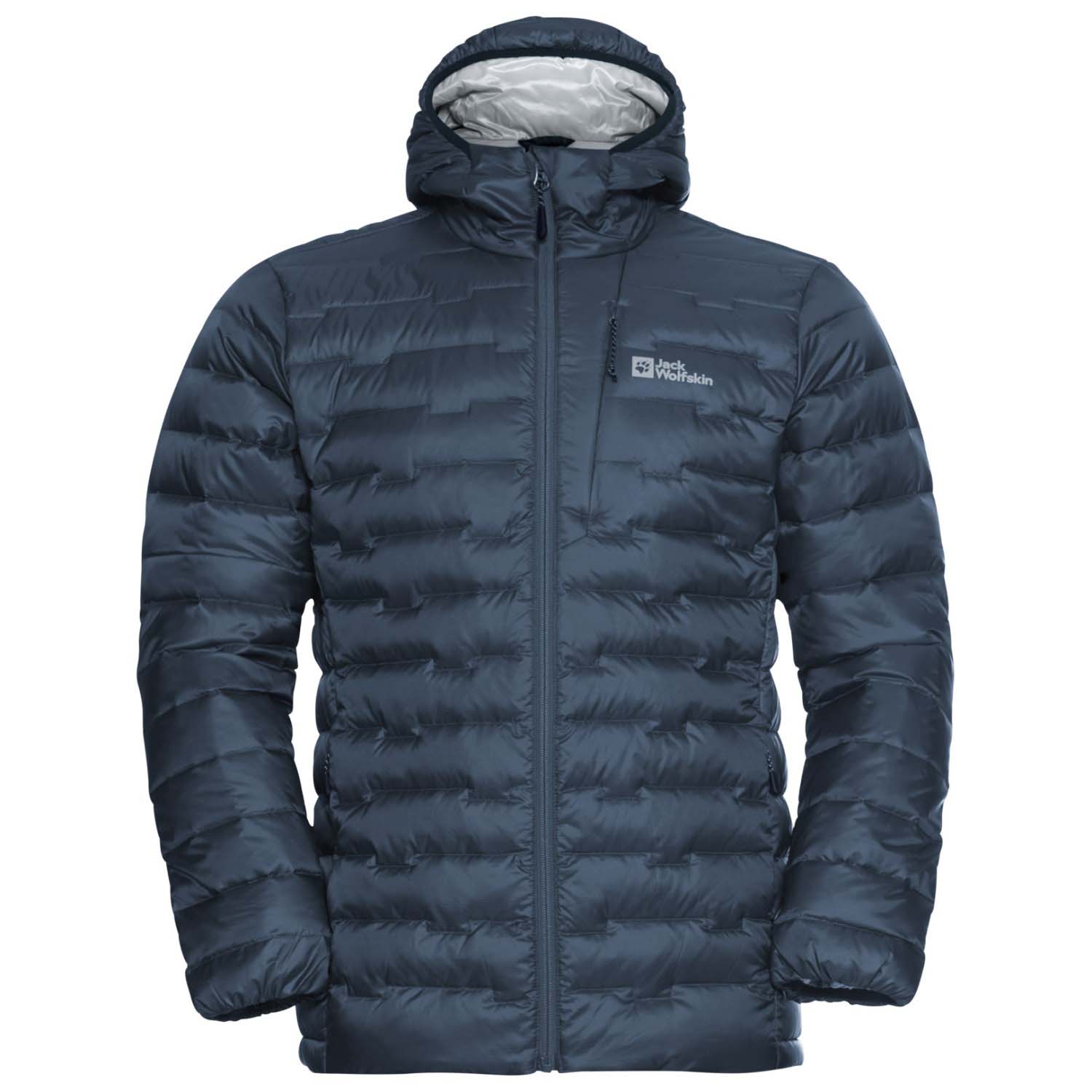
The jacket uses a stitched-through baffle construction which helps keep the profile slim and wearable day to day, but it does mean there’s some inevitable heat loss through the seams. The baffle pattern itself is quite geometric and distinctive – more of an aesthetic choice than a functional one, as far as I can tell, but down distribution has been even, with no noticeable cold spots and no down leakage so far.
Fit
Fit-wise, the Passamani runs slightly on the larger side. I’m 5 foot 10 and usually sit between a medium and a large depending on the brand. I wore this in a size large, but in hindsight a medium would probably have given me a trimmer fit. If you’re often between sizes, I’d suggest sizing down.
That said, the larger fit does make it very easy to layer. I’ve comfortably worn it over a lightweight fleece and even a fairly thick Patagonia Synchilla without any tight spots. It also layers neatly under a Fjällräven Keb Eco-Shell in a size medium and fits well beneath my Montbell Rain Trekker 2.0 – which is a Large that comes up more like a medium.
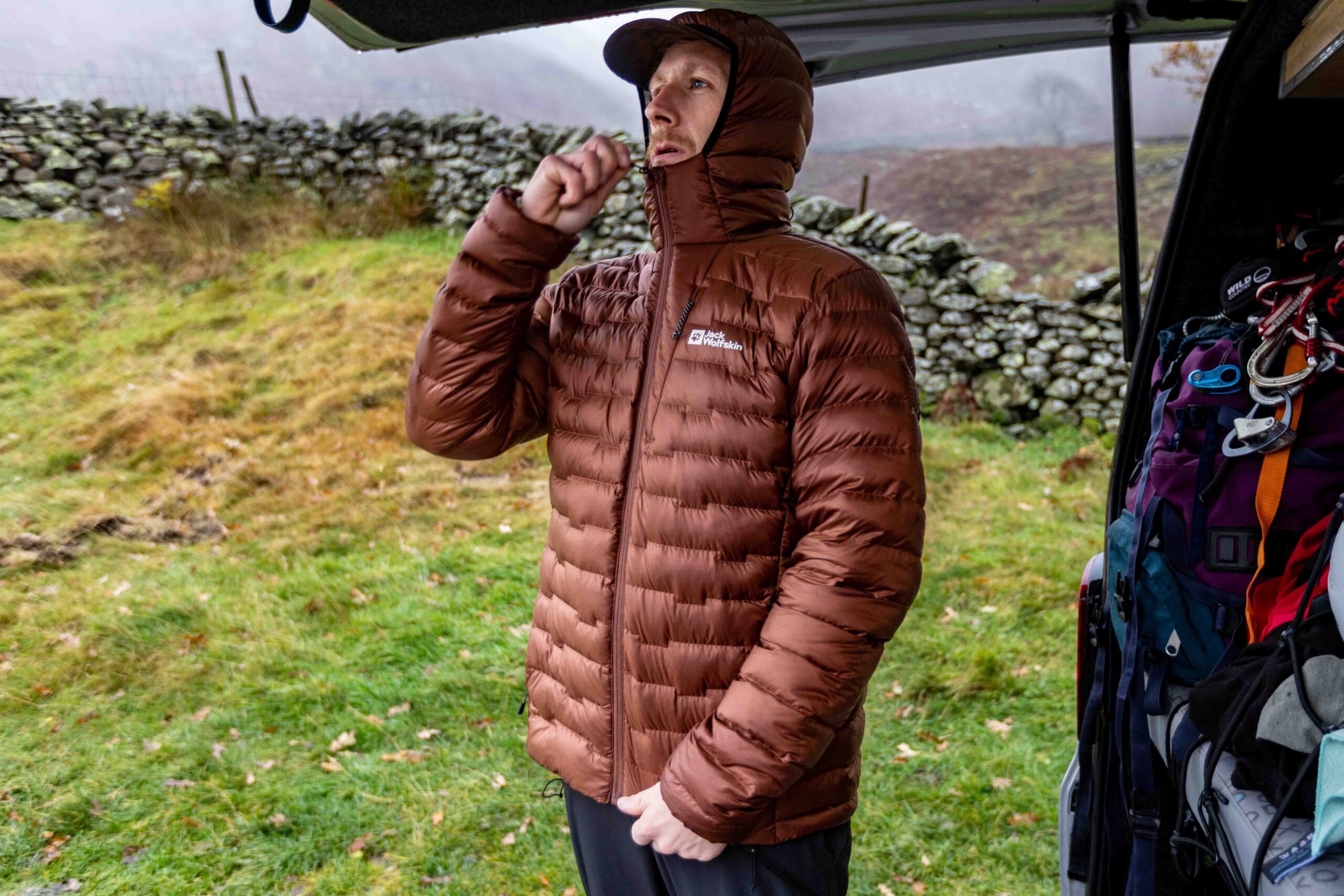
The cut is well articulated, and I haven’t experienced any hem lift when reaching overhead or scrambling. Sleeve and hem length feel well judged for active use.
Features
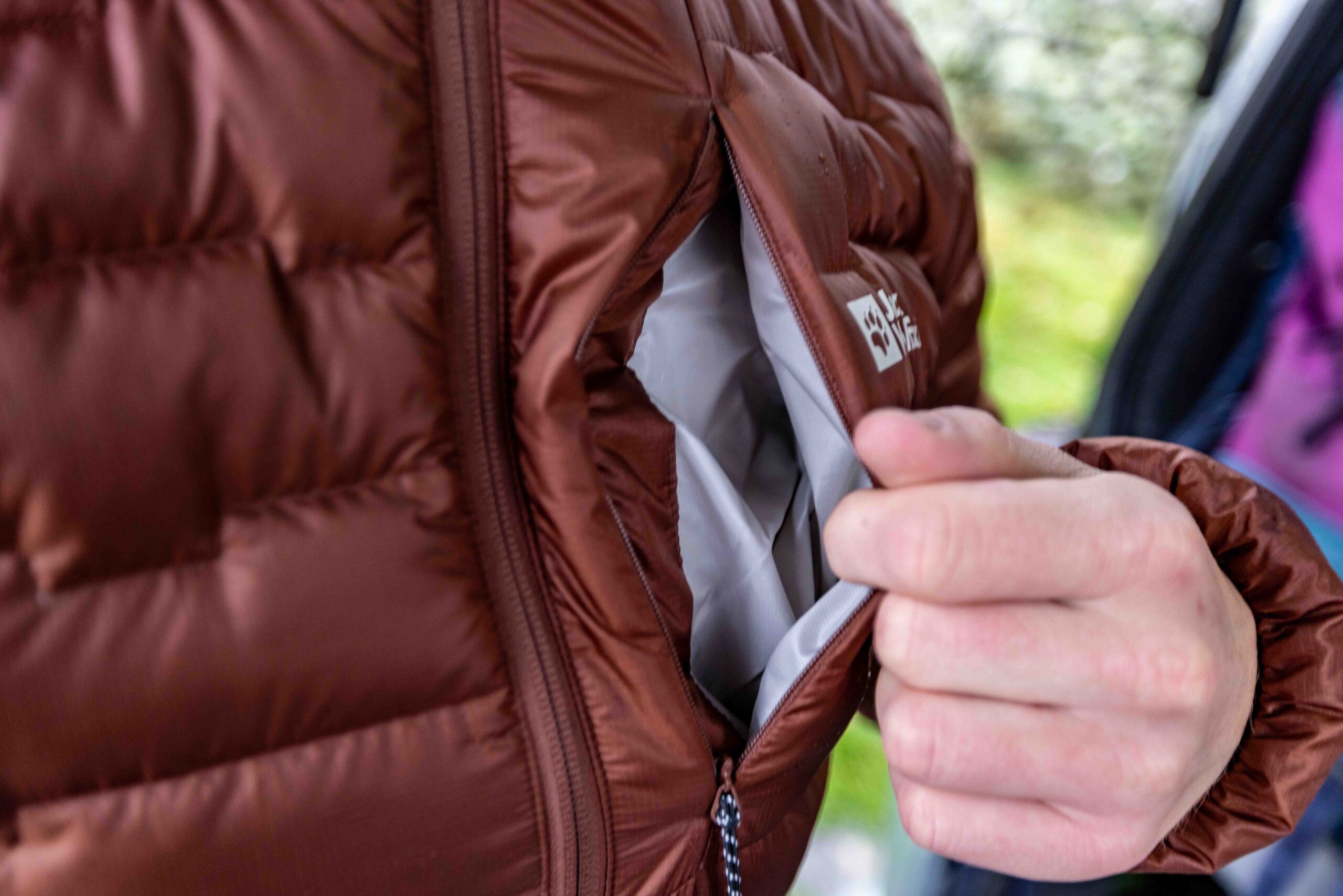
Feature-wise, the Passamani is sensibly specced rather than overloaded. There are two zipped handwarmer pockets, which are comfortable to use and secure enough for valuables, plus a zipped chest pocket that’s ideal for a phone or GPS unit, though it’s too small for an OS map. The hand pockets do sit slightly behind a rucksack hipbelt, but they’re still usable.
The cuffs are simply elasticated, and I found they sealed in warmth well without feeling restrictive. I’ve found I can pull the sleeves over reasonably thick gloves without issue. There’s a drawcord adjustment at the hem to fine-tune the fit.
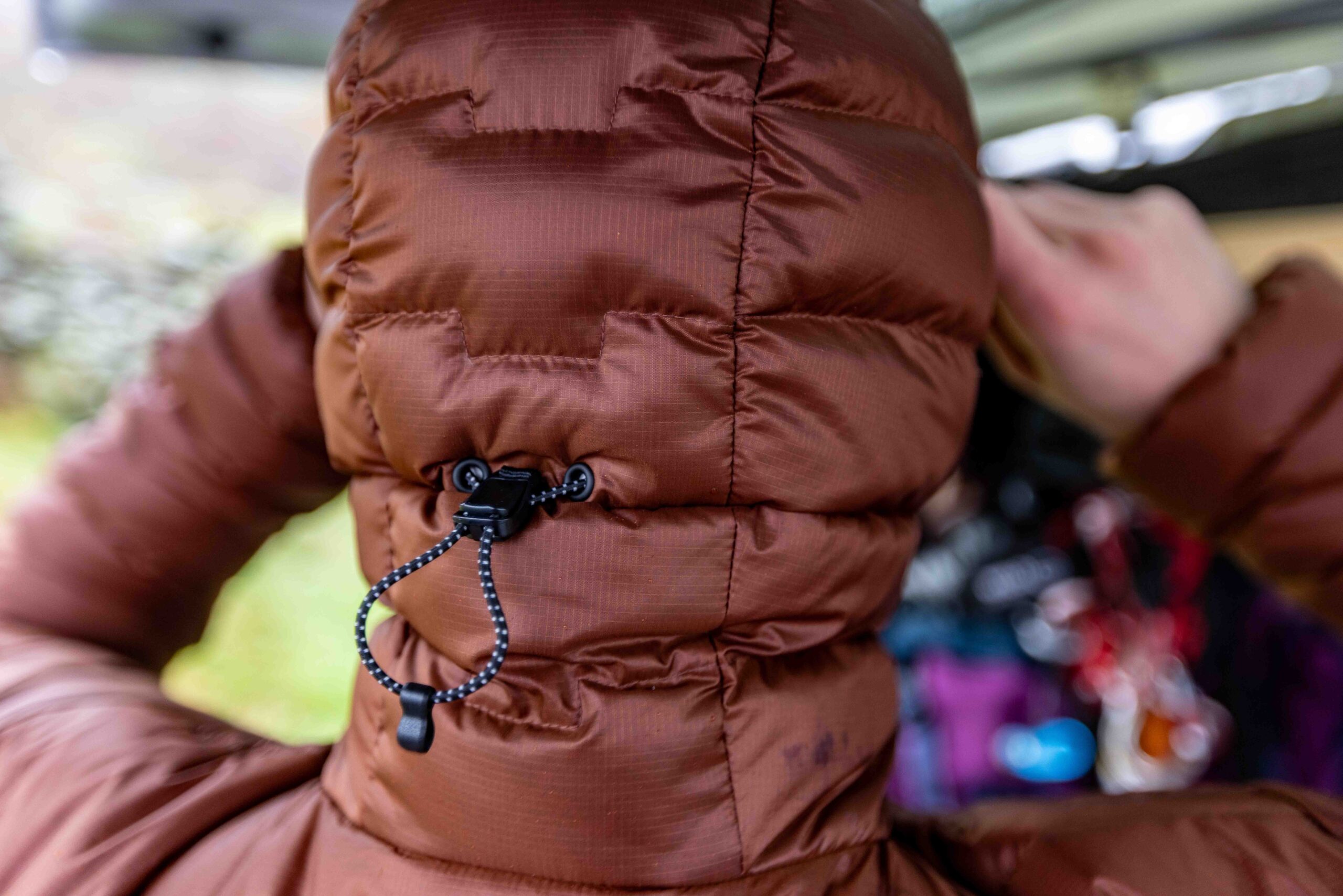
The main zip runs smoothly and is backed by a small internal placket that helps block draughts. It’s a one-way zip, which reflects the fact that this isn’t aimed at highly technical mountaineering use. The hood is insulated with a generous baffle around the neck, which helps prevent cold spots. It has an elasticated rim and also a toggled cinch that lets you adjust the volume and secure the hood closely to your head.
Packability
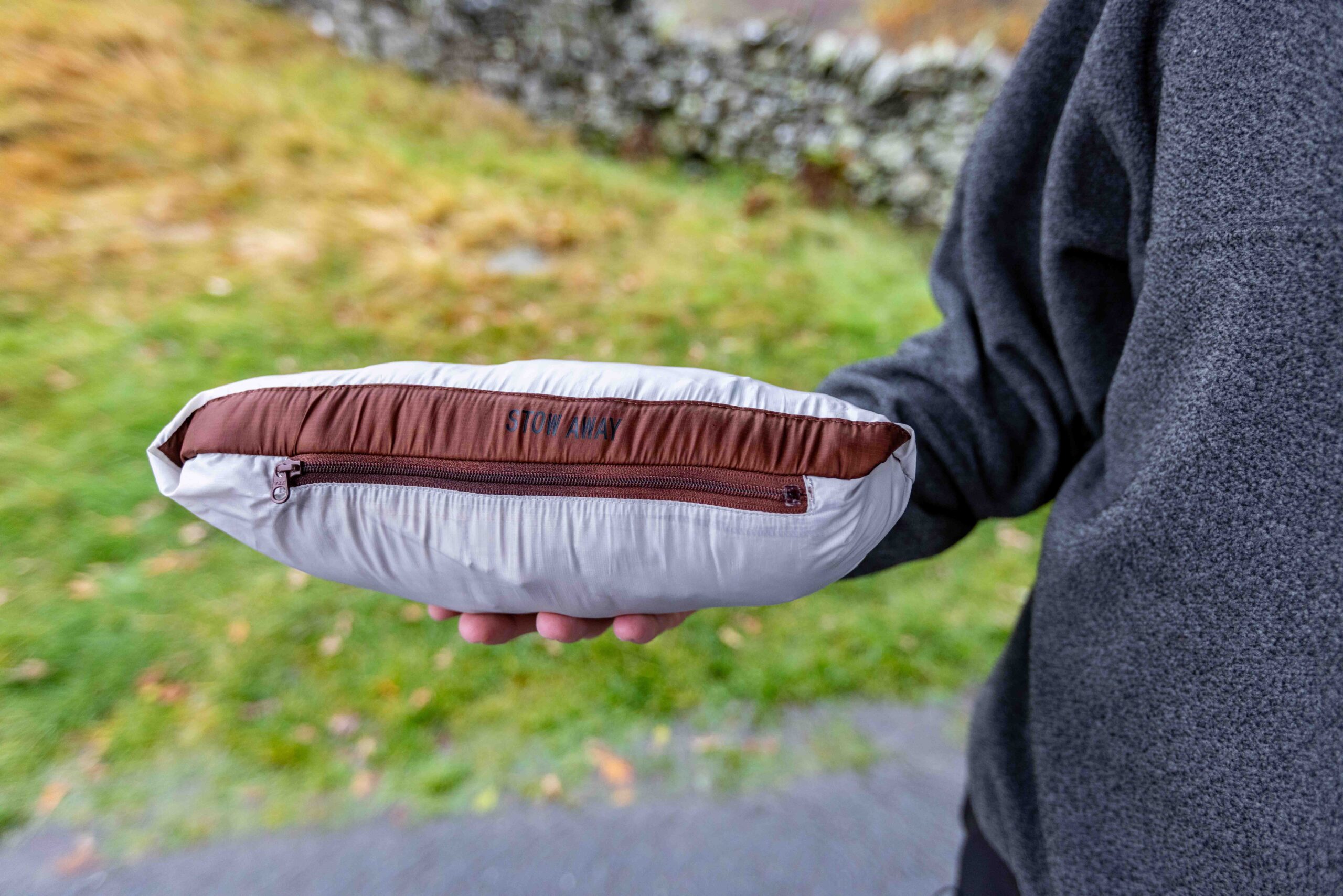
Packability is good. The jacket stuffs into its own hand pocket and compresses down to roughly the size of a small bum bag. It’s not the smallest or lightest jacket in its class, and its warmth-to-weight ratio isn’t exceptional, but that’s consistent with its price point and intended use.
Comfort and Everyday Use
Comfort is one of the Passamani’s strong points. It’s pleasant to wear for extended periods and doesn’t feel overly technical or at all crinkly, which makes it well suited to everyday use as well as hill days. The slim, stitched-through baffles keep the silhouette fairly clean, avoiding that overly puffy look.
Verdict
This is a well-judged, versatile insulating layer that works best as an active-use jacket for typical UK conditions. It’s warm enough as a standalone insulator for most early autumn, late spring, and cool summer use and durable enough to cope with regular hill wear.
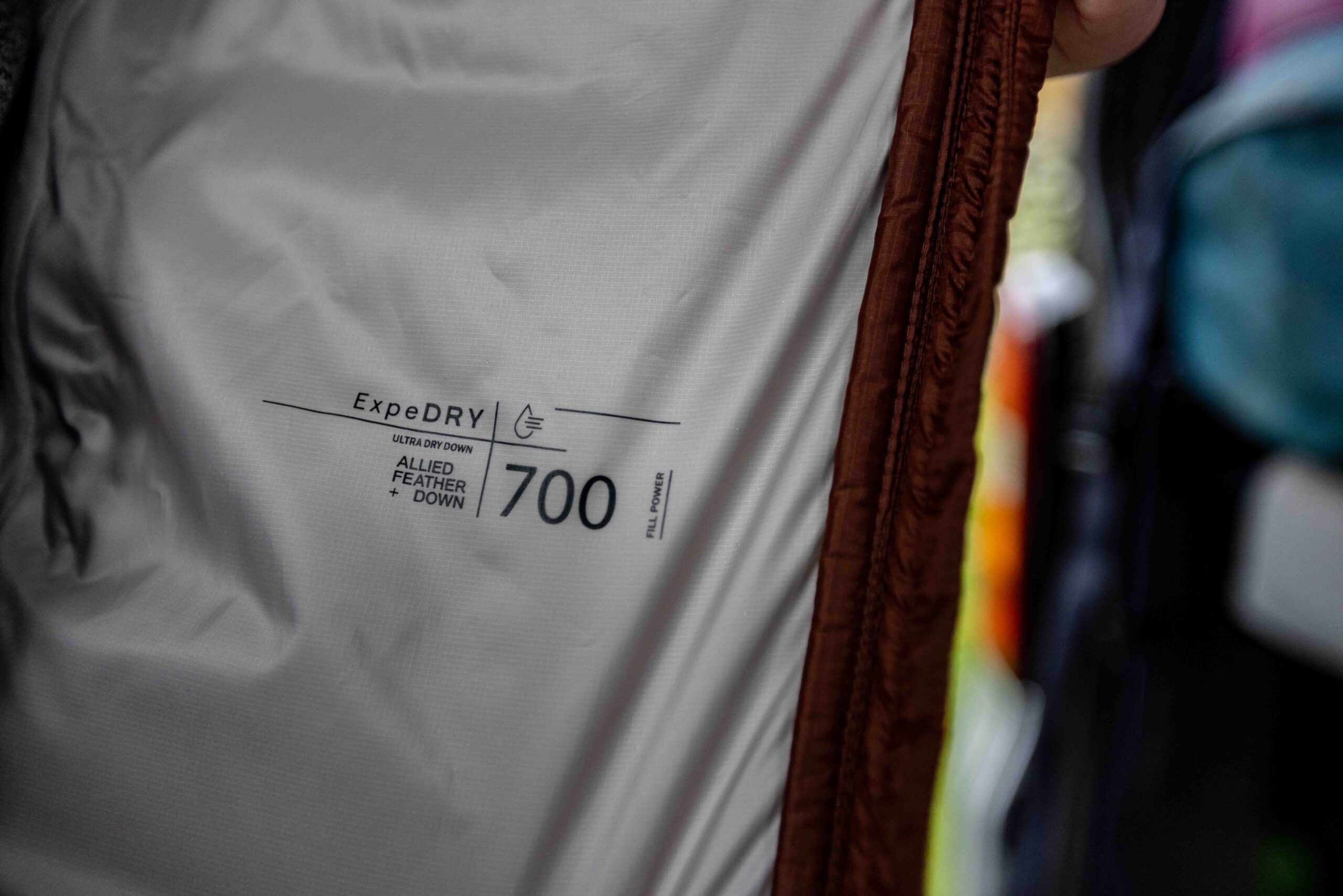
The ExpeDry-treated down offers a genuine improvement in damp conditions compared to untreated fills, even if it’s not a complete solution to prolonged wet weather. Fit runs slightly generous, but that aids layering, and overall comfort is excellent.
Related: Best Down Jackets Reviewed
It’s not the lightest or warmest jacket in its class, and those looking for a highly technical winter or mountaineering piece should look elsewhere. But for hikers wanting a reliable, good-value down jacket that transitions easily between the hills and everyday life, the Passamani is a decent option to consider.
Where to Buy
Jack Wolfskin Passamani
Our editor’s verdict: “Designed as active insulation – so there’s warmth but also a degree of breathability here too. The hydrophobic down treatment works well.”
★★★½