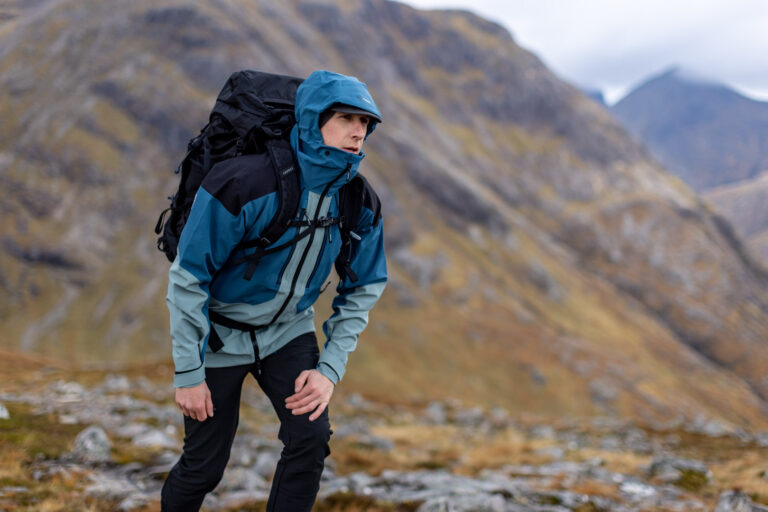
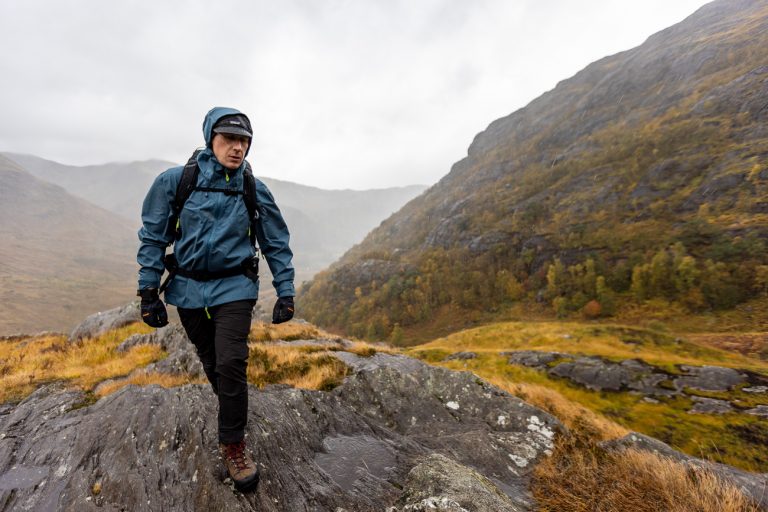
The Rab Microlight Alpine has been a familiar sight on British mountains for years, and for good reason. It’s a lightweight, versatile down jacket that offers a useful balance of warmth, packability and everyday practicality. I’ve been testing various generations of it since around 2018, and the latest AW2026 version continues to make a convincing case for itself as one of the most useful all-round insulating layers.
There are a bunch of new versions in the Microlight family. There’s a new pullover, a lightweight version, vests, and also the Microlight X which offers higher levels of performance at a lower weight, but also a much higher price tag. This one is the standard Microlight Alpine, coming in at a lightweight 428g (in a men’s medium) and using 152g of 700 fill power down insulation.
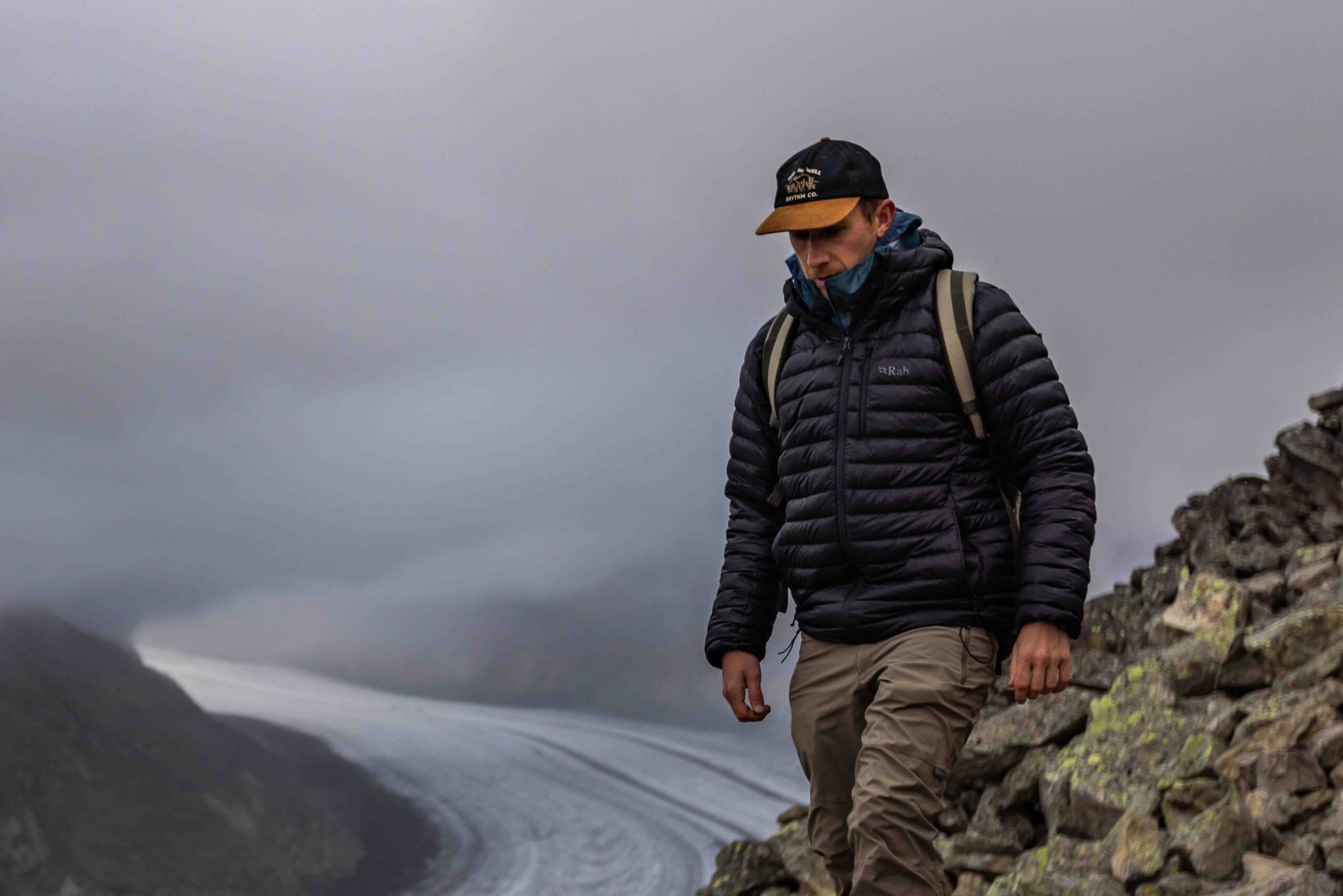
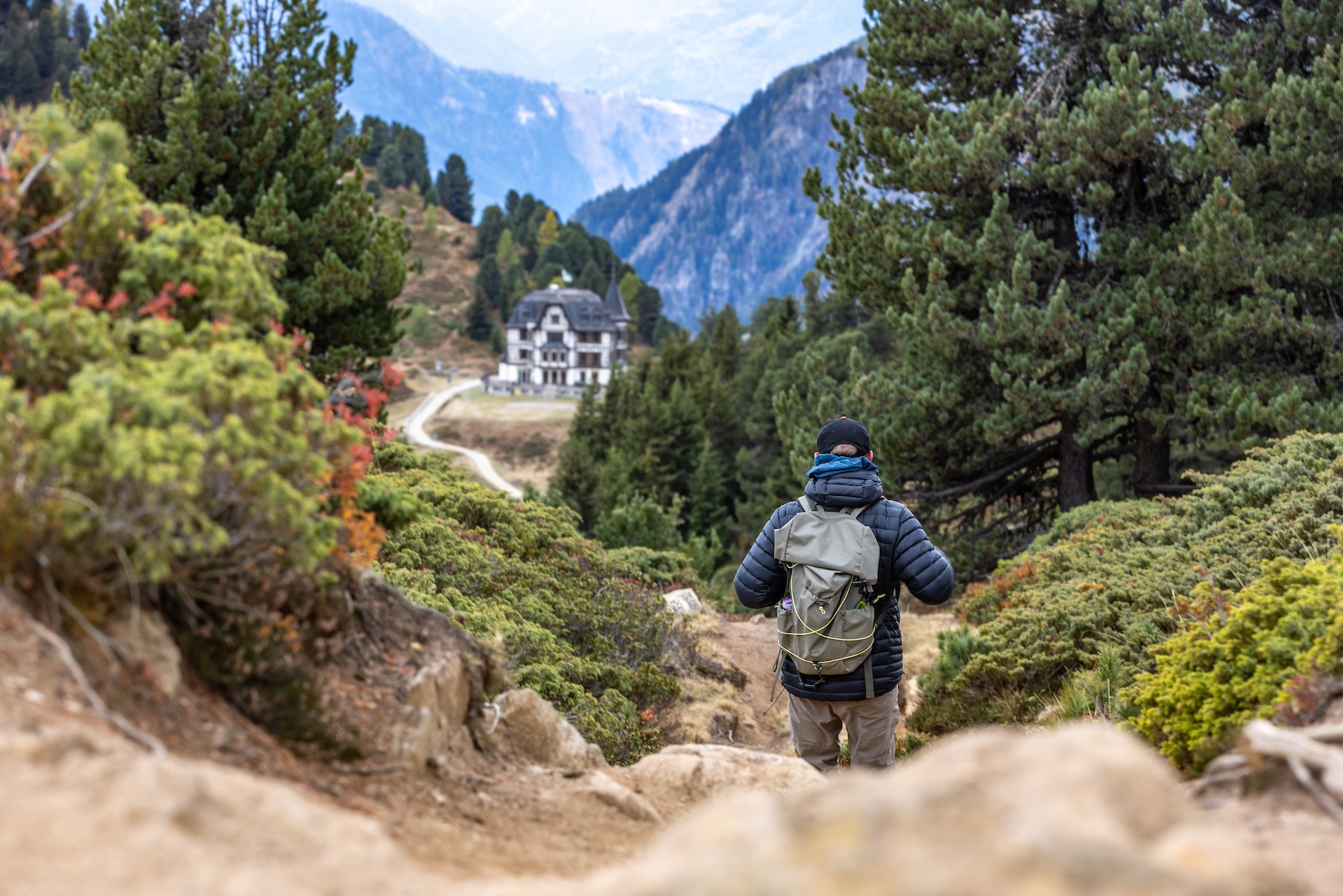
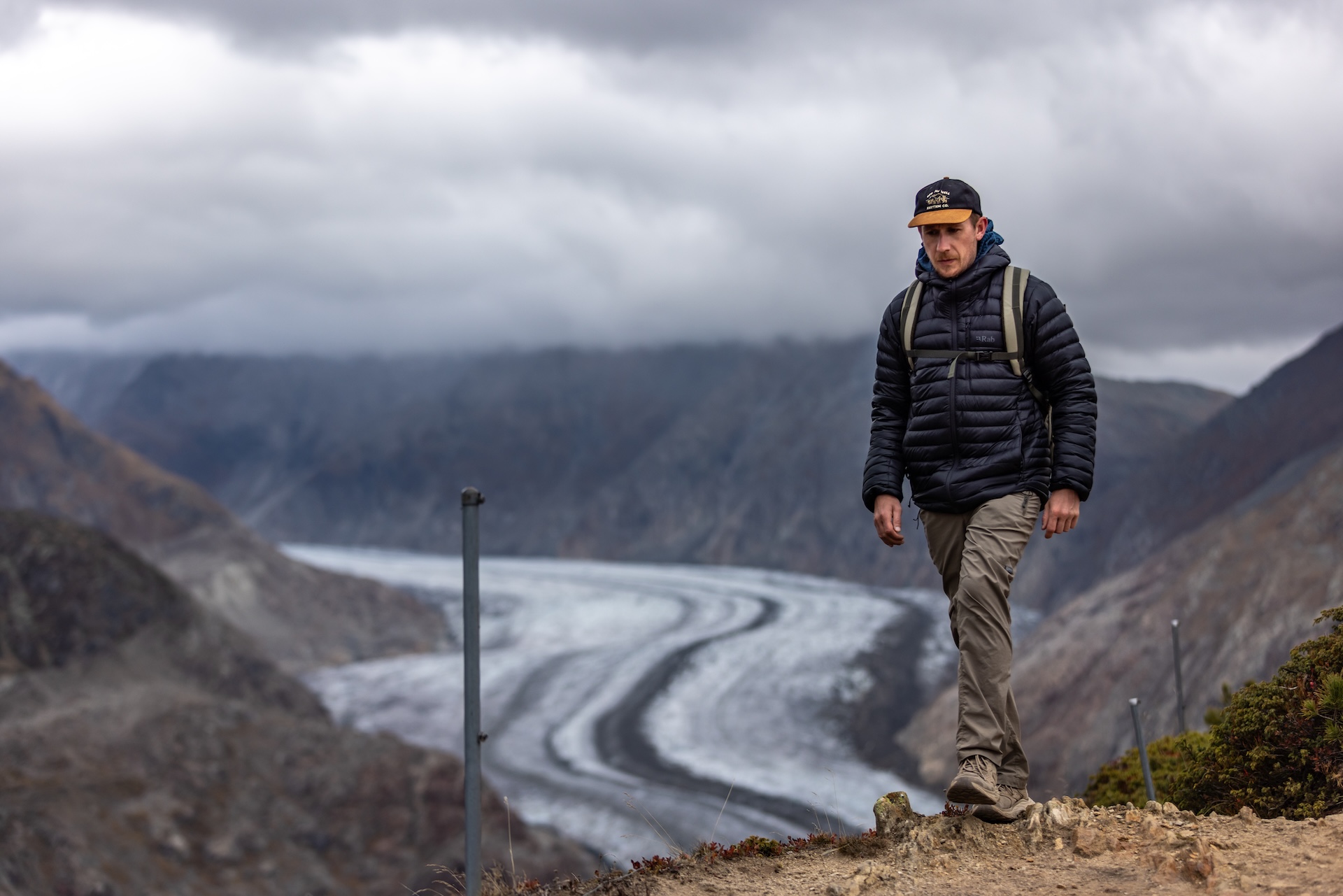
At £220, it’s not exactly cheap, but it has the sort of versatility that makes it easy to justify having in your kit cupboard. I’ve been wearing the latest version for four months, including on a week-long hiking trip in Switzerland, where it came into its own on hikes at around 2500m, during chilly evenings and on a visit to the Aletsch Glacier. I’ve also used it in Eryri and along the Pembrokeshire coast, where breezy autumn conditions provided a good opportunity to assess its warmth and wind resistance. I gave the previous edition a long test last winter, wearing it almost daily for dog walks and also on long day hikes in the Welsh mountains while checking routes for my new guidebook.
Price: £220
Weight: 428g (size M, manufacturer’s specification)
Insulation: 700FP recycled down, 152g fill (size M)
Best for: Backpacking, hillwalking, climbing and wild camping
Rating: 4.5/5
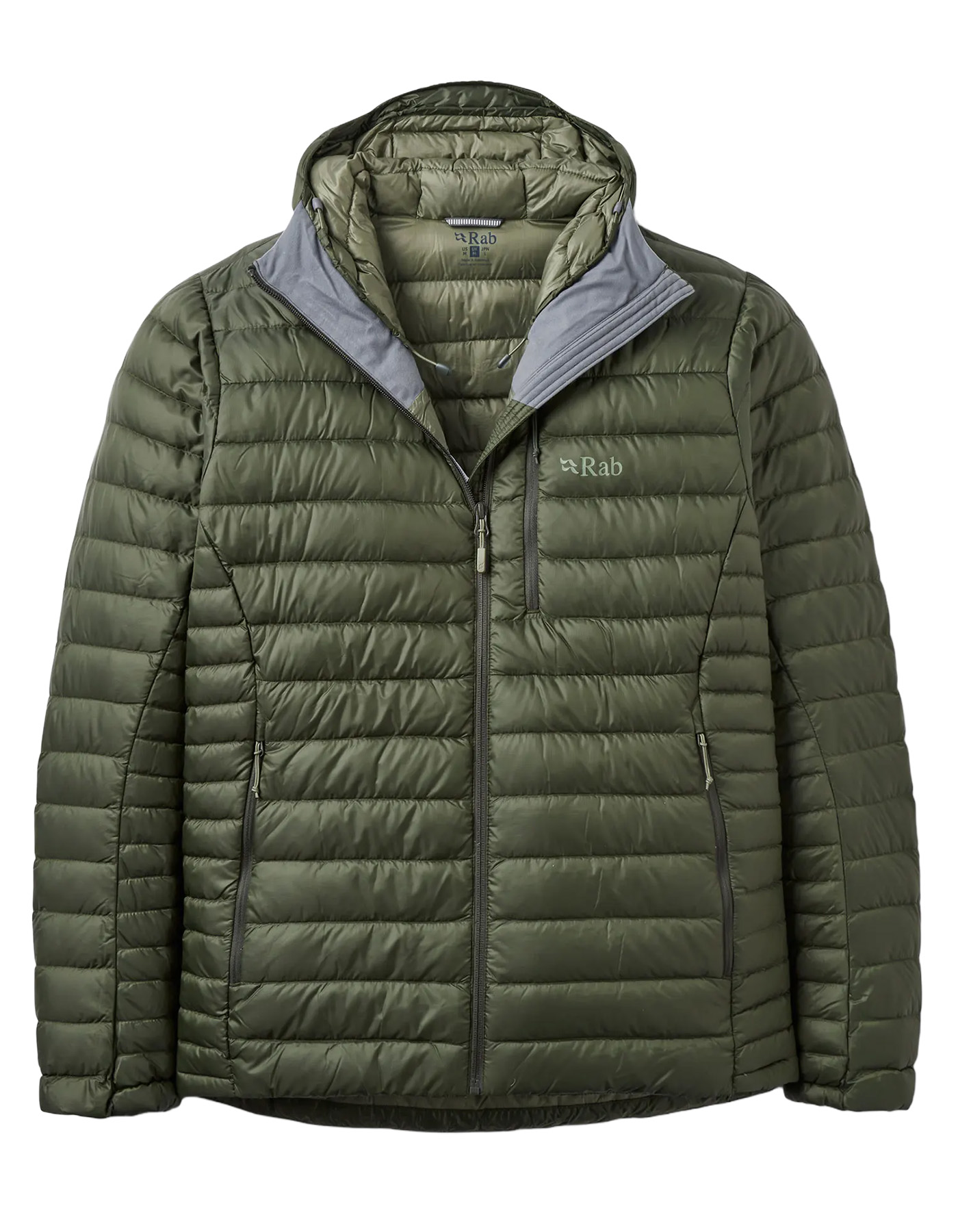
Rab Microlight Alpine Down Jacket
Top Line
The Microlight Alpine is a very capable down jacket for backpackers, hillwalkers and climbers who want dependable warmth without carrying too much bulk. Its biggest strength is its packability: despite offering a useful amount of insulation, it compresses down remarkably small. It also has a comfortable fit, a well-designed hood and an outer fabric that has proved more durable than its lightweight construction initially suggests.
However, it’s not the warmest down jacket for its weight that I’ve tested, and I’ve noticed some down leakage around the seams. It’s also not something I’d choose for prolonged periods of standing around in freezing winter conditions. Rab has better options in its range for that kind of use.
Design and Features
The AW2026 version retains the familiar design of the Microlight Alpine, with Rab making relatively few changes to its established formula. The biggest updates are the introduction of Grangers hydrophobic down treatment and Pertex Quantum with NetPlus, a fabric made using fully traceable post-consumer recycled fishing nets.
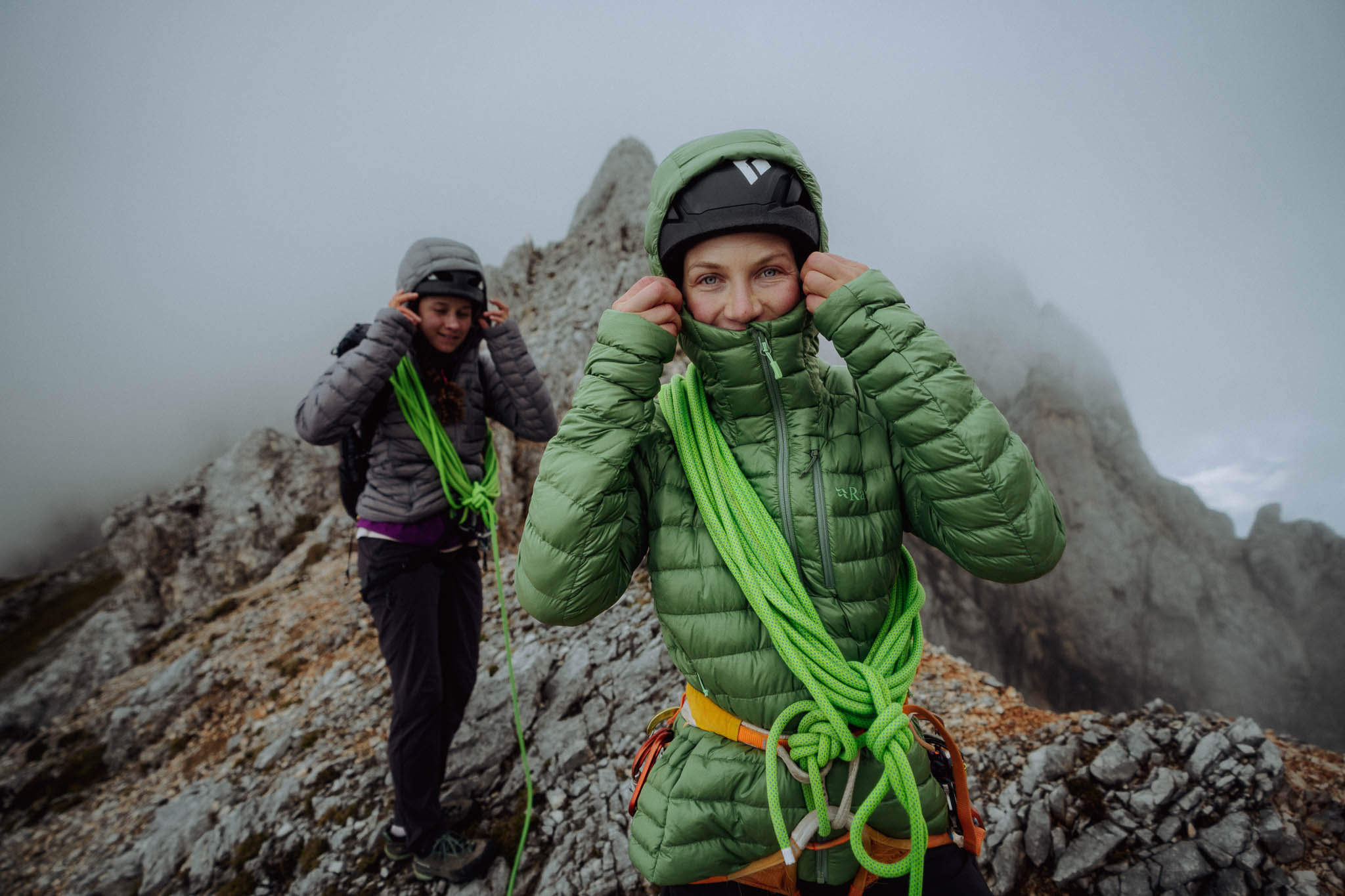
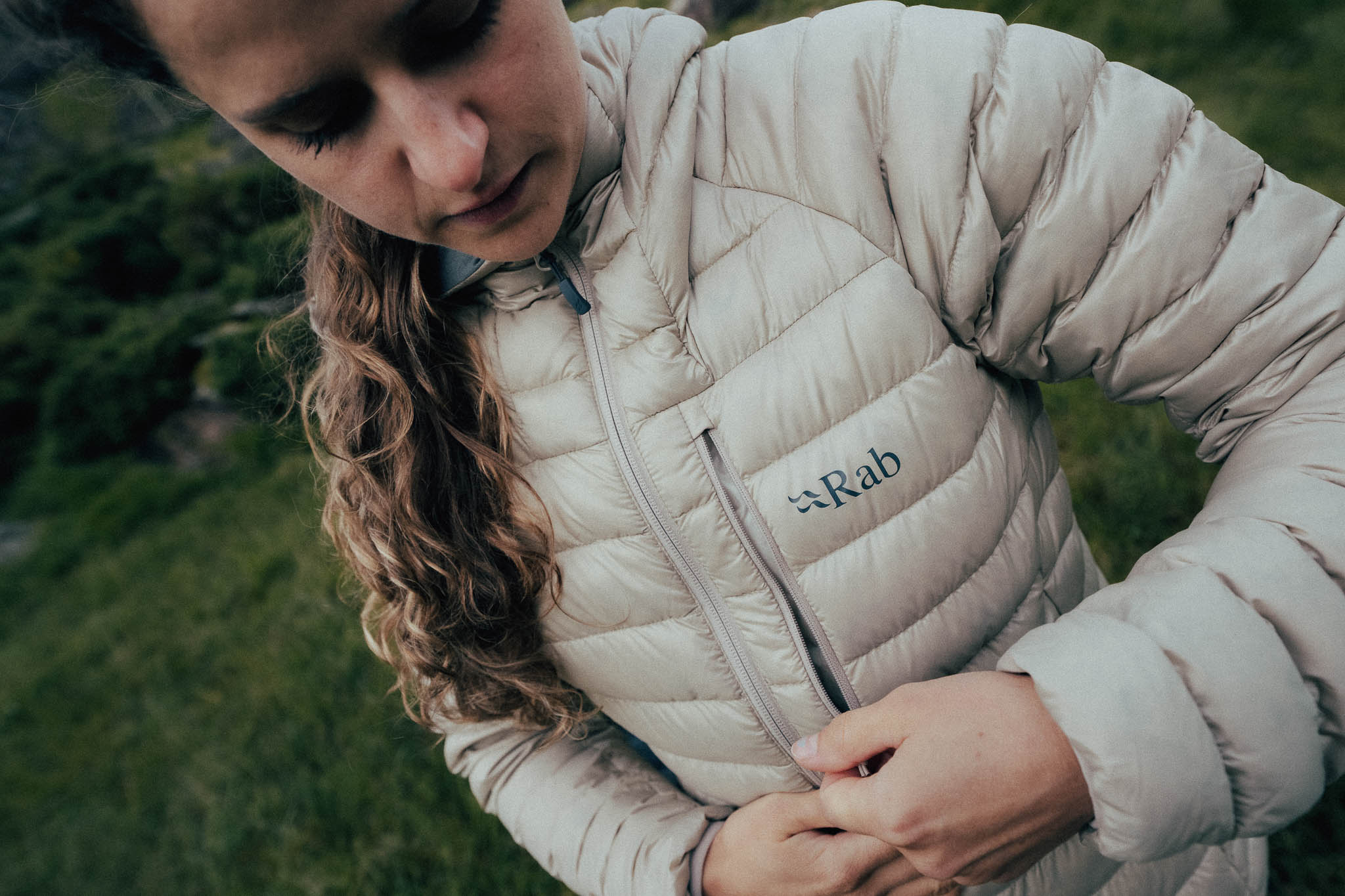
The insulation is 700FP recycled down, with 152g of fill in a men’s medium. Rab uses body-mapped baffles, with smaller sections under the arms to improve mobility and larger baffles across the main body for warmth. The outer is a 30-denier Pertex Quantum fabric with a fluorocarbon-free DWR treatment.
It’s a lightweight construction, but one that has impressed me with its resilience. I caught the jacket on a bramble bush while hiking in the dark and expected to find a tear when I shone my head torch on it, but there was absolutely no evidence of damage. I’ve also worn it under a heavy backpacking backpack without noticing any abrasion. I wouldn’t deliberately subject it to rough rock on a regular basis or campfire sparks, but it’s tougher than its thin-feeling fabric might suggest.
There has been a tiny bit of down leakage around the seams, though. This is my biggest criticism and something I’ve also experienced with the Montane Anti-Freeze, another jacket that uses Pertex Quantum. Still, both have at least remained lofty and warm. I’d say it’s more of an aesthetic bugbear rather than a performance issue.
Warmth and Performance
Its 700FP insulation, combined with the 152g fill weight, makes it a versatile insulating layer rather than a seriously warm winter jacket. It’s not something you could rely on while in a belay stance in winter – that’s a different jacket category. It is, however, one of those jackets that you can use for layering in cold conditions and that will provide enough warmth in winter when you’ve got your blood pumping. And it’s so light that you can carry it just in case on most hill trips in milder conditions just-in-case it’s needed without bearing much of a weight penalty.
It’s competition? Compared with the Montane Anti-Freeze, the Rab feels like a better-quality garment to me, although the two offer broadly similar performance. The Montbell Superior Down is a warmer alternative, although it’s a little heavier and more expensive. At the other end of the scale, the Haglöfs LIM Down has a higher fill-power rating, but uses a smaller quantity of down, and I’ve found the Microlight Alpine to be the warmer jacket.
I found it particularly effective for summer and autumn camping, chilly summit stops and winter walking when you’re keeping active. During my visit to the Aletsch Glacier, I wore it over a Rab Quantra Pro Hoody and found the combination provided comfortable warmth in much colder conditions.
For prolonged stationary use in winter, however, I’d want something warmer. The Rab Electron Pro offers more insulation and a noticeably more robust construction. The Arc’teryx Cerium is another higher-performance alternative, although it comes at a considerably higher price. If you want serious warmth without a substantial weight penalty, Rab’s own Mythic Ultra is also worth considering, though it’s a much more expensive proposition.
The Microlight Alpine does a good job of blocking wind, and its hydrophobic down and DWR finish provide useful resistance to light rain and drizzle. It’s not waterproof, though, and sustained heavy rain will eventually overwhelm it. I deliberately allowed the jacket to become saturated one evening and hung it up indoors overnight. It was dry by the following morning, which was reassuring.
It also layers very comfortably beneath a waterproof shell. The hydrophobic treatment helps when dealing with condensation, although I’d still favour synthetic insulation for prolonged use underneath a shell in wet conditions.
Fit and Comfort
The fit is regular, with easily enough room for a light fleece underneath. I tested a men’s large, which suited my 5ft 10in frame, particularly as I’m between medium and large sizes at the moment.
Movement is unrestricted, and I particularly liked how the hem stayed put when reaching upwards while scrambling. The collar has a soft microfleece section that feels comfortable against the chin, while the adjustable hood offers good coverage around the head and neck. It’s not helmet-compatible.
The elasticated cuffs keep draughts out, and the hem adjustment helps retain warmth. The handwarmer pockets remain accessible when wearing a backpack, although the harness cuts part of them off. There’s also a useful chest pocket that’s an ideal size for a phone.
One omission is an internal dump pocket, which would be handy for keeping gloves warm. I’d also like to see a two-way main zip, although that’s really only useful if you’re going to be wearing the jacket with a climbing harness.
Packability and Sustainability
This is where the Microlight Alpine really excels. It packs into one of its hand pockets, which has a loop for clipping it to a harness or backpack. As a test, I managed to squeeze mine inside a Nalgene bottle, which gives you an idea of just how compact it becomes.
The use of recycled down and NetPlus fabric also gives it some worthwhile sustainability credentials. The down is RDS-certified, and the outer fabric uses recycled fishing nets. Rab’s repair and aftercare provision is another positive, particularly given the relatively delicate nature of lightweight down jackets.
Verdict
The Rab Microlight Alpine remains an excellent all-round down jacket, and the latest version hasn’t strayed far from the formula that has made it so popular. Its warmth-to-weight balance, comfortable fit and exceptional packability make it particularly appealing for backpacking, wild camping and general mountain use.
There are alternatives worth considering. The Montane Anti-Freeze offers similar all-round performance, while the Montbell Superior Down is a warmer, but more expensive option. If you want something slightly tougher and more heavily insulated, but more expensive, Rab’s Electron Pro might be a better fit. The Patagonia Down Sweater and Mountain Equipment Earthrise are also similar alternatives with the similar levels of performance
The occasional bits of down leakage is a bugbear, and there are warmer and more rugged alternatives available. But for a jacket that’s likely to see use throughout much of the year, those compromises are manageable.
I’ve had a lot of hill days and adventures in the Microlight Alpine in its different iterations over the years and I’ve found myself reaching for this latest version regularly this season. It’s not the jacket I’d choose for a freezing winter belay or a long evening standing around in camp during early spring (unless used as part of a layering system), but as a versatile insulating layer and one that can be packed away until needed, it remains one of the best options on the market within the category.
Pros
- Excellent packability and warmth-to-weight ratio
- Comfortable fit with good freedom of movement
- Useful hood and practical pocket arrangement
- Recycled materials and RDS-certified down
Cons
- Some down leakage around the seams
- Outer fabric will have its limits when exposed to rough abrasion
- No internal dump pocket or two-way main zip
Overall rating: 4.5/5