Outdoors Gear, Equipment, News, Reviews, Forums, Walking Routes and More at OutdoorsMagic.com

Buyer's Guides

Winter Mountain Kit: A Layer-by-Layer Guide for Cold, Wet, Serious Conditions

Why system-based layering matters more than any single piece of winter kit

When we assess winter mountain clothing here at Outdoors Magic, we’re looking for more than just warmth. Cold-weather gear needs to manage moisture effectively, protect against wind and rain, and still allow you to move efficiently over long, demanding days. Durability matters too – winter terrain is hard on kit – and so does versatility, especially when conditions can change quickly.

One brand that has built its reputation around those exact challenges is Helly Hansen. With roots in professional sailing and mountain environments, its technical ranges are designed as modular systems rather than standalone pieces. That makes it a good candidate for a proper layer-by-layer look at how winter clothing actually works in practice.

Below, we break down a complete Helly Hansen winter setup, from baselayer through to shell, explaining what each piece is for, when it excels, and where it fits into a broader mountain clothing system.
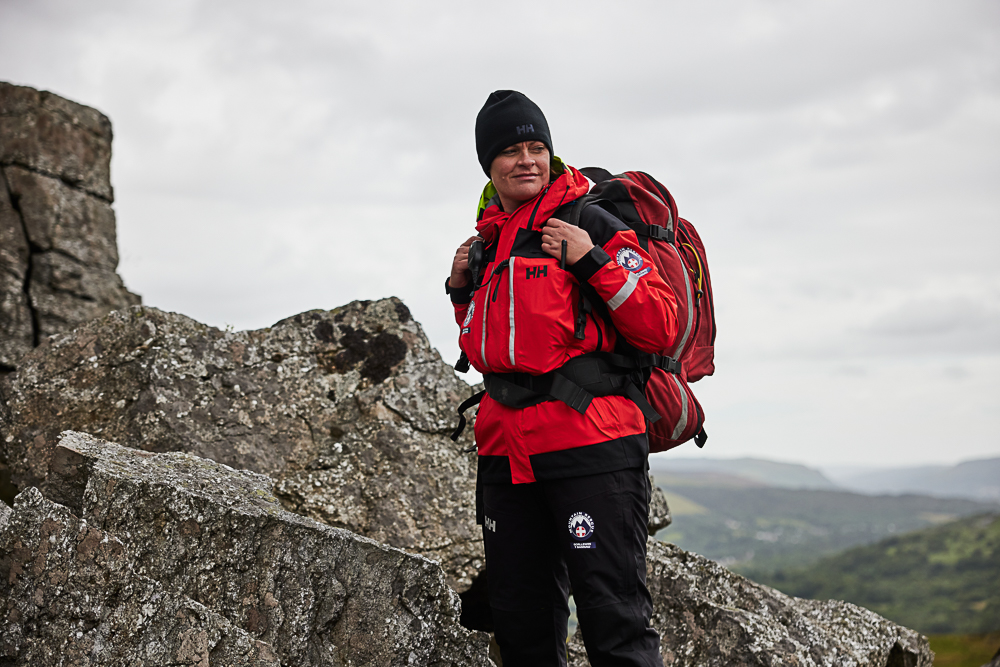
 

The Baselayer System: LIFA Merino Crew & LIFA Merino Midweight 2-In-1 Base Layer Pants

Role: Moisture management, warmth and next-to-skin comfort in cold conditions

In winter conditions, staying warm is as much about staying dry as it is about insulation. A good baselayer system should move moisture away from the skin quickly, regulate temperature across a wide range of activity levels, and remain comfortable during long, demanding days.

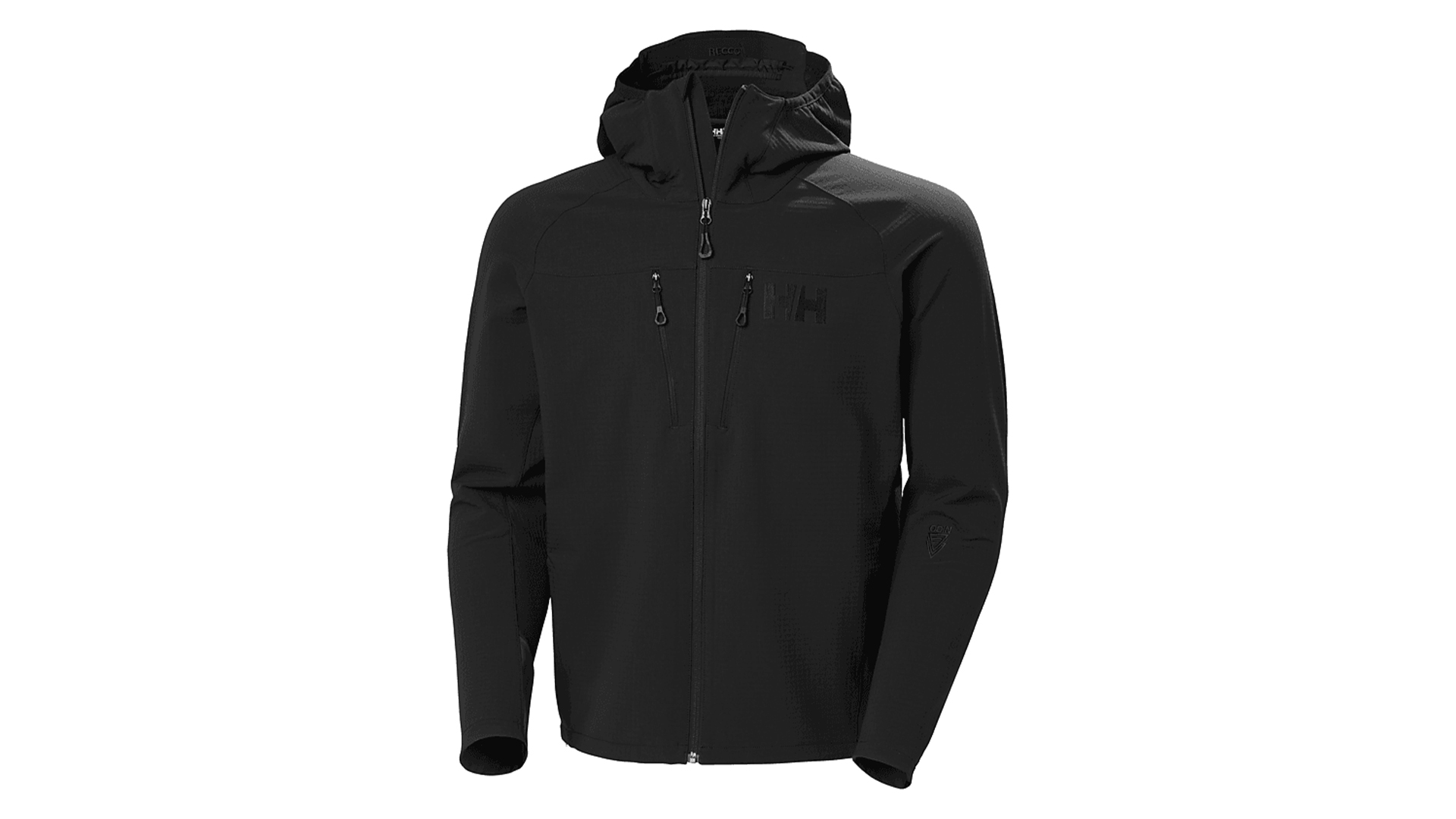
Helly Hansen’s LIFA Merino Crew and LIFA Merino Midweight 2-In-1 Base Layer Pants are designed to work together as a full next-to-skin system. Both combine the warmth and odour resistance of merino wool with the fast-drying performance of Lifa fibres. Lifa is Helly Hansen’s proprietary polypropylene fibre; it’s hydrophobic by nature, meaning it doesn’t absorb moisture, instead pushing sweat away from the skin towards outer layers where it can evaporate.

In practice, this baselayer system works particularly well for UK winter hillwalking and cold, damp trekking – especially when you’re dealing with variable exertion and exposed, wind-cooled sections. It provides a dependable foundation for the rest of the layering setup, helping to maintain comfort and energy levels over long days.

Best for: Cold to very cold conditions, multi-hour winter days, variable output and damp environments
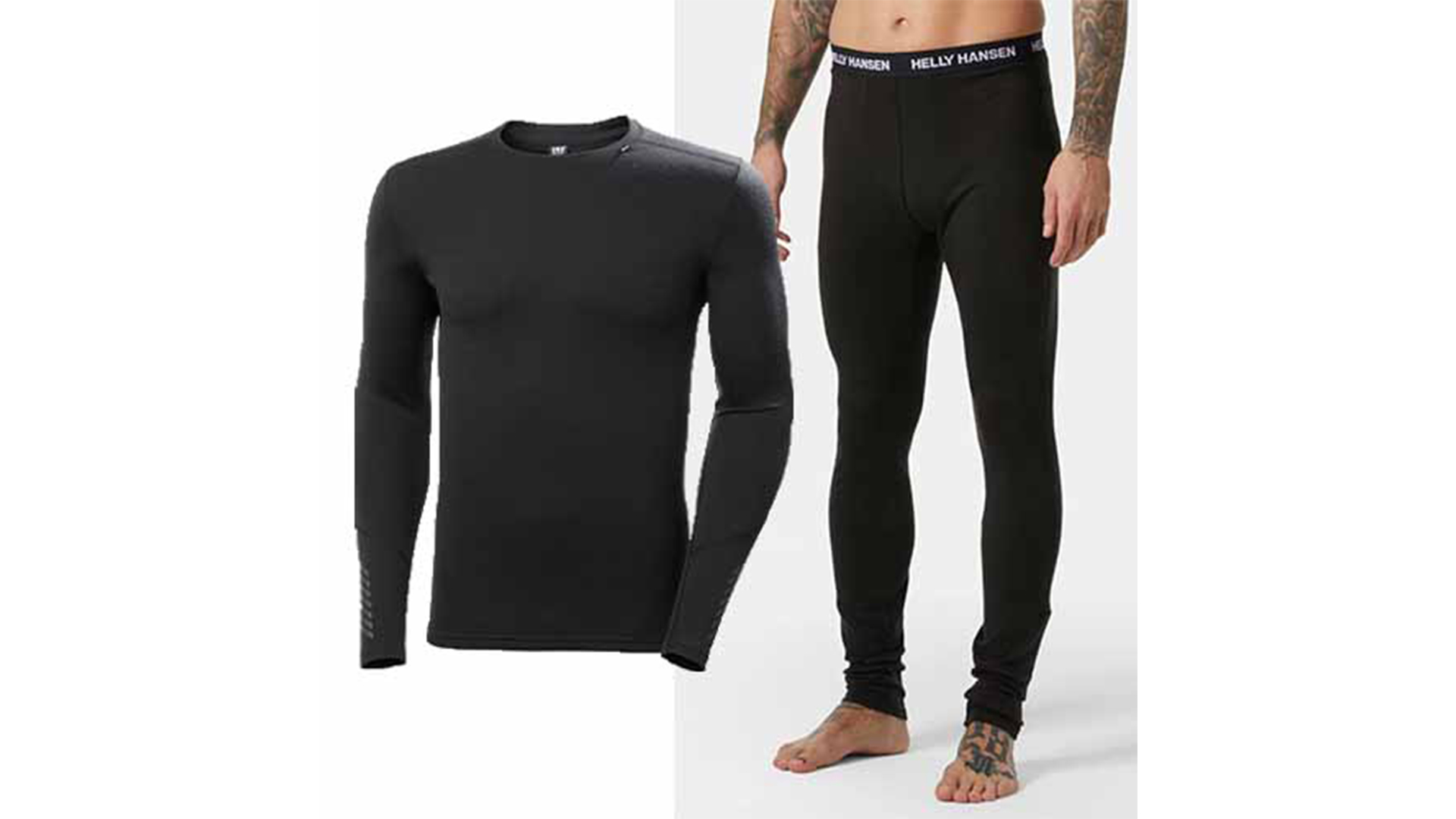
Buy the Helly Hansen Lifa Merino Crew: £85 at Hellyhansen.com
Buy the Helly Hansen Lifa Merino Baselayer Pants: £80 at Hellyhansen.com

Active Insulation Layer: Odin Pro Shield Jacket

Role: Wind protection and breathability during movement

The Odin Pro Shield sits in that important middle ground between insulation and weather protection. This is the layer you reach for when you’re moving steadily in cold, windy conditions but don’t want the clamminess that often comes with a full waterproof shell.

Softshell-style layers like this excel on days when conditions are unsettled rather than outright foul. The fabric blocks wind effectively while remaining breathable enough for sustained effort, making it well suited to ridgelines, long climbs and cold-but-dry winter days.

It’s not designed to replace a waterproof in heavy rain, but as part of a system it reduces how often you need to reach for your shell, which in turn helps regulate temperature more naturally.

Best for: Cold, windy days with high activity levels.

Buy the men’s Helly Hansen Odin Pro Shield Jacket: £200 at Hellyhansen.com
Buy the women’s Helly Hansen Odin Pro Shield Jacket: £200 at Hellyhansen.com


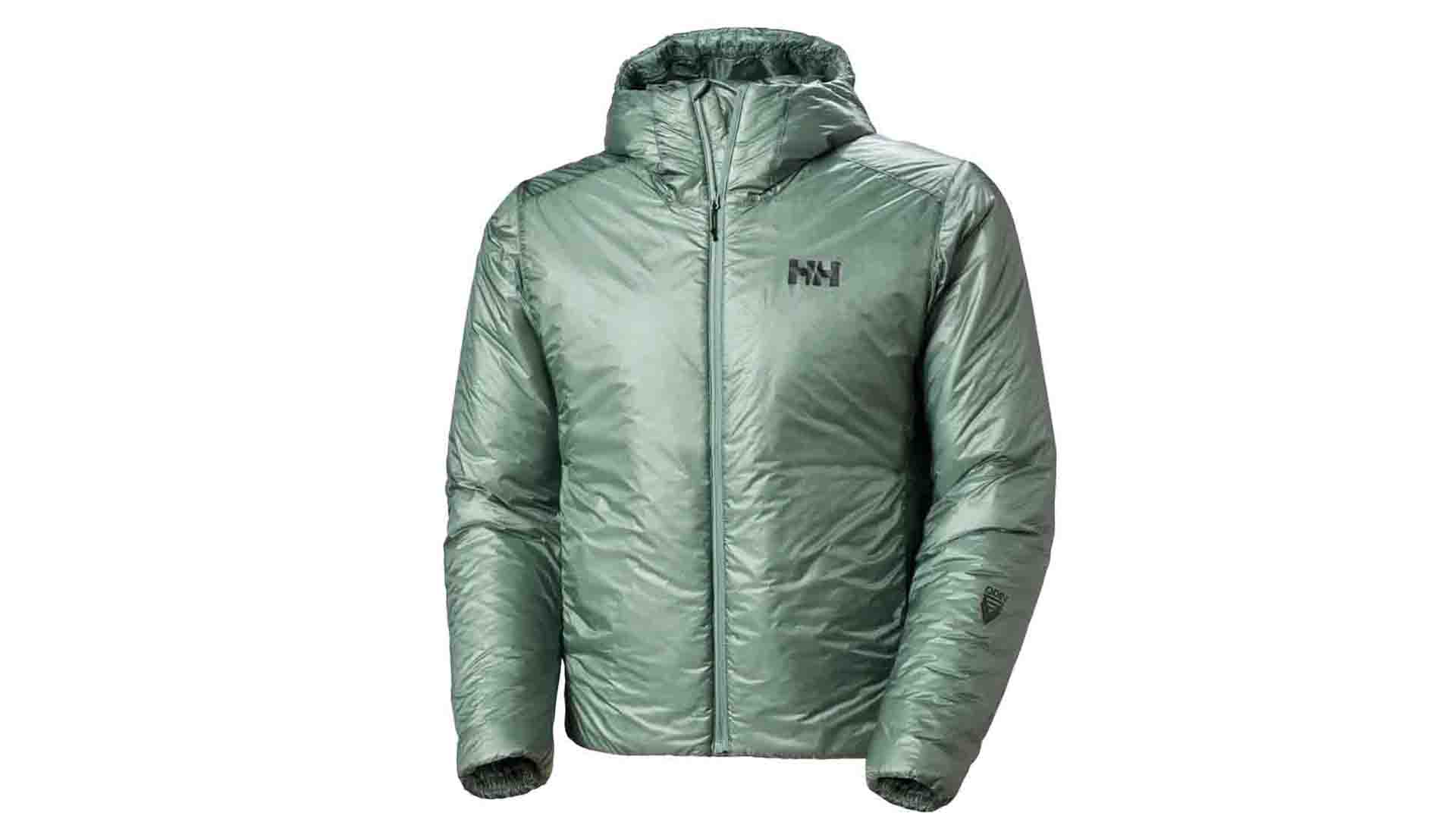
Synthetic Insulation Layer: Odin Ever Down Jacket

Role: Lightweight insulation for cold, damp conditions

While down still dominates the insulation conversation, synthetic insulation remains the more practical choice for many winter mountain scenarios – particularly in the UK, where cold often comes hand-in-hand with damp. The Odin Ever Down sits squarely in that space, offering reliable warmth without the performance drop-off that can occur when insulation gets wet.

What works particularly well here is the cut and bulk management. The Ever Down has a relatively short hem and a low-profile build, which allows it to slot neatly under a waterproof shell without bunching or restricting movement. It’s something you can throw on during breaks, on summit stops or during slower sections, then you can layer a shell over the top when conditions really deteriorate.

The synthetic fill provides a steady, predictable level of warmth and continues to insulate even in wet or windy weather. It’s not intended as a deep-winter belay jacket, but rather as a versatile insulating piece that complements the rest of the layering system.

Best for: Cold, damp winter days, layering under a shell, regular stop-start movement

Buy the men’s Helly Hansen Odin Ever Down Jacket: £400 at Hellyhansen.com
Buy the women’s Helly Hansen Odin Ever Down Jacket: £400 at Hellyhansen.com


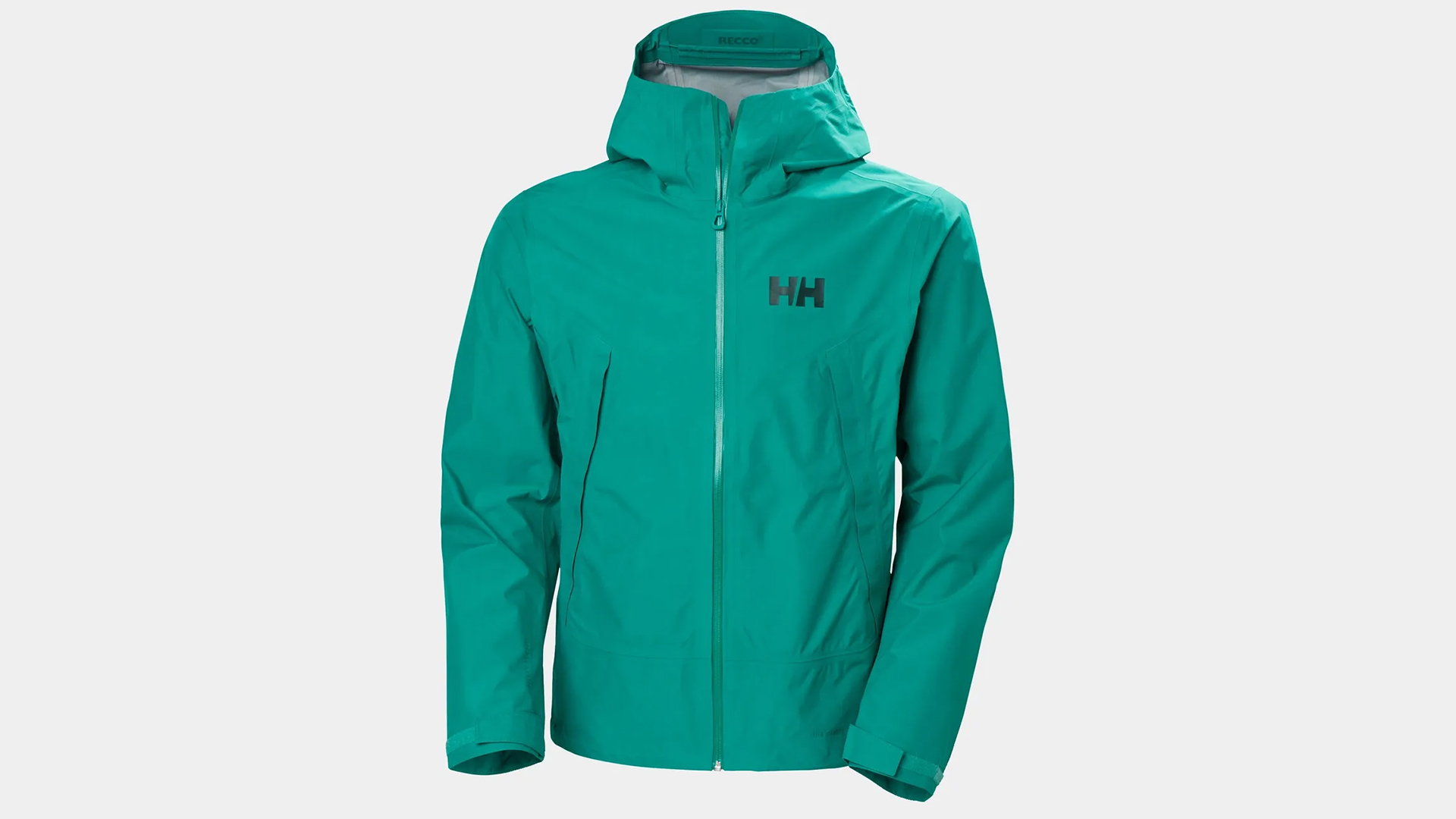
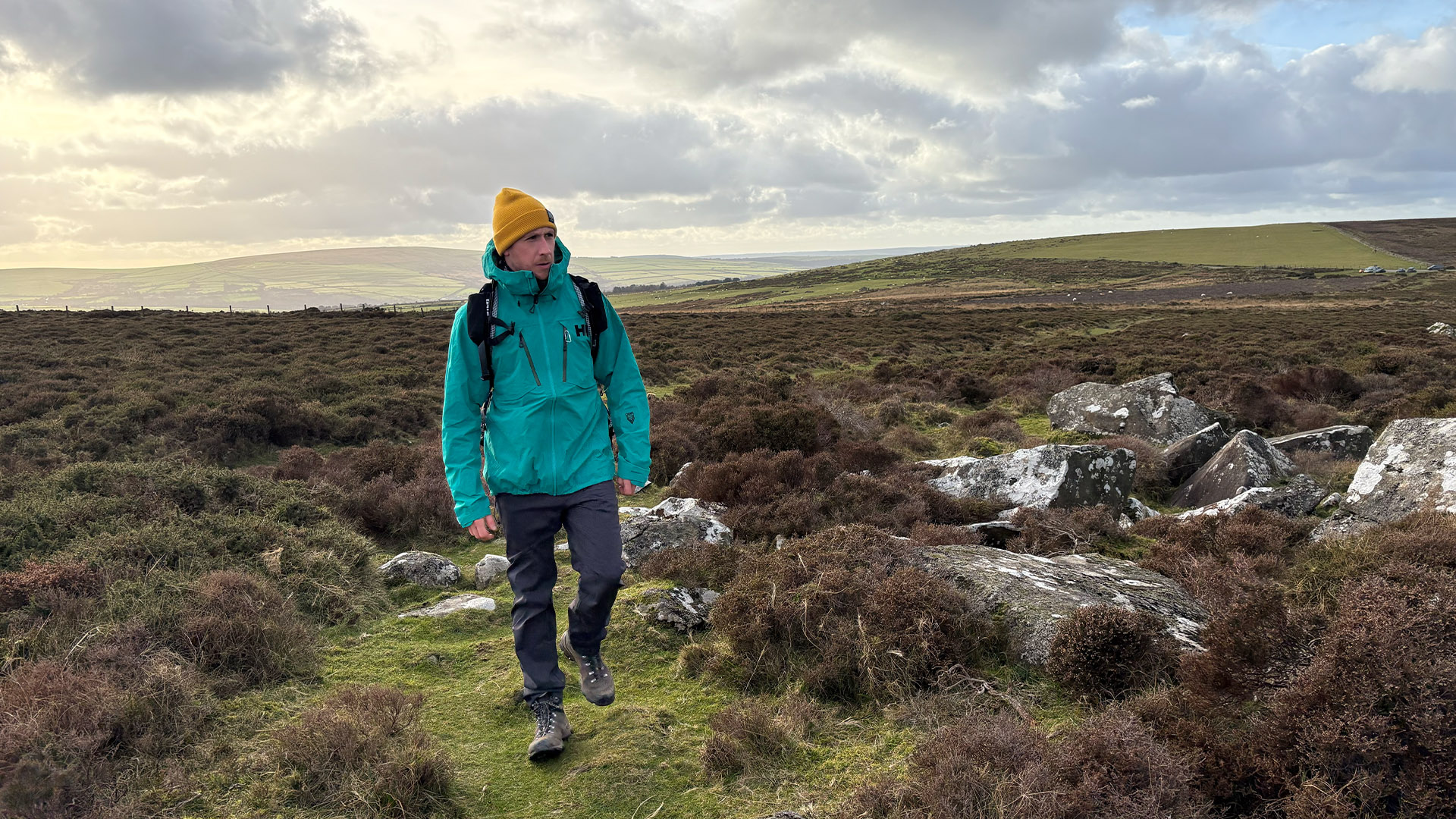
Outer Shell: Odin Ultimate Infinity Jacket

Role: Weather protection in sustained rain, snow and wind

In serious winter conditions, a shell jacket becomes a safety item rather than a comfort luxury. The Odin Ultimate Infinity is Helly Hansen’s top-tier mountain shell, designed to offer long-term waterproof protection without sacrificing durability.

This is a robust, fully-featured jacket intended for harsh environments: extended exposure to wind-driven rain, sleet or snow, and long days where failure isn’t an option. It’s not the lightest shell on the market, but that weight translates into confidence, bringing the kind of reliability you want when conditions deteriorate.

Paired with a breathable midlayer underneath, it allows you to fine-tune comfort across a wide range of winter scenarios, from slow, boggy approaches to exposed summits.

Best for: Wet, windy, serious mountain weather

Buy the Helly Hansen Odin Ultimate Infinity Jacket: £450 at Hellyhansen.com


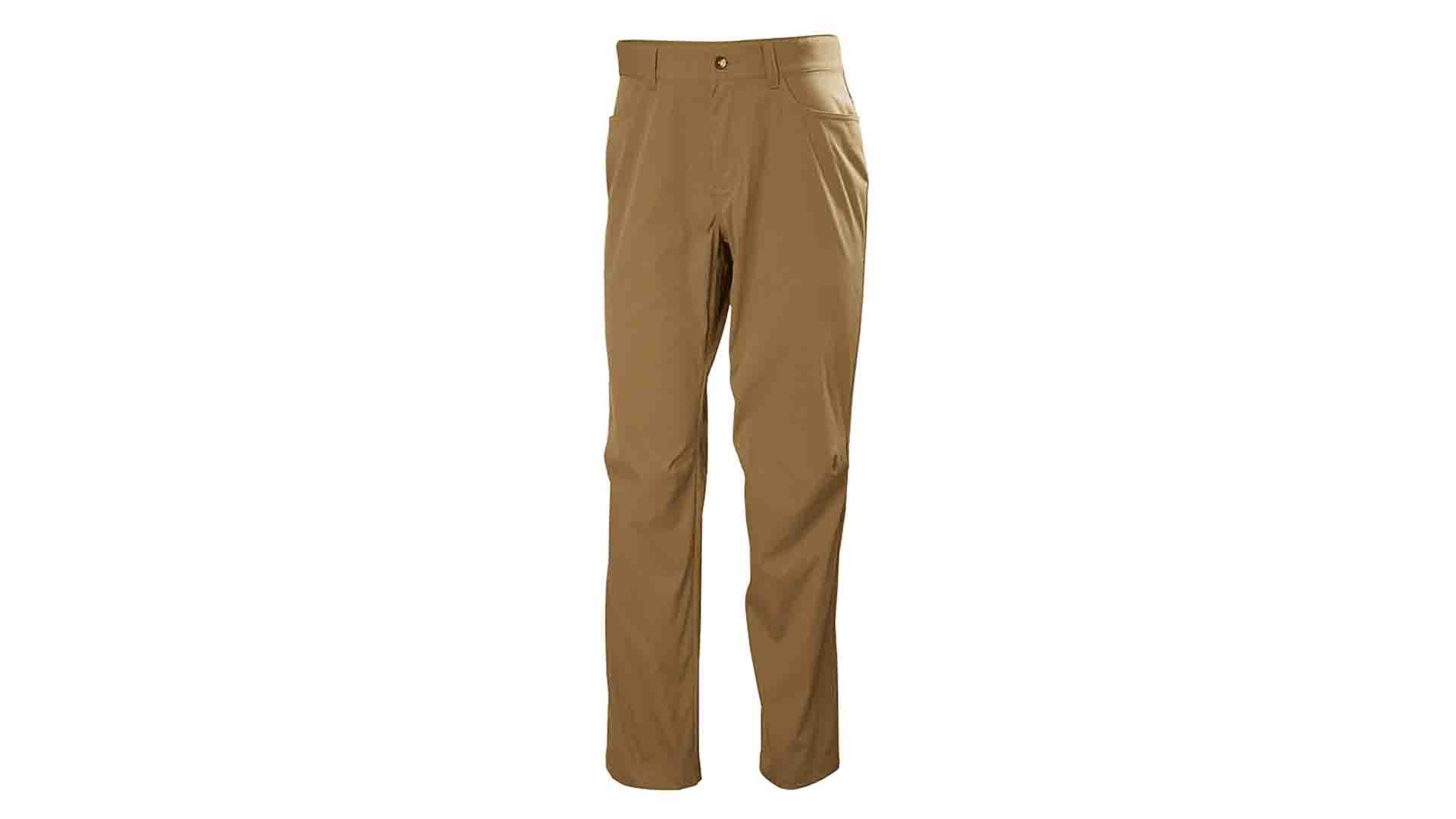
Versatile Crossover Trousers: Holmen 5 Pocket

Role: Travel, lower-output days and everyday versatility

For serious mountain days, the ultimate companion trousers to this layering system would be the Odin Huginn 2.0 Softshell Trousers (not pictured here) which offer durable wind resistance and stretch for movement in cold, changeable conditions

We’re also fans of the Holmen 5 Pocket (pictured), because not every winter day is a full-on mountain mission. They sit comfortably in the crossover space between technical outdoor wear and everyday clothing, making them a useful option for travel days, lower-level walking or time spent around huts and towns.

While they don’t offer the same weather protection or insulation as dedicated winter trousers, their clean design and durability make them a practical part of a broader winter wardrobe, especially when paired with baselayers. 

Best for: Travel, approach days, mixed-use scenarios

Buy the men’s Helly Hansen Holmen 5-Pocket Pants: £80 at Hellyhansen.com
Buy the women’s Helly Hansen Holmen 5-Pocket Pants: £80 at Hellyhansen.com


A System, Not Just Individual Pieces

The real strength of Helly Hansen’s winter range lies in how these layers work together. Rather than relying on a single “do-it-all” garment, this setup allows you to adapt to changing conditions by adding or removing layers as needed.

That approach not only improves comfort and performance, but also supports safer decision-making in the mountains, especially during winter, when weather and terrain can change rapidly.

Head to hellyhansen.com to discover more about Helly Hansen’s current mountain range.

Outdoors Magic x Helly Hansen
production