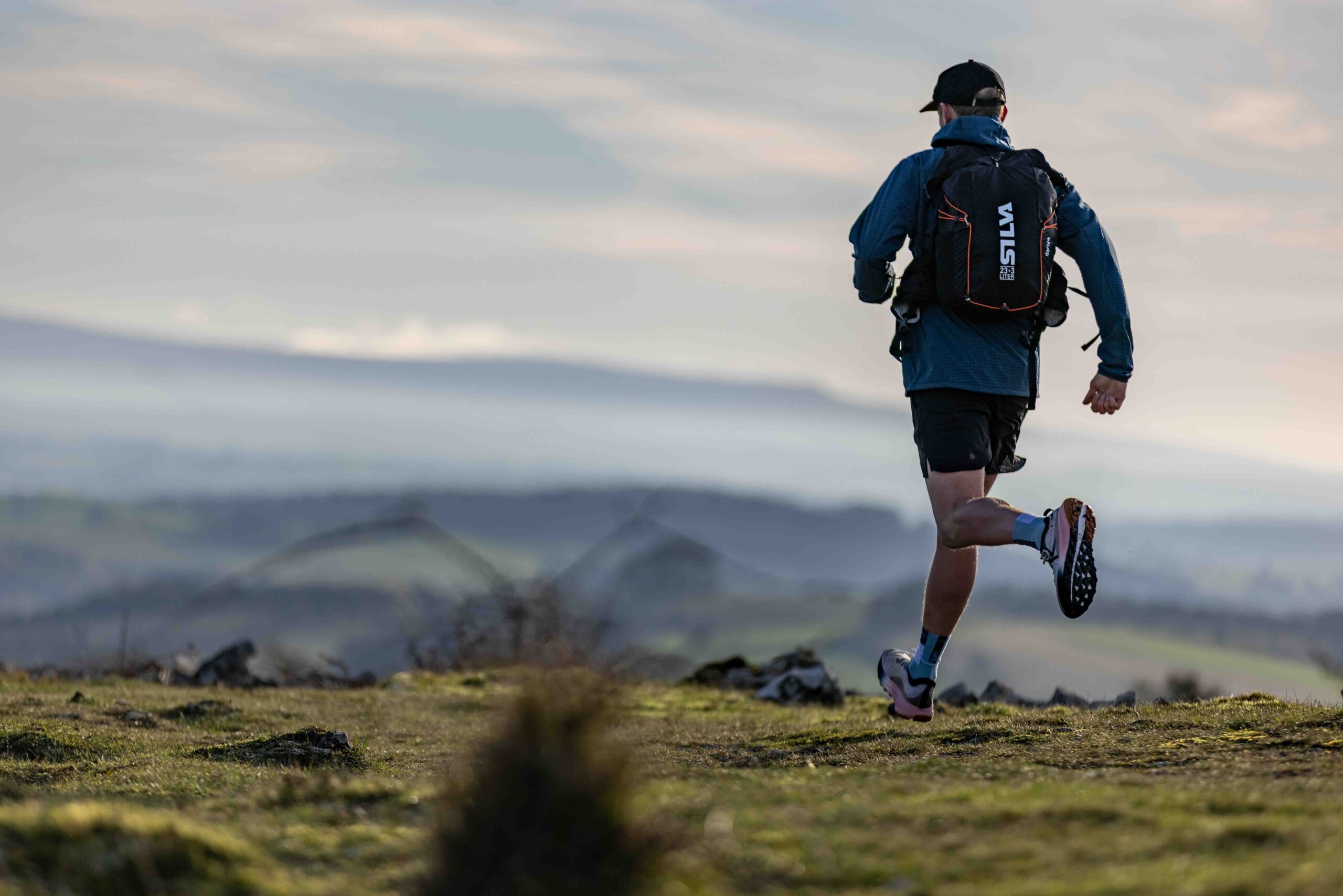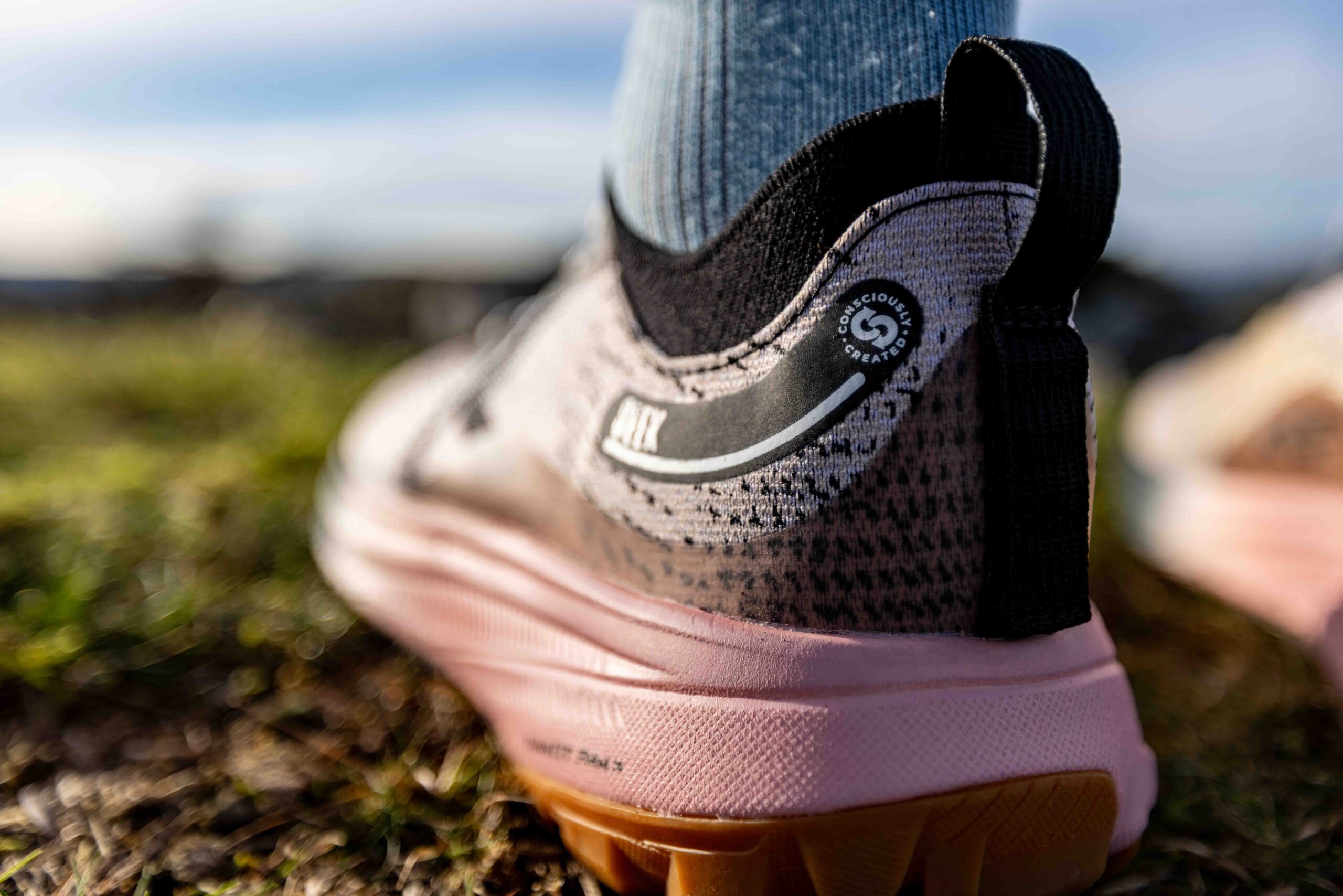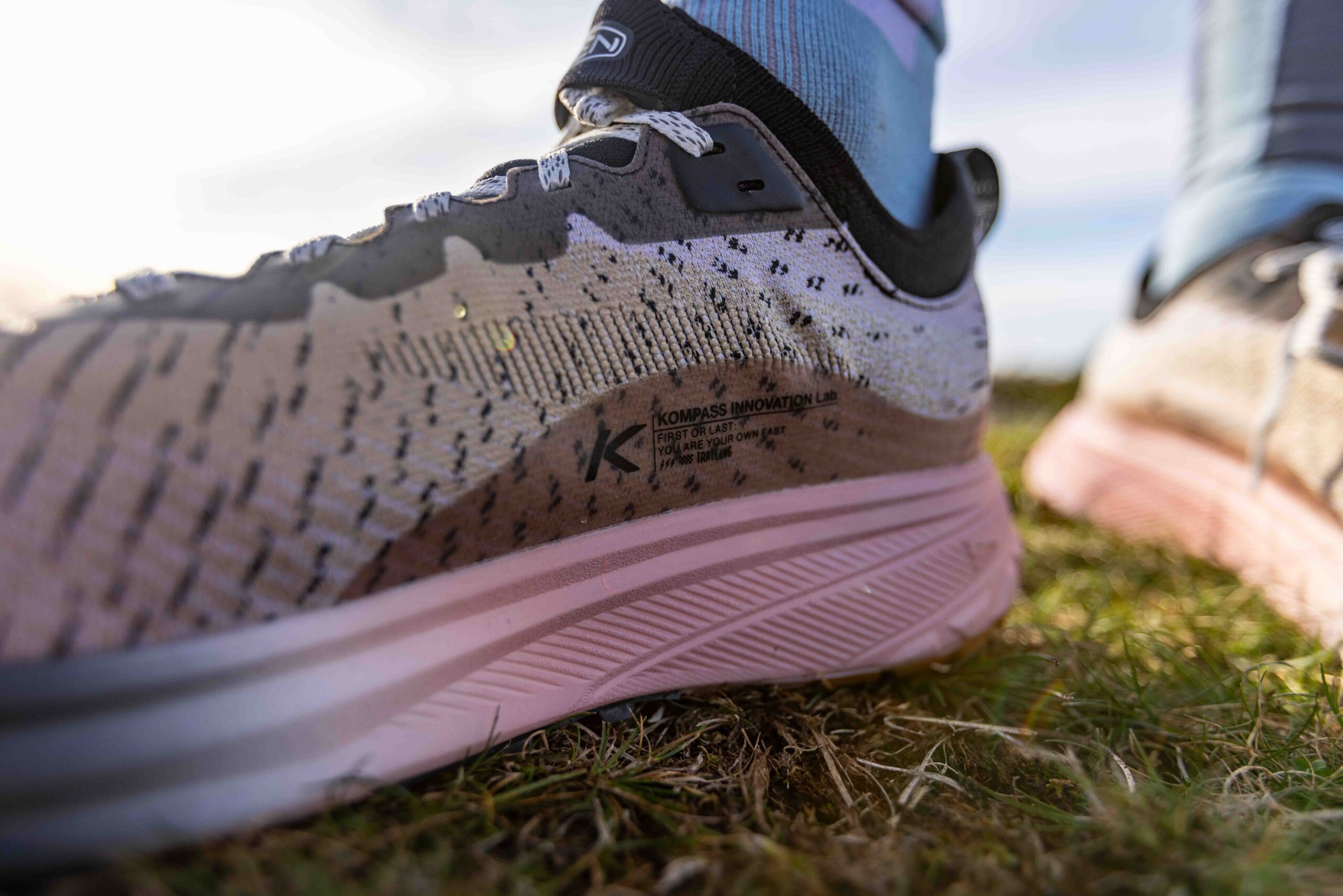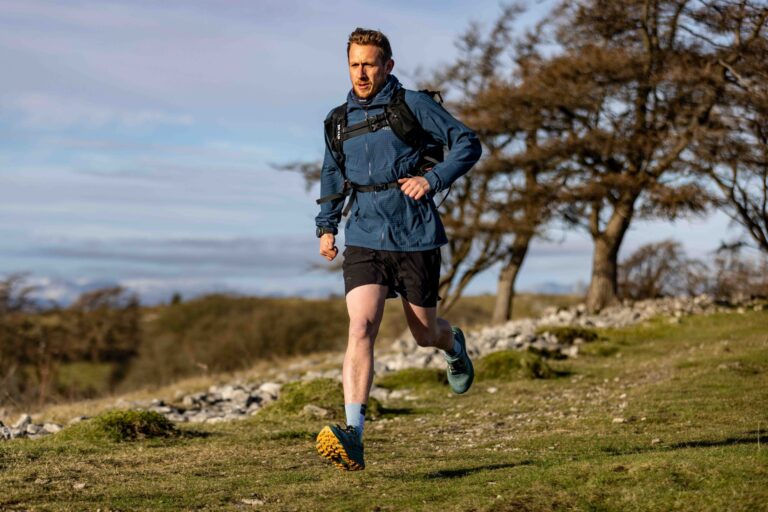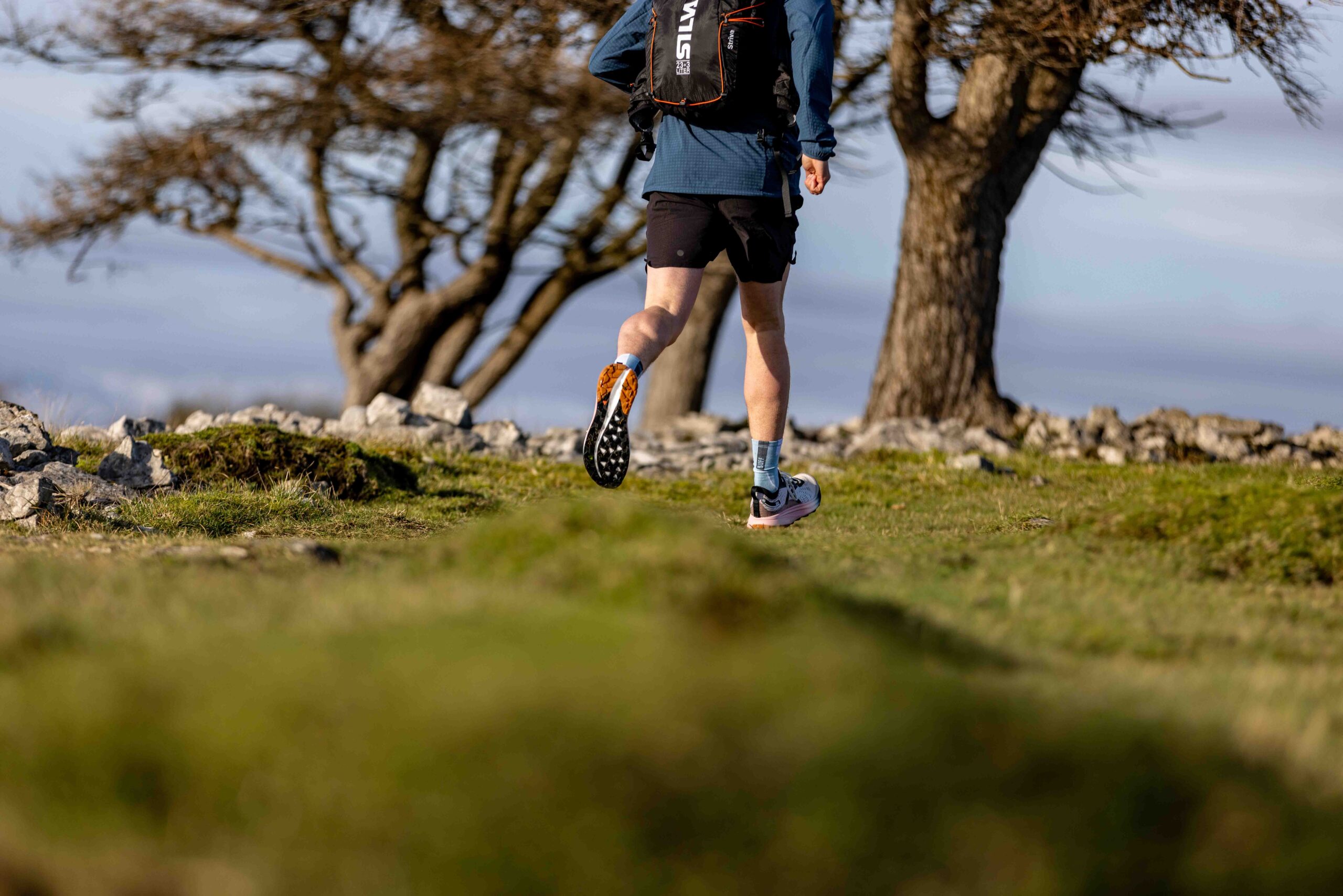
The Keen Seek enters the trail running world as one of those rare shoes that deliberately avoids shouting about being the fastest, lightest or most aggressive option on the market. Instead, it positions itself as a dependable, versatile daily trainer; something you reach for without overthinking terrain, distance or pace.
My first miles in the Seek came after a run of shoes at the opposite ends of the spectrum. I’d been spending time in the Asics Trabuco Max 4 – big, bouncy, heavily cushioned – and the Saucony Peregrine and Arc’teryx Norvan, which are both a bit more precision-focused. Switching into the Keen Seek was a reminder that not every shoe has to occupy a single extreme. What stood out immediately was the sock-like midfoot wrap, the gentle padding around the tongue and collar, and the moderate cushioning under the heel. It felt easy and familiar right away.
Here’s how I got on with it, across fells, chalk, winter slop and a few sneaky dry days in between.
How I Tested Them
I put the Keen Seek through a varied few weeks of winter running. I raced the Kendal Mountain Festival 10K in them – a mud-heavy, slippery affair that would challenge even the grippiest fell shoe. I took them into the Lake District fells for some rougher testing. And I clocked the bulk of my mileage closer to home on the chalk trails of the Wiltshire Downs, transitioning from tarmac to rooty forest paths and back again.
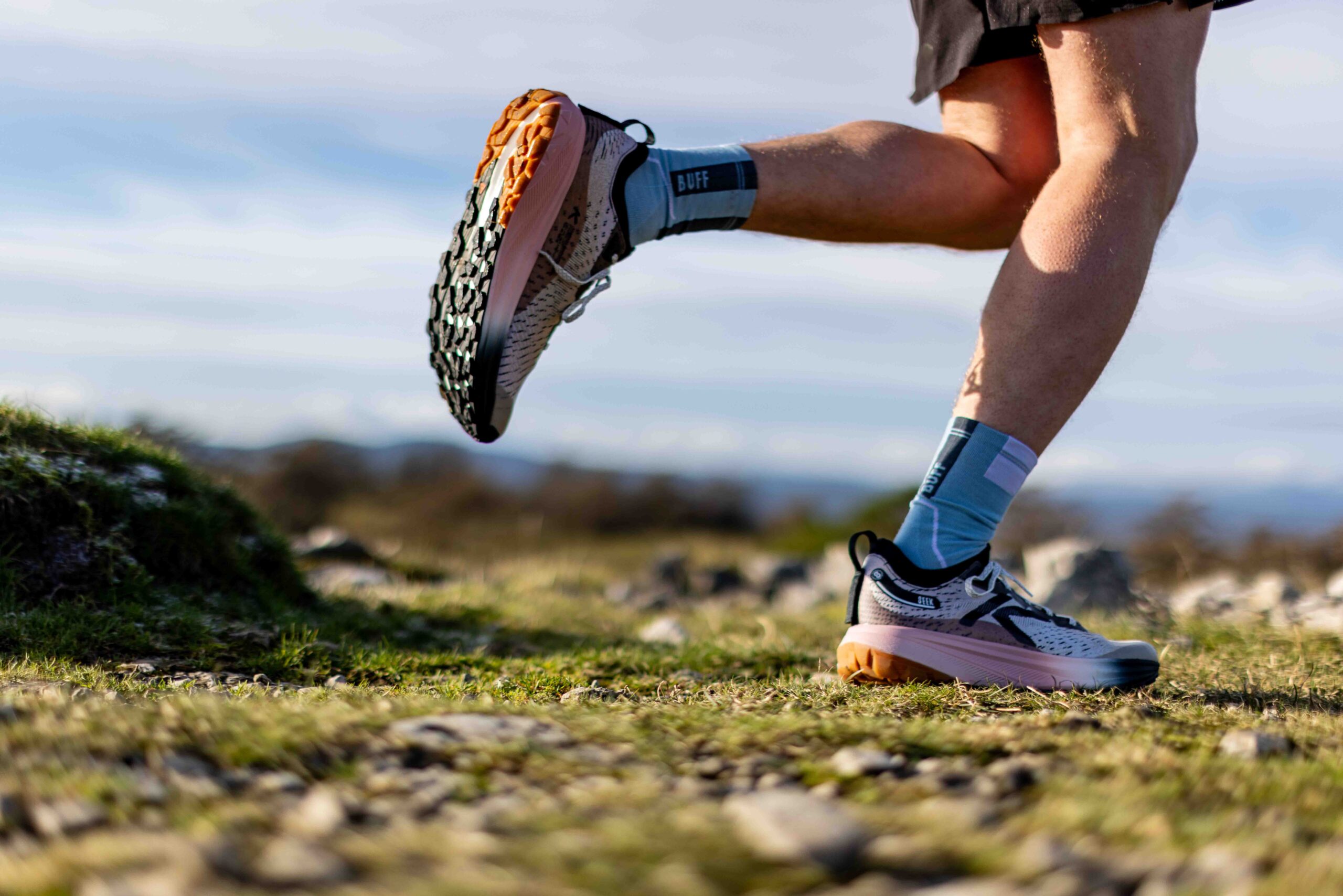
Conditions were almost exclusively wintery: cold air, heavy rain, greased-up chalk and the occasional stretch of frozen ground. I haven’t worn them in heat yet, but everything about the upper suggests they’ll be one of the cooler options out there.
Distances ranged from short, sharper 5–10Ks to gentle training runs around 8km, plus a handful of longer outings. All told, I’ve put roughly 100km into them so far.
Performance
The Seek sits comfortably in the middle of the cushioning spectrum. There’s enough protection underfoot for comfort, especially under the heel where the foam offers a moderate level of give, but it never tips into the realm of the ultra-plush. Under the forefoot, the midsole feels notably thinner – not harsh, but certainly closer to the ground. There’s still enough structure there to blunt the jabs from sharp rocks and roots, and I’ve never felt exposed or tentative in them.
In terms of ride character, the Seek is very much a steady, dependable companion rather than something that urges you to run faster than planned. There’s a hint of agility – more than in a maximal shoe, less than in something genuinely minimalist – and that “jack-of-all-trades” personality really does define it. It’s not built for one specialist purpose; it’s built to do a lot of things reasonably well.
The stability is excellent. On uneven ground, the platform feels planted without being overly stiff, and I’ve never had that moment of ankle-wobble that you sometimes get on off-camber trails. Climbing and descending are both handled confidently. There’s enough trail feel to place your feet accurately, but enough protection that you aren’t scanning the ground with every step.
Pros: Breathable, versatile, good anti-odour properties, nice shaping at the toes, seems built to last
Cons: Not much protection at the toe, lace garage is a little tight.
Buy the Keen Seek: £160 at Keenfootwear.co.uk
Traction
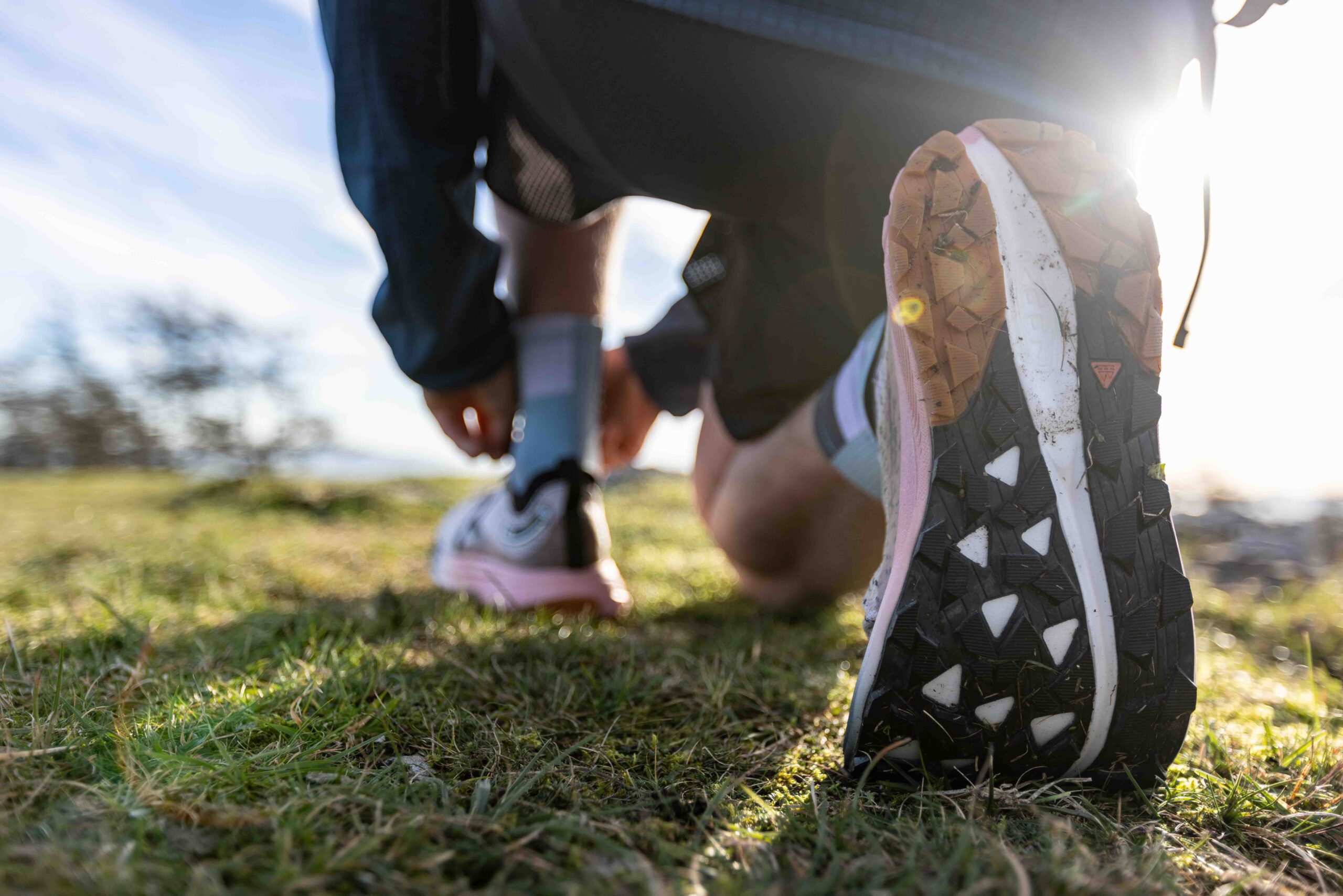
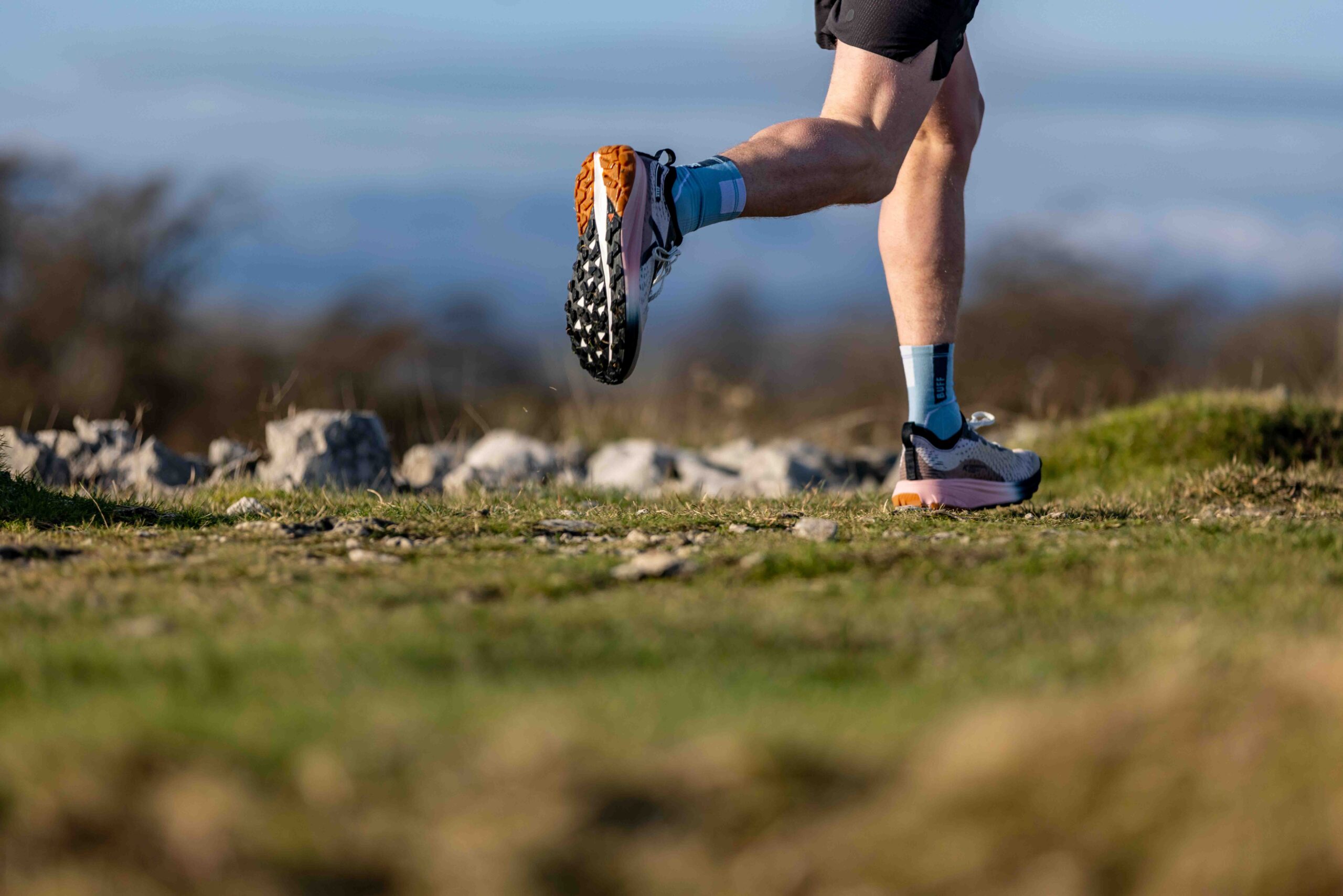
Keen uses a multi-purpose outsole on the Seek that feels tailored for exactly the kind of terrain I spend the most time on. On dry hardpack and on gravel, the grip is excellent – probably where the shoe feels most at home. It has that pleasing bite on loose material that gives you confidence through corners and on slight descents.
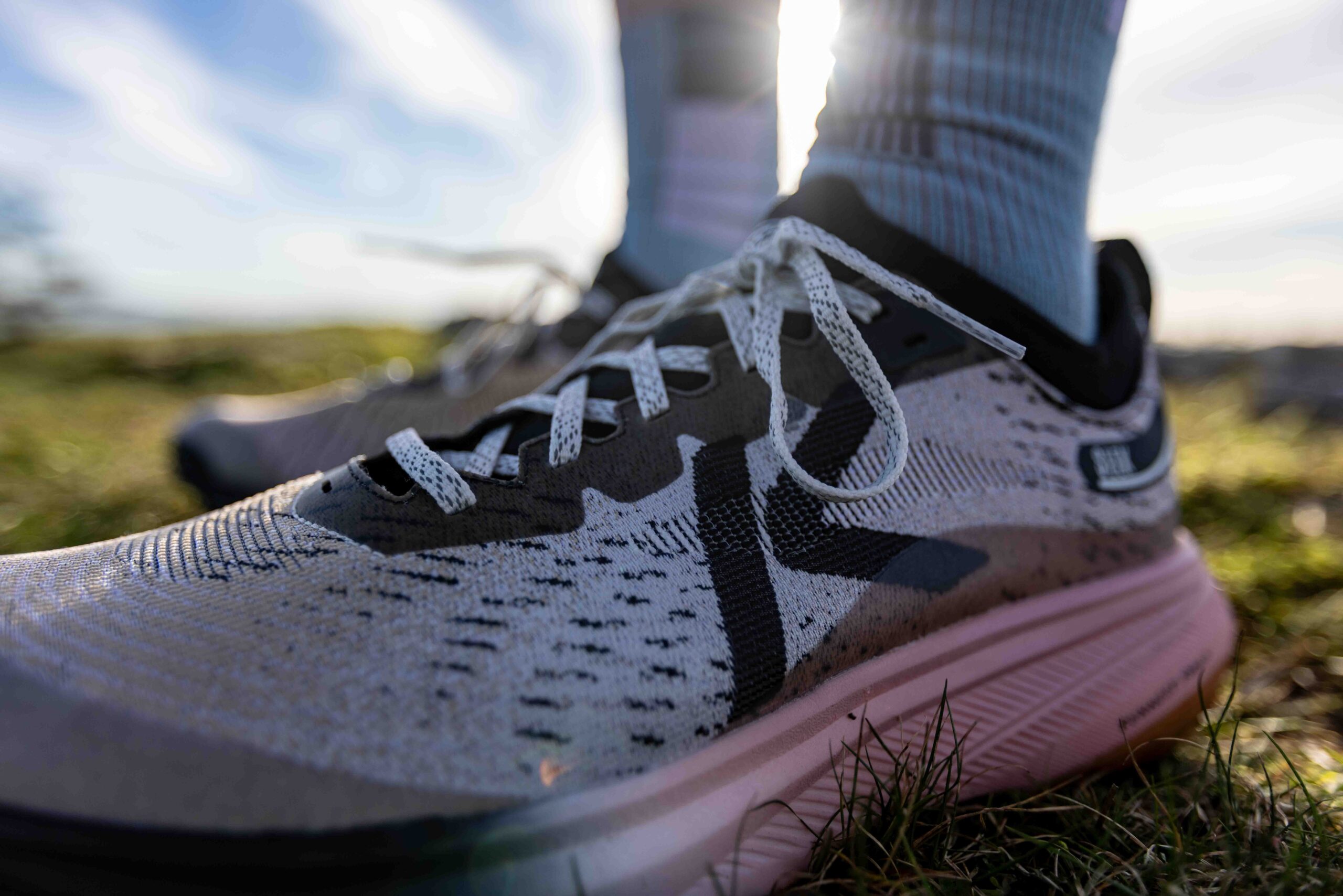
On wet rock, it performs about as well as most trail shoes in this category: not exceptional, not terrible. You won’t feel betrayed by it, but you won’t float over slick slabs either.
Related: Best Men’s Trail Running Shoes Reviewed.
Mud is another story. The Kendal 10K served up proper ankle-deep slop, and the Seek struggled at times – the lugs clogged quickly and traction dipped noticeably. This isn’t a fell shoe, and it doesn’t pretend to be. If you regularly run in saturated ground, bogs or deep winter trails, you’ll want something with much more bite. But on wet grass it’s surprisingly solid, offering enough grip to stay in control.
After the first 100km, the outsole rubber shows essentially no wear. Longevity looks promising, though the real test will come with bigger mileage. I’ll be back here to provide an update on that after some more time in the Seek.
Fit
Fit is one of the Keen Seek’s strongest qualities. The toe box sits in that “widish but not slappy or sloppy” zone – more room than a traditional narrow trail shoe, nowhere near as wide as a classic Altra Lone Peak. It’s relaxed enough to allow natural toe splay and manage foot swell on long runs, but structured enough that the shoe still feels precise and stable when moving over uneven terrain.