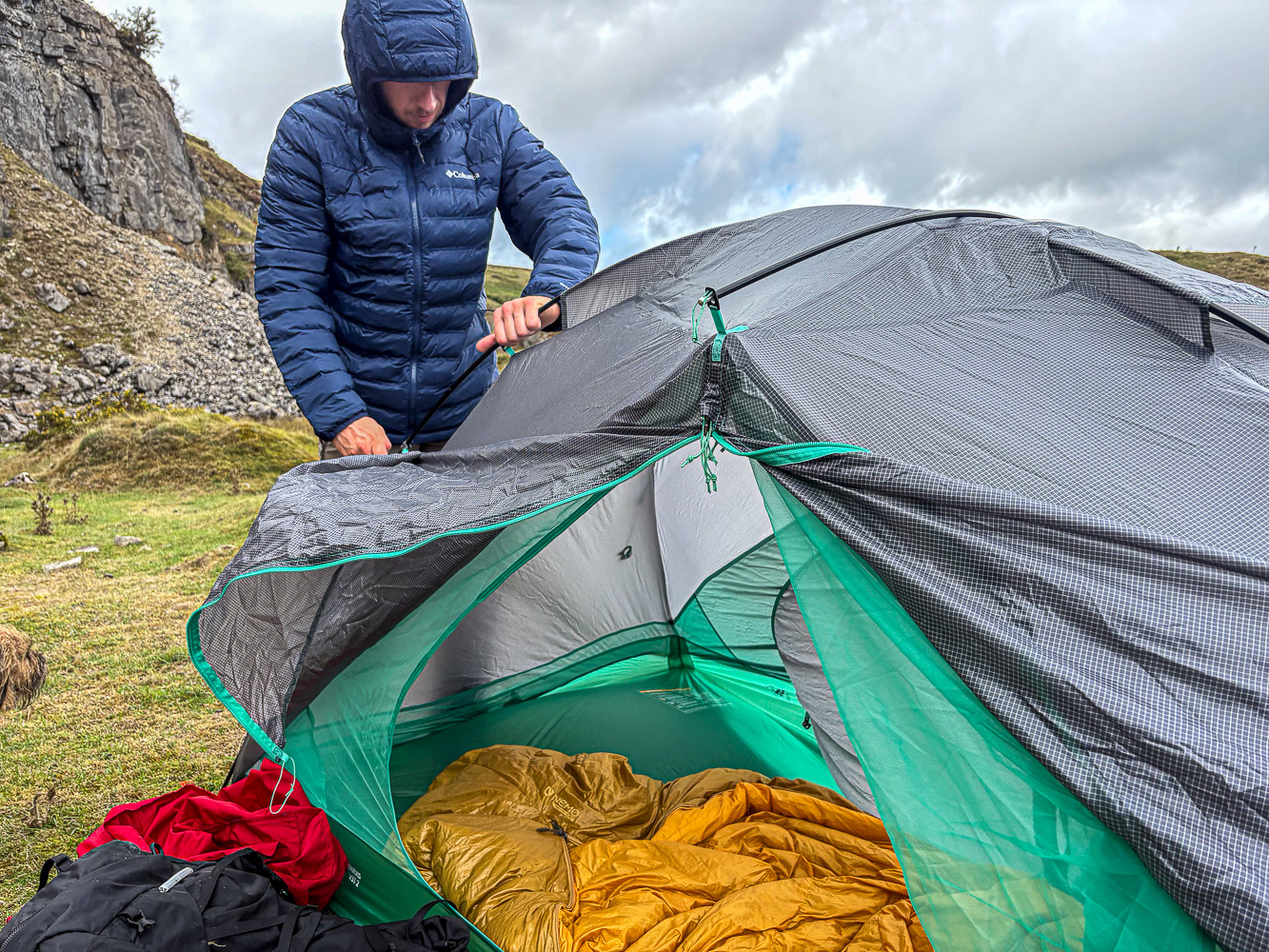
The Columbia Terwilliger Trail Hooded is the sort of insulated jacket that makes sense if you want one layer to do several jobs. It’s designed for outdoor use, with synthetic insulation and Columbia’s Omni-Heat Infinity reflective lining, but its clean styling means it doesn’t look out of place when worn around town or on the commute.
I’ve been testing it on autumn dog walks, evening campouts and hikes in the Black Mountains, as well as carrying it on hikes as a just-in-case insulating layer. I also found it particularly useful after wild swims, where its synthetic insulation meant I didn’t have to worry about the jacket becoming damp and losing much of its insulating ability.
At £180, it isn’t the cheapest synthetic insulated jacket around (I’d call it moderately priced) but it offers a good combination of warmth, durability and versatility.
Price: £180
Weight: 979g
Warmth rating: 6/10
Best for: Three-season hiking, casual wear
What we liked: Durable, good value for money, innovative heat reflective lining
What we didn’t like: hood not adjustable, quite heavy and bulky.
Top Line
The Terwilliger Trail is best thought of as a three-season synthetic insulated jacket rather than an ultralight mountain layer.
It provides enough warmth for moving around at temperatures approaching 0°C, although I wouldn’t rely on it as a standalone jacket while standing around in freezing conditions. For summer and autumn camping, chilly evenings and cold-weather walks, however, it’s a very useful layer.
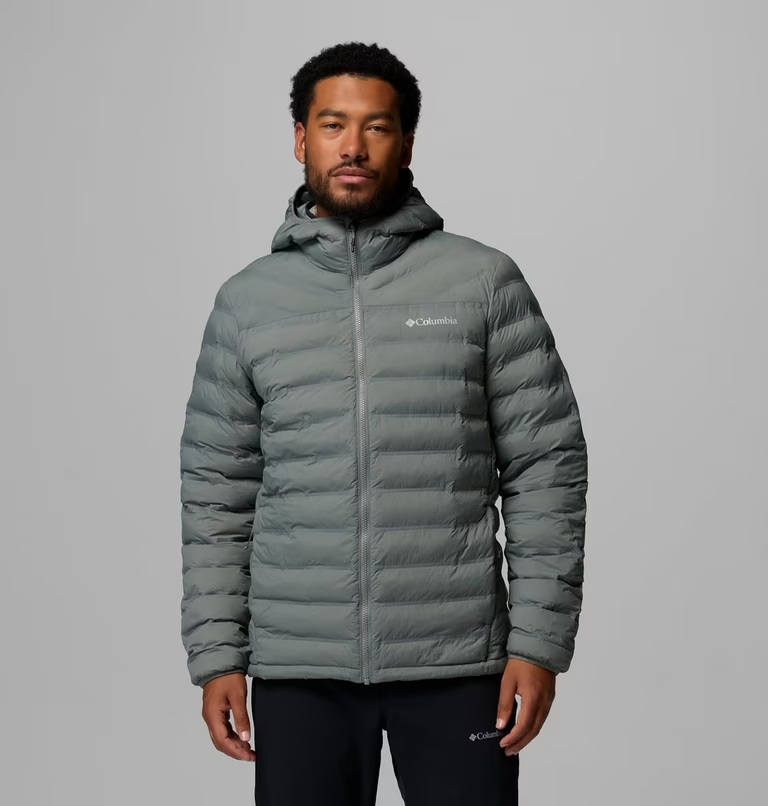
Columbia Terwilliger Trail
★★★½
Its biggest advantage is that it continues to insulate when it gets wet. That makes it particularly useful in the UK, where damp conditions are often unavoidable, and it works well underneath a waterproof shell.
The other standout feature is durability. The outer fabric feels considerably tougher than that of most lightweight down jackets, while the seamless baffle construction means there are no exposed stitches through which insulation can escape.
The trade-off is weight. There are more technical synthetic jackets with better warmth-to-weight ratios, but they generally don’t feel as robust.
Warmth and insulation
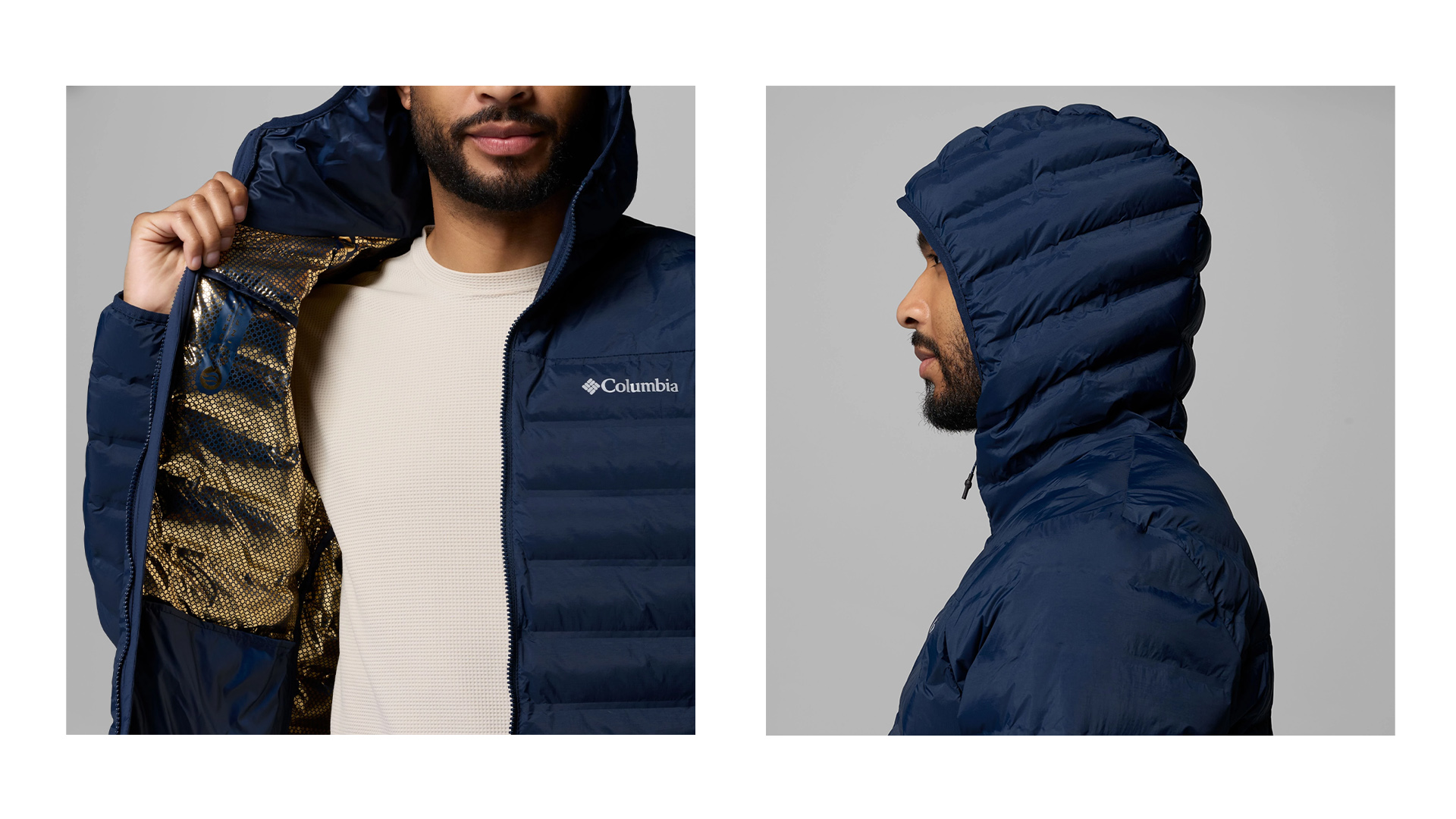
The Terwilliger Trail uses Columbia’s Thermarator synthetic insulation alongside an Omni-Heat Infinity reflective lining, which is designed to reflect body heat back towards you.
It’s difficult to quantify exactly how much difference the Omni-Heat lining makes during real-world testing, but the principle behind it makes sense and the material adds virtually no weight. More importantly, I found the jacket warm enough for its intended uses.
I’d describe it as a three-season insulator. It’s not a jacket I’d choose for standing around in sub-zero temperatures, but I found it kept me warm while moving in conditions around 0°C.
For me, it really comes into its own during evening campouts through summer and into early autumn, or at the end of spring when temperatures drop after sunset. It’s also an excellent layer to pull on during a windy summit stop.
In town, where you’re generally moving between buildings rather than standing around exposed on a mountain, I’d expect it to be warm enough for much of the UK winter.
The insulation doesn’t feel quite as lofty and airy as some PrimaLoft-filled jackets I’ve used, but it compresses reasonably well. You can bundle the jacket down to around the size of a large cantaloupe melon, although it’s still noticeably bulkier than a typical down jacket.
Warmth when wet
This is where synthetic insulation has a significant advantage over down.
The Terwilliger Trail has a water-resistant outer rather than being waterproof. The initial DWR treatment does a good job of shedding light rain, although, as with most insulated jackets, you’ll eventually need to refresh it with a treatment such as Nikwax if you use it regularly in wet conditions.
But even when the jacket does get damp, the insulation continues to provide a good degree of warmth.
I particularly noticed this after sea swimming. Pulling on an insulated jacket when you’re still damp is exactly the sort of situation where I prefer synthetic insulation, because I don’t have to worry about it absorbing moisture and becoming ineffective.
It also makes the Terwilliger a useful layer underneath a waterproof shell. I often find down can become damp from condensation when worn under a waterproof for extended periods. A synthetic layer is a more forgiving option in those conditions.
Wind protection and hood
The outer fabric blocks wind well, making the jacket particularly useful when you’re standing around rather than moving quickly.
The hood is more basic. It has an elasticated rim but lacks the rear toggle adjustment that I prefer on a technical outdoor jacket. It holds reasonably well but can billow in stronger winds.
There is a benefit to the simpler design, though: the hood sits comfortably underneath a climbing helmet. It also fits nicely over a broad-peaked cap, and the insulation around the collar and hood provides good warmth.
The hem has a useful toggled drawcord, while the cuffs are simple elasticated affairs. They work well with thin and medium gloves, although getting the jacket over thicker gloves is more difficult.
Fit and comfort
The fit is fairly straightforward, although I found it slightly boxy.
I’m usually a Medium but sometimes opt for a Large these days. I went for the Large with the Terwilliger Trail and found it a touch too big, so I’d recommend sticking with your usual size rather than sizing up for extra layering room.
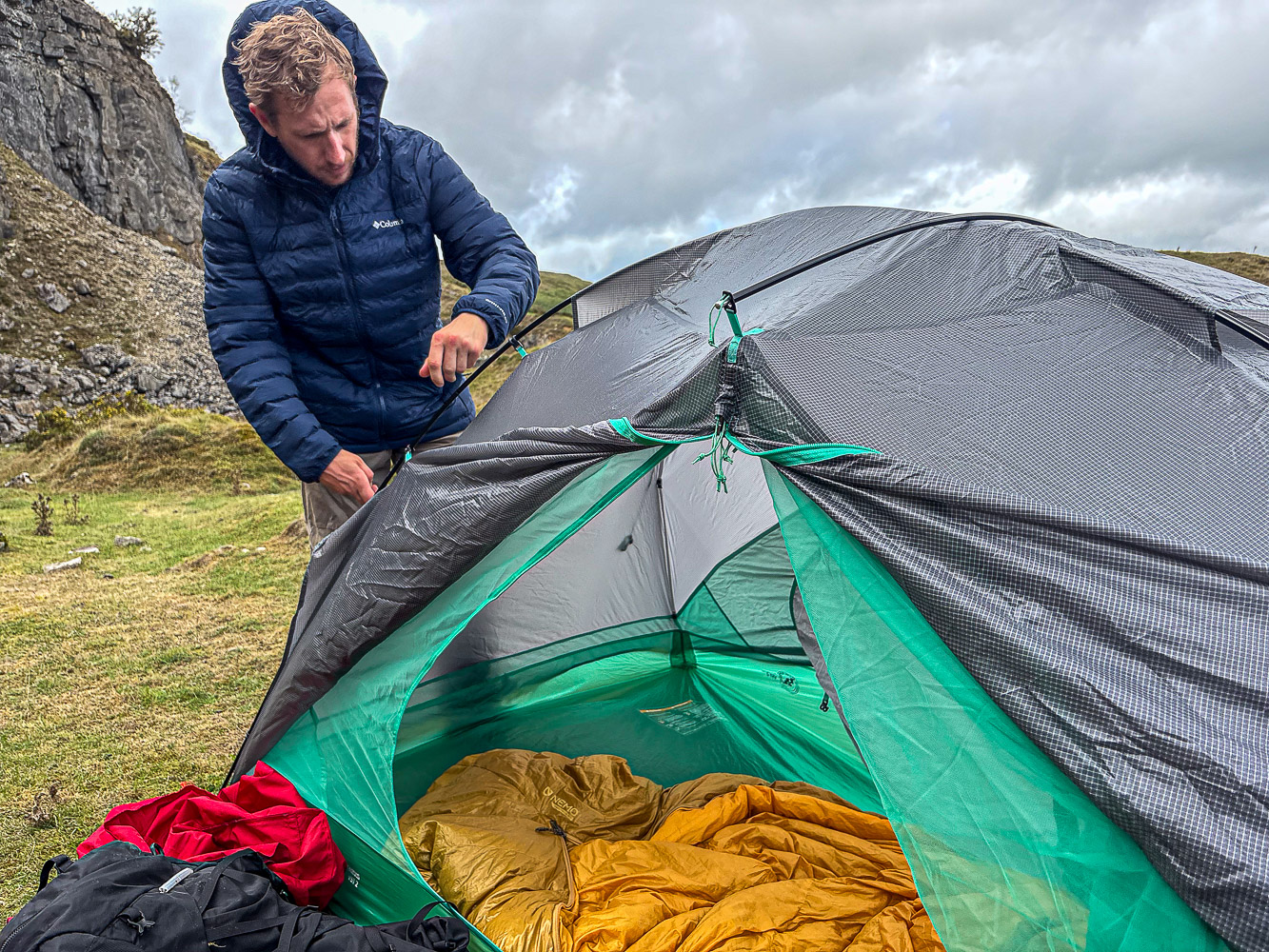
The fabric and insulation feel comfortable overall, although the inner material can feel slightly sticky against bare skin, particularly once you’ve worked up a sweat.
This isn’t really an active insulation piece anyway. It heats up fairly quickly when you’re climbing hard, so I prefer to put it on when I’ve stopped or when I’m moving at a relatively relaxed pace.
Pockets and practicality
The pocket arrangement is one of my main criticisms.
There are two large handwarmer pockets and two internal dump pockets, which are useful for gloves and can even accommodate an OS map. However, the absence of a chest pocket is a shame.
A chest pocket is particularly useful on an outdoor jacket for keeping a phone or other small valuables accessible, especially when wearing a backpack. The hand pockets are also partially compromised by a backpack hipbelt. Otherwise, the jacket is straightforward and easy to use, with no unnecessary features or complicated systems.
Durability
Durability is one of the Terwilliger Trail’s strongest qualities.
The outer fabric feels tougher than that of most lightweight down jackets and many synthetic belay jackets I’ve used. It gives you confidence that you can wear it around rocks, branches and general outdoor hazards without constantly worrying about damaging it.
The insulation is also protected by the construction of the jacket. There are no stitched-through baffles, meaning there aren’t rows of stitching where insulation can work its way out over time.
After my testing, I haven’t seen any significant wear. I could comfortably see this jacket handling rough rock and encounters with rogue branches. Barbed wire might be another matter, but that’s probably asking a lot of any insulated jacket.
The insulation has also bounced back well after being compressed in a backpack.
Columbia Terwilliger Trail vs the competition
The Terwilliger Trail is comparable with jackets such as the Montane Crag IN, Rab Cirrus Alpine and The North Face ThermoBall.
The Montane and Rab options have a more technical feel and offer better warmth-to-weight performance, making them more suitable for weight-conscious mountain missions. The Terwilliger counters with a tougher, more everyday feel.
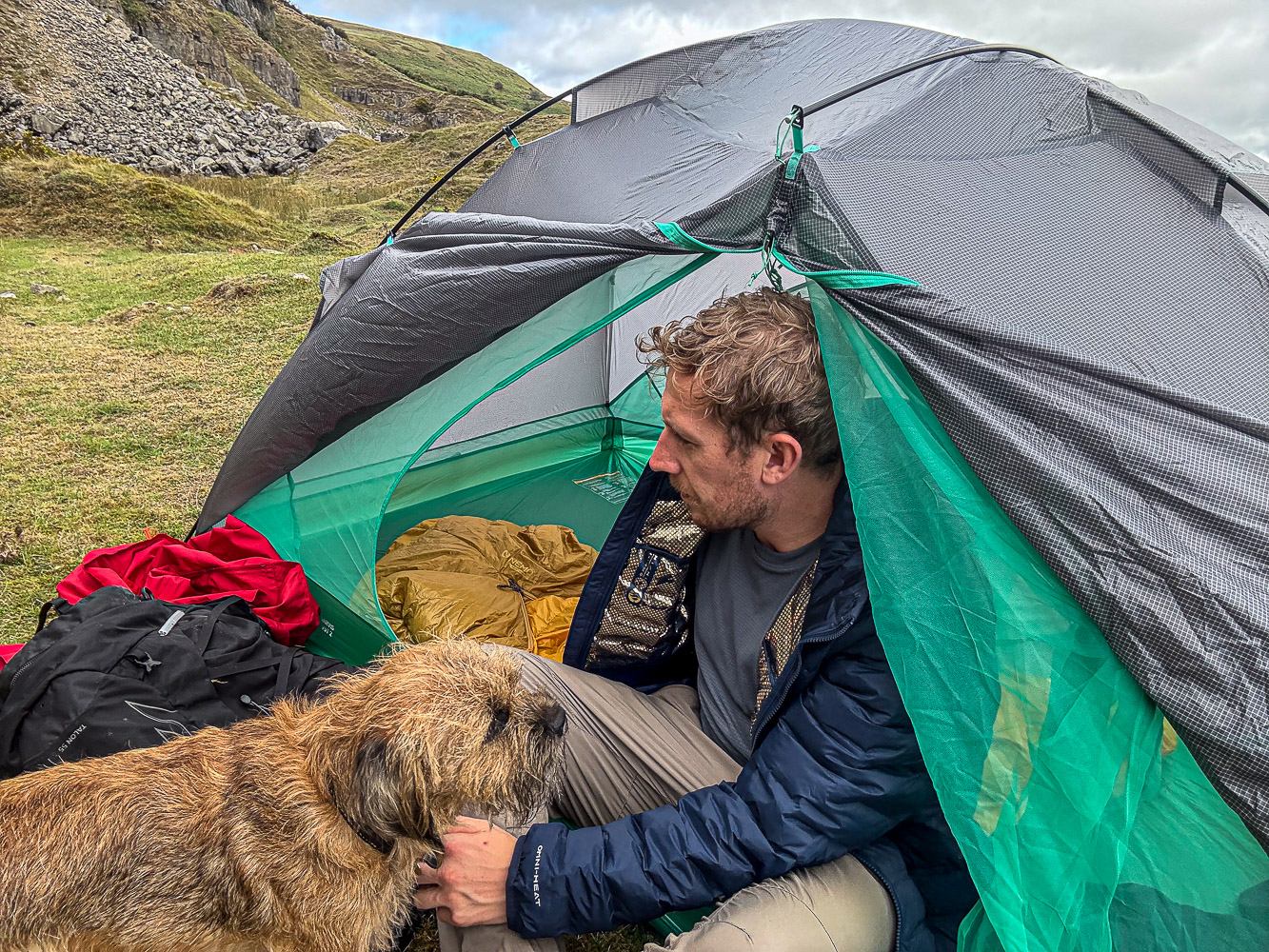
Compared with the ThermoBall, I found the Columbia warmer, while the materials also feel particularly good quality.
The Columbia’s other advantage is its crossover styling. It looks like an outdoor jacket but isn’t so technical that you’d feel uncomfortable wearing it to work, commuting or simply around town.
Verdict
The Columbia Terwilliger Trail Hooded is a good-value, versatile synthetic insulated jacket for both the trail and daily life.
At £180, it offers a lot for the money: useful three-season warmth, good wind protection, synthetic insulation that continues to work when damp, and a notably durable construction.
It’s particularly well suited to UK conditions, where wet weather and condensation can make synthetic insulation a sensible choice. It’s also a great jacket for camping, summit stops, post-swim warmth and as part of a winter layering system.
The compromises are mostly around weight and technical features. It isn’t an ultralight jacket, and there are lighter options with better warmth-to-weight ratios. The hood is basic, the pocket arrangement could be better and the jacket isn’t designed for high-output activities such as trail running.
But if you’re looking for a jacket that can move seamlessly between mountain, campsite and city, while providing reliable warmth without being overly delicate, the Terwilliger Trail is a compelling option.
Columbia Terwilliger Trail
★★★½