Arc’teryx has announced the launch of a new waterproof jacket and a new circularity program it’s calling System 0. It marks a new approach to product design, with the aim of keeping items in use for longer and eventually turning them into new products at the end of their usable life.
Announced on 26 August, the circularity program rethinks how the brand designs, manufactures, repairs and eventually recycles its technical apparel. Rather than treating sustainability as an add-on, Arc’teryx says circularity is now built into every stage of a product’s life, from the choice of materials right through to what happens once a garment is worn out. The intention is to keep every part of the product out of landfill at all costs – most notably with the nylon coming back as new virgin-grade ECONYL® yarn.
Designed to Persist
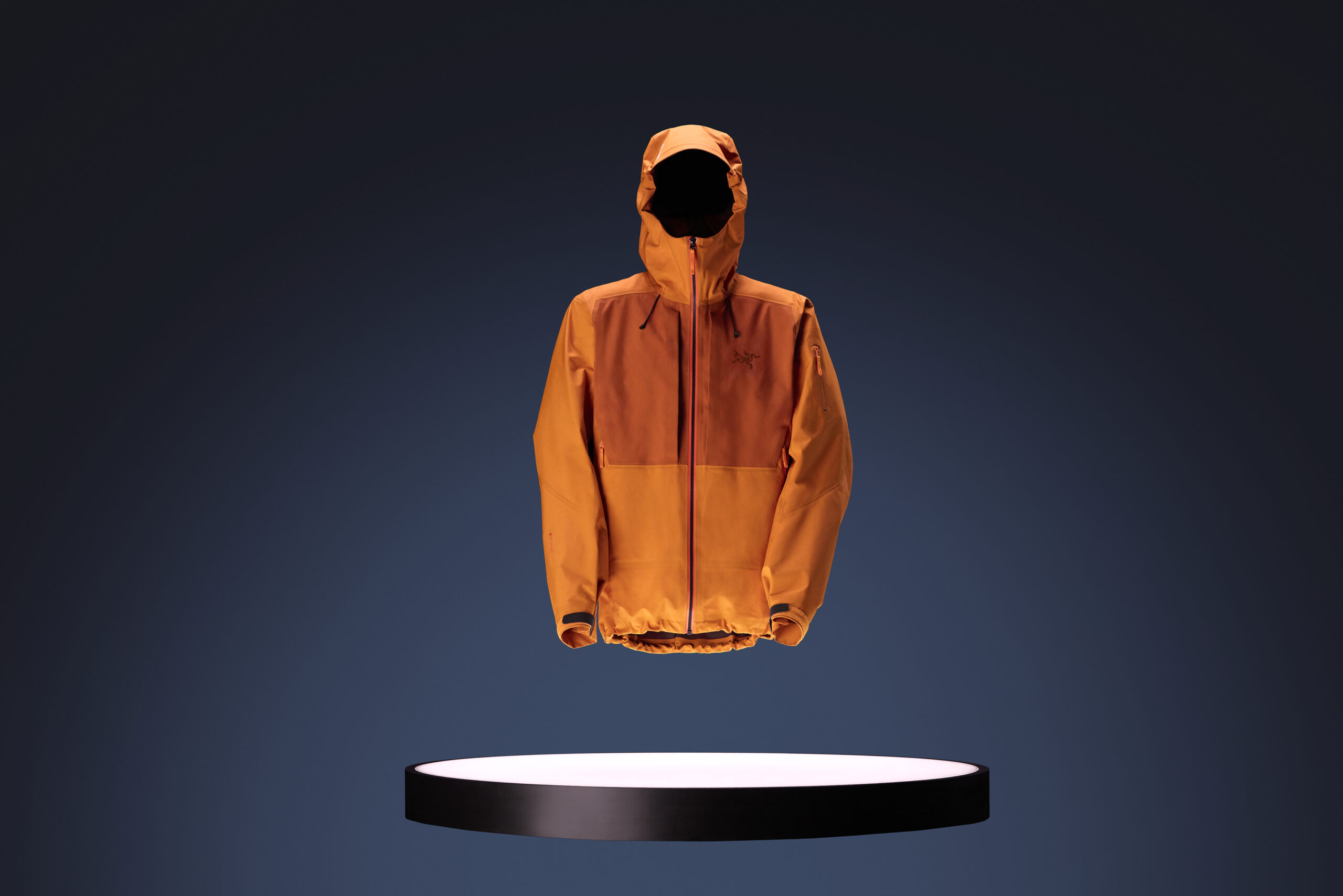
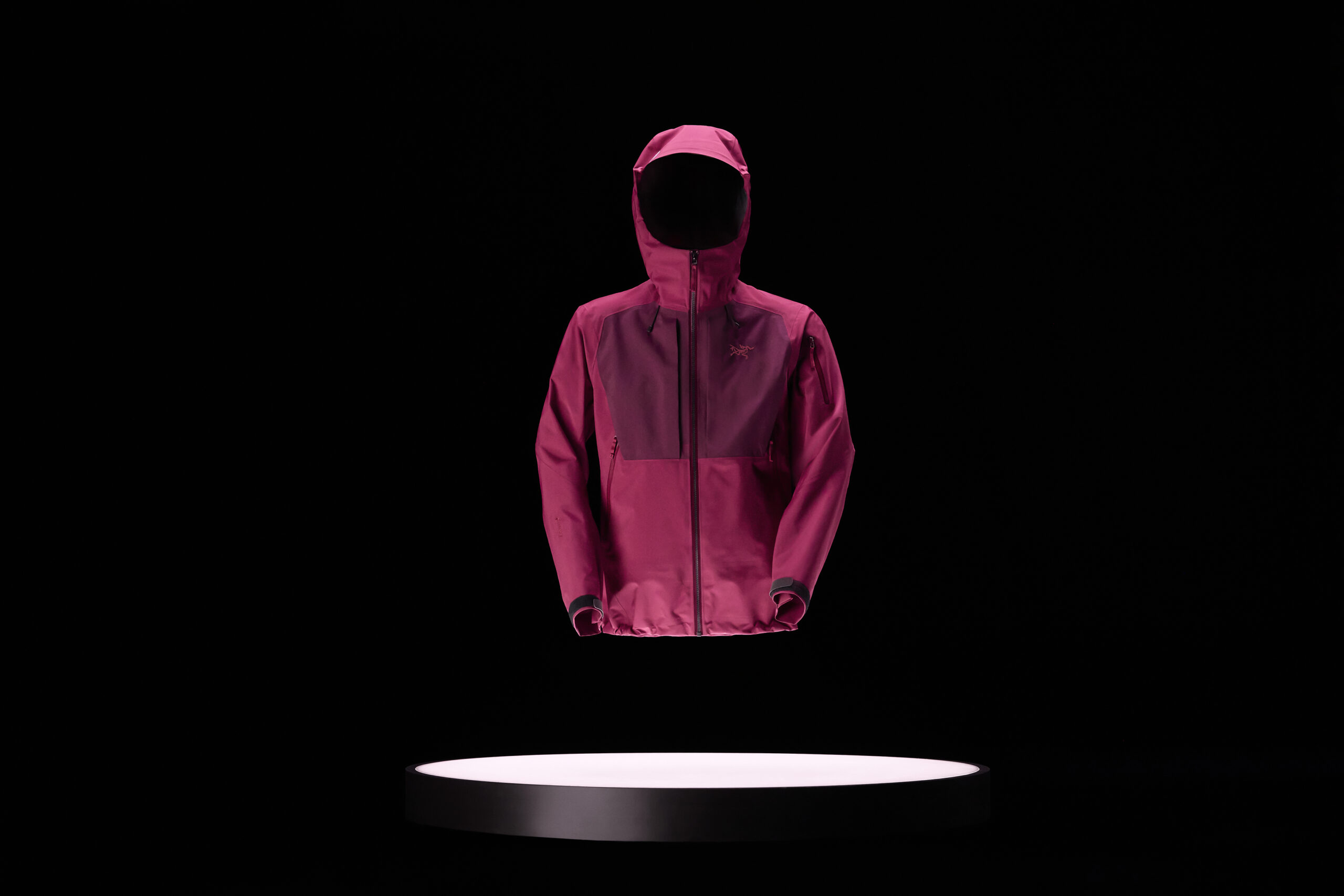
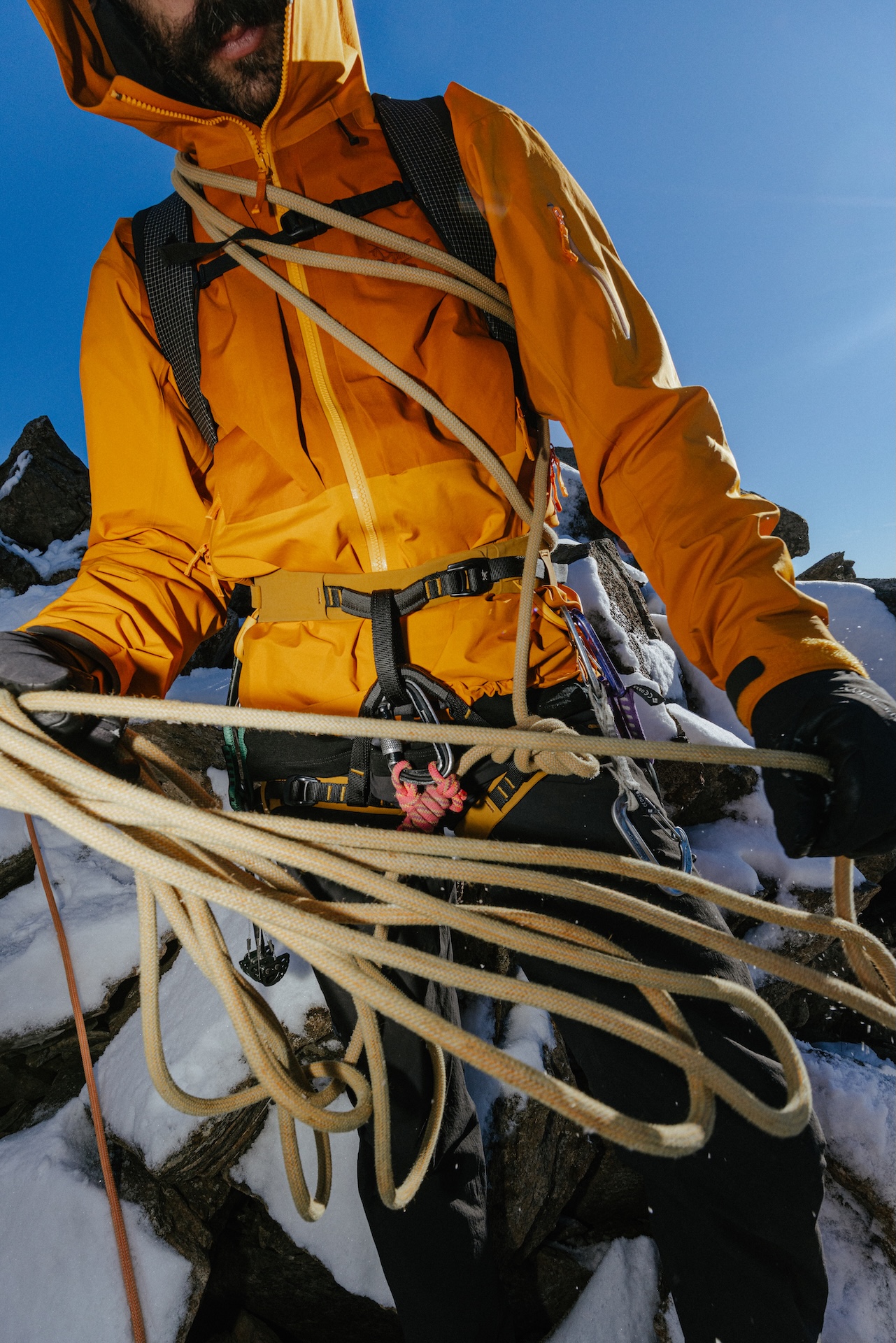
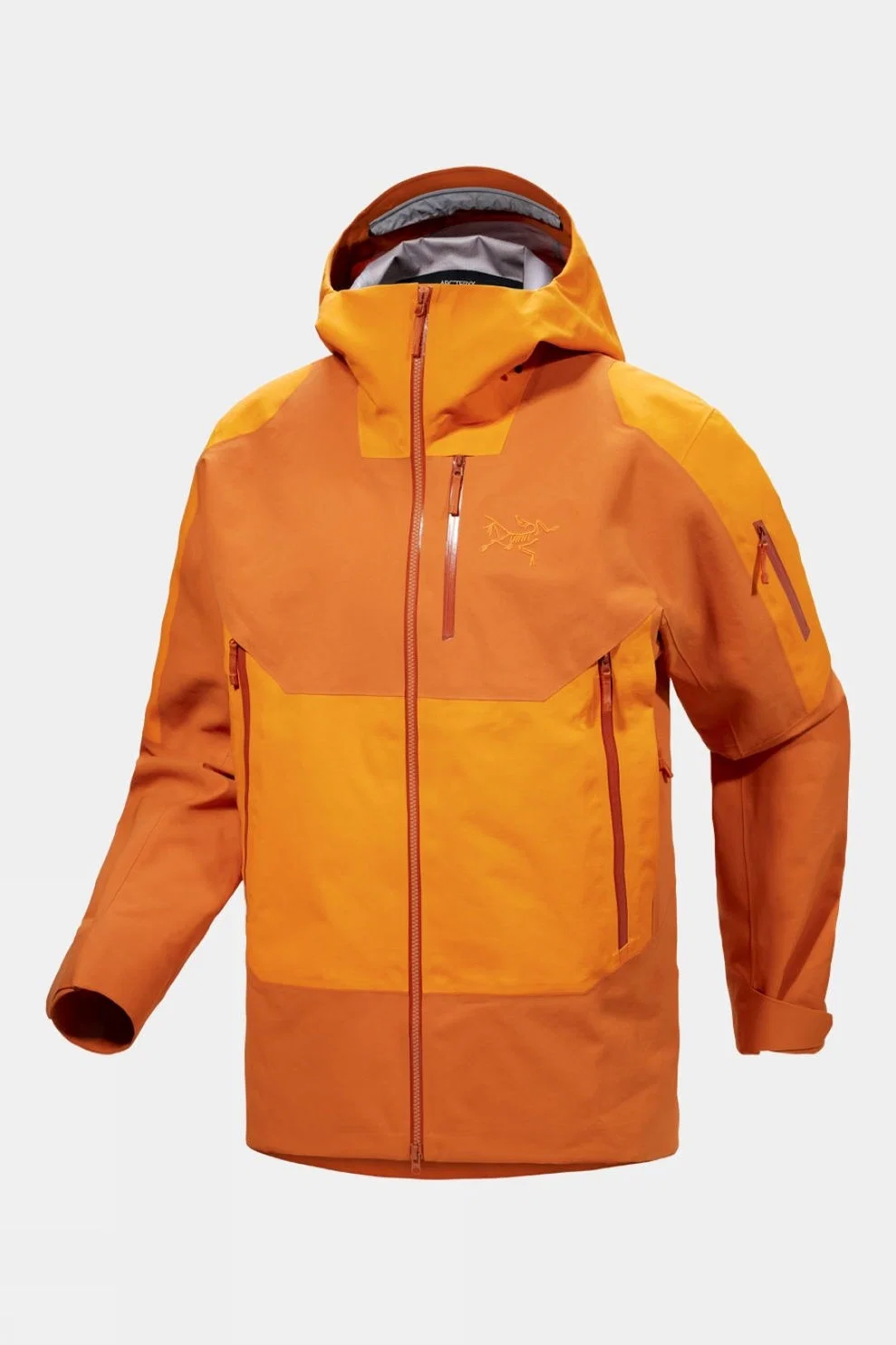
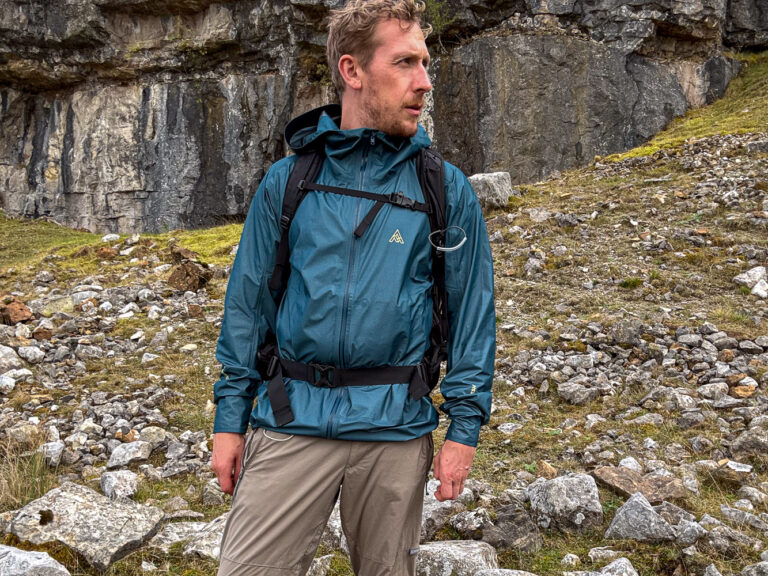
The first product to carry the System 0 badge is the Sperro SV, a high-spec hardshell built for multi-sport use. To begin with, the Sperro’s nylon face fabric and backer are made from yarn and materials derived from used goods such as fishing nets and rugs. This is produced in partnership with Aquafil, the makers of ECONYL® regenerated nylon.
It then sits alongside a Gore-tex ePE membrane developed with Gore-tex’s testing team to meet the brand’s usual waterproof, windproof and breathable standards.
Its design is also centred on durability, with hardwearing, reinforced fabrics, tough components and rigorous testing to ensure the standards are high.
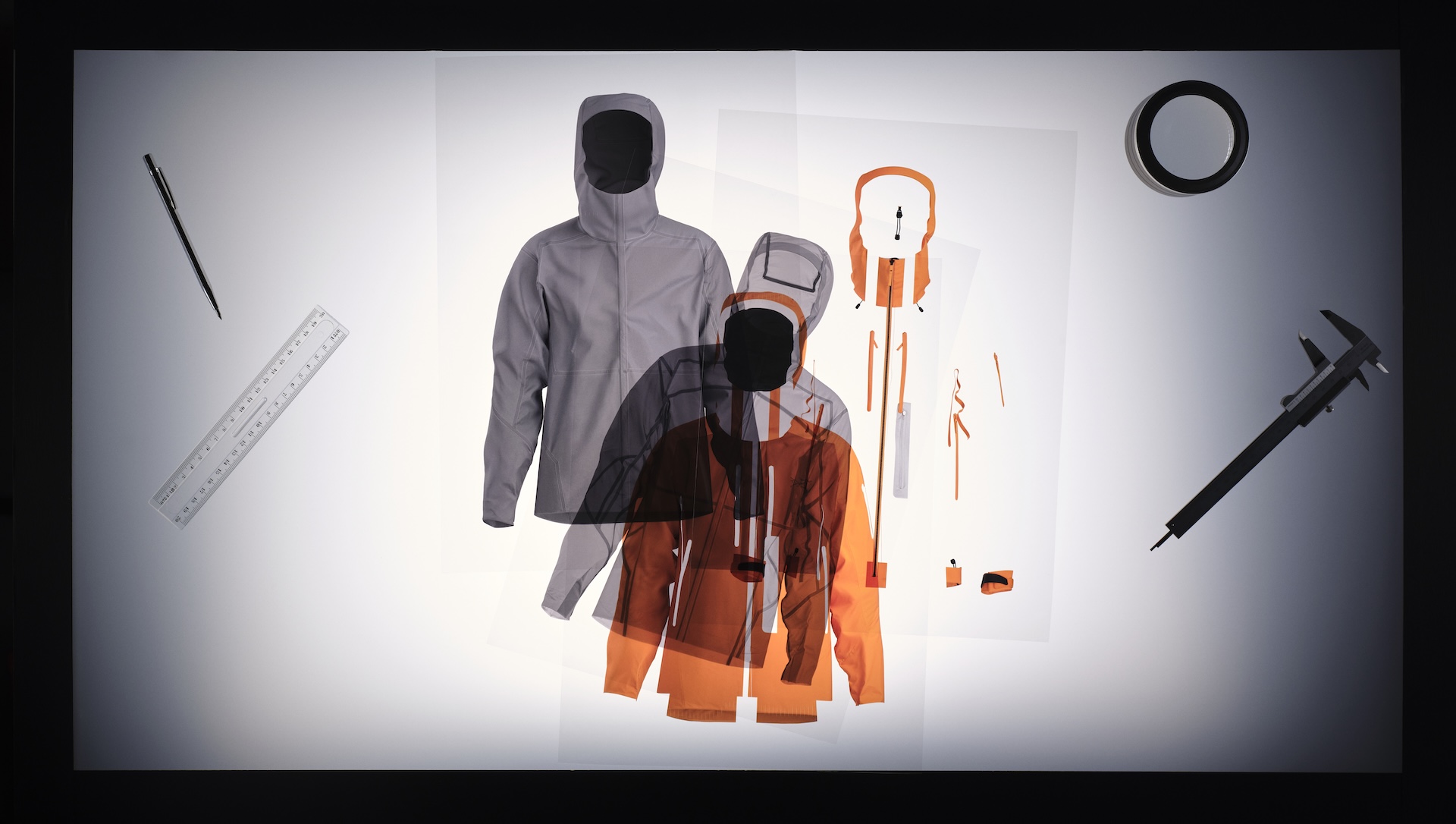
The zip on the Sperro SV deserves a mention here, as it’s constructed to be easily repaired. Zips are a common failure point on waterproof jackets, and repairing them is not typically straightforward. This alone is a major step towards extending the product’s lifespan.
On that note, the next priority in System 0 is repairability. If the jacket does need to be repaired, that’s where Arc’teryx’s ReBIRD scheme comes in. As part of System 0, the Sperro SV is covered by three years of unlimited repairs, with no questions asked. After that, repairs are still available through ReBIRD, but at a fair cost.
Linking the Loop
Even the best jackets won’t last forever, and what comes next is the hardest part of the puzzle for any technical jacket. However, Arc’teryx has developed a solution: chemical recycling.
When the jacket can no longer be repaired, it goes through a chemical recycling process that separates the nylon from the Gore-tex membrane, with the nylon sent to a company called Aquafil to be regenerated into new yarn. This keeps it out of landfill and creates new products in turn.
All of this makes it the first product to achieve the rigorous TESTEX® Circularity certification, a standard co-developed by Arc’teryx that’s designed to drive the outdoor industry as a whole forward.
“System 0 represents a fundamental shift in how we build and scale our business with circularity front of mind,” said Arc’teryx CEO Stuart Haselden, adding that the goal is a future where gear stays in use longer and is eventually regenerated into something new rather than discarded.
“We deliberately started with one of the hardest problems – a hardshell, the most complex product we make,” said Arc’teryx’s Chief Creative Officer, Katie Becker. “If we can solve circularity here, we believe we can apply what we learn across our entire system.”