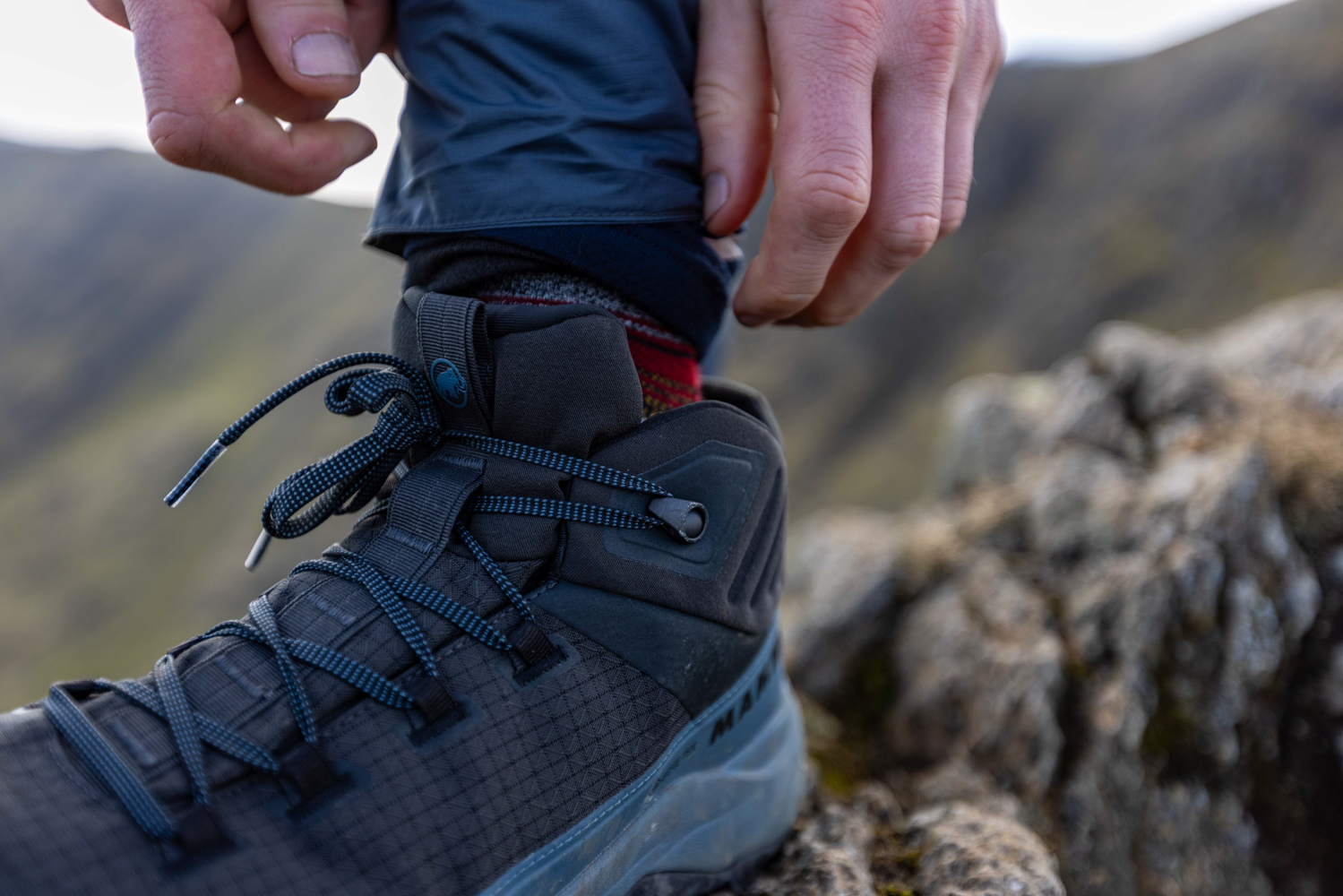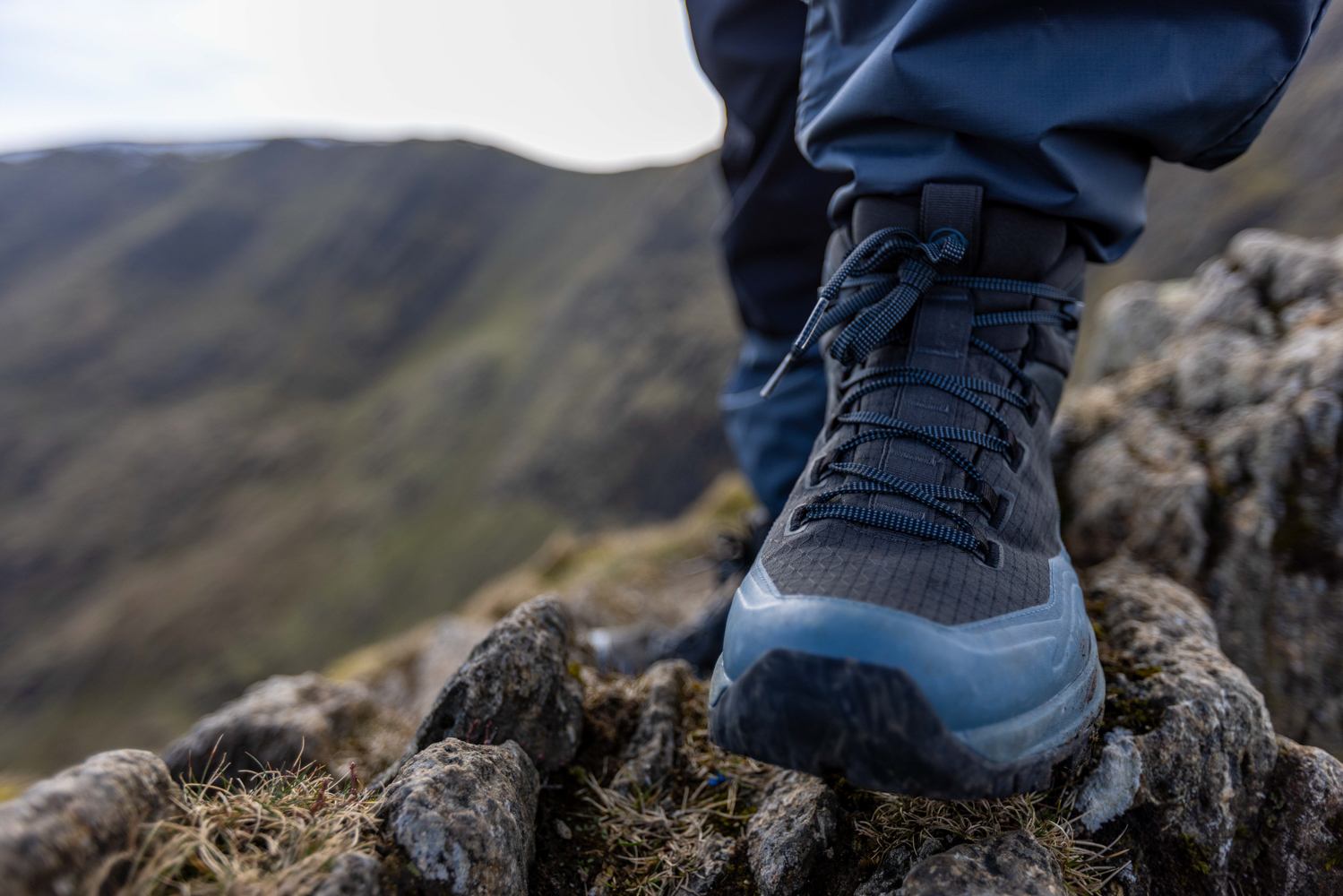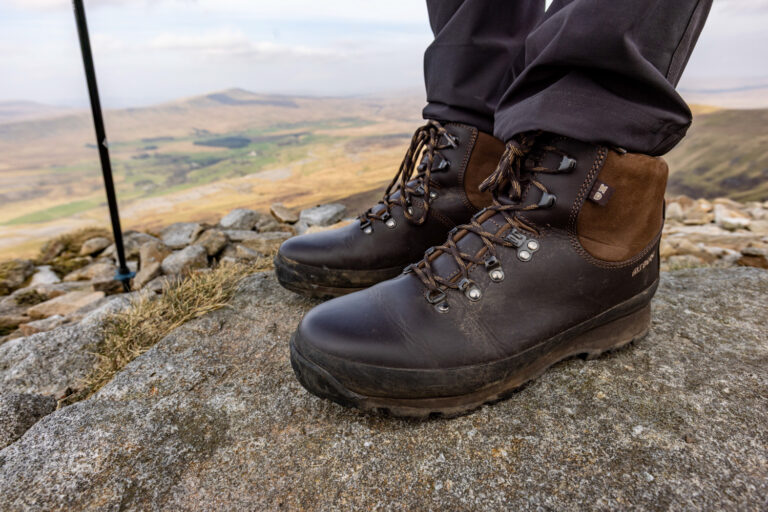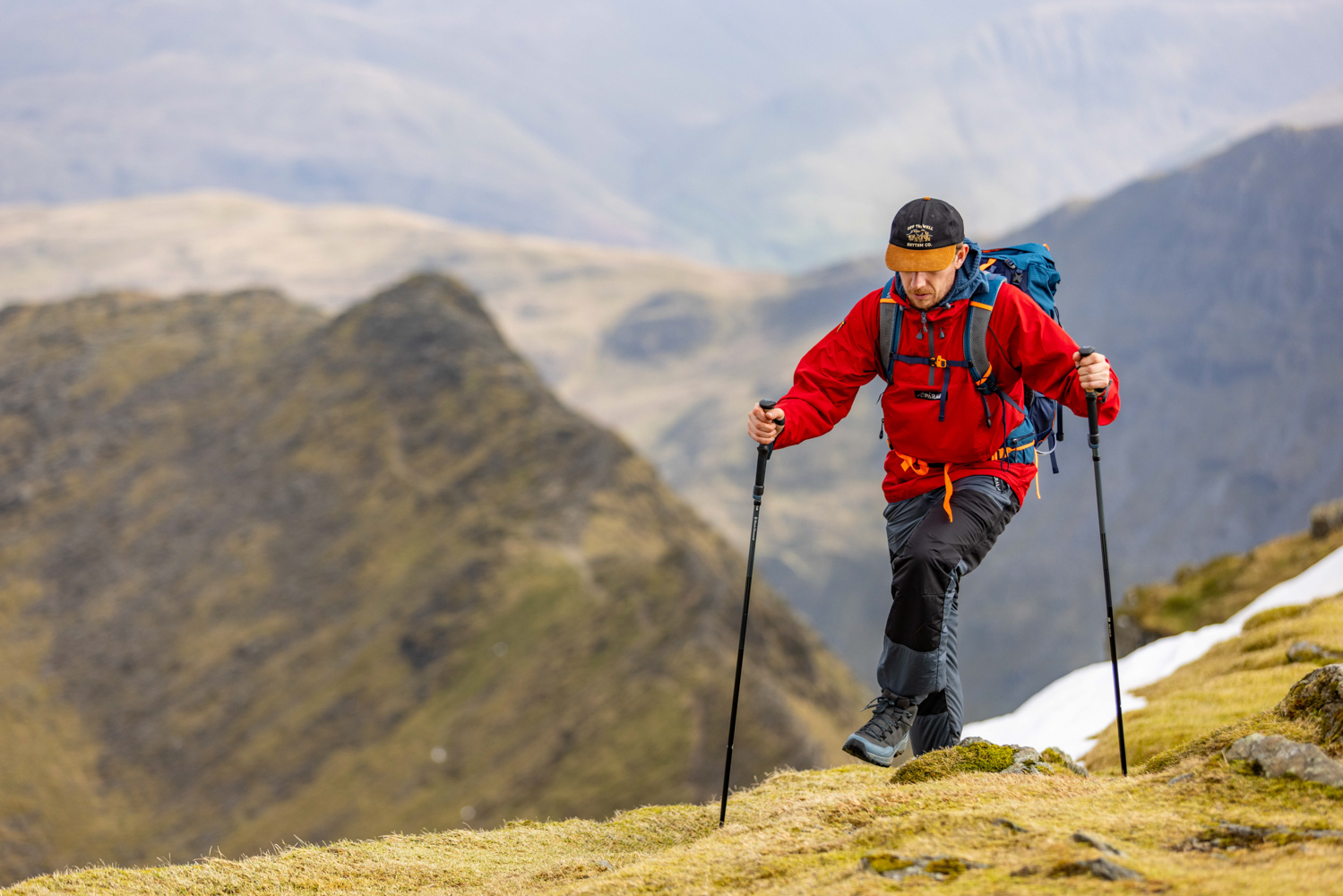
Walking boots have changed a lot in recent times, with many hikers favouring lightweight, highly cushioned options akin to trail running shoes, and there are loads of examples of these now from all of the main hiking footwear brands, including Hoka, Adidas Terrex, Aku and Scarpa. The Mammut Sertig III is Mammut’s take on the category. It’s a lightweight boot that weighs just 430g per boot (in a UK 10). In terms of style, to me, it’s something that doesn’t look out of place when on the trail or off it, which I tend to like from a hiking boot.
I’m a professional outdoor gear reviewer with over a decade’s worth of experience assessing gear for numerous different outdoor magazines and also a background as a customer assistant at a prominent outdoor store. I’m also an avid long-distance hiker, with big trails like the Wales Coast Path, Camino de Santiago and the Alta Via 2 under my belt.
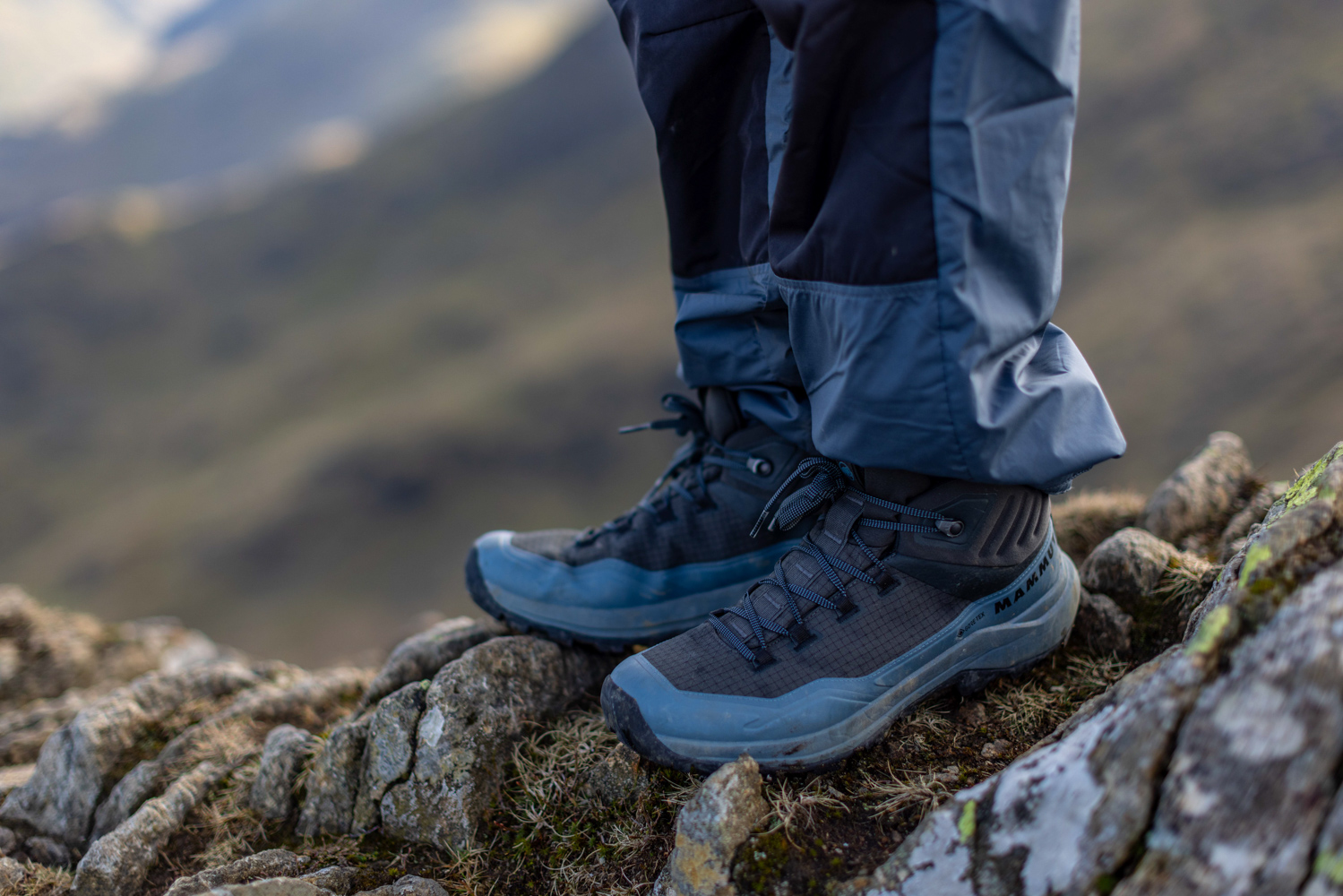
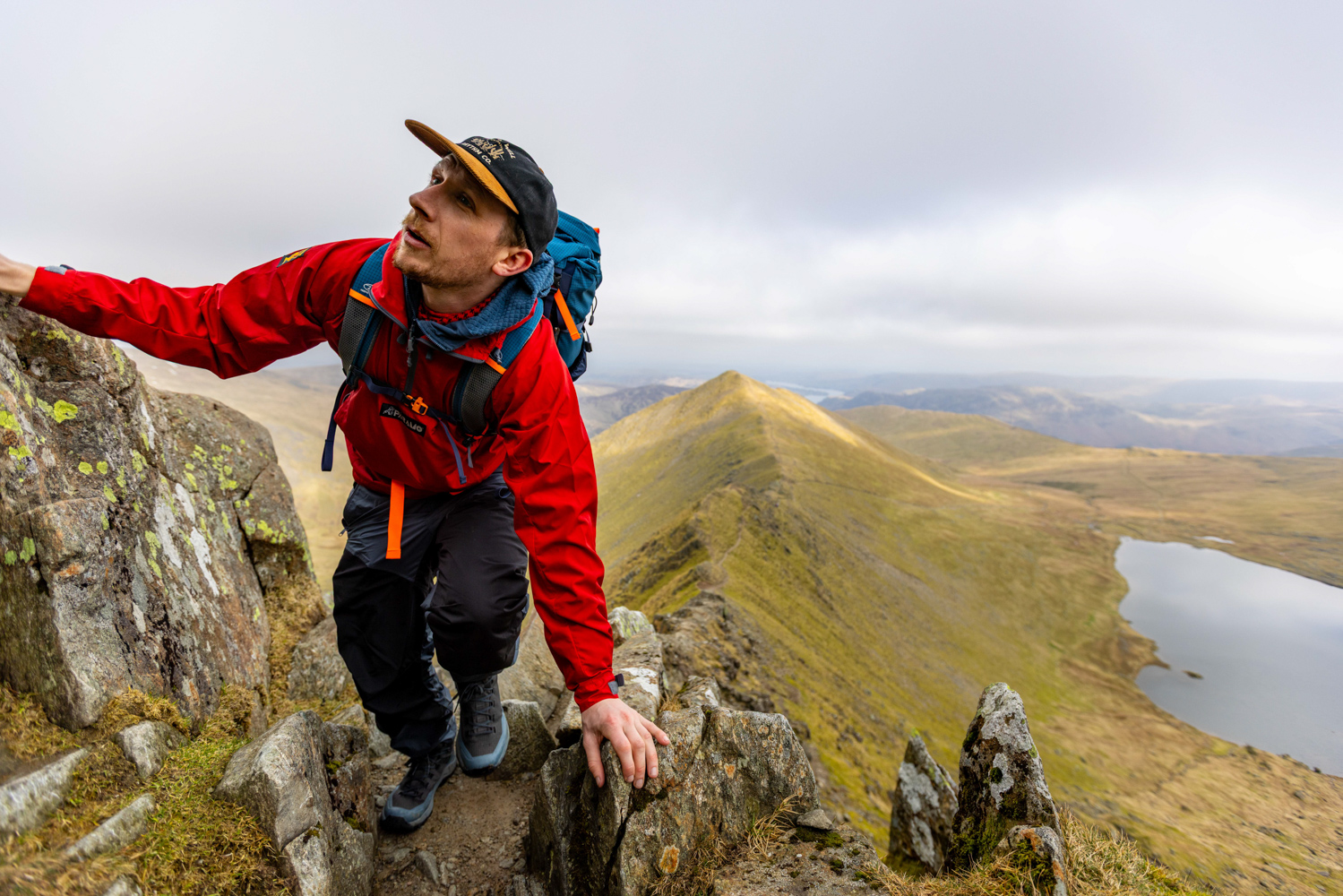
In this review, I’ll give you my full take on how the Mammut Sertig III performed for me through the tail end of winter in the UK and on multiple hikes through spring. I’ve worn it on a 6-hour hike of the Helvellyn ridges, on a 10-mile hike up and down Yr Aran in North Wales while checking routes for my hiking guidebook Peak Bagging Wales, and I’ve been wearing it almost daily just out and about, on everything from dog walks in the Wiltshire Downs to trips to the shops (it’s got a pretty casual look to it after all).
Mammut Sertig III Key Details
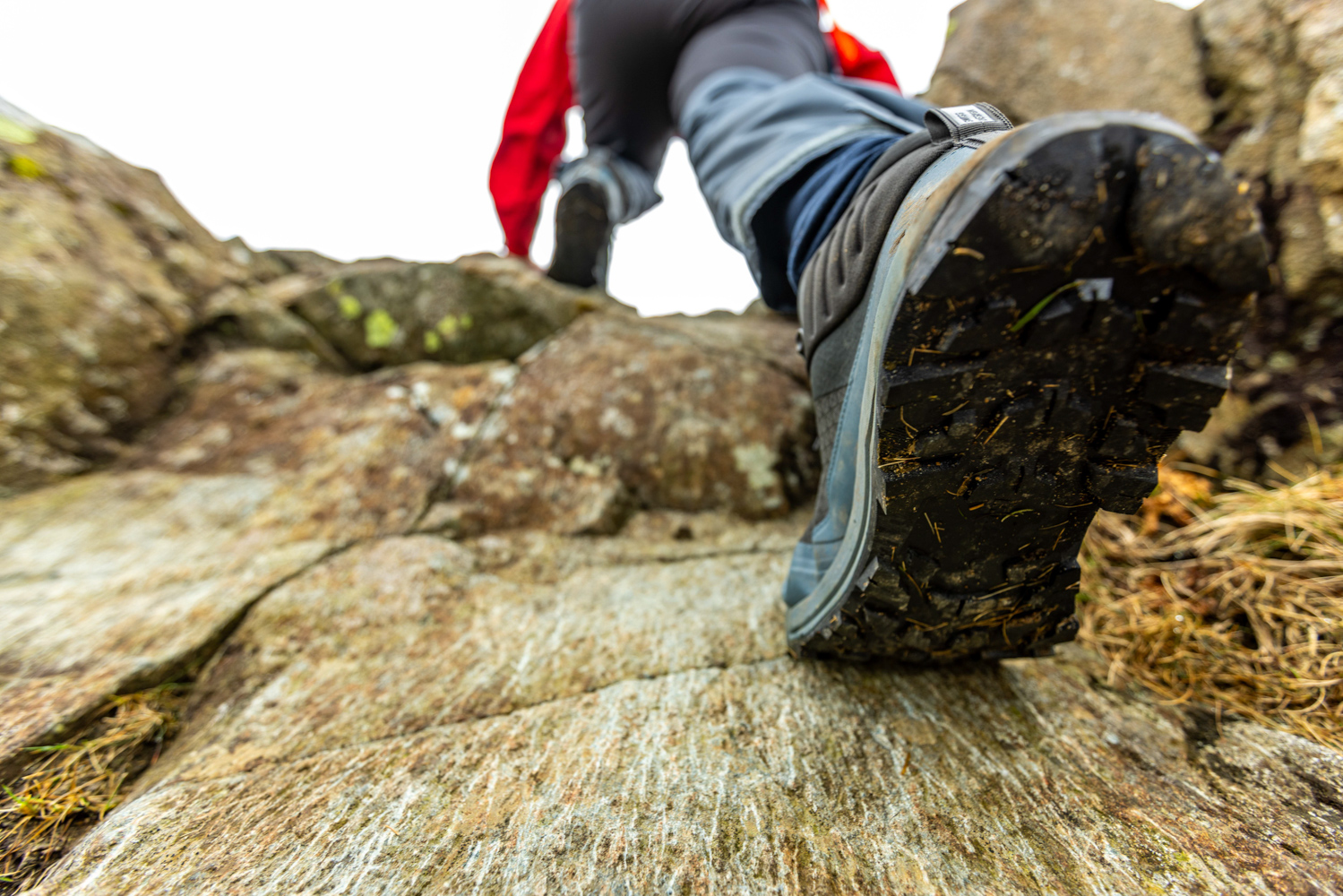
As I’ve already mentioned, this is a very light hiking boot and it sits firmly in the ‘fast hiking’ category. It has a Gore-Tex waterproof membrane, the outsole is Mammut’s proprietary ‘Mammut Swiss Design’ and there’s a lot of very responsive EVA foam in the midsole. There doesn’t appear to be a rock plate in the midsole, so expect quite a lot of flexibility.
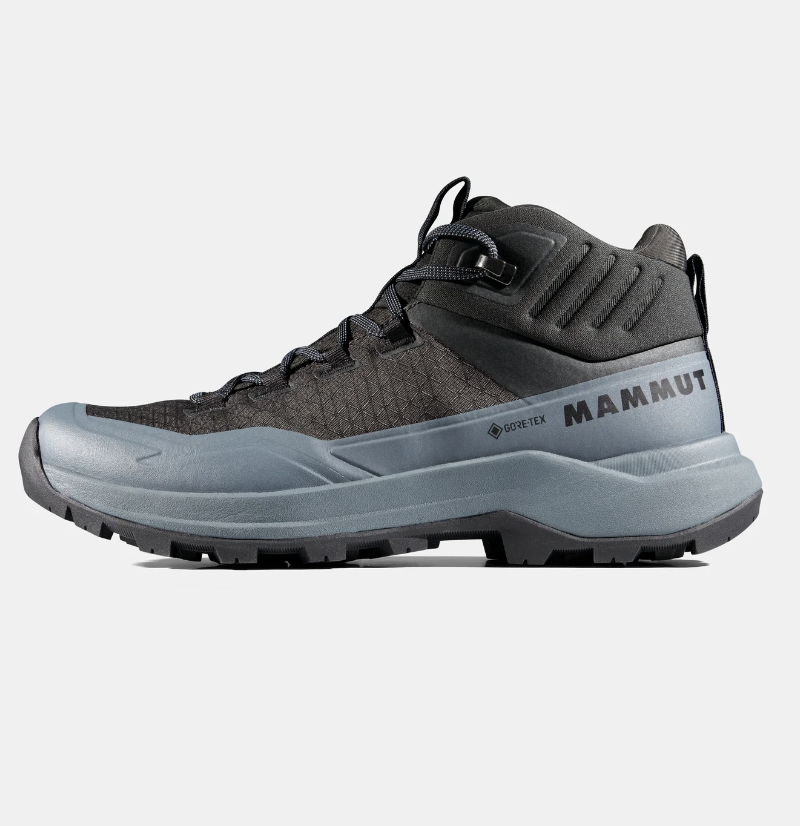
Mammut Sertig Mid III GTX
★★★★
Price: £165
Weight: 430g (per boot)
Pros: Light, very comfortable, breathable, good levels of grip – particularly on dry rock
Cons: Lacking in durability levels required for rough terrain, high cushion might not be for everyone
Comfort: 5/5
Stability: 4/5
Durability: 3/5
Overall rating: 3.5/5
Stability
The Sertig has a soft and well-padded ankle that I found to be able to provide good levels of support. Wearing the Sertig on the very uneven, rocky terrain around Helvellyn in the Lake District, I felt well supported and stable and had no issues at all. With a very heavy backpack and very uneven terrain, some might perhaps find that there’s not quite enough support for them. That’s where a pair of boots like the Hanwag Makra or Brancecosse Volpo would be better. If you’ve got fairly strong ankles, you should be OK though.
Rigidity
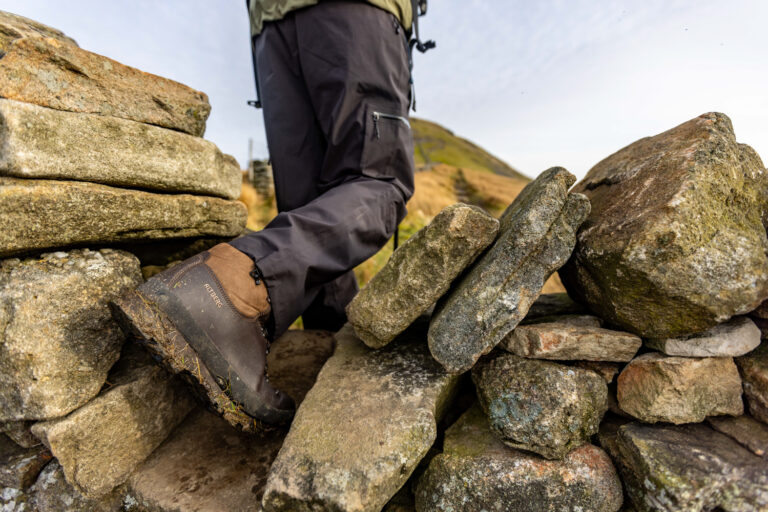
I wore the Sertig for some light scrambling, most notably on the Bad Step going up Helvellyn’s Striding Edge. The Sertig was fine for me on this, but I noticed that it’s not a boot that’s really geared towards this kind of stuff – with no rigidity to support edging up rock faces. Where I’ve found it to be happiest is on groomed trails where flexibility trumps rigidity, keeping you comfortable over long distances. On trail, you do feel you can move smoothly and comfortably in these – as a ‘fast hiker’ should feel.
Waterproofing and Breathability
Gore-Tex is Gore-Tex. There’s no denying it’s waterproof and every boot that comes with a Gore-Tex membrane, from my experience, will keep your feet protected from external moisture. I’ve worn the Sertig through stream crossings in the Lake District and through puddles on my daily dog walks, I’ve also worn it through a lot of squishy bog in North Wales. All the while it’s been able to keep my feet protected. The breathability, I’ve found, has also been very good and that’s mainly thanks to the thin, meshy upper which helps the membrane to perform at its best. I’ve mainly worn the Sertig through fairly mild weather, but I can definitely see it as being a good option for any hikes through warmer weather, where waterproofing is still required.
Cushioning
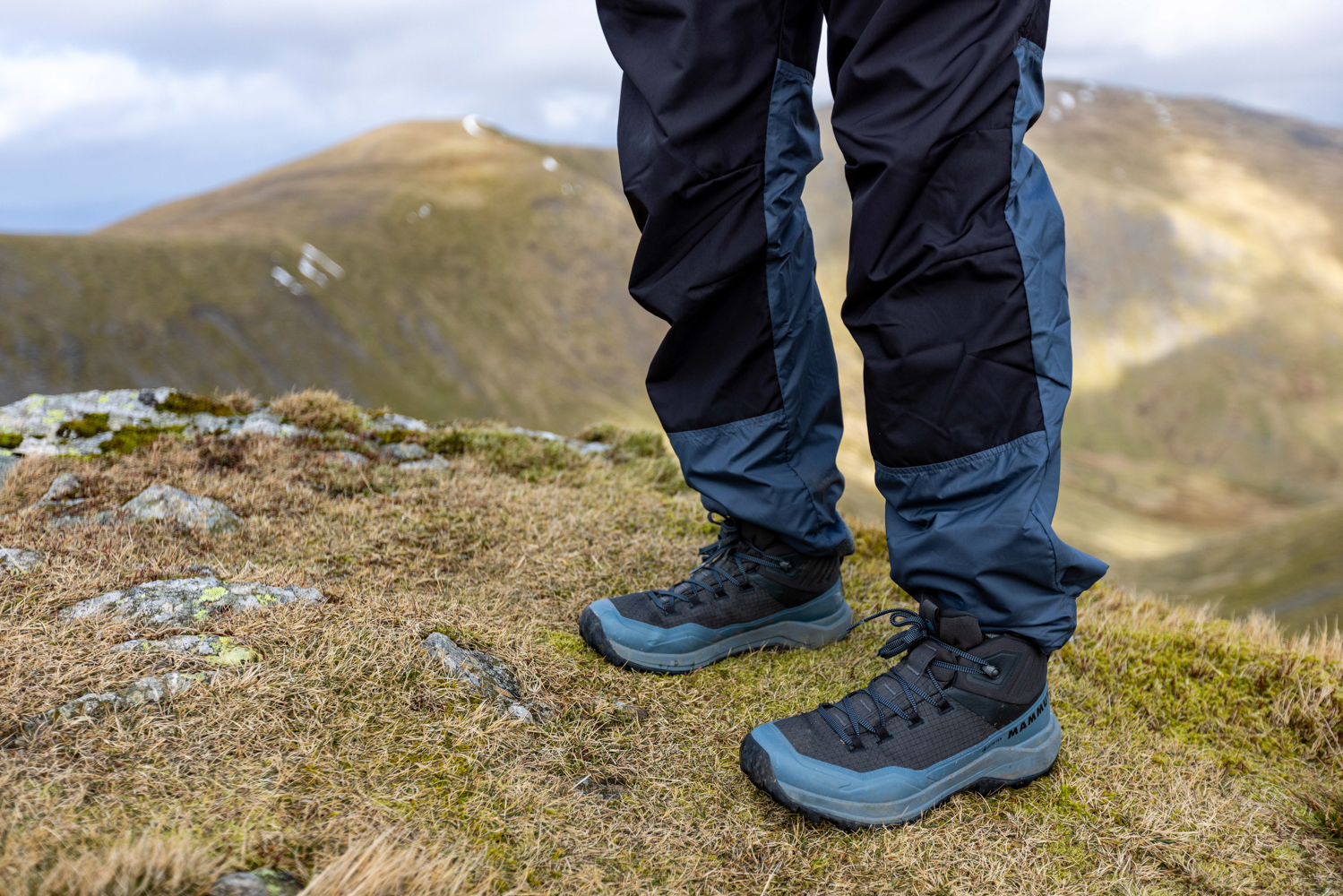
The moment I pulled the Sertig III on, the cushioning was very noticeable. It’s pretty plush in how much softness there is underfoot – but, still, with good rebound. I’d just been hiking in a boot with a PU midsole and the change was stark. And, on multiple occasions, I’ve really appreciated this cushioning towards the end of long hikes, or on hikes with a lot of paving stones or road sections.
Fit
I’ve liked the fit and feel of the Mammut Sertig III. It definitely locks in the heel well while I’d call the toe box fairly moderate in its width. It’s close enough to create an agile feel but I’ve also found that, at the end of a long day of hiking, there’s still a touch of room to accommodate slight swelling of the feet.
Combined with the removable insole, the fit does feel very ergonomic, with cradling of the arch and a slight drop from the heel to the toe.
I tried these in a size 10, my usual size, and they fitted nicely with no issues. I’d therefore recommend going for the size that normally works for you.