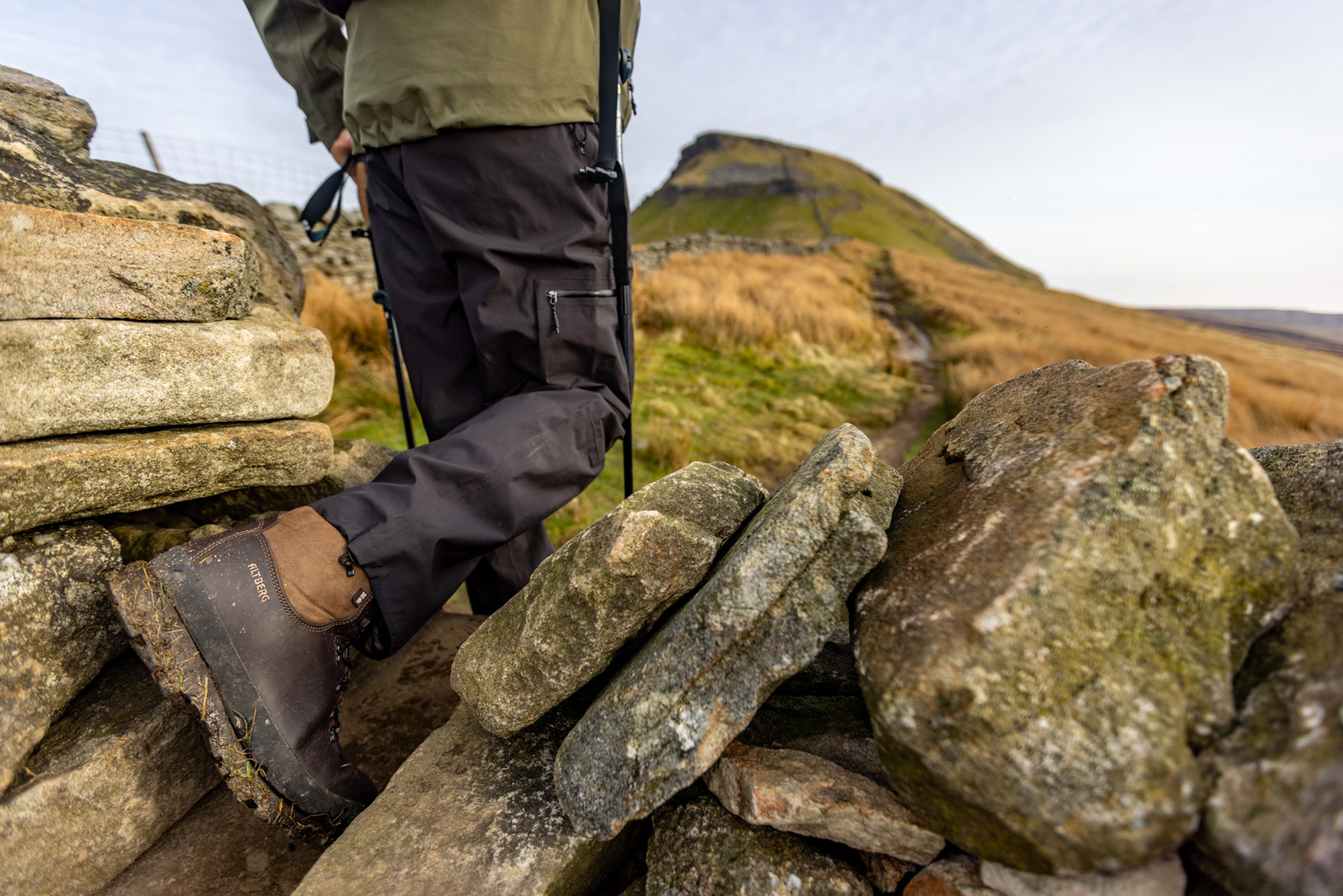
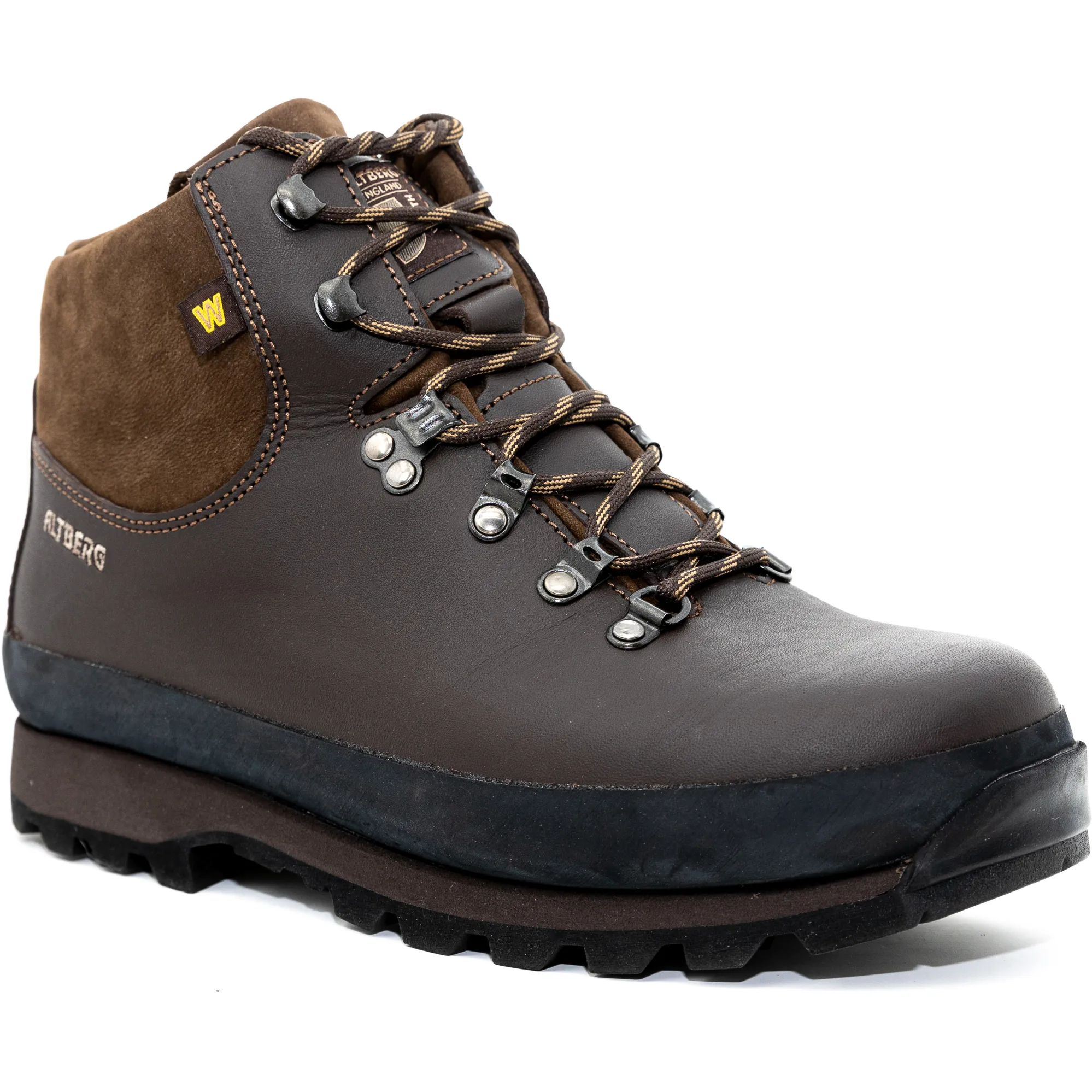
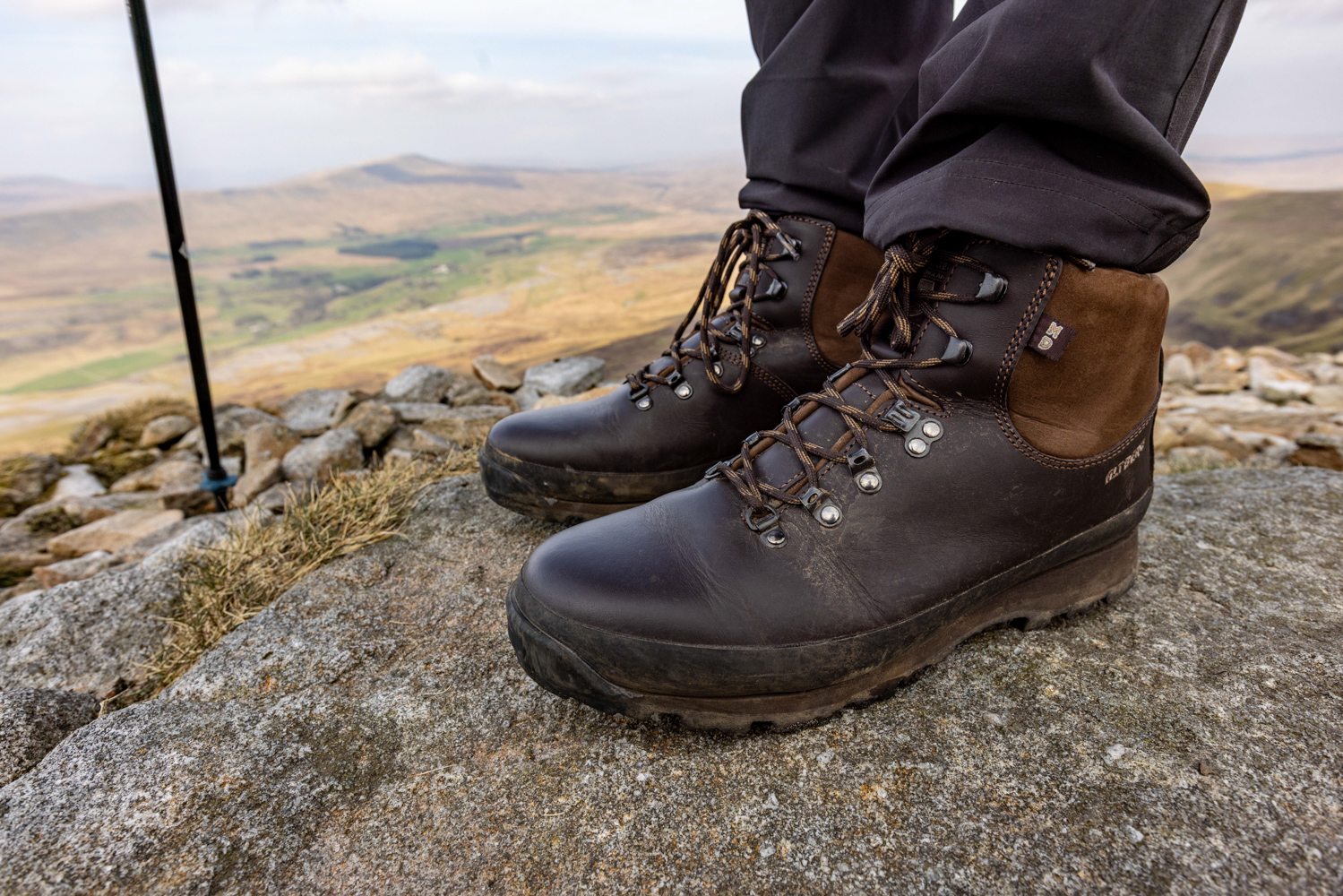
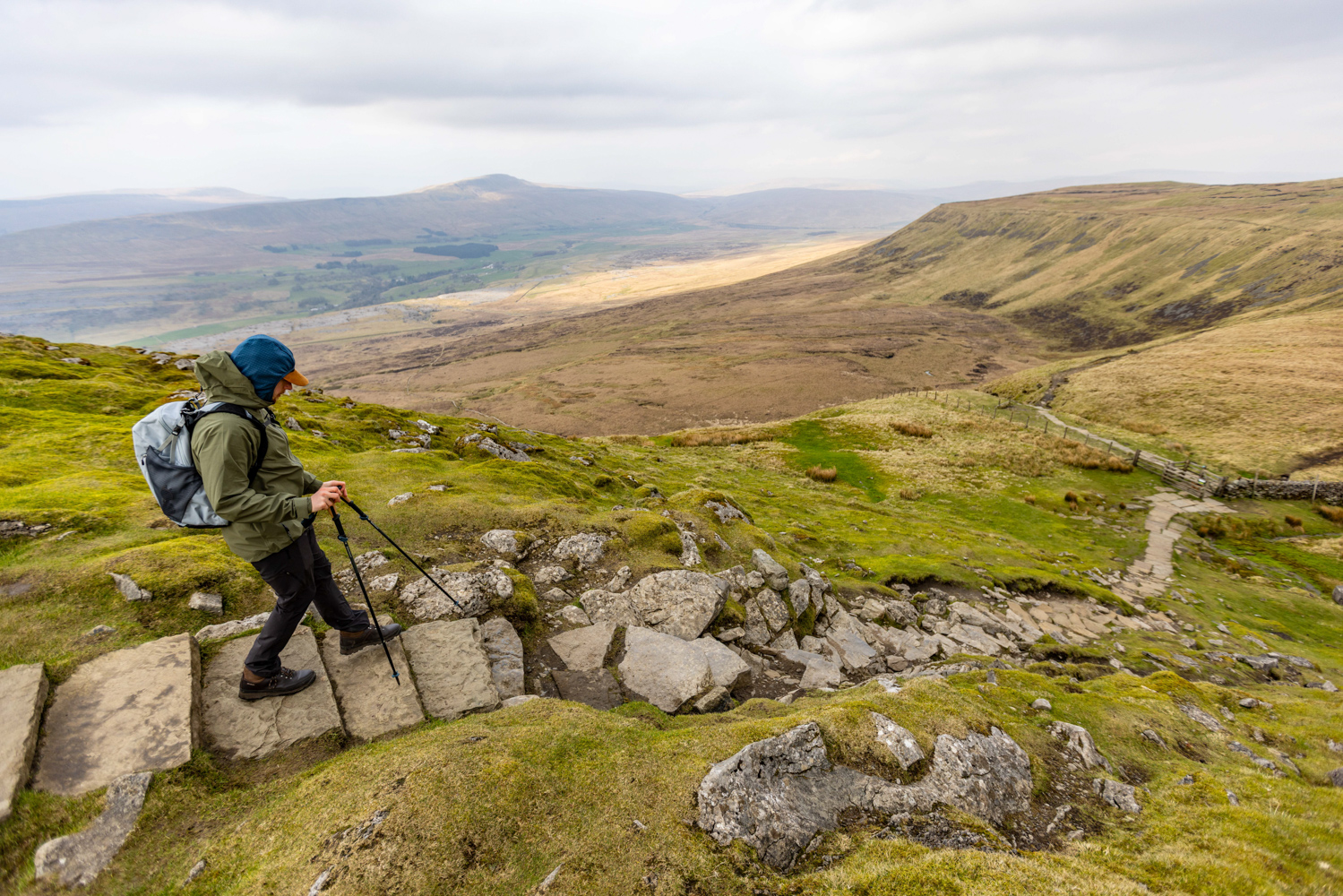
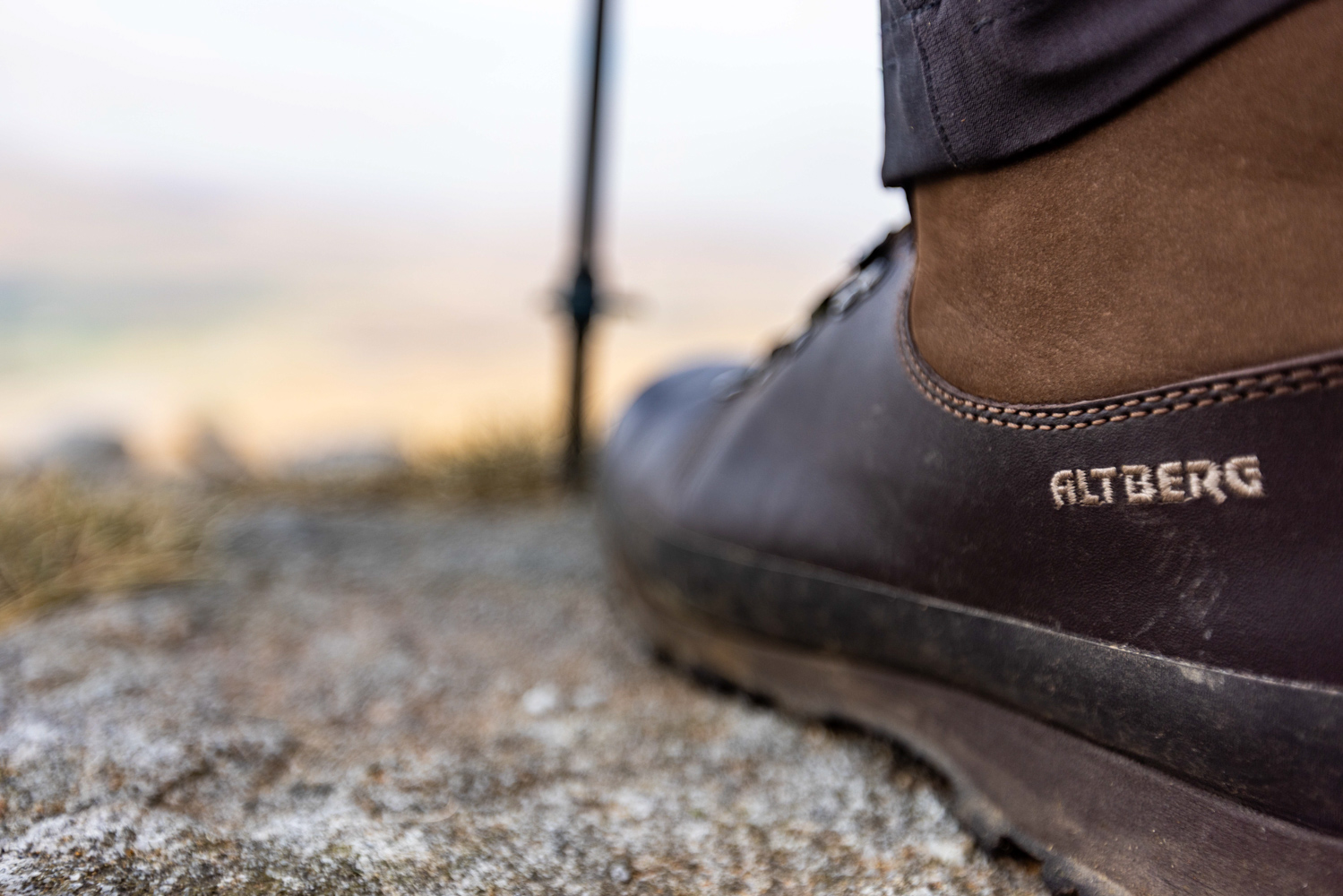
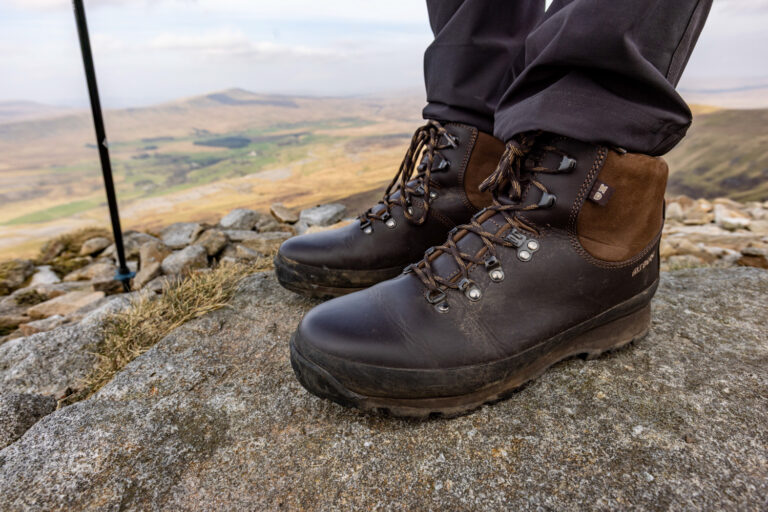
Alongside coming in a range of different fits, what this boot also stands out for is the quality of its materials and craftsmanship and the durability that follows on from that. What’s more, Altberg offer an impressive repair service. There’s no reason why, with the right care, these boots can’t last over a decade.
Fit and Comfort
I have a fairly average footshape and don’t really tend to have trouble finding boots that fit me, usually anything in my usual size while work for me. For me, these were comfortable right out of the box and I found I could hike in them, without issues, for two big days in a row. I would advise against this though – I’m just lucky to have very durable feet! It’d be a good idea to break them in before any big hikes and Altberg do recommend this themselves.
The pair I had were in the ‘narrow’ fit, which Altberg say will suit people with a standard footshape. If you like to wear thick hiking socks, the medium fit, which basically creates a boot that’s half a size up, is what Altberg recommend.
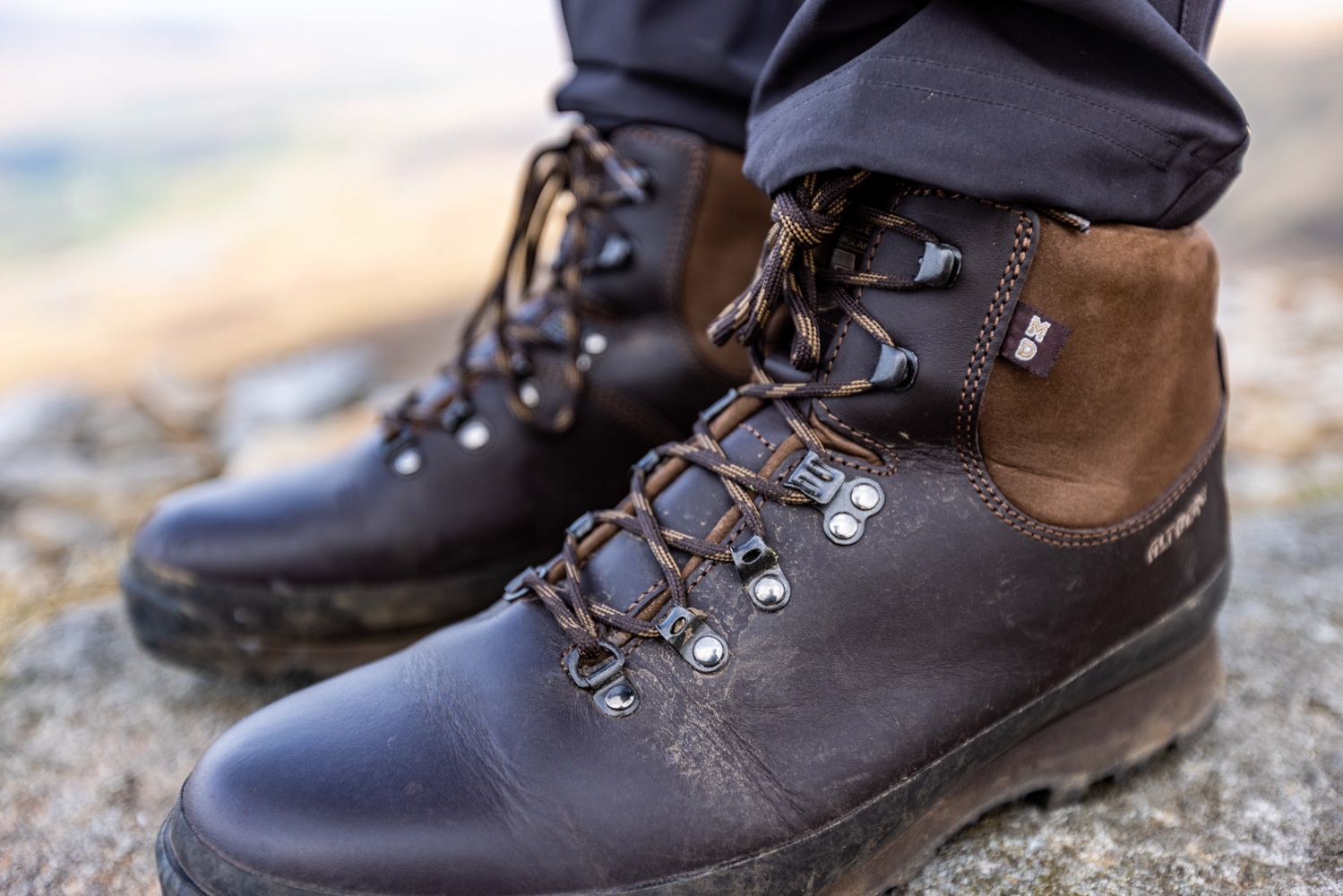
The ankle has lots of padding. I found the boots very comfortable thanks to this. And the lacing helps towards a comfortable fit too, with smart metal eyelets and hooks giving a smooth glide and allowing for a refinable and even fit across the foot.
Stiffness and Protection
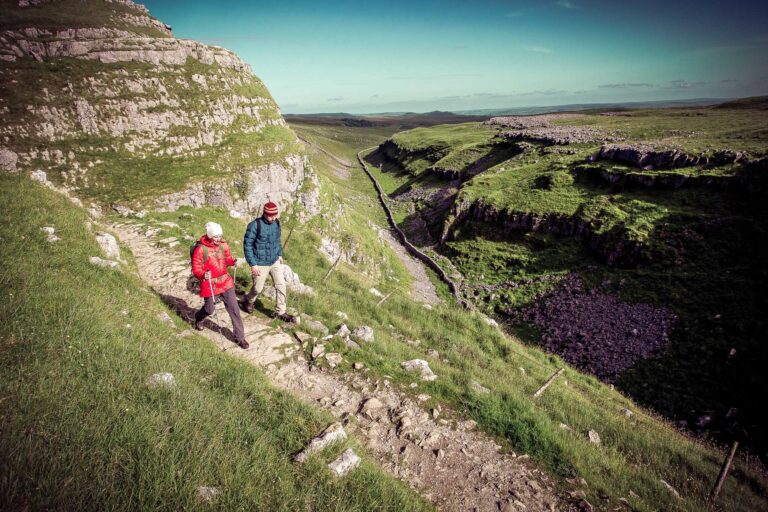
At 706g (per boot), the Altberg Fremington is quite heavy. Combined with the quite solid and semi-stiff sole, it’s on the burlier side for a three-season hiking boot. But wearing it over rocky trails in North Wales and on some rocky stuff in the Yorkshire Dales too, I definitely felt protected and stable.
If you’re looking for a boot with lots of cushioning underfoot, it’s probably not the option for you. There’s some shock absorption, but the focus definitely feels more towards durability, protection and longevity (cushioned boots usually use EVA, which has a fairly short lifespan).

I’d say these are on the stiffer side compared to most three-season hiking boots. This makes them excellent for rugged trails and light scrambles, though they still have enough flexibility for comfort over reasonably long mileage. I once hiked for a full day in them, from 7am to 8pm, and didn’t have any issues. Conversely, that touch of flex means they’re only really suited to light scrambles and not any tough grade 1s (or anything above).
There’s a small rubber rand around the base of the Fremington. This offers a decent amount of protection for the leather and protection for your toes. I personally would like a touch more coverage on the toe, just to add a bit of extra scuff prevention.
Is The Altberg Fremington Waterproof?
The Altberg Fremington is indeed waterproof thanks to its Sympatex membrane. I haven’t had any issues here. I’ve worn it through shallow streams and puddles and through marshy bogland and haven’t noticed any ingress.
There’s been no troubling internal moisture build up during my test period either. Membrane boots are generally clammy to wear in very warm conditions, and these are no exception there, but they are no worse or better in this area than any other membrane-lined boots I’ve tried.
The thick leather and padding at the ankle does make them quite hot compared to lighter-weight boots. That’s the price to pay for a boot that’s as rugged and durable as this, however.
Grip
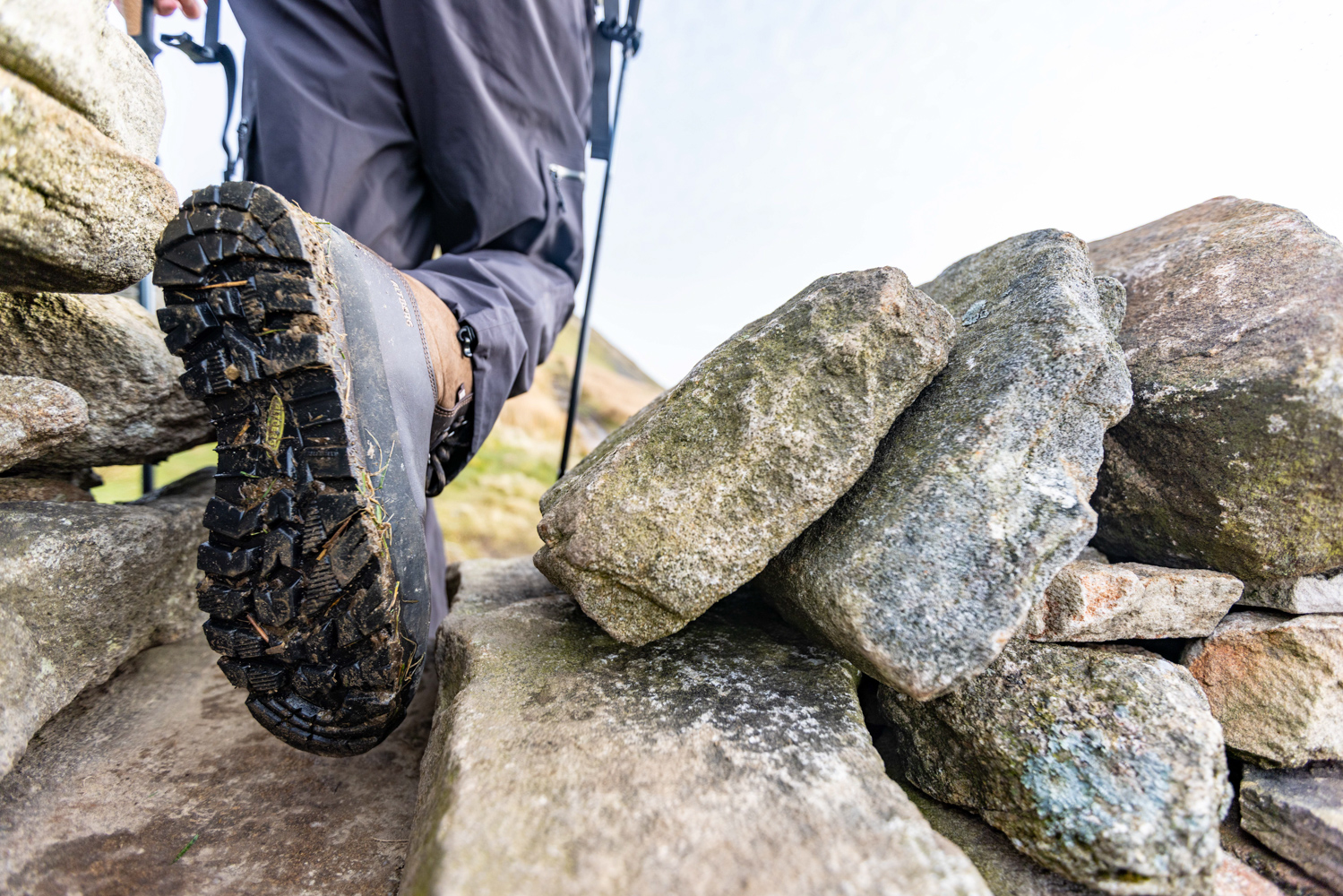
From my hikes in Yorkshire (where there was a lot of peaty mud) and in Snowdonia (rocky and boggy sections) I’ve found the Altberg Fremington to be pretty versatile in terms of the grip it provides. The compound and the lug pattern combine to give good grip on a range of surfaces. It has its limitations on greasy wet rock, but just about all boots do. I always like to have a slight heel brake on my boots as it adds that extra bit of downhill traction, so it’s good to have one present here.
I’d say I’ve covered over 200 miles of hiking in these now, and the grip has held up well with no signs of wearing out any time soon. Altberg actually offer a resoling service (alongside their general repairs service) so, if and when the sole wears out, they can swap it for a brand new one. Altberg have kept countless pairs of boots in action this way, which is hugely commendable from a sustainability point of view.
How it Compares…
If you prefer vegan footwear, the Altberg Dalesway is worth looking into. It’s very similar to the Fremington, but instead of leather, it uses a synthetic material called lorica.
The Fremington is a three-season boot, so it’s not the warmest option for winter use. For something warmer, I’d recommend the Hanwag Tatra GTX. Looking for something lighter and cooler that’s more suitable for hot weather use? A synthetic boot, like the Salomon Quest 5 would fit the bill. That has the same levels of grip and performance as the Fremington, but it’s more geared towards warmer weather (it’s also a lot cheaper). The drawback is that it’s far less durable.
Verdict
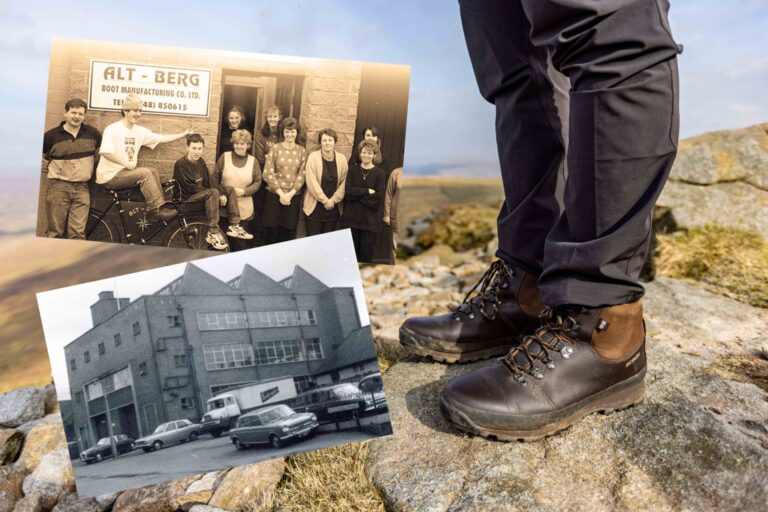
With its high quality materials and genuine craftsmanship behind it, the Altberg Fremington is a boot that definitely has the performance levels and durability to justify its fairly hefty price tag. I’ve seen first-hand what goes into Altberg’s boots and it’s both impressive and reassuring; good to see a small scale company creating quality products and staying true to its roots.
My pair have performed for me right out of the box and have endured a lot since, but they’re still in great condition.
I’d recommend the Fremington to anyone looking for a hiking boot for any three-season hillwalking. It will also serve perfectly well as an option for low-level winter walking – during those horrible muddy months. It might not suit anyone looking for something for multi-day trail walking – something that’s comfortable and light – but if you want a robust workhorse, you can’t go far wrong with this. A lot of people become lifelong fans of Altberg, and the reasons for this are quite clear to see.
Where to Buy
Altberg Fremington
Our tester’s verdict: “These offer a nice blend of sturdiness and walking comfort. They’re clearly built to last too. Having seen what goes into them, I feel I can really trust in their quality. A proper boot for proper British hills.”