This article was originally published on our sister title Active Traveller’s website by Roger Fulton at this URL.
With its temperate climate ensuring remarkably mild winters, cycling can be enjoyed year-round in Malta and on its smaller neighbour, Gozo. And with the archipelago’s abundance of prehistoric sites, mysterious caves, and network of country lanes, there’s no shortage of things to explore. Highlights include rides along spectacular coastal cliffs, through picturesque villages, and past ancient ruins that tell the story of the islands’ rich history dating back a remarkable 7,000 years.
Both Malta and Gozo offer a variety of great routes and experiences for those exploring the islands by bike. Malta hosts the beautiful capital city of Valletta and other towns with rich archaeological and cultural treasures. Gozo, a pleasant 35-minute ferry from Malta, has its own more tranquil way of life where country roads lead through small villages, peaceful valleys, picturesque sea inlets and dramatic cliffs. Gozo’s roads are also generally less crowded than those on Malta, providing a more relaxed and safer cycling environment. As Malta and Gozo have no mountains, the routes are mostly along level, rural roads, though there are a number of inclines that combine a challenge with wonderful coastal landscapes.
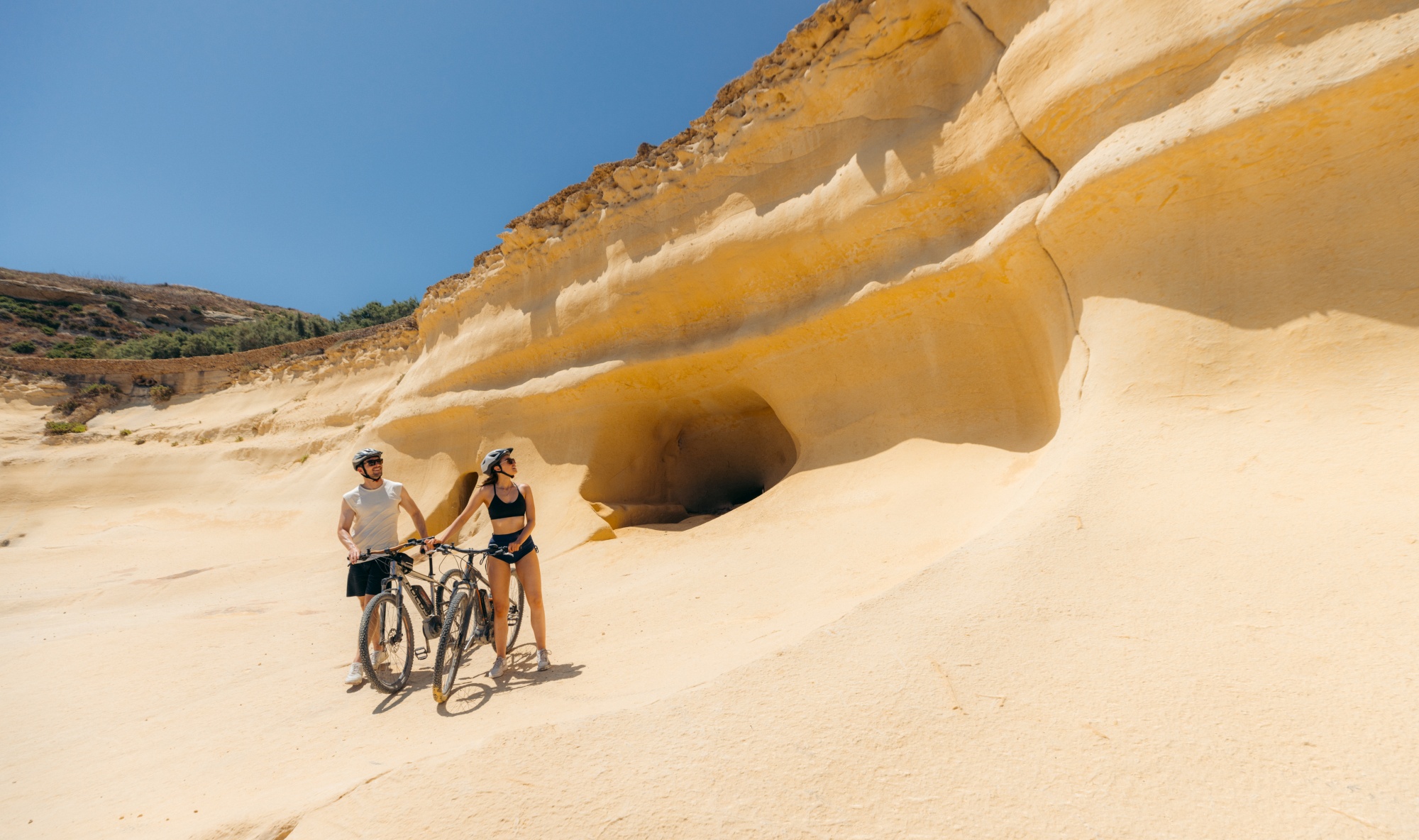
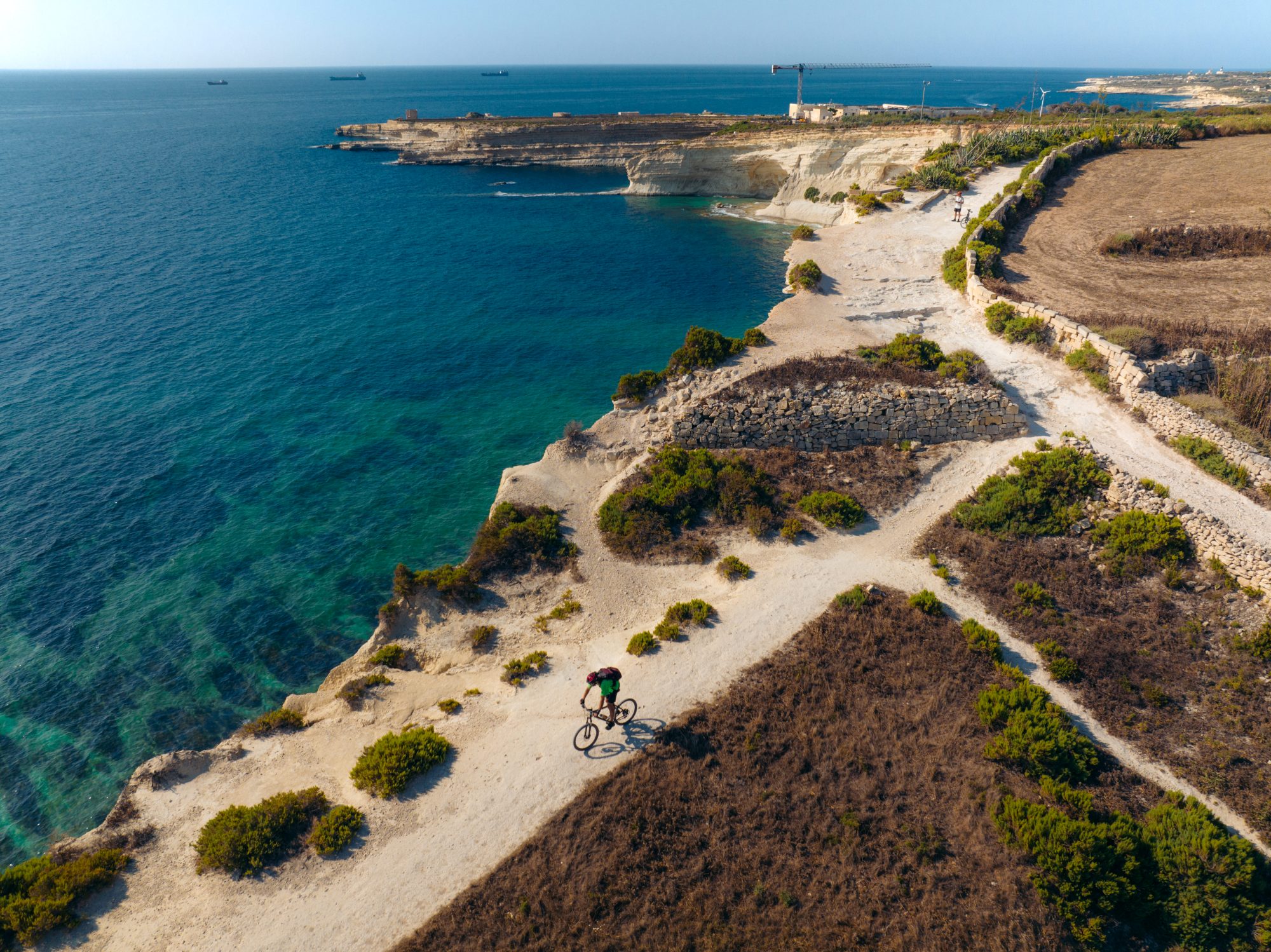
Whether you’re an experienced cyclist or a casual rider, Malta and Gozo’s routes promise a memorable adventure, combining the pure, physical joy of being outdoors with the exploration of one of the Mediterranean’s most enchanting island nations. And while the delightfully smooth roads make both Malta and Gozo ideal for road bikes, numerous mountain bike trails also exist, particularly in the south of the main island and across Gozo’s rugged terrain.
Related: Treasure Island | Adventure in Malta
Related: A Guide to Exploring the Malta’s Wild Side
Related:The Best Hiking Routes in Malta
With rental facilities galore and specialised bike hotels proving service facilities, secure storage and often kit-washing facilities, there’s absolutely nothing stopping you from hitting the saddle!
Autumn through to Spring is the best time to cycle here. Summer offers more heat and less shade on some of the more exposed routes, though this provides more reasons to add on a cooling dip at the end of your ride.
The Best Cycling Routes in Malta and Gozo
In no particular order…
- Blue Grotto – Marsaxlokk
- Gozo Route 1: Rabat – Ta’ Pinu – Żebbuġ – Marsalforn – Rabat
- Xagħra Heritage Trail
- Round Malta Route
- Mdina to Dingli Cliffs
- Mellieħa Circular via Tal Mistra Battery
1. Blue Grotto – Marsaxlokk
Distance: 15 km
Elevation Gain: 149m
Difficulty: Moderate
Best for: Road bikes/e-bikes
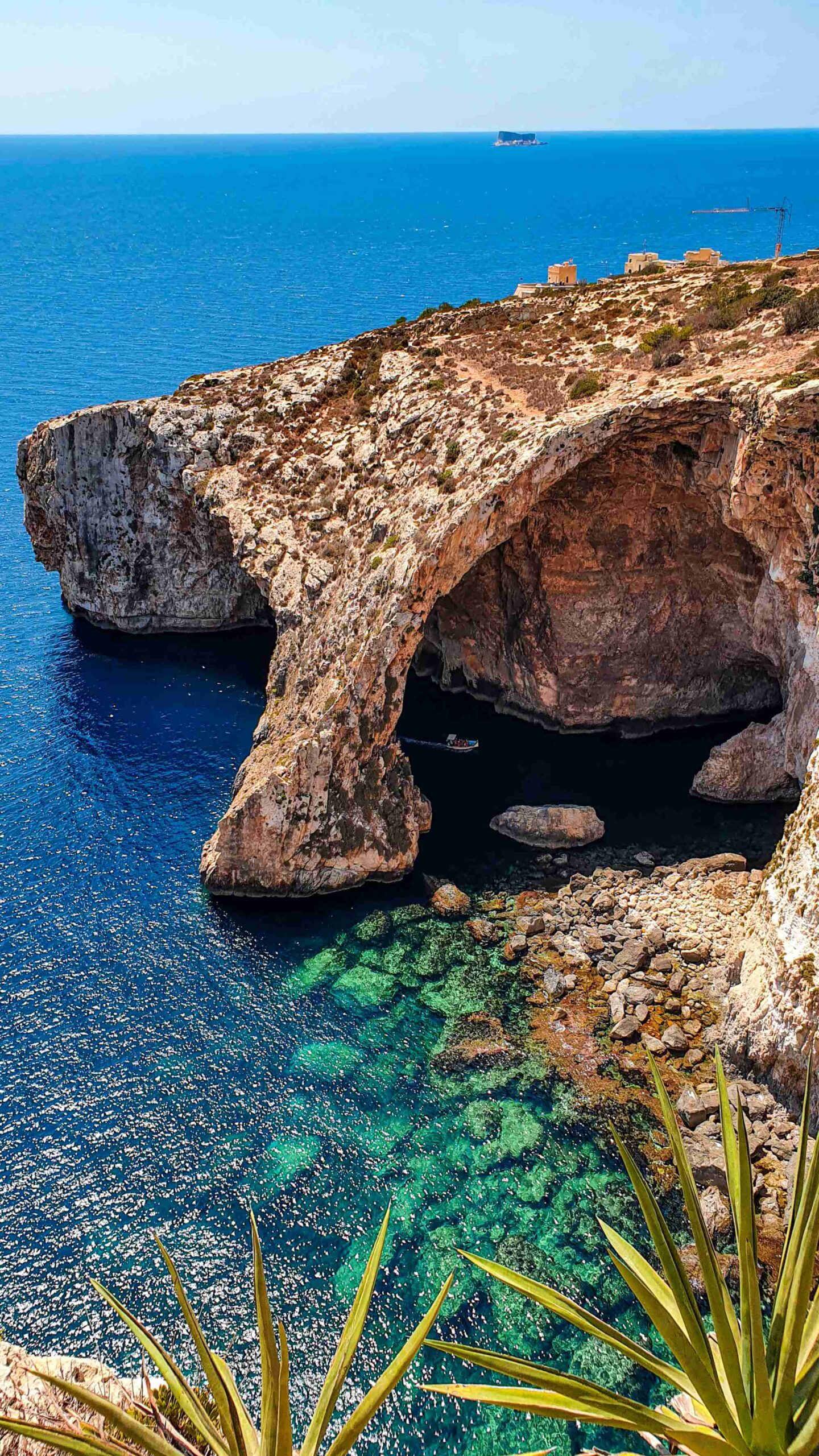
The Blue Grotto area in Malta offers several scenic, short-to-medium distance cycling routes near the southern coast, often combined with visits to Wied iż-Żurrieq – from where boat trips run to the iconic Blue Grotto – and the nearby megalithic temples of Ħaġar Qim and Mnajdra, dating from between 3600 and 3000 BC. Popular routes such as this 15km route typically involve moderate, hilly terrain, featuring coastal views.
A boat ride through the caves is an extraordinary experience. The caves are illuminated from below, and the surface reflects millions of tons of blue sediment on the walls and ceilings, depending on the angle and position of the sun.
Marsaxlokk is a charming, picturesque harbour in the south of the island, filled with traditional, colourful luzzu fishing boats. On the way into the town, if you visit on a weekend, you’ll pass a busy market selling a huge range of local seafood.
2. Gozo Route 1: Rabat – Ta’ Pinu – Żebbuġ – Marsalforn – Rabat
Distance: 16 km
Elevation gain: 500m
Difficulty: Moderate
Best for: Mountain bikes
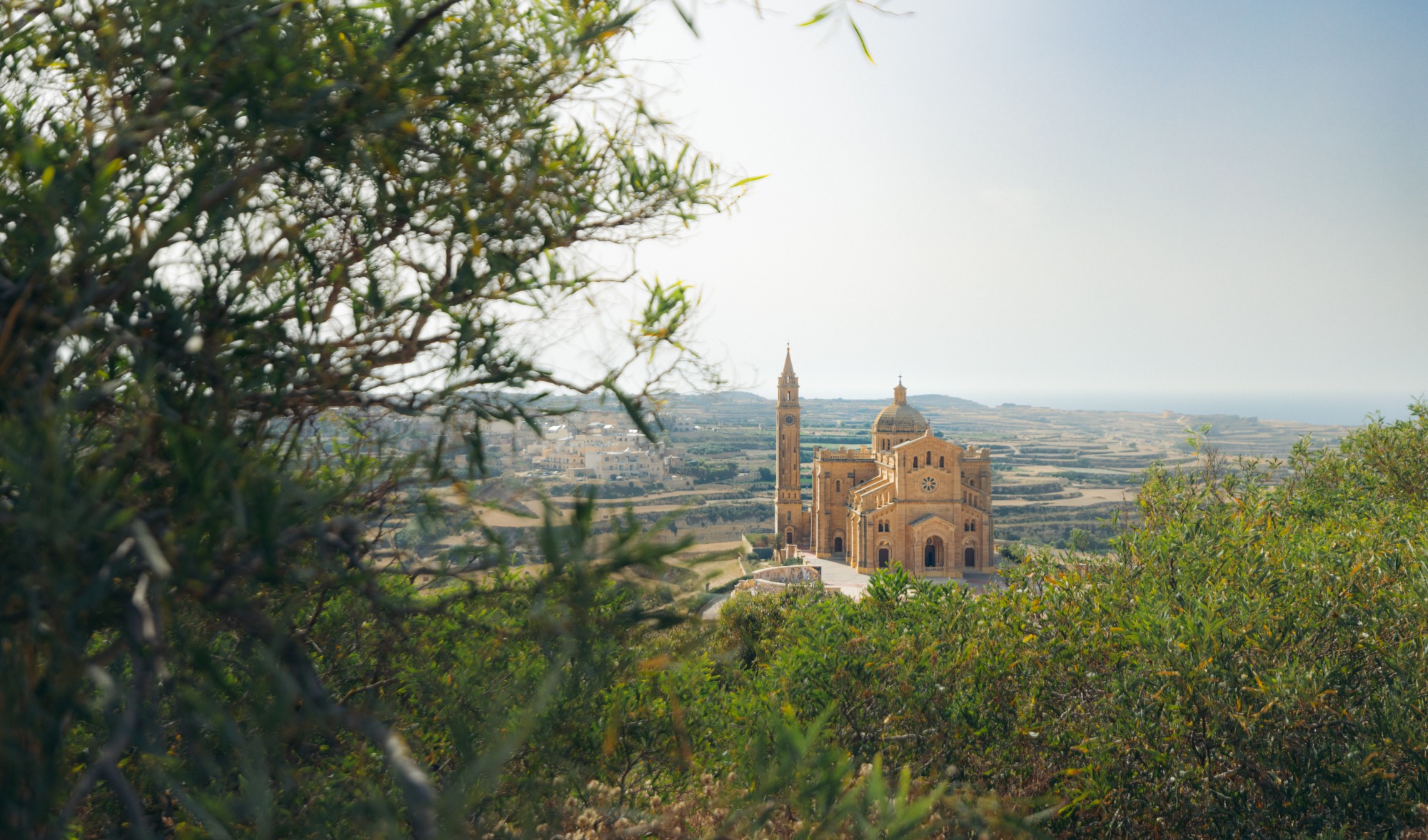
Gozo boasts several popular cycling routes. One notable route starts in Victoria (Rabat) and winds through landmarks such as the Ta’ Pinu Shrine and the coastal village of Marsalforn. This path offers a unique glimpse into Gozo’s diverse landscape and historical significance, making your cycling experience both enjoyable and educational.
As you coast along relish the view of the Aqueducts, and the rolling countryside on both sides. Once you’re at Ta’ Pinu, you can stop for a small break and visit the limestone sculpture shrine.
En route to the small village of Għasri, you should spot the Ta’ Ġurdan lighthouse. From Għasri, you can pedal up the slope to Żebbuġ, one of the highest villages on Gozo, with breathtaking views from its plateau. From here the route works its way down to Xwejni. If you happen to tackle this route on a windy day be prepared for this can be a wind-swept descent.
As you tackle the winding back road from Żebbug the whole panorama of Marsalforn opens out. Marsalforn is Gozo’s main family-friendly seaside resort, with plenty of cafes and restaurants along its main promenade. The cove of Xwejni, is famous for its salt pans. You can take a detour and cycle placidly along the flat stretch that hugs the coast along the saltpans or you can decide to lengthen your route by cycling as far as Wied il-Għasri or spectacular Wied il-Mielaħ.
Back on track to Marsalforn, you will meander through the rocky bay of Qbajjar, and get a glimpse of the watchtower. Then once in Marsalforn, you can stop for food and drink, explore the bay and pedal up to Għar Qawqla. From here you can then take the road back to Rabat. This route takes you through one of the most fertile Gozitan valleys. Numerous hillocks dot the landscape, the most famous of which, is the Salvatur Hill, characterised by a huge statue of Christ the Saviour.
3. Xagħra Heritage Trail
Distance: 13.3km
Elevation: 290m
Difficulty: Moderate-Challenging
Best for: Mountain bikes/ e-bikes/ gravel bikes
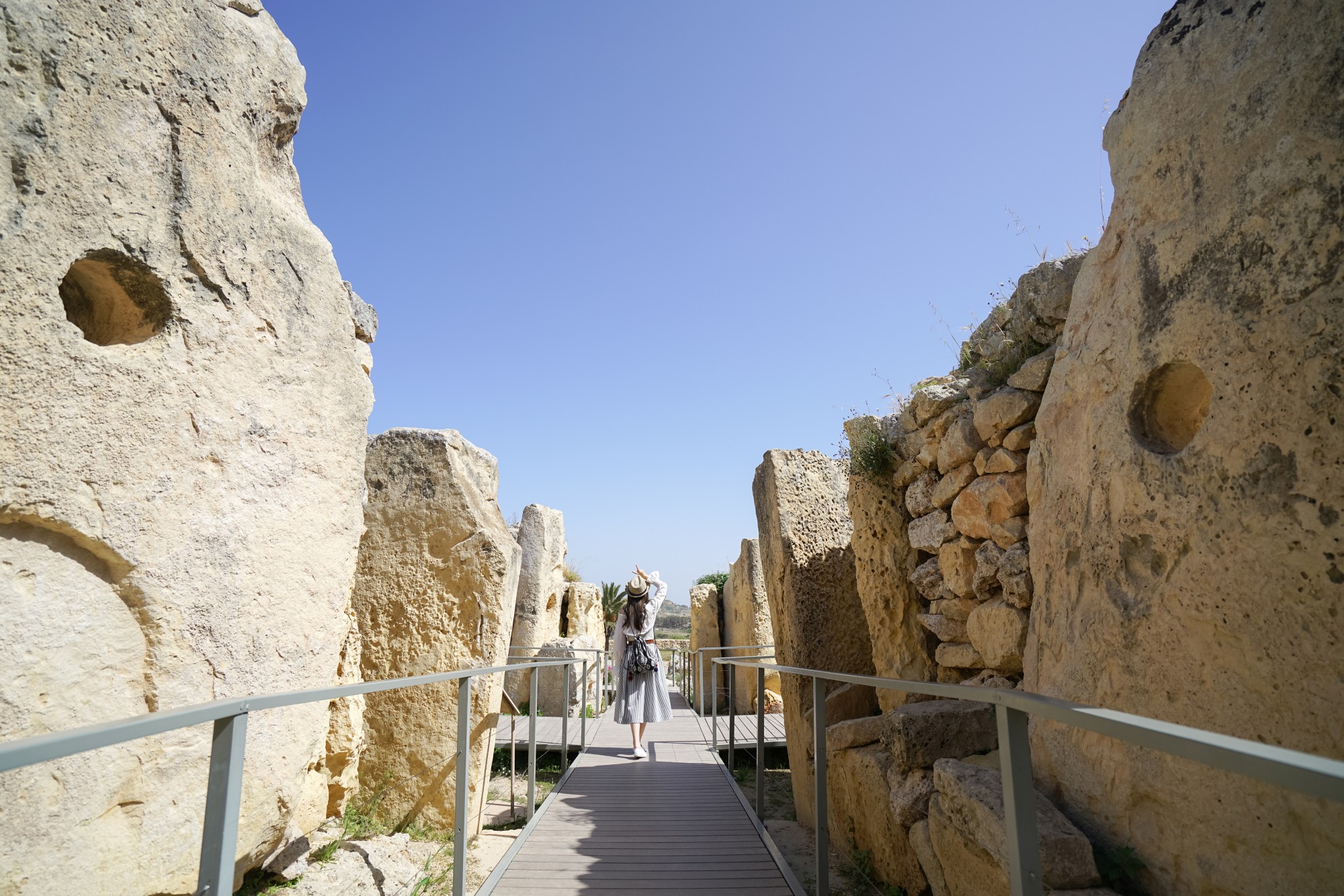
Another favourite Gozo route is the Xagħra Heritage Trail, which starts and ends in Xagħra (Ix-Xagħra), and brings riders close to the island’s rich archaeological sites, including the Ġgantija Temples. Pedalling along these serene coastal roads with the Mediterranean Sea glittering beside you, rolling through lush green valleys or navigating through charming villages where time seems to stand still, each turn reveals a new surprise.
As well as the megalithic Ġgantija Temples, you can visit the 18th century Ta’ Kola windmill – one of the best preserved of the island’s ancient mills – Calypso’s Cave, the mythical location where the nymph Calypso kept Odysseus a ‘prisoner of love’ for seven years after the fall of Troy, the Xagħra Stone Circle, historic churches, a toy museum and a former plague hospital. The island’s varied terrain caters to all levels of cyclists, offering both gentle routes for leisurely rides and challenging trails for those seeking a more intense workout.
4. Round Malta Route
Distance: 93.5km
Elevation: 680m
Difficulty: Moderate/tough
Best for: The route is mostly on asphalt roads, so ideal for road bikes. There are some busier stretches where extra care is needed, particularly around Valletta.
Best of the Malta coastal bike routes, this is a scenic coastal celebration of Malta, this route can either be done in a day or split into two or more stages, adding in a few optional loops to create a more leisurely and in-depth exploration of the island’s main attractions.
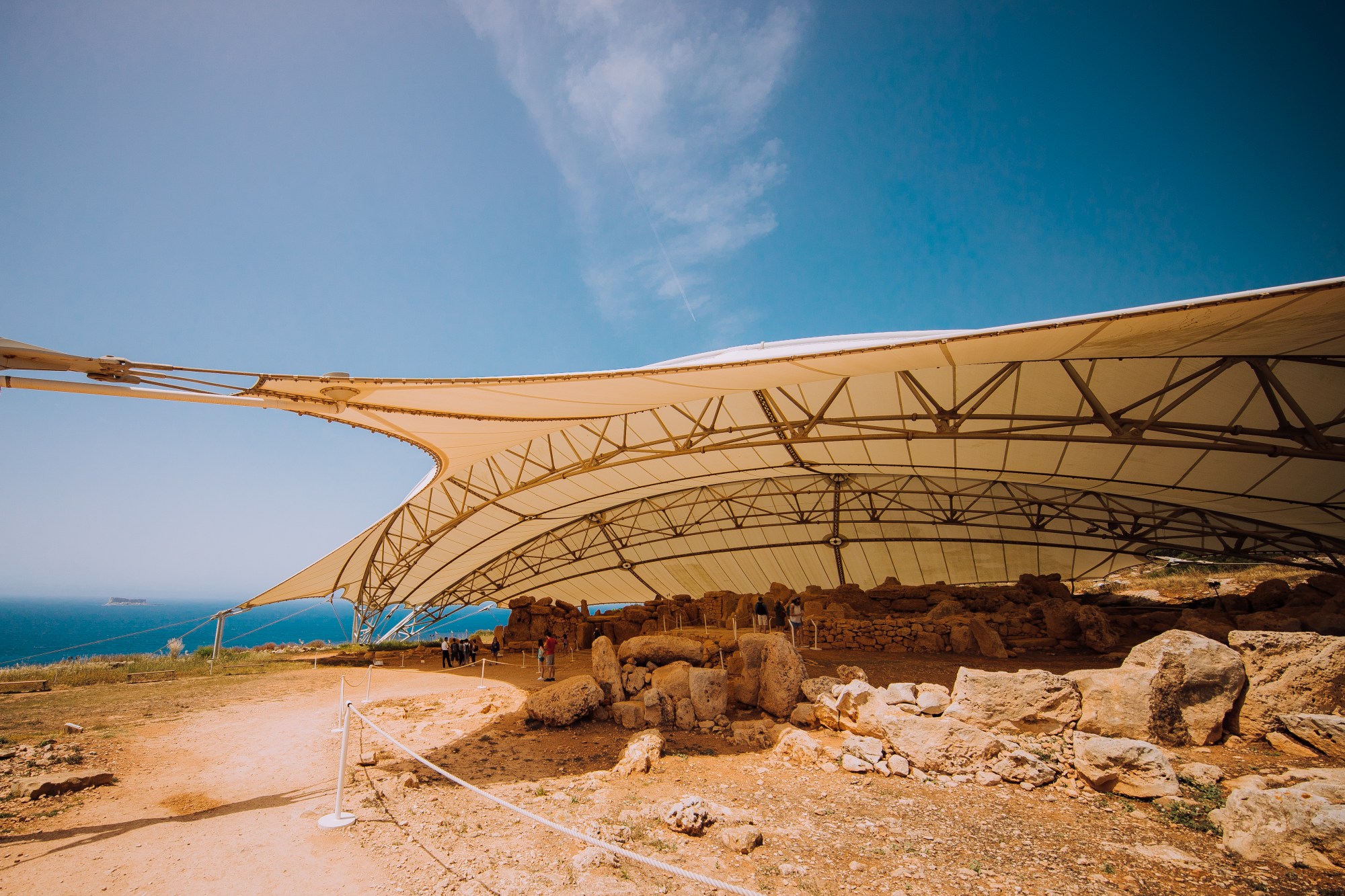
You can start at whatever point is most convenient for where you’re staying, but the circuit includes Valletta and the northern coast, skirts the Il Majjistral Nature Park, heads up to the island’s highest point along the Dingli cliffs, and heads through the wildflower meadows and cultivate field of Fawwara down the southern flank to the impressive prehistoric temple complexes of Ħaġar Qim and Mnajdra. Don’t miss out on the Blue Grotto, either. Take a short detour to Wied iż-Żurrieq from where boat trips go to the grotto.
5. Mdina to Dingli Cliffs
Distance: 10.5km
Elevation: 130m
Difficulty: Moderate
Best for: Road bikes/gravel bikes
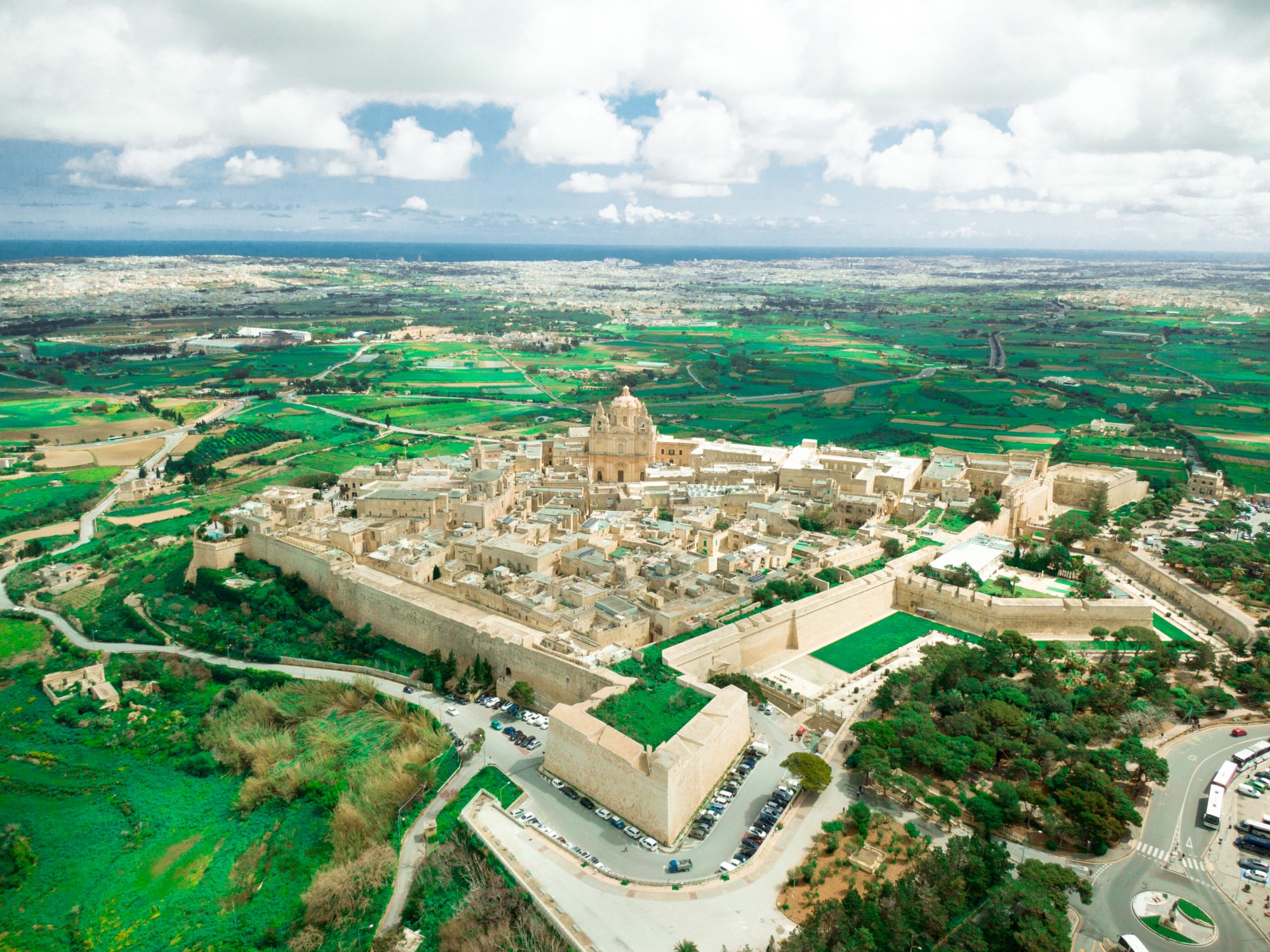
One of several routes linking these two must-visit Maltese tourist spots, this is one of the most family-friendly cycling routes in Malta and offers a great day out with time to linger at either end. The route to Dingli cliffs, passing through the ancient village of Rabat, famous for its catacombs, is short and relatively flat, but with a few moderate inclines,
Mdina, which lies in the central part of the island, was formerly Malta’s medieval capital. It earnt the nickname ‘Silent City’ as beyond a few exceptions such as emergency vehicles and wedding cars(!) vehicles are largely banned. This makes it a delightful city to wander round – especially along the city walls, which afford far-reaching views across the surrounding countryside. A fortified, UNESCO-listed hilltop city with 4,000 years of history, it is characterised by narrow streets, honey-coloured limestone buildings, and a mix of Baroque and medieval architecture, offering a peaceful, historic atmosphere.
In contrast, the steep, dramatic Dingli Cliffs form the highest point on the island, and offer stunning views of the Mediterranean. Sunsets here can be breathtaking. With this as your destination, rather than somewhere to merely pass through, you get time to explore and take in the area’s beauty. Make sure, too, to visit the charming St Mary Magdalene Chapel, perched on the cliff edge. A small, austere building it is typical of the wayside churches and chapels that dot the Maltese countryside and which provide a stark counterpoint to the ornate interiors of the island’s grand churches.
6. Mellieħa Circular via Tal Mistra Battery
Distance: 10.5km
Elevation: 230m
Difficulty: Moderately difficult
Best for: Mountain bikes or hybrids
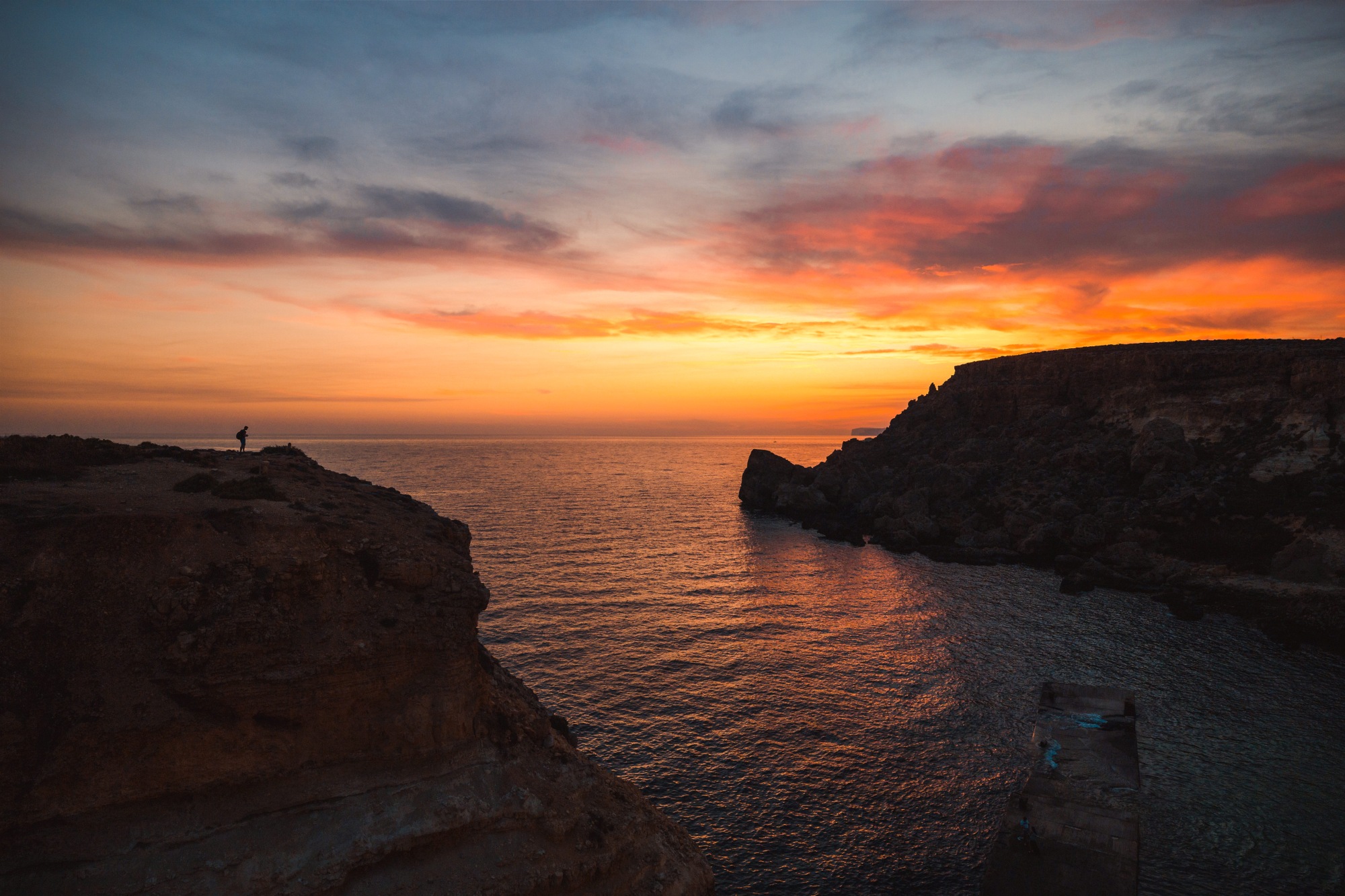
Mellieħa is a large, scenic village and popular tourist resort located in the north-western part of the main island of Malta. It is perched on a hilltop overlooking Għadira Bay, which features the island’s longest sandy beach.
Mellieħa is a very popular area for hiking and running, so you’ll likely encounter other people while exploring on your bike. Although the terrain can be tricky, this is a great Malta winter cycling destination, and the best times to visit this trail are December through to May.
The Tal Mistra battery is steeped in history. It was built by the Order of St John (or Knights Hospitaller) in the 18th century as one of a series of coastal fortifications around the coasts of the Maltese Islands. While most of these have been destroyed or modified, Tal Mistra retains all of its original features and is considered the best preserved of the Order’s batteries in Malta.
Another popular cycle alternative is the 10km loop from Mellieħa via Anchor Bay that takes you past the quirky Popeye Village, built especially for the 1980 film starring Robin Williams as the spinach-guzzling sailor-man (though part of the charm may be lost on anyone born after the mid-1980s).
Mellieħa is a quieter spot to stay in than the Valletta or its touristy coastal resorts. It’s main ‘parish’ church is hugely impressive; it’s also a short bike ride from the iconic Red Tower, and if you’re planning to pop across to Gozo, it’s very handy for the ferry!