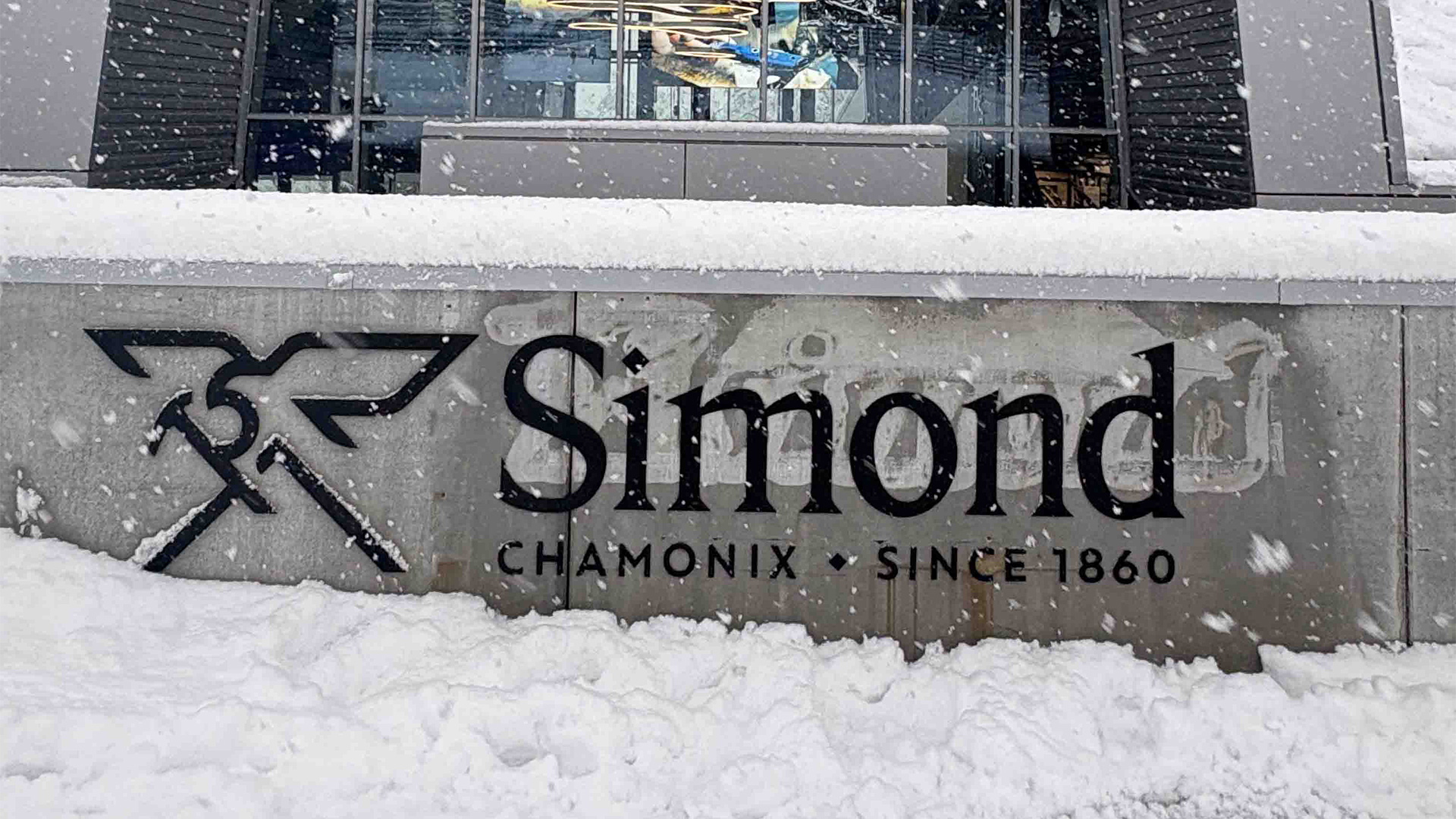
I was hit with a few surprises on a recent trip to Chamonix to the visit the Simond HQ. The first came before I’d even stepped inside. For November, I wasn’t expecting so much snow at the bottom of the valley, but as we pulled up to the striking building, right at the entrance to the town, the whole thing was shrouded in about three feet of fresh powder.
An hour later, after touring the headquarters, I’d had my second surprise: just how deep Simond’s roots run. In all honesty, I hadn’t quite appreciated that this Decathlon brand had a bit of a backstory, let alone one that goes all the way back to the 1800s.
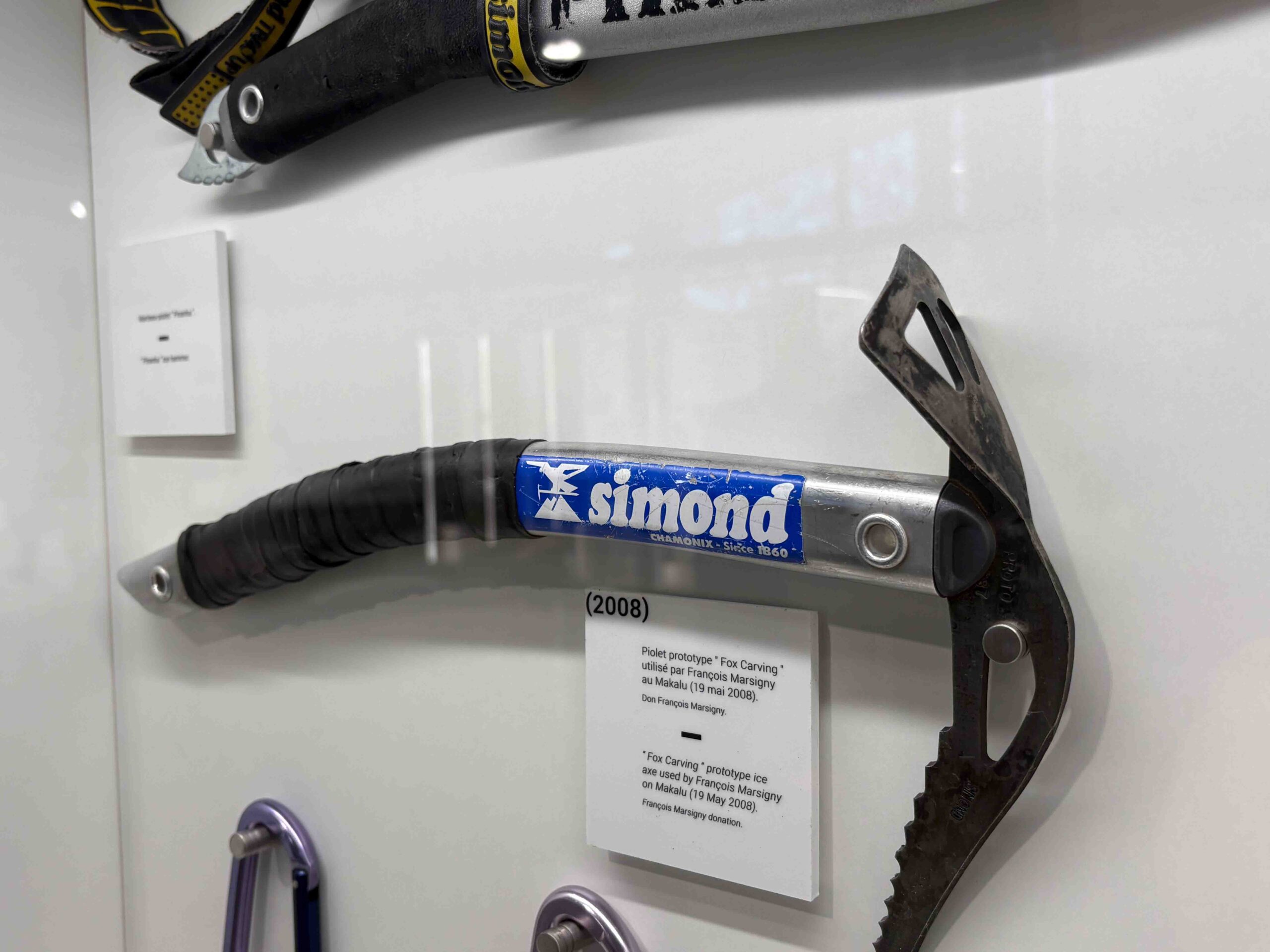
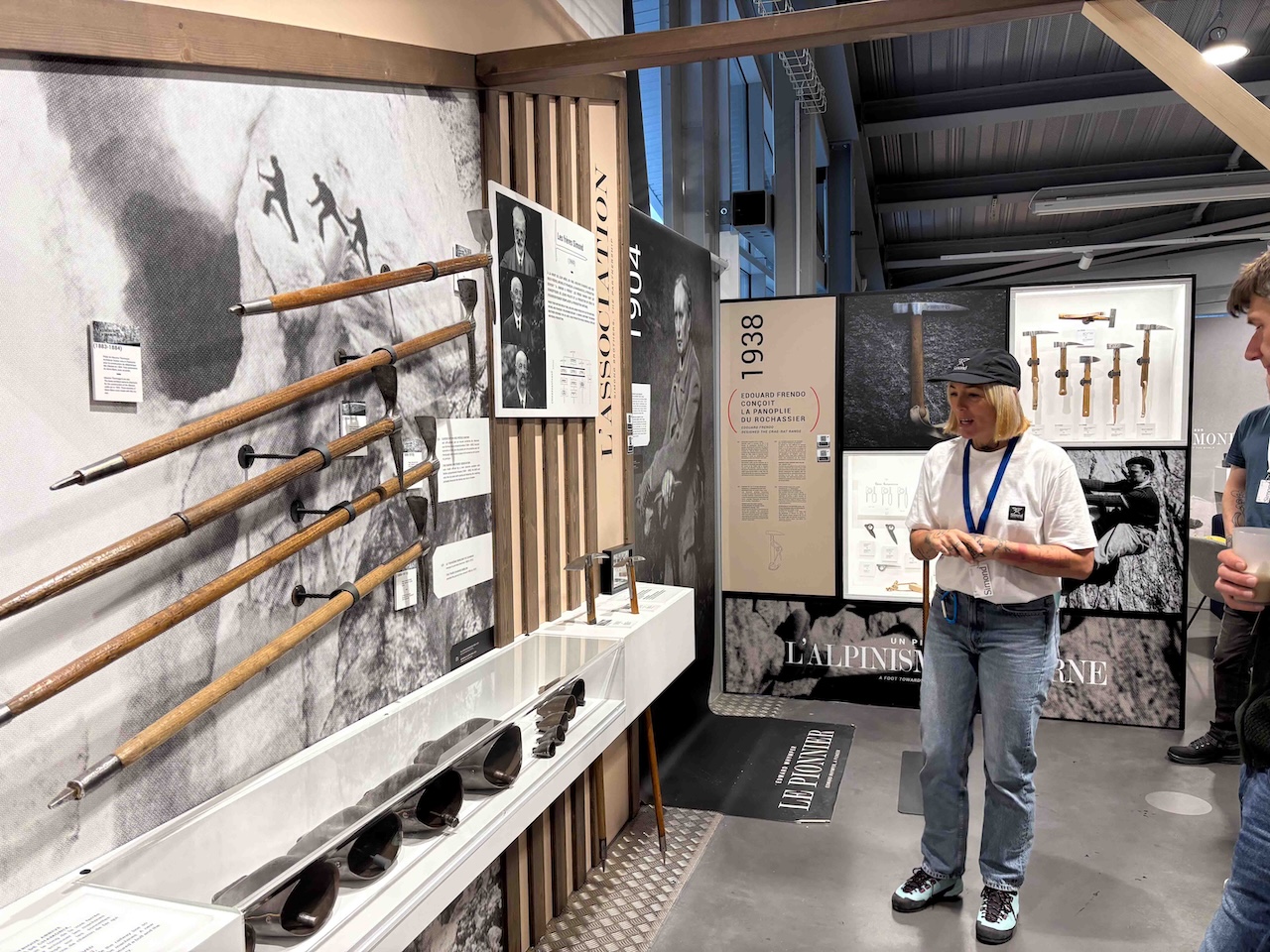
Inside the building, a compact but fascinating museum traces the brand’s story, with historic ice axes, crampons and photos showing how this Chamonix maker became totally entwined with the history of alpinism.
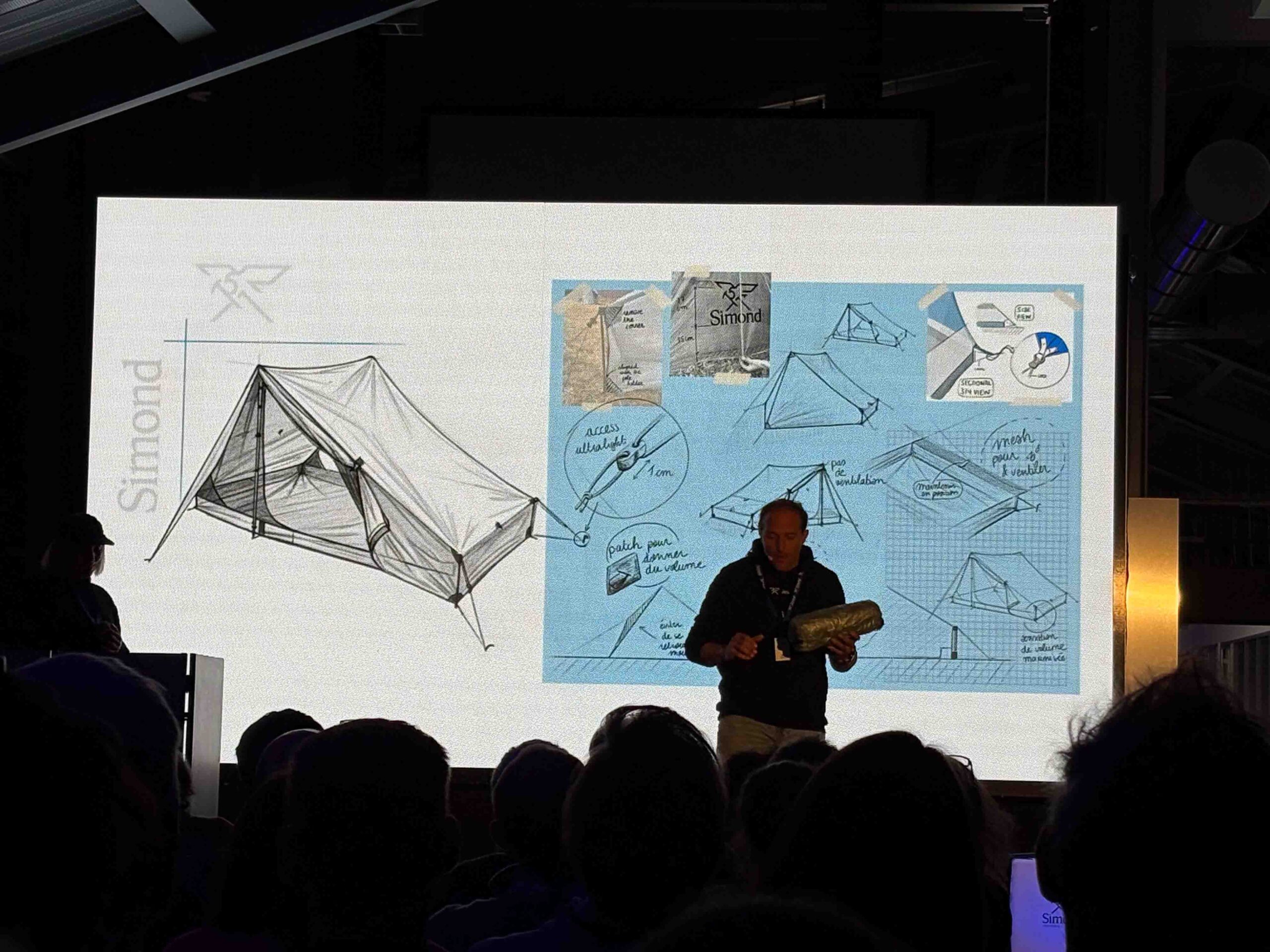
Then there was a third surprise: a new tent, literally unveiled to the world for the first time that day; one that I can see being a total hit with the ultralight crowd.
The Simond Sprint Tarp Tent
Weighing just around 635g all-in (510g for the tent body, 635g with all components) and pitched with trekking poles, the Sprint tent is aimed squarely at thru-hikers and fast-and-light trekkers who count their grams. It’s a two-person, single-wall shelter that pairs extreme lightness with serious weather protection, using Dyneema Composite Fabric with a water column rating of up to 15,000mm and wind resistance certified to 70km/h in a wind tunnel.

On paper, that puts it firmly in the ultra-technical niche usually dominated by small specialist brands. It’s a clear sign of where Simond wants to go, with the unveiling of a new lightweight ice axe called the Woma, a climbing shoe and fair trade cotton garments tying in with this.
Related: Best Two Person Tents
“Everything starts with a solid base,” said Frédéric Mô, GREAT OUTDOOR General Manager and Simond Brand Director when I spoke to him at the launch. “We took this incredible history and asked how we could open a completely new chapter for Simond – with a new identity, a strategy to push expertise and technicity, and products like the Sprint tent that are made to perform but still offered at a fair price.”
A historic name, sharpened for the future
Founded in 1860 in Chamonix, the brand’s hardware has been part of some of mountaineering’s most legendary moments: Maurice Herzog on Annapurna in 1950, and Edmund Hillary and Tenzing Norgay on Everest in 1953, both climbed with Simond’s Spécial A ice axe in hand.
Simond’s headquarters at 150 route des Papillons houses a mini-museum full of relics from past accomplishments using their products, with historic axes, crampons and archive photos, plus a modern factory and design office under the same roof.
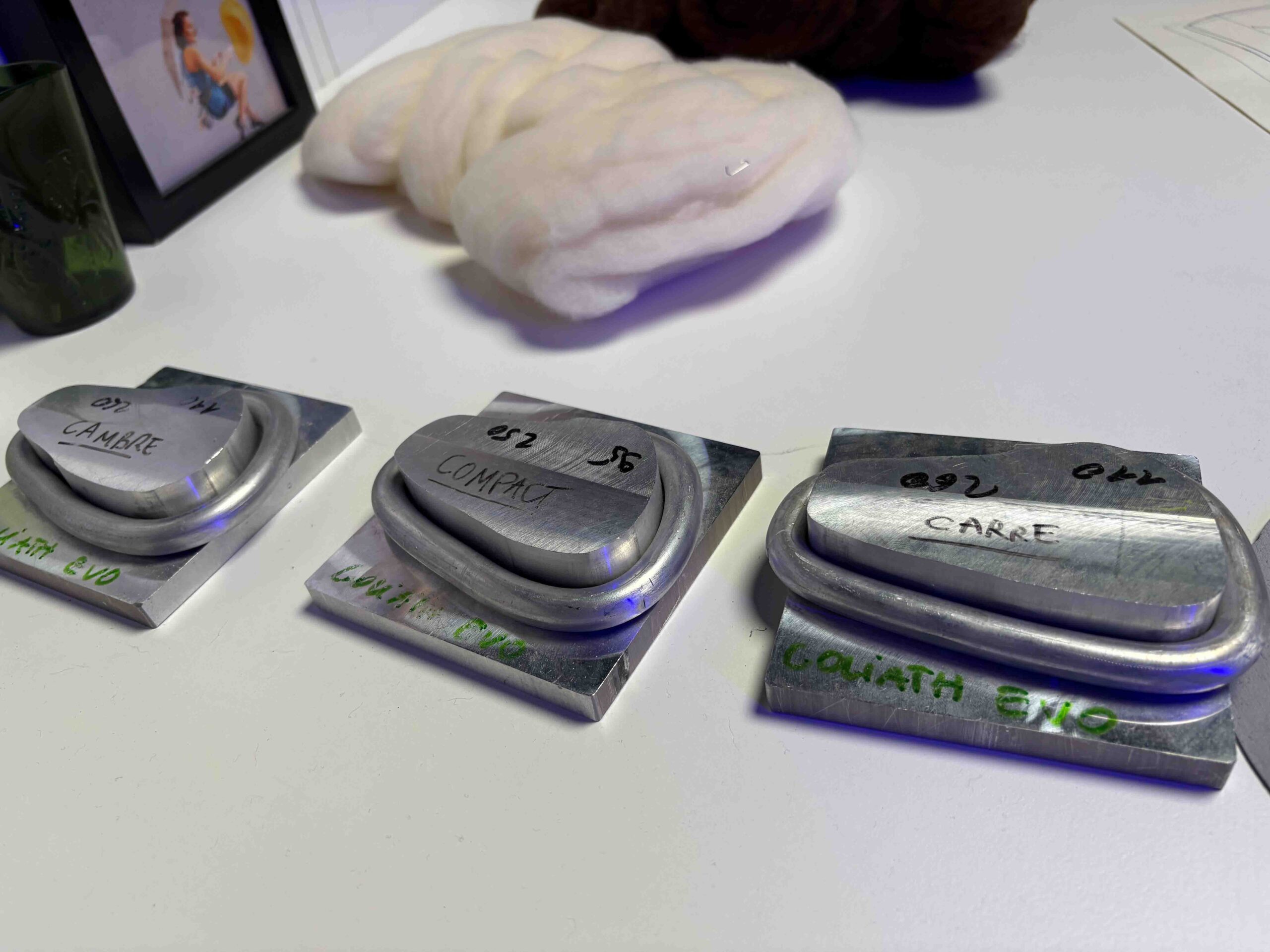
Crucially, Simond is still the only mountain brand manufacturing all its metal gear – ice axes, crampons, carabiners – in Chamonix itself. That metallurgical know-how now sits alongside newer categories: ropes, technical apparel, backpacks, tents, and, with this relaunch, a stronger emphasis on high-mountain pursuits, including alpine trekking, mountaineering, and backcountry skiing.
“Our first ambition is to highlight Simond’s capabilities,” Mô explained. “We have this fabulous history – Annapurna, Everest – and we’re adding today’s technical expertise to it. That’s why we’ve integrated backpacking and backcountry skiing into Simond’s world. All these sports share the same philosophy: autonomy and the need for really good products when you can only take the essentials.”
Elevated Design
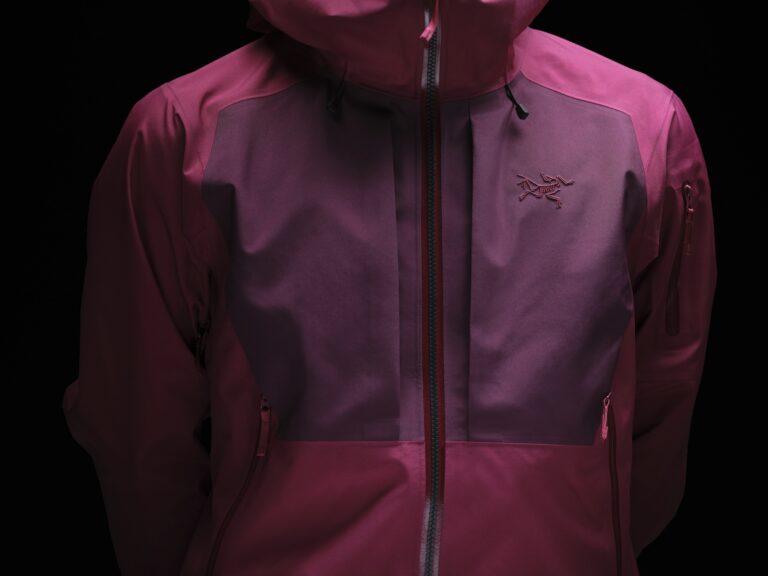
Simond’s gear has long had a reputation for solid function at good prices, but not necessarily, in my opinion, for standout aesthetics. In Chamonix, the shift was obvious: cleaner lines, more coherent color stories, and a modernised logo and typography.