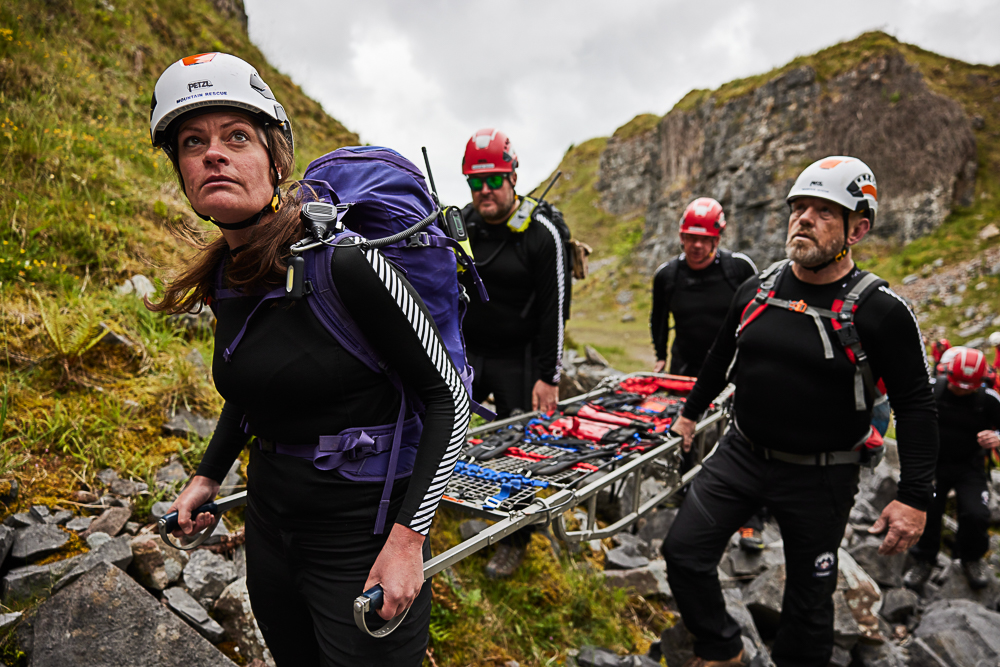
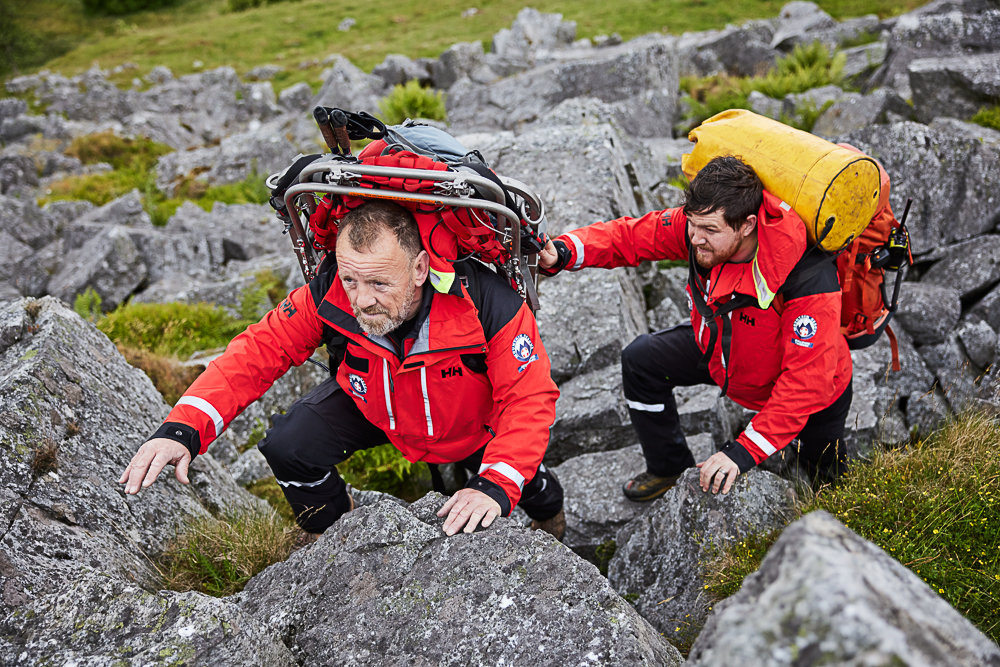
By their very nature, mountains invite uncertainty; the weather can shift quickly, paths can disappear and the terrain can become treacherous. For most of us, that unpredictability is part of the appeal. But for Mountain Rescue teams across the UK, it’s also why the call can come at any time.
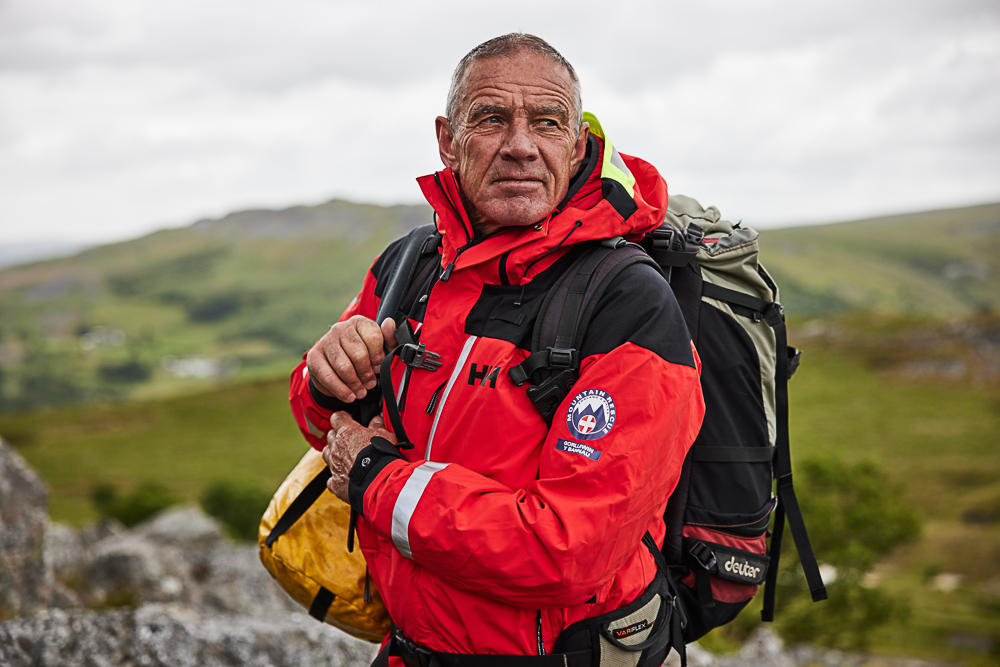
Neil Butcher knows this better than most. A Team Leader with Western Beacons Mountain Rescue, he has spent years responding to callouts across Bannau Brycheiniog – the Brecon Beacons – often in poor weather, fading light and difficult terrain. Some rescues blur together, while some linger in the memory.
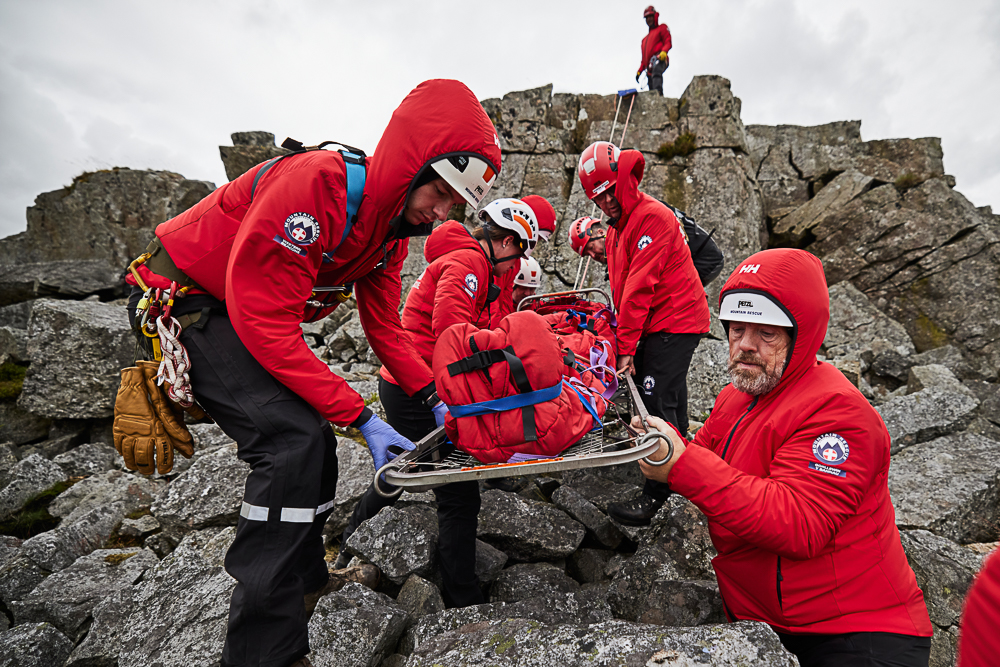
“One that really stands out,” he recalls, “was a woman who fell around 30 metres down a steep embankment and over a cliff near Henrhyd Falls.”
She had been walking with her partner and their dogs along a well-used path – nothing technical, nothing extreme. But a momentary loss of balance was enough to send her tumbling down the slope and over the cliff edge, sustaining “severe, life-changing injuries”.
By chance, the Mountain Rescue team was conducting first aid training just five miles away. They were first on scene, quickly establishing control before a full multi-agency response followed, involving fire and rescue rope teams, paramedics and the air ambulance. It took hours of careful coordination to extract the casualty safely from the gorge.
“It can happen to anyone,” Neil says simply. “Even people who are well prepared.”
The Patterns Behind the Callouts
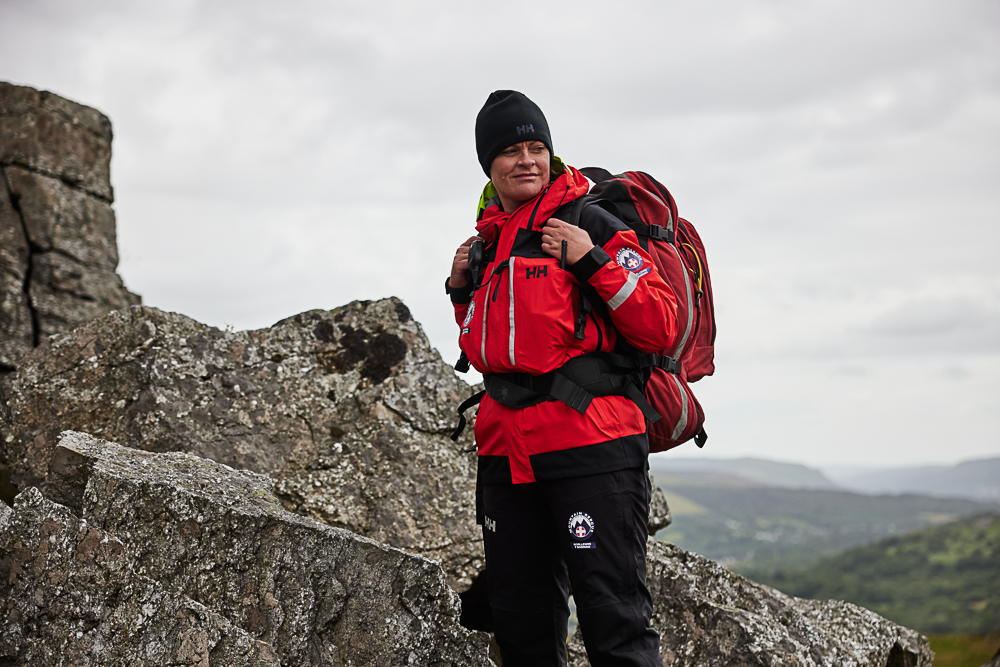
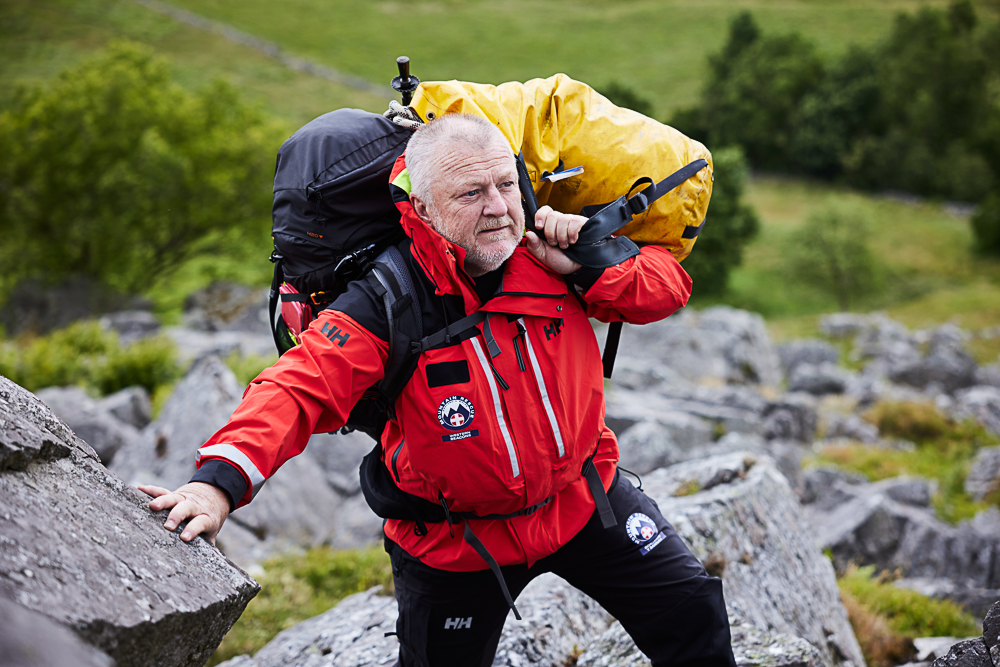
For Neil and his team, being well prepared is a daily requirement. Western Beacons Mountain Rescue is one of many UK teams supported by Helly Hansen, helping ensure volunteers have reliable clothing and equipment when responding to callouts in all conditions.
While dramatic rescues often grab attention, the majority of Mountain Rescue callouts are far more familiar. In Bannau Brycheiniog, Neil says, lower leg injuries top the list, most commonly sprained or broken ankles picked up on uneven ground.
Seasonally, incidents rise in summer. Not because conditions are worse, but because more people are out exploring. “It is brilliant to see,” he says. “The outdoors is hugely beneficial for physical and mental health. But basic safety becomes even more important when visitor numbers rise.”