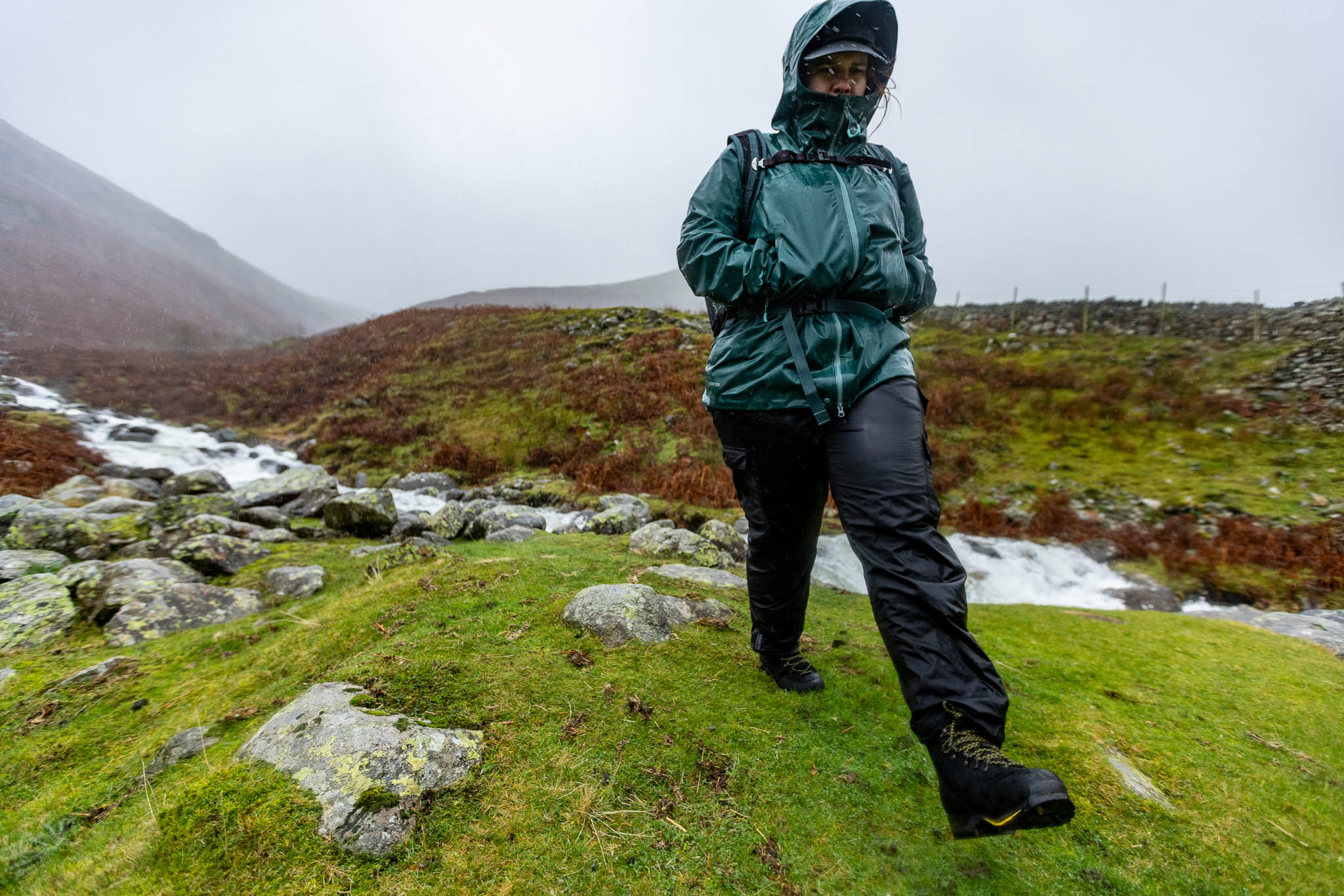
These are the second hiking boots I’ve tested from Haglöfs over the years. Once upon a time, it was the Skuta Proof mid boots that were my go-to hillwalking boots. Outside of intense winter conditions, they did the job for almost every kind of hike I found myself on.
These, however, are the Incline GTX mid boots – the more robust cousin to the Skutas. They’re less cushioned, but with a much tougher and more durable build, and a higher price point too.
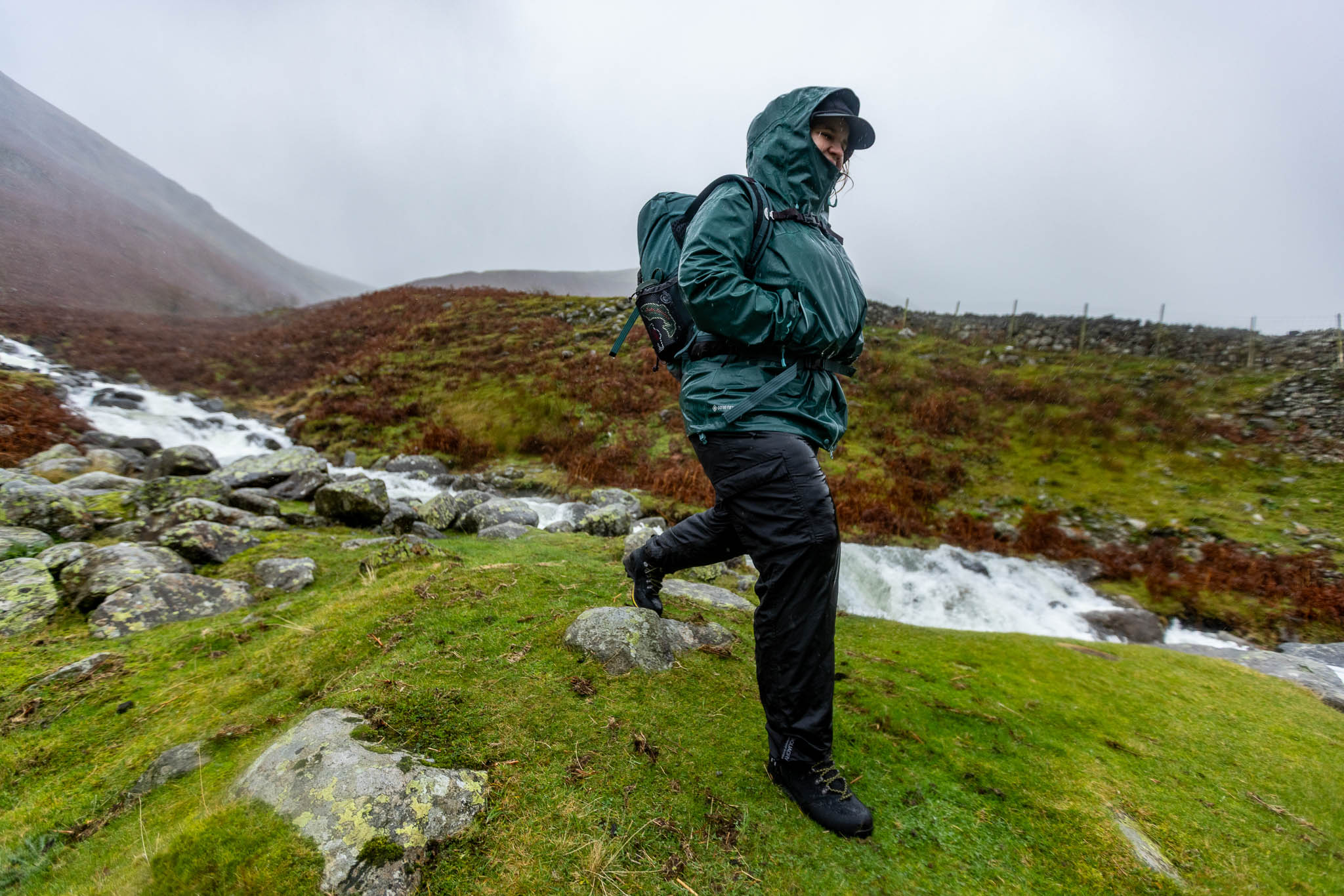
I’ve spent the past few months putting the Inclines through a mix of UK and Irish terrains, including soggy woodland paths and steep, rocky mountain trails. Here’s the lowdown on how I got on with them.
The Top Line
These are a solid pair of hiking boots if you’re looking for something somewhere in between an alpine boot and a lightweight synthetic boot. They’re tough, durable, and surprisingly light feeling, with a dependable grip out on the trail. And while they’re not the plushest in terms of cushioning, there are still a lot of features I think the average long-distance hiker will really like.
Buy the women’s Haglöfs Incline GTX Mid Boots: £210 at Haglofs.com
Pros: tough and durable, surprisingly light feeling, dependable grip, ideal for trekking
Cons: not very cushioned, long break-in period, not the most breathable
Who Will Like the Haglöfs Incline Boots
The Incline GTX Mid is ideal for:
- Serious trekkers and backpackers doing multi-day mountain hikes.
- Spring, autumn and winter hikers who need very good waterproofing and support.
- Alpine enthusiasts who require C-1 crampons.
- Hikers who value durability: this boot is meant to last, not to be replaced after a season.

Who Should Not Buy Them
Less ideal for:
- Ultralight backpackers and hikers – probably too heavy and rigid.
- Hot-weather hikers who prioritise ventilation over waterproofing.
- Casual day-hikers who want very soft, cushy, running-shoe-like comfort.
- Those needing C2/C3 crampon compatibility for proper winter mountaineering.
- Walkers with very wide feet, unless they try before buying.
Materials and Construction
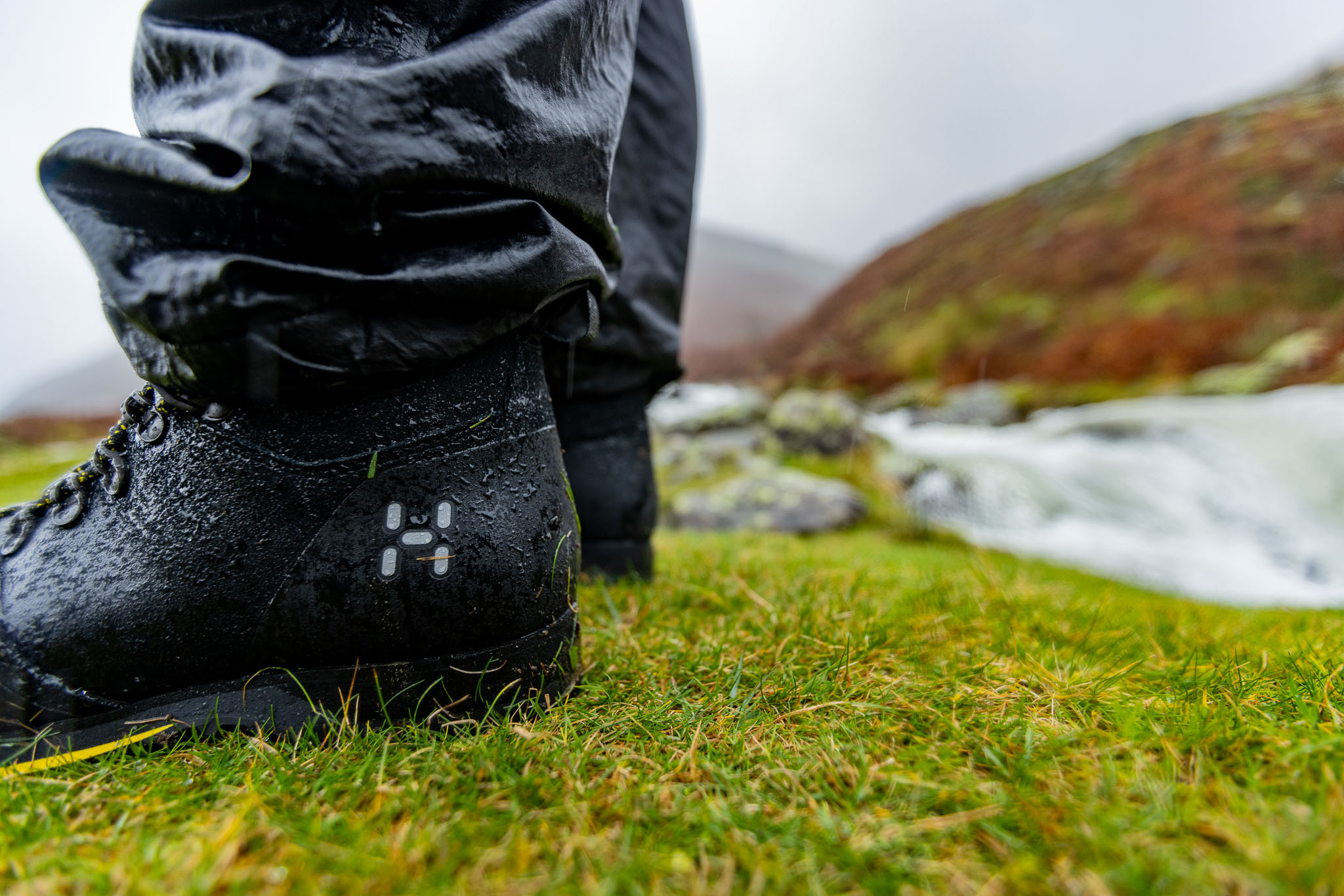
The upper here is made from 1.6-1.8mm water-repellent split-suede leather, sourced from an LWG-audited tannery, which gives it a premium feel and durability. The Leather Working Group, in case you didn’t know, assess the responsible practices of leather manufacturers. In this instance the leather is gold-rated, the highest certification that’s awarded. Not bad, not bad at all.
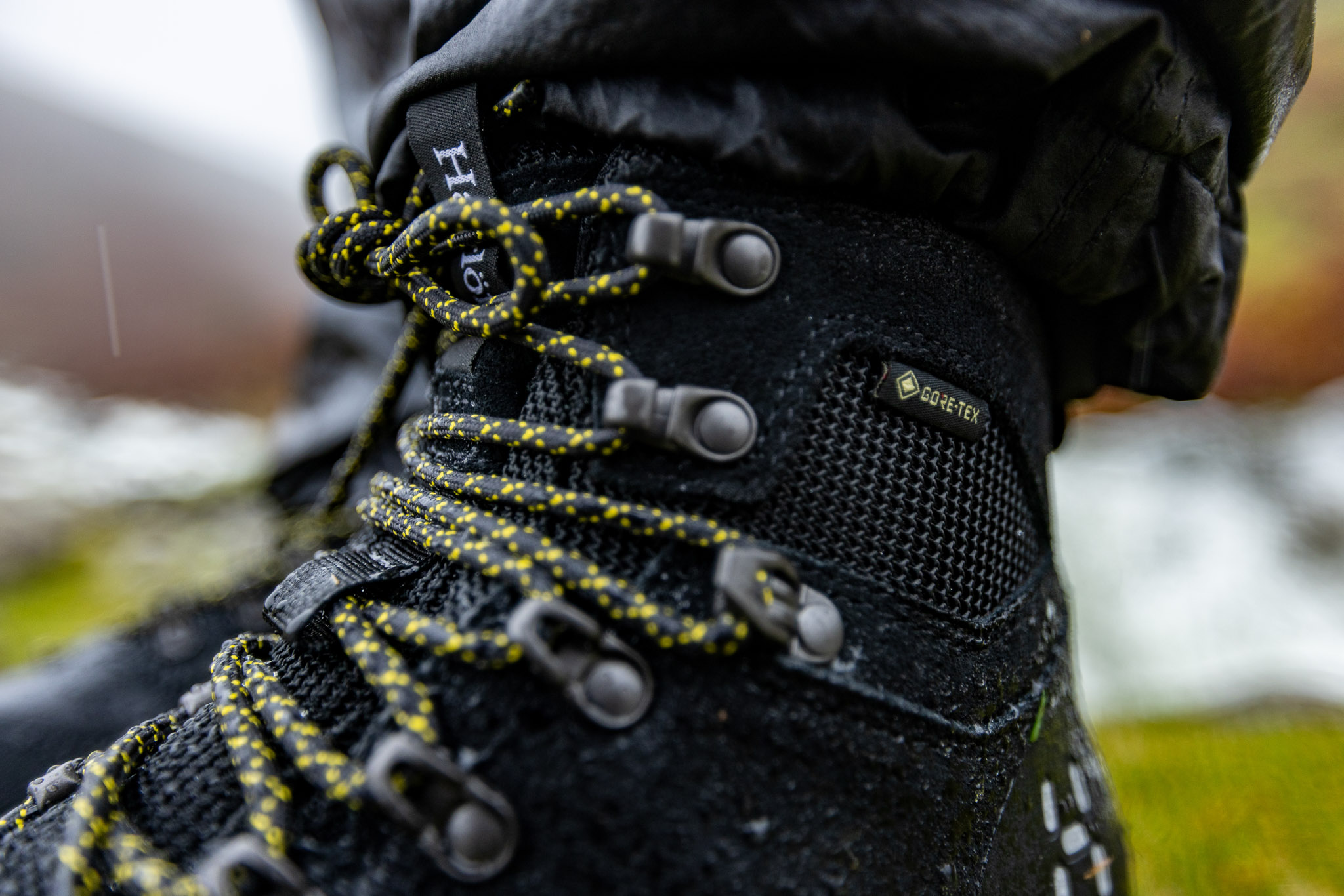
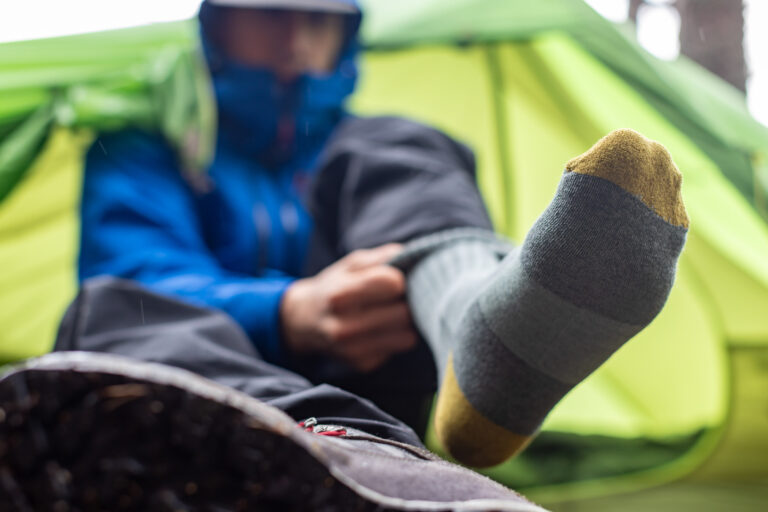
Another standout feature is the 4-layer GORE-TEX Sierra XT membrane, which ensures the boot is both fully waterproof and insulated – keeping your feet dry and reasonably warm in cold conditions. Having said that, on particularly cold walking days, I’d recommend pairing the boots with some properly insulated hiking socks.
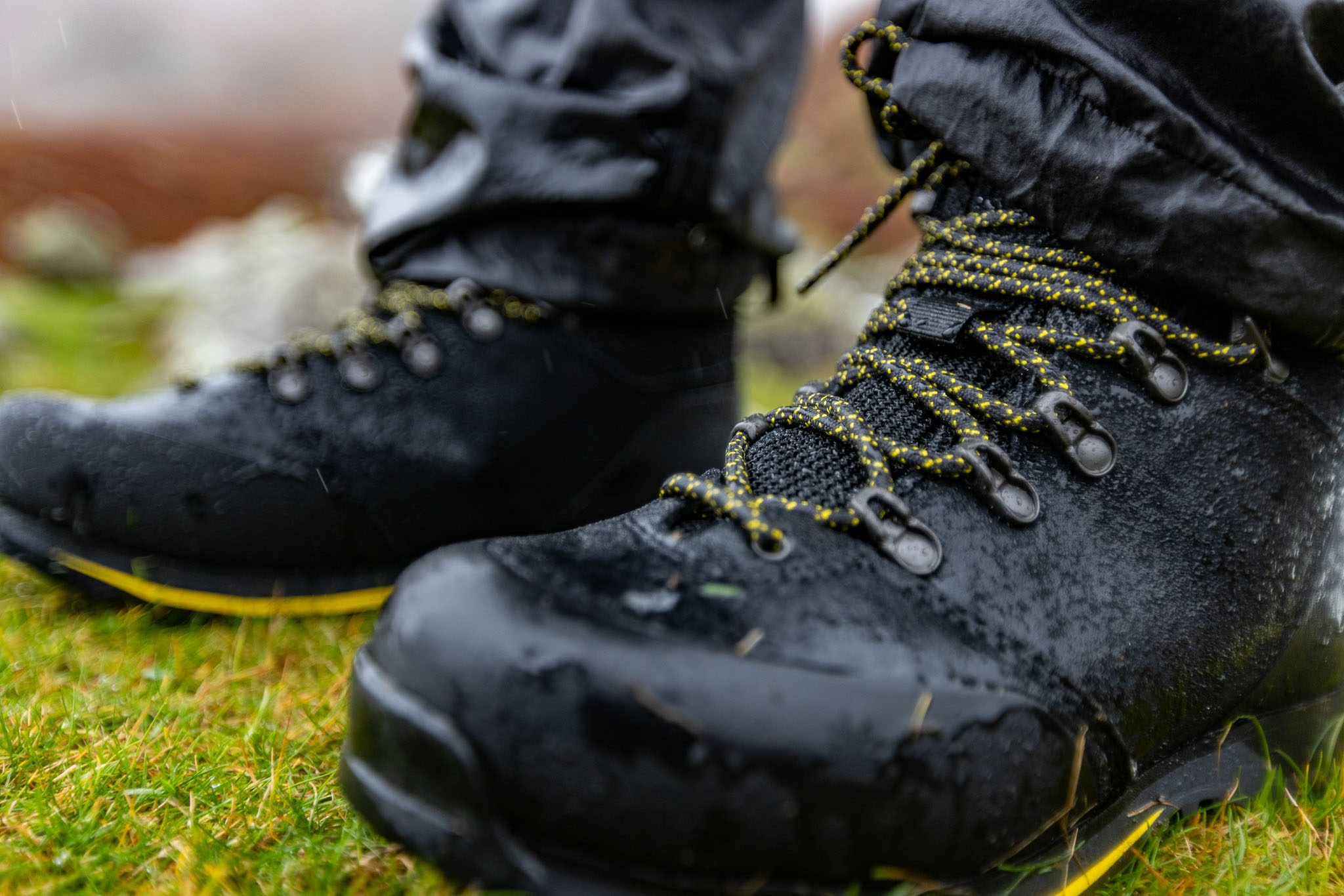
The mid-cut ankle cuff adds stability around the ankle, while on the inside, the midsole is a semi-rigid EVA foam, designed to offer a balance of cushioning and support over long distances.
I’d say that this balance leans more towards protection and durability than cushioning, and is best suited to long-distance hiking with a heavy pack. For day hikes, it feels a bit overkill, but for multi-day walking, when I’m prioritising versatility across terrain over short-term comforts, I’d happily reach for these.
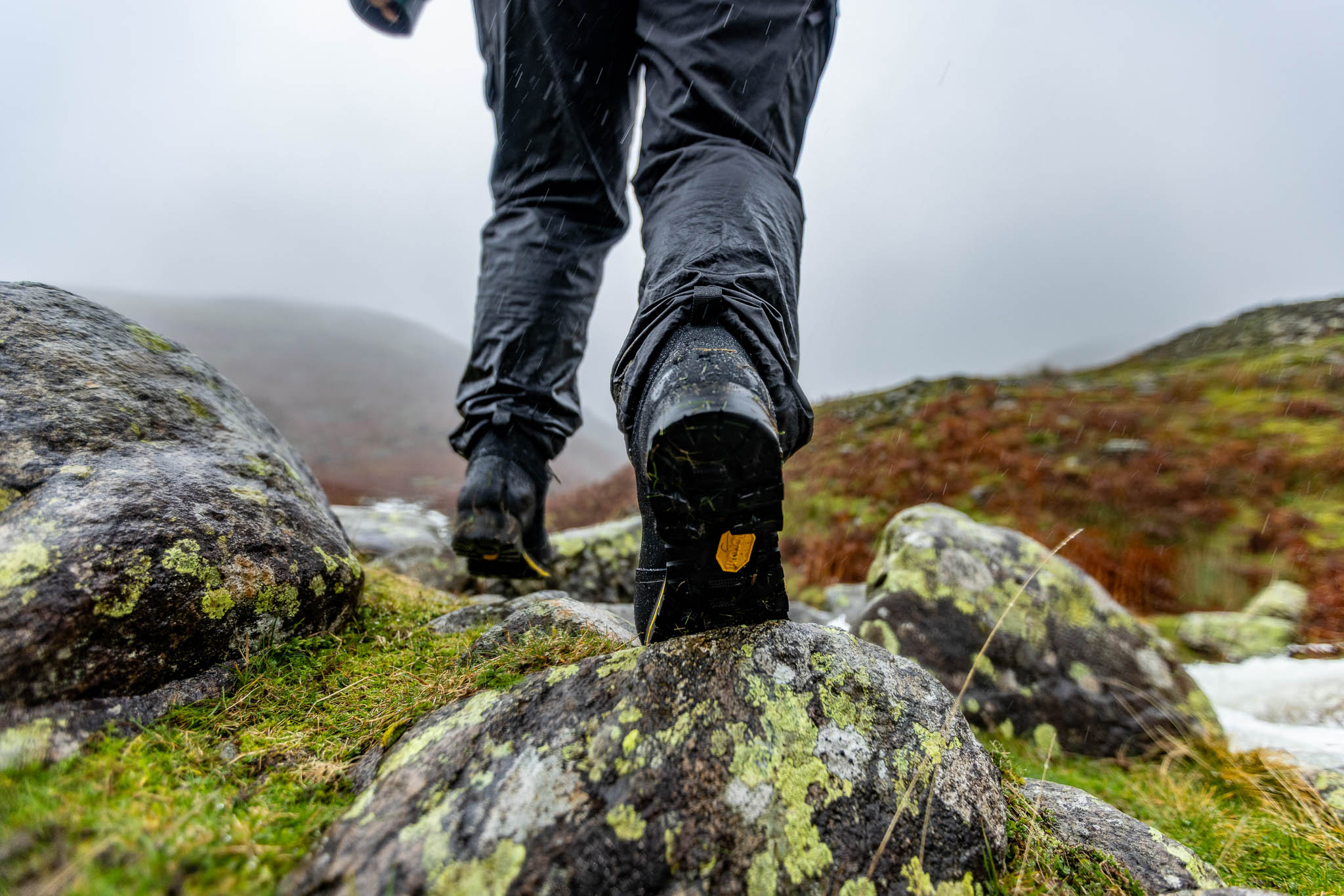
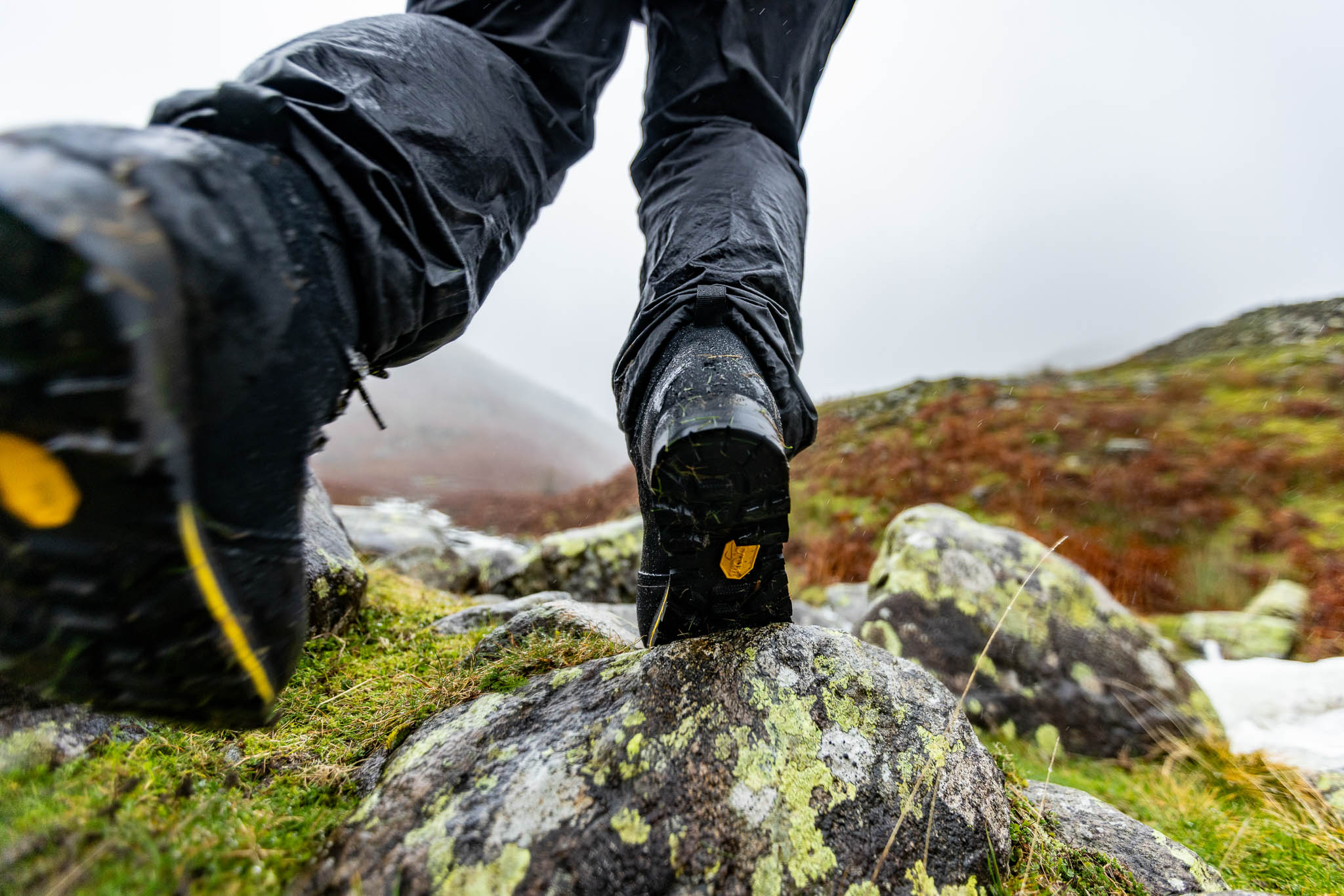
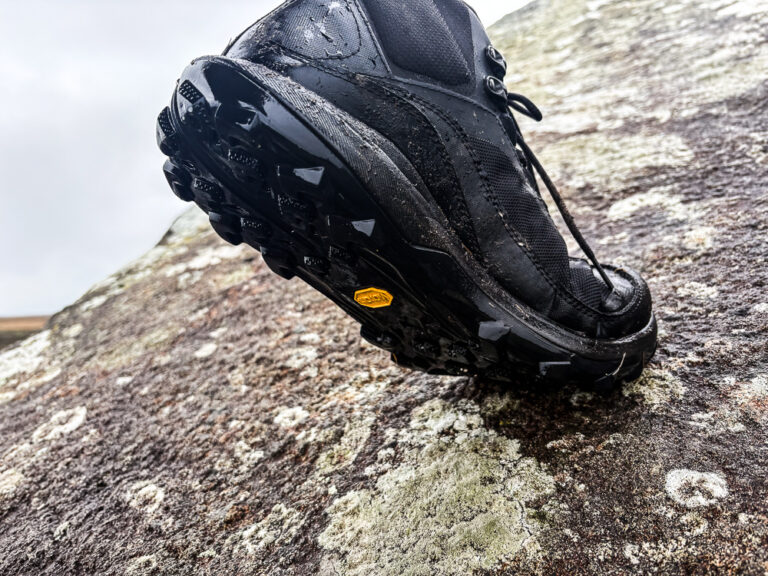
Finally, underfoot, the boot uses a Vibram XS-Trek EVO rubber outsole, which, in my experience, delivers very good grip on a variety of surfaces. For extra protection, the toe and heel are rubber-reinforced, helping resist abrasion when scrambling or bashing through rough terrain.