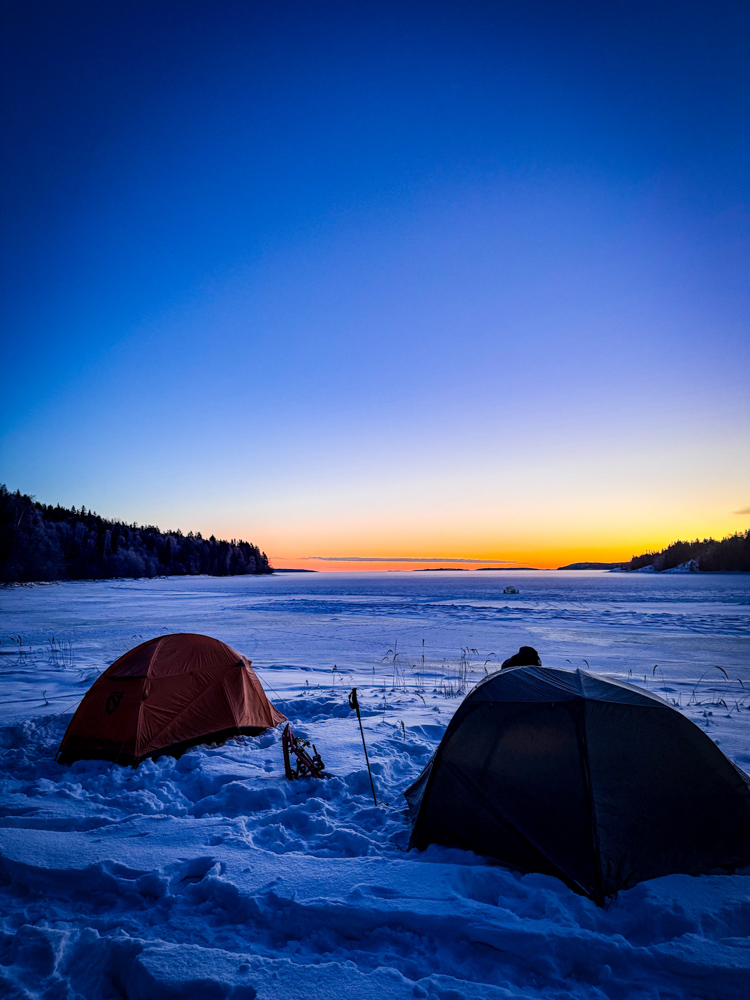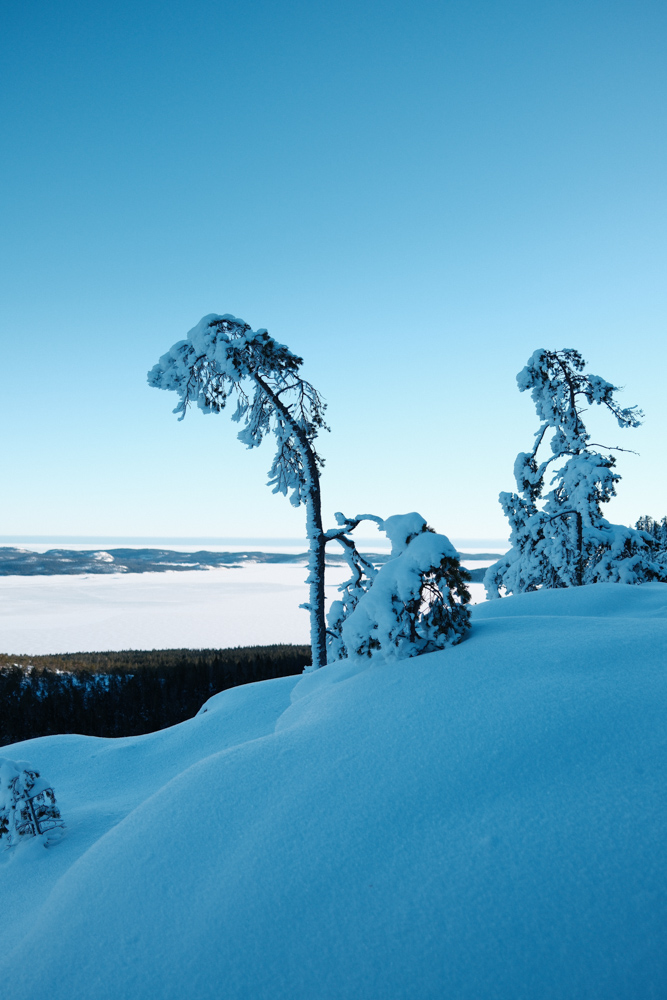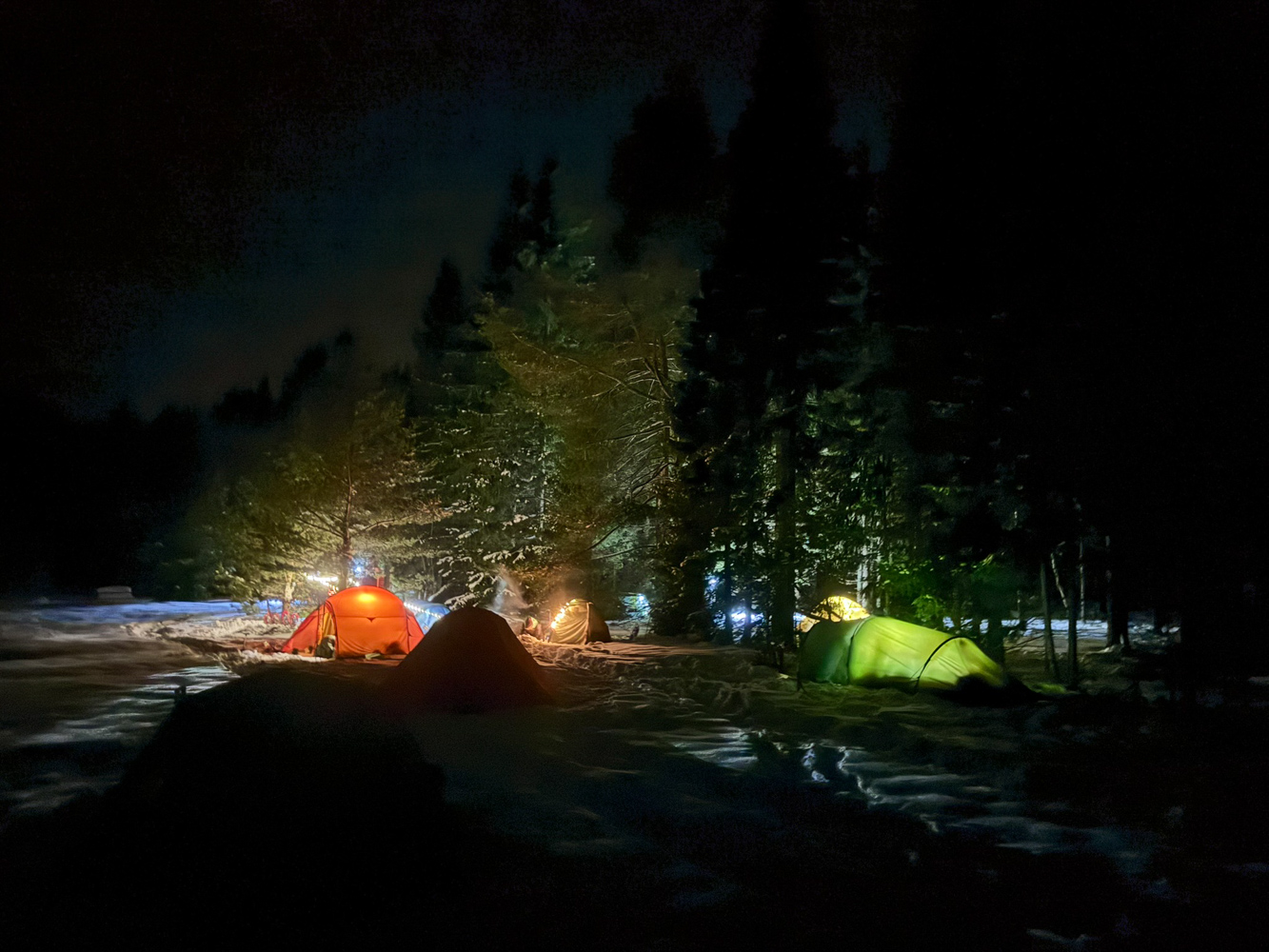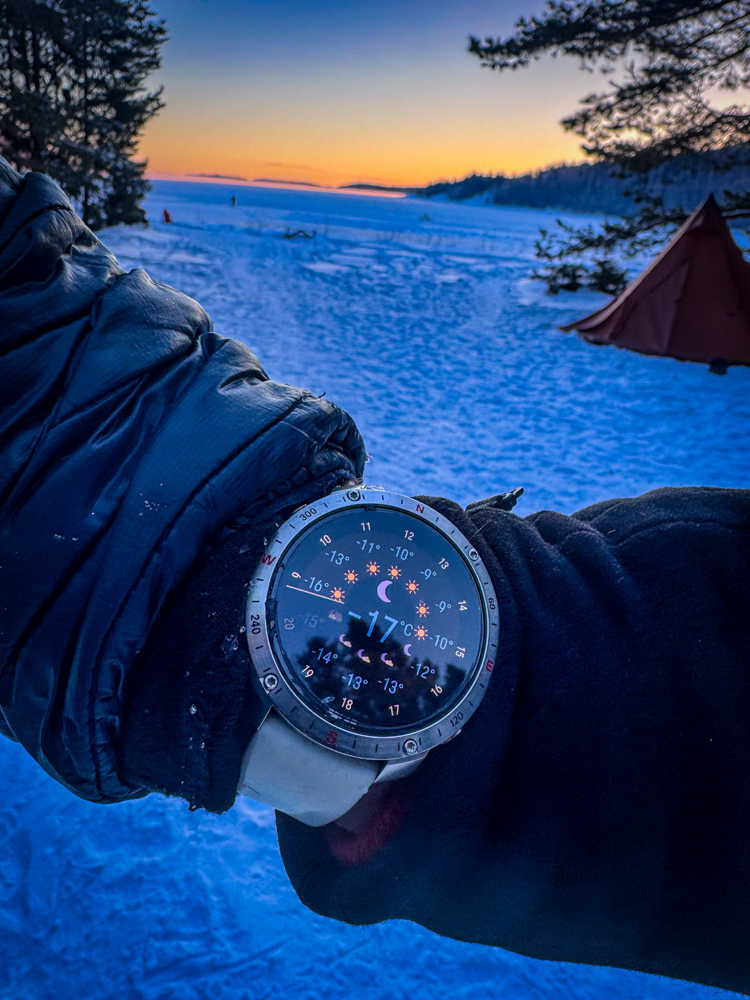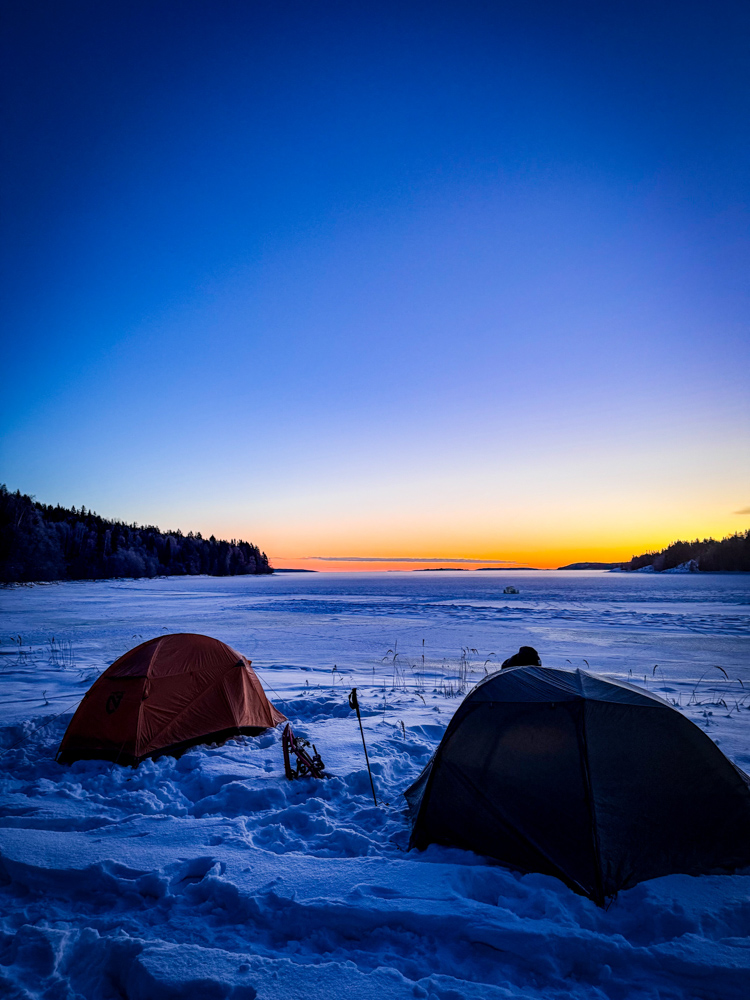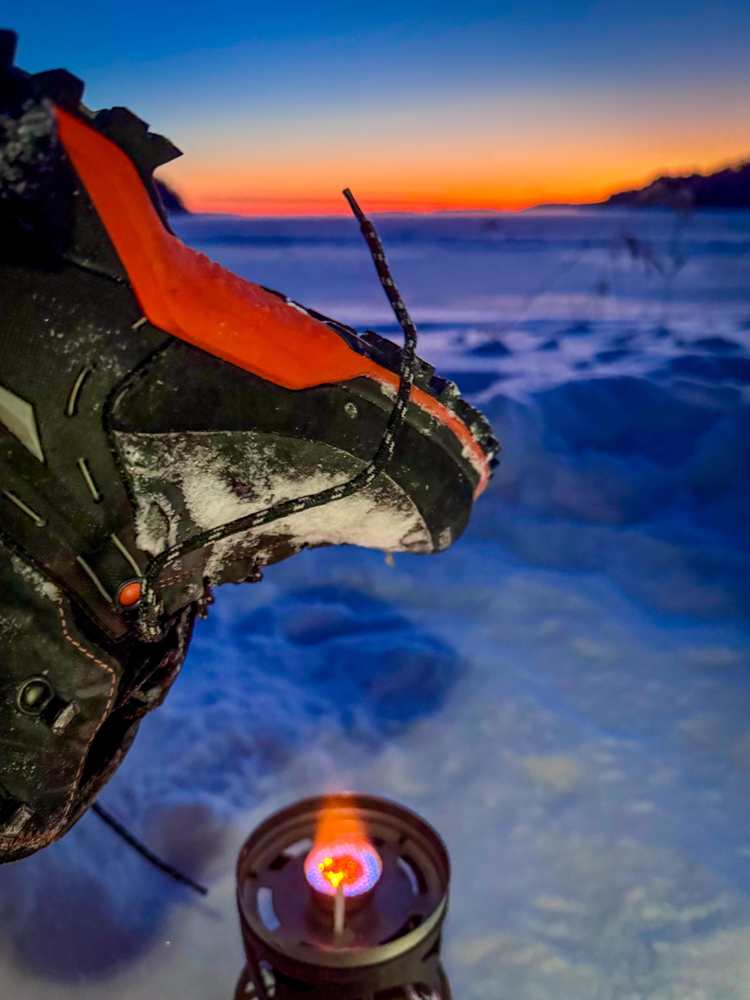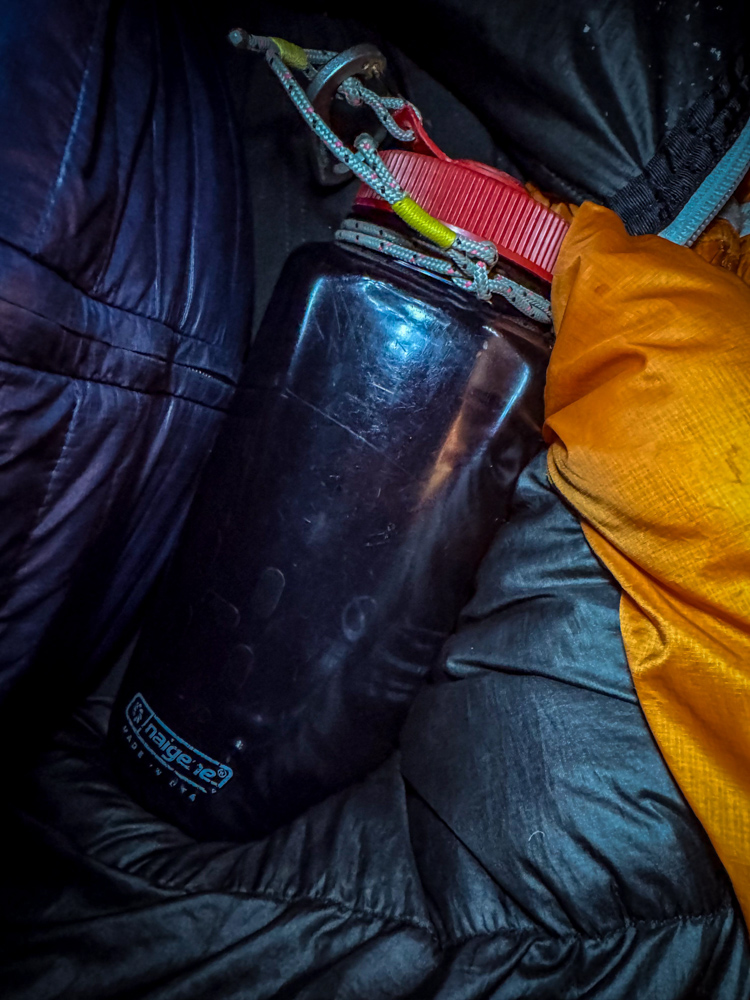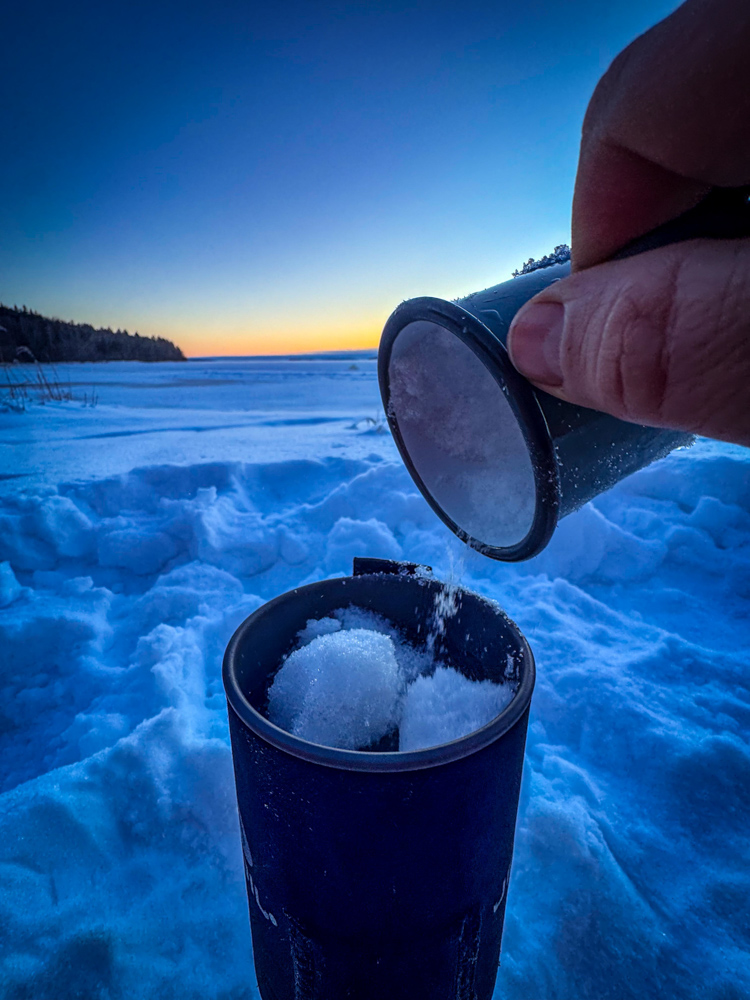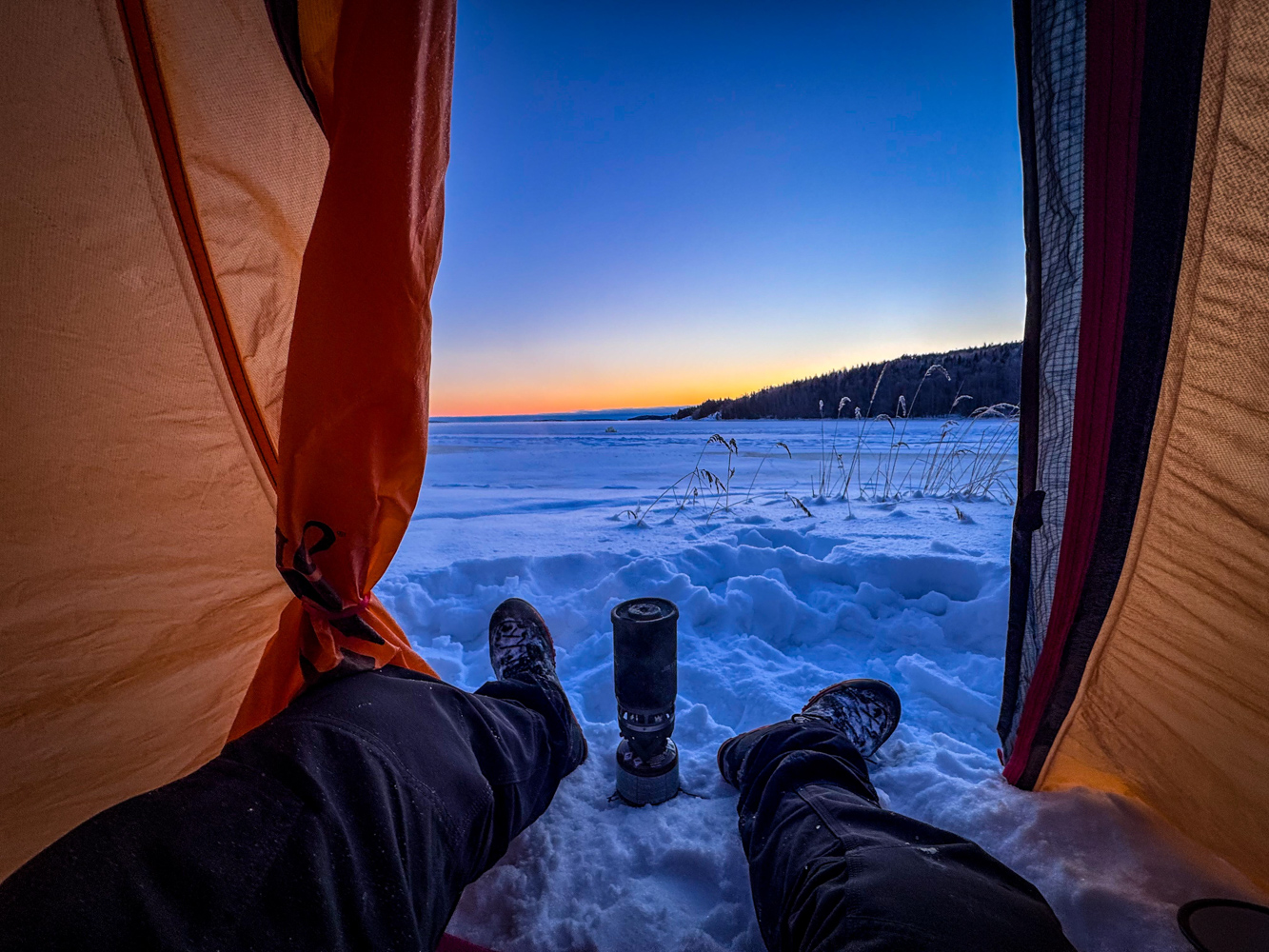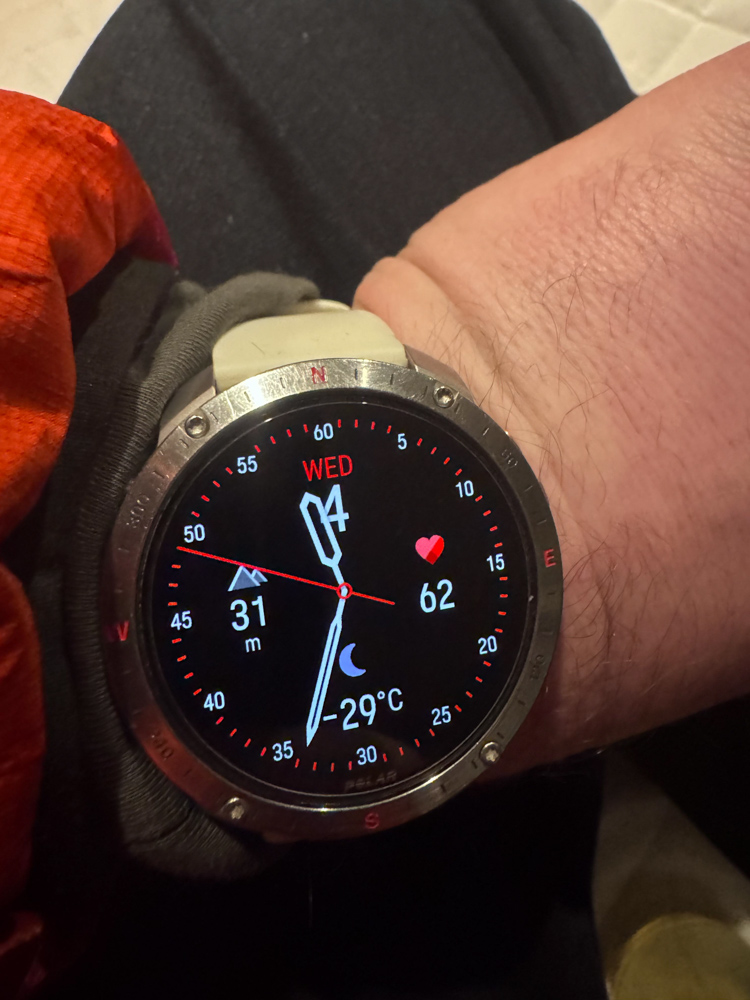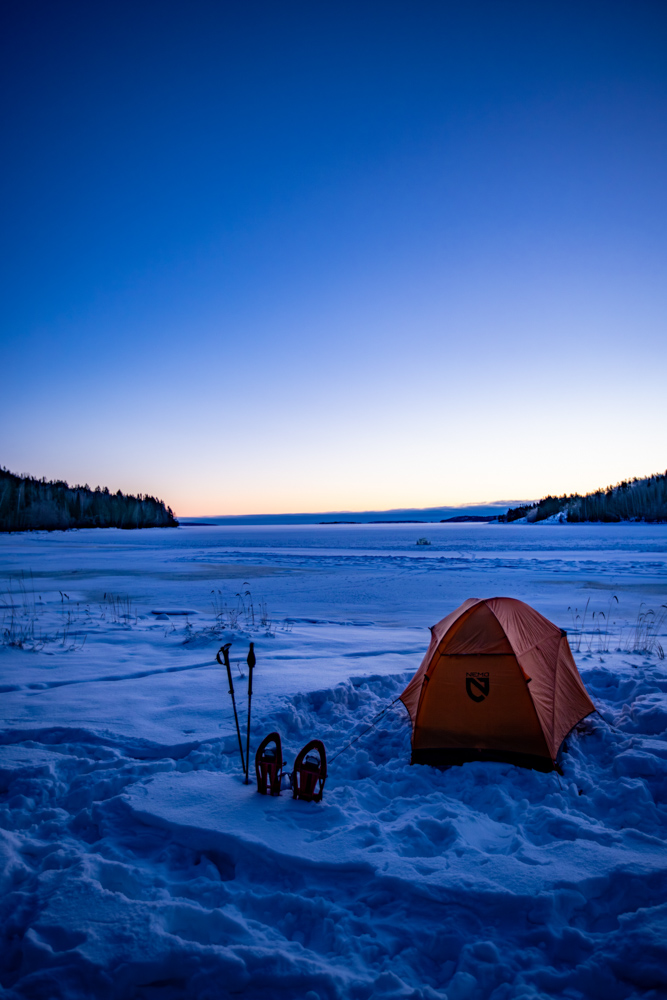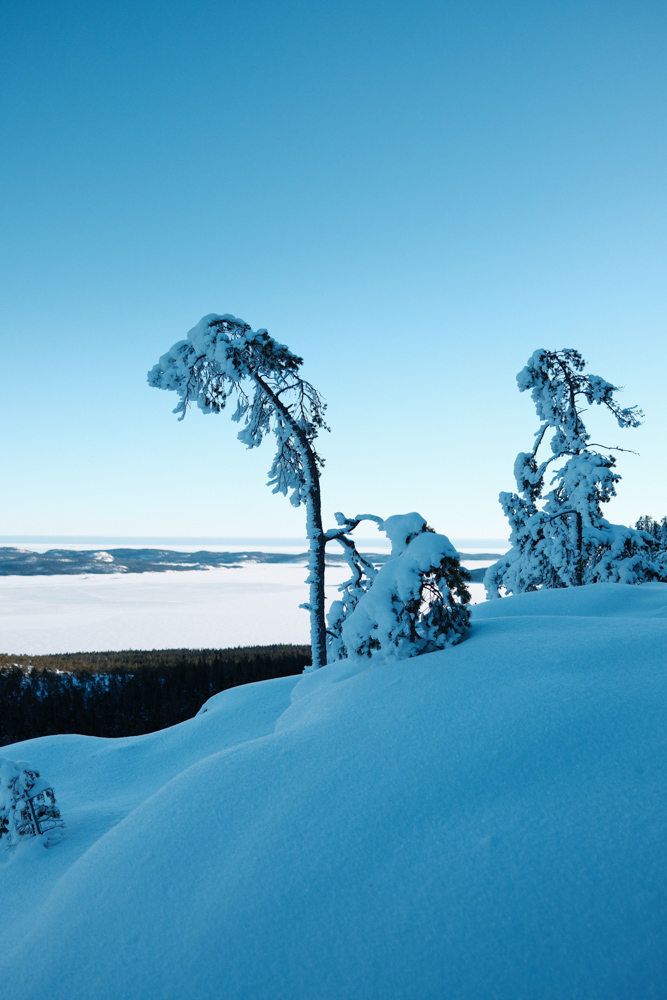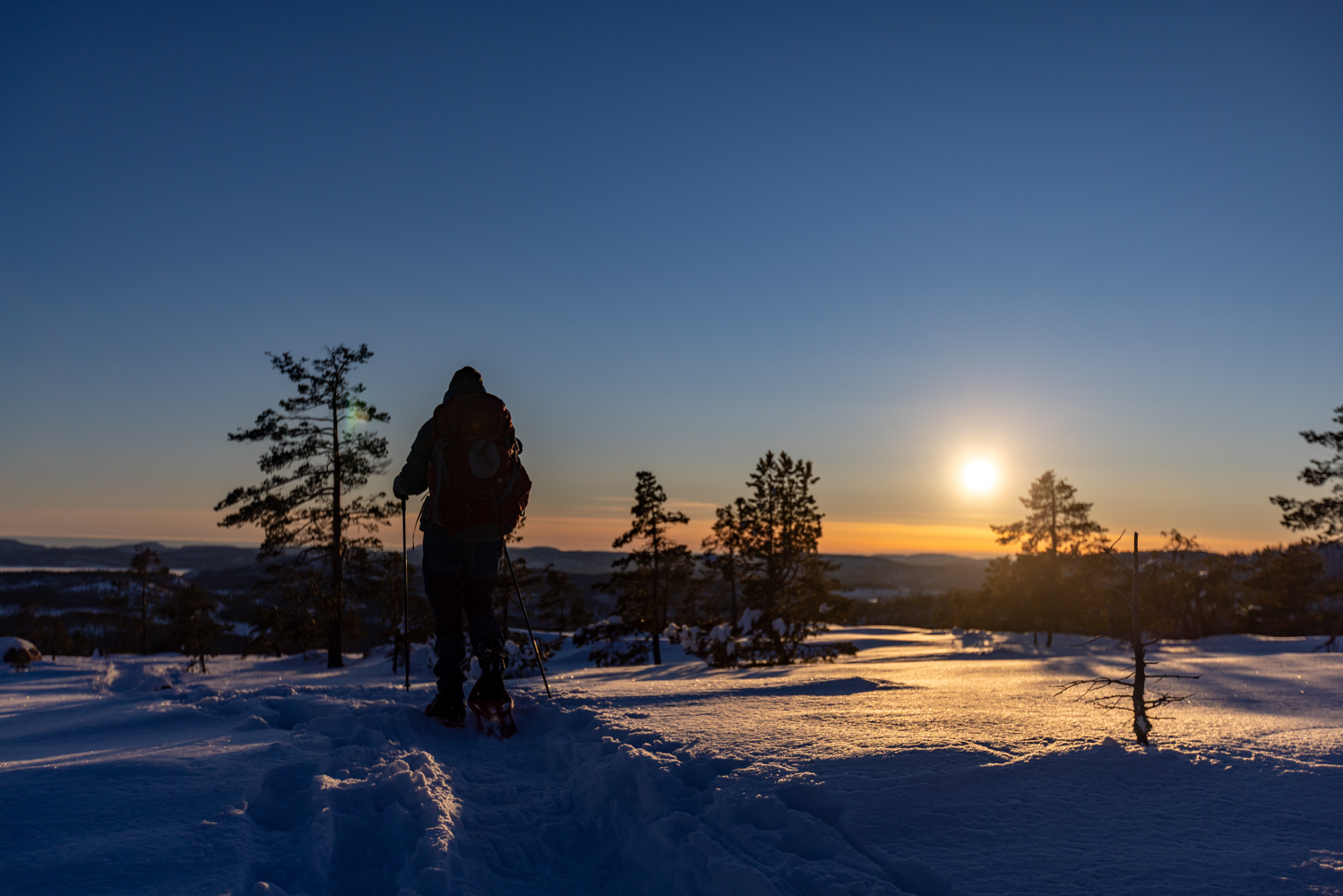
It’s 6.30am and my alarm is going off somewhere deep in my sleeping bag. I wrestle it free from a tangle of gloves, camera batteries and water bottles and, after fumbling with the drawcord around my face, finally wriggle free. The inner of my tent is crusted with frost. I carefully open the door, avoiding the metal zip, and am greeted by the view I came here for. Seeing sunrise over Kälsviken and inky blue skies turning orange in complete silence makes even -30 feel worth it.
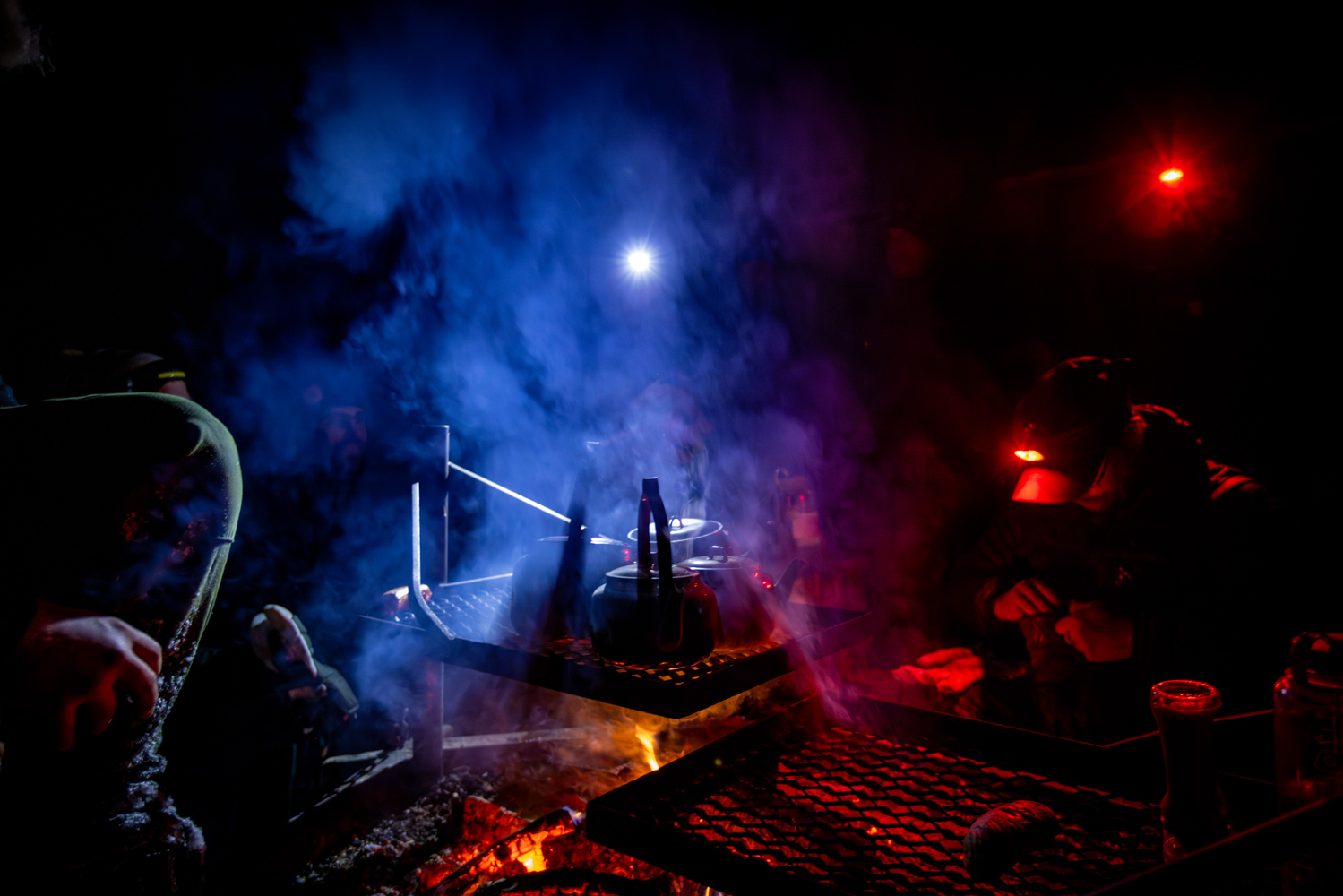
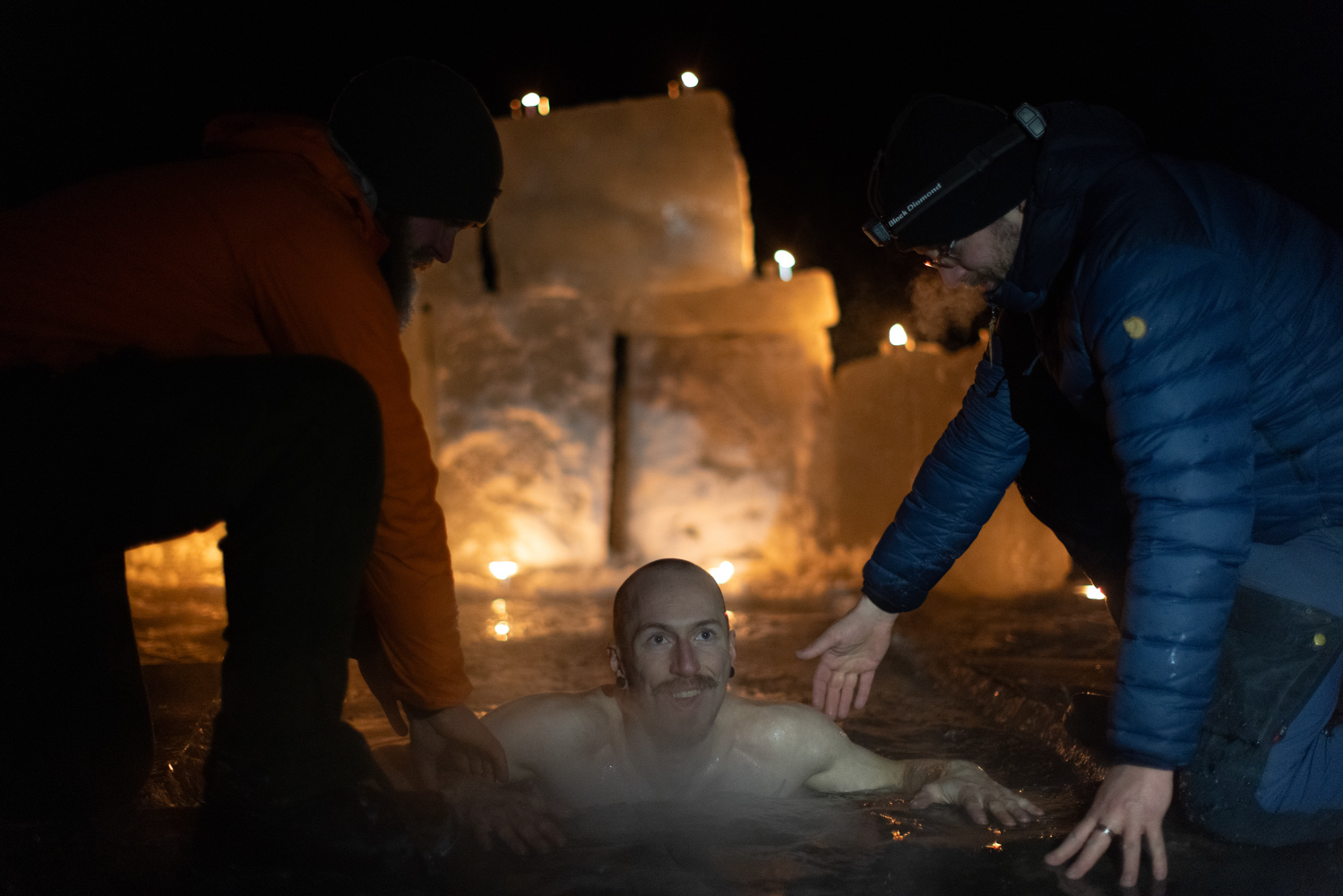
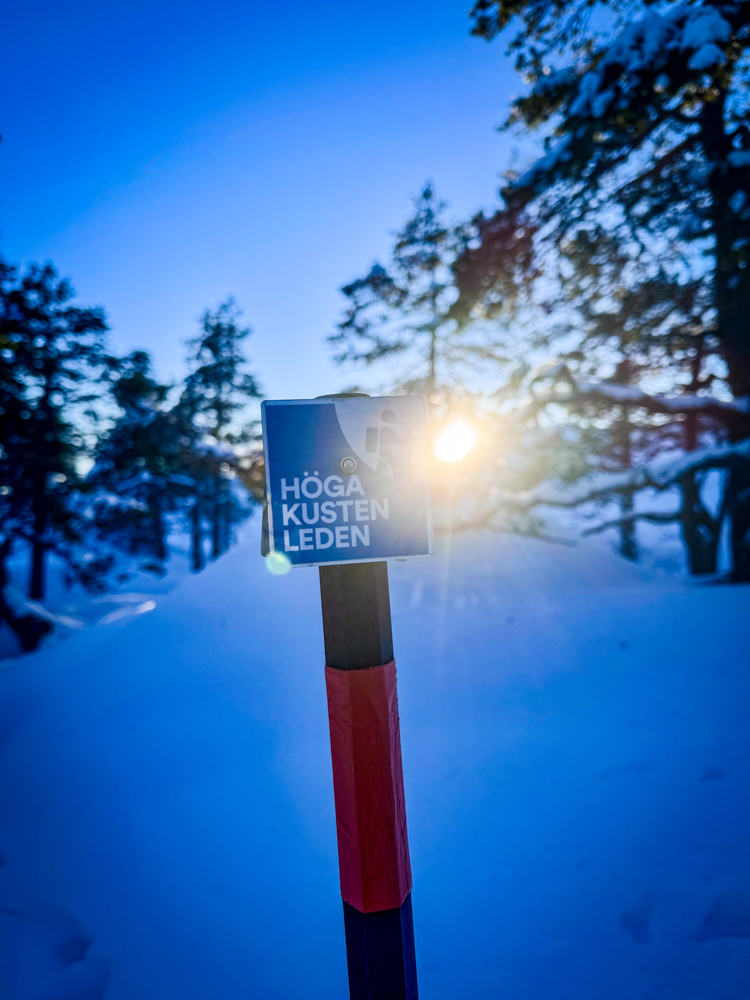
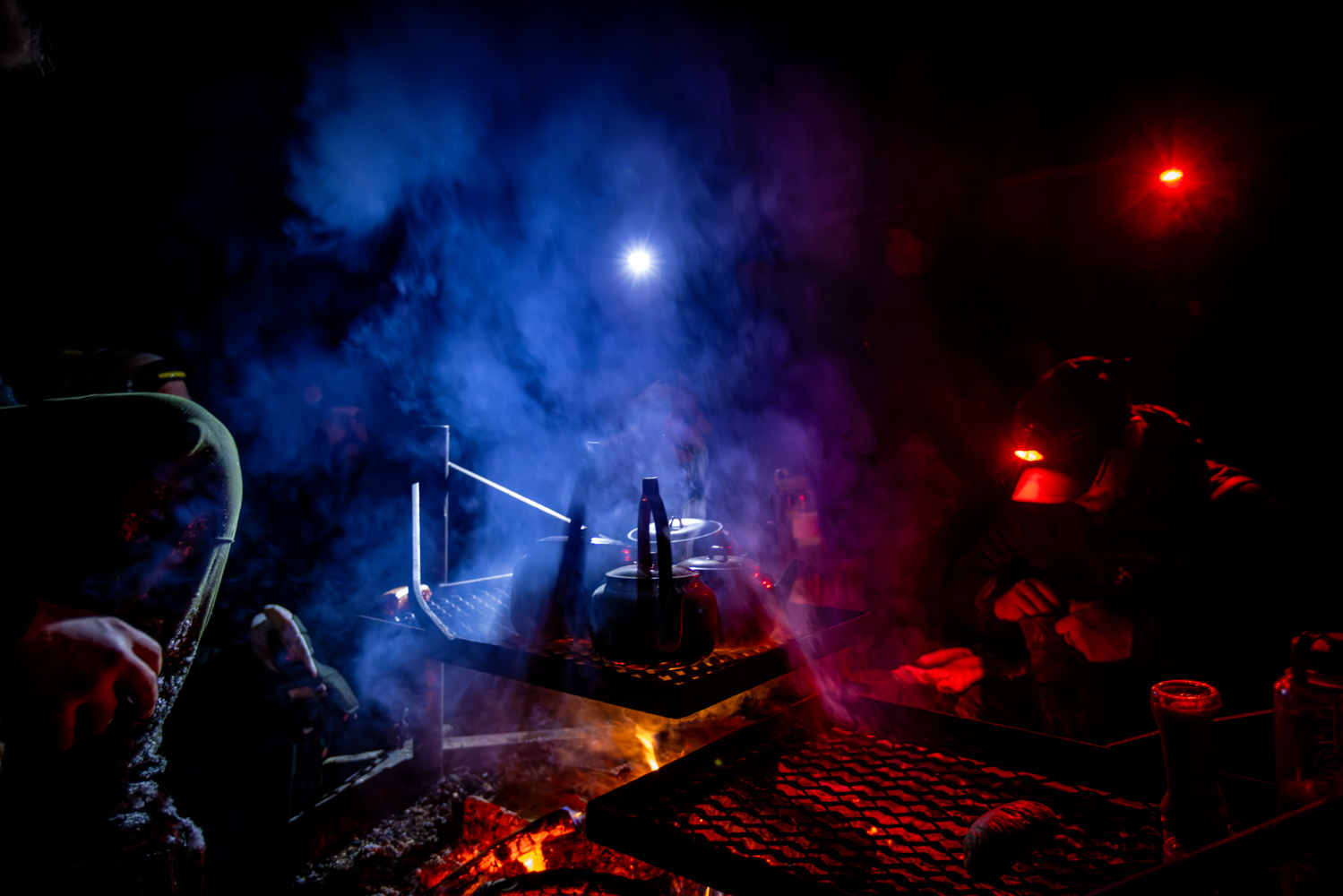
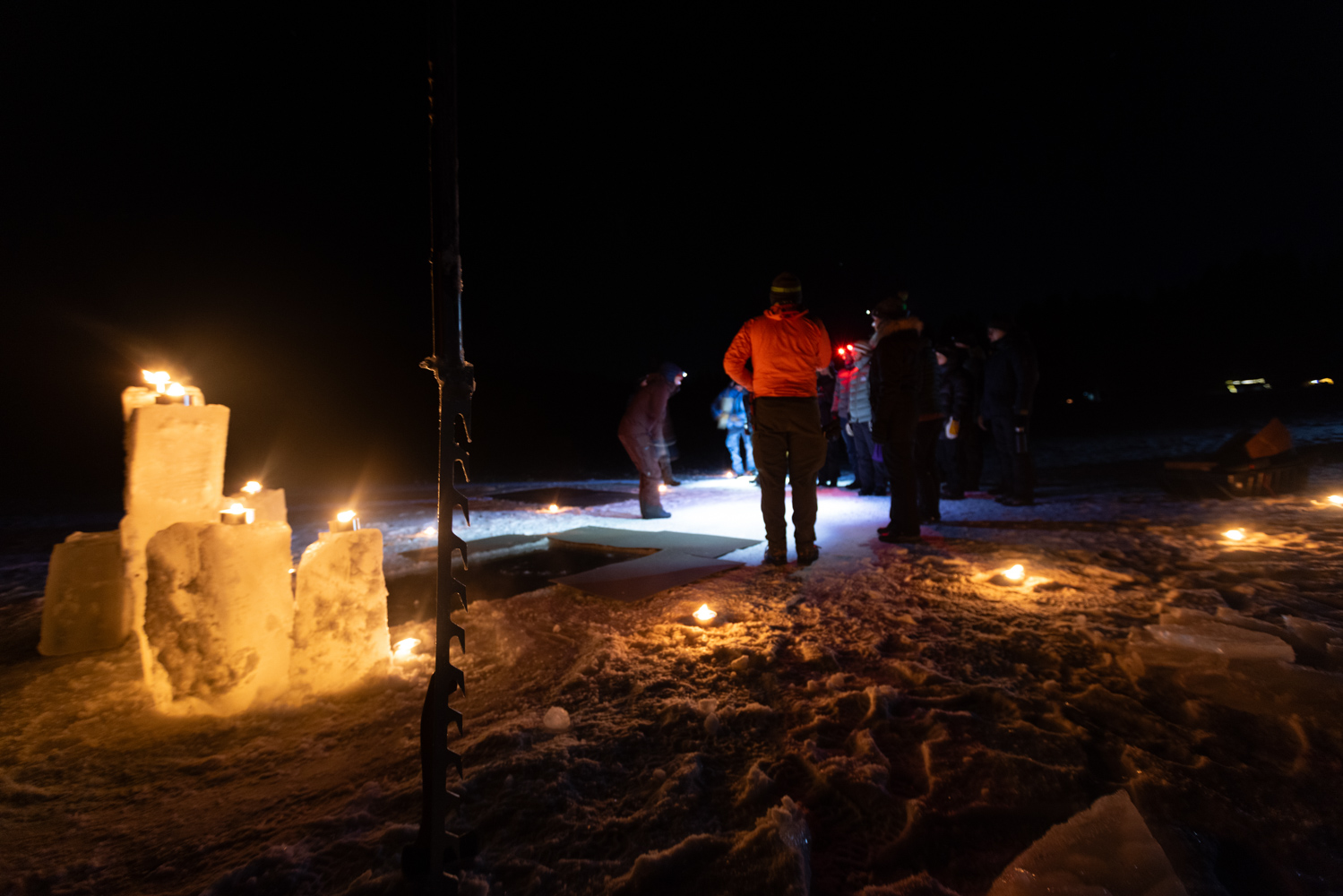
This is my fourth High Coast Winter Hike, organised by FriluftsByn, the “outdoors village”. I first came on the 35km trek in 2019 after a Facebook ad had me correctly pegged as someone who liked Sweden, wild camping and pushing myself out of my comfort zone. All true. But winter camping was new to me, and as I joined the Facebook group and saw everyone’s gear flat lays, I started to panic. I didn’t even know I’d need snow pegs for my tent, but someone offered to make me some in exchange for a beer at the afterparty. Deal. It’s that mix of camaraderie, the epic views and one incredible adventure that’s made me come back so many times.
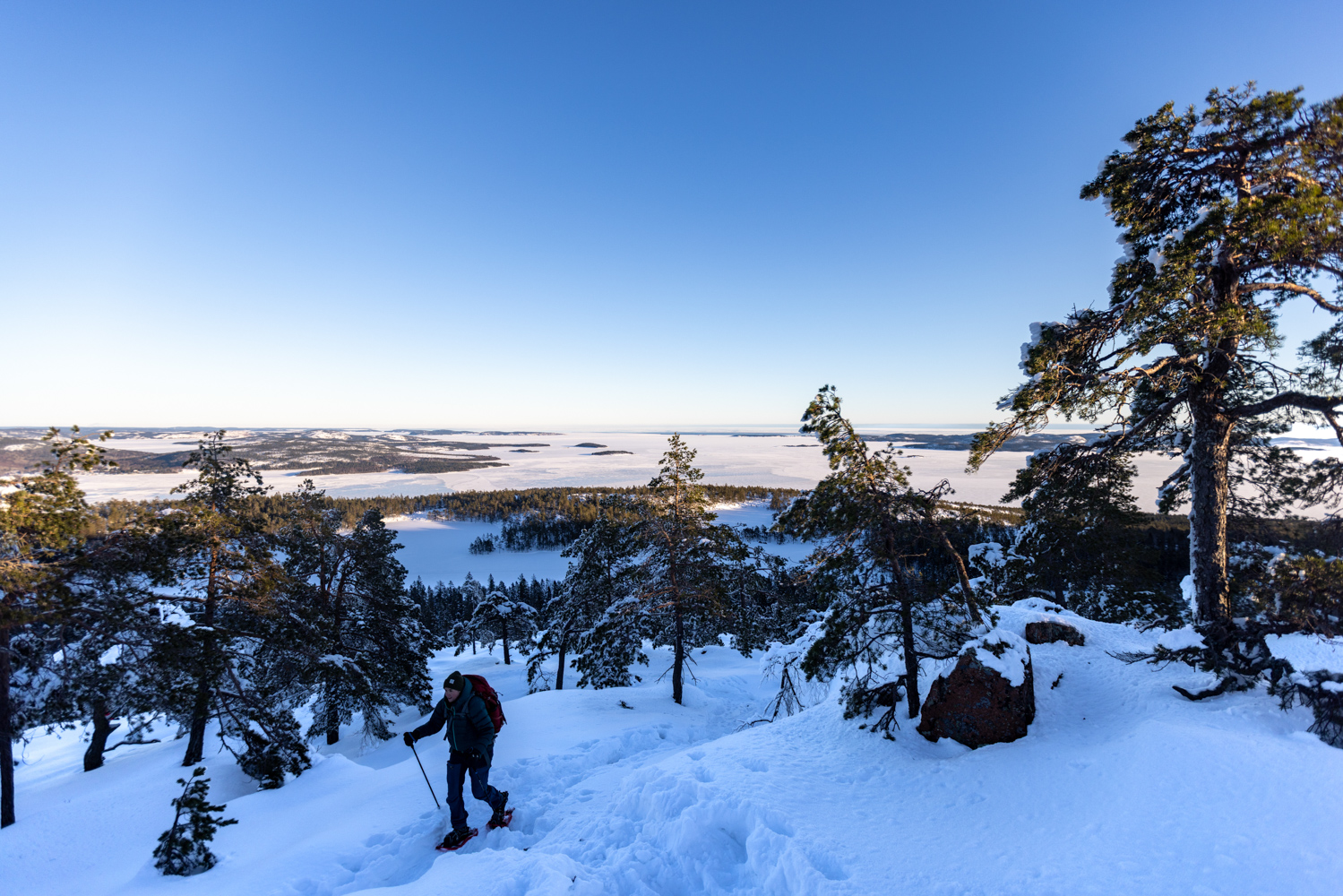
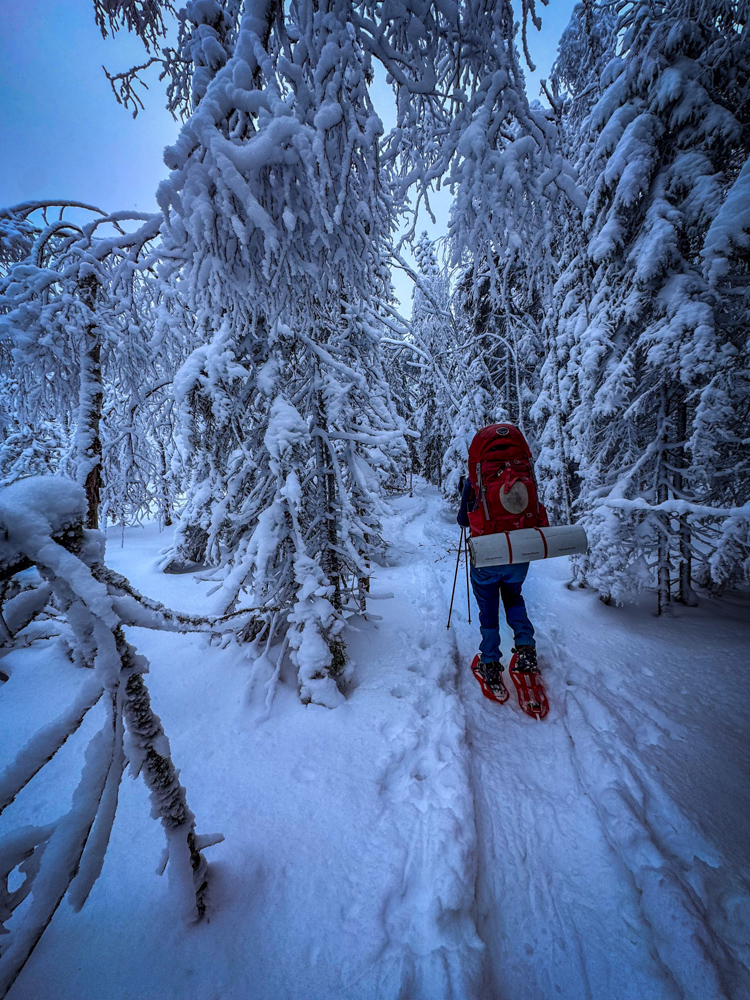
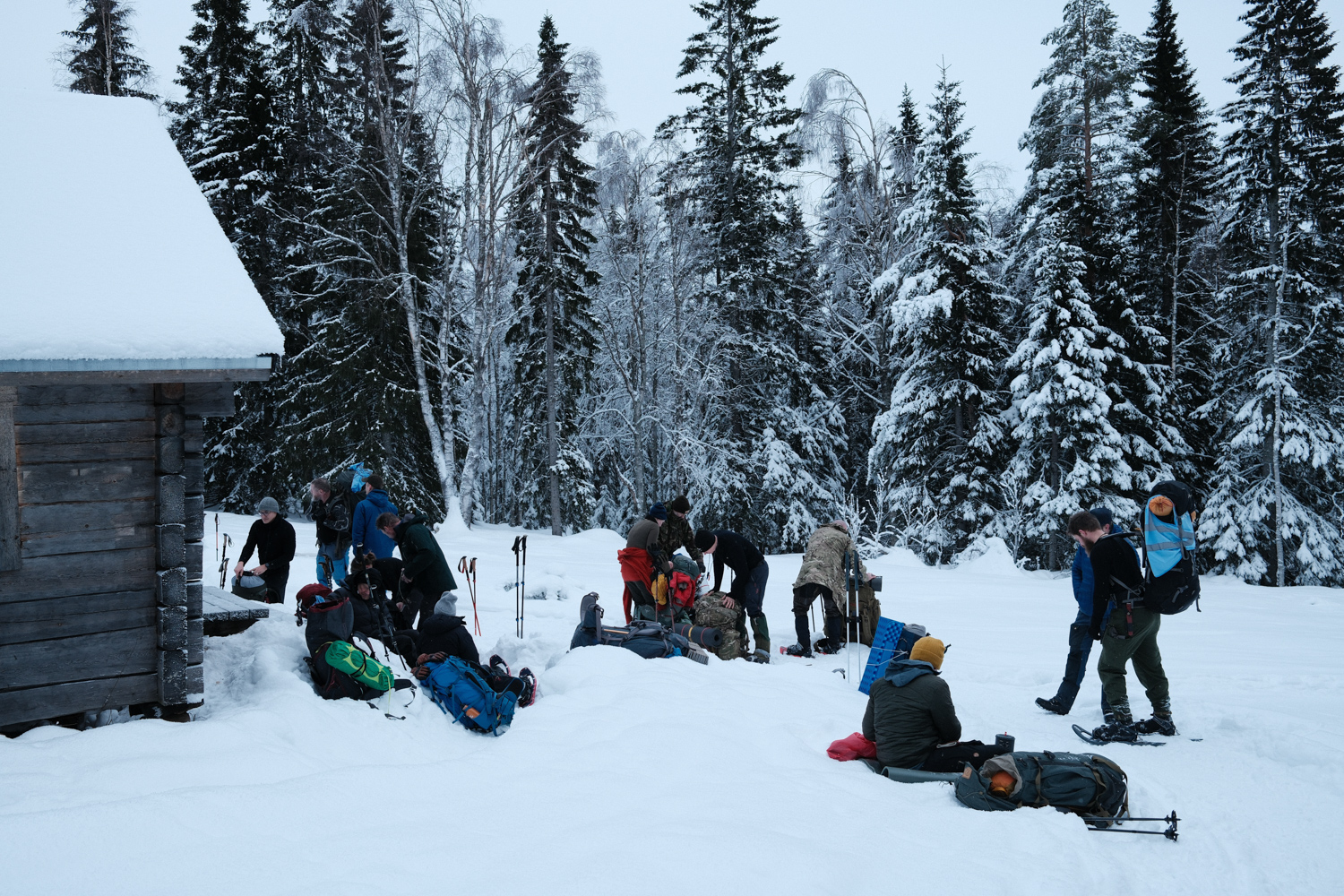
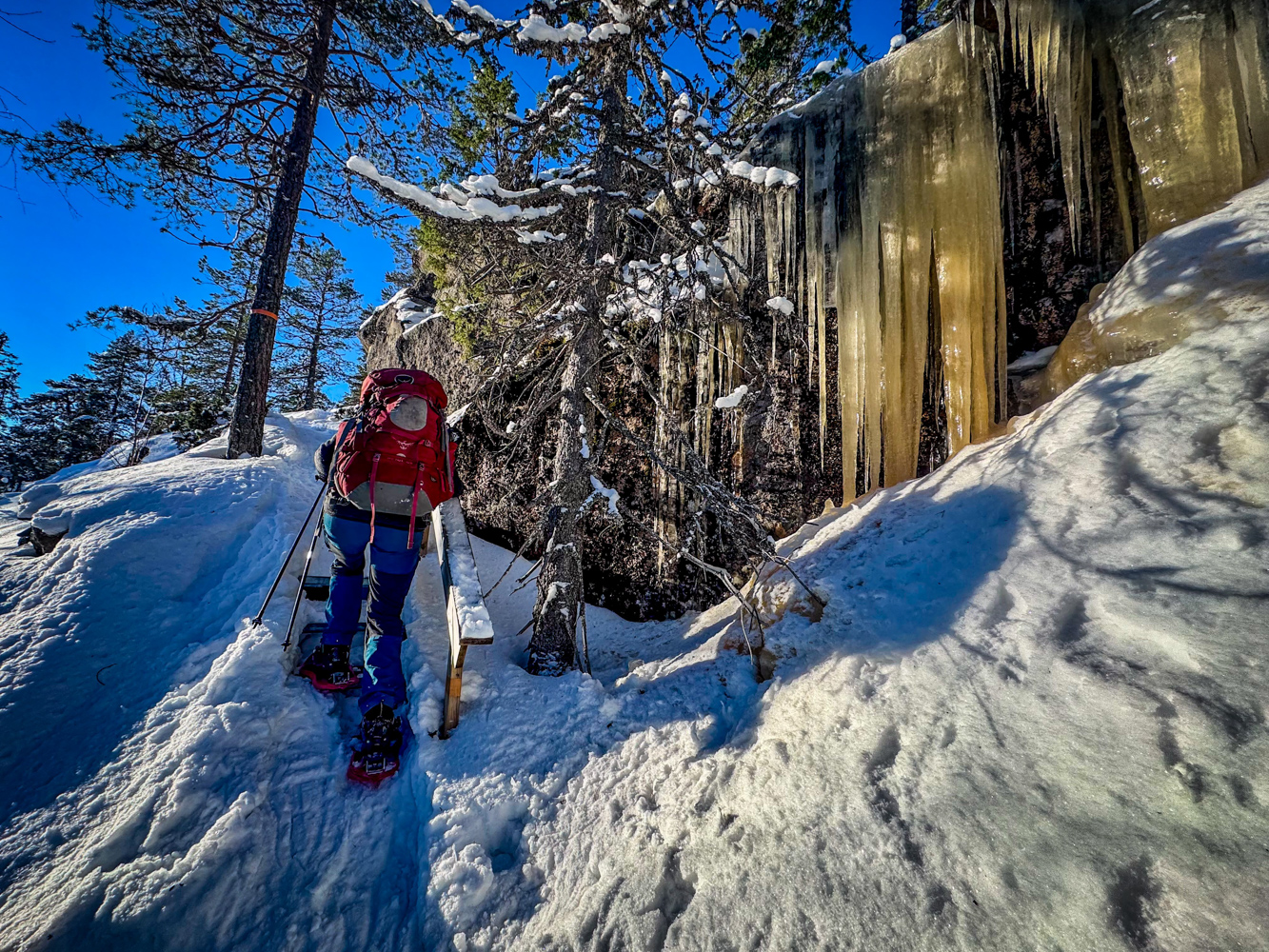
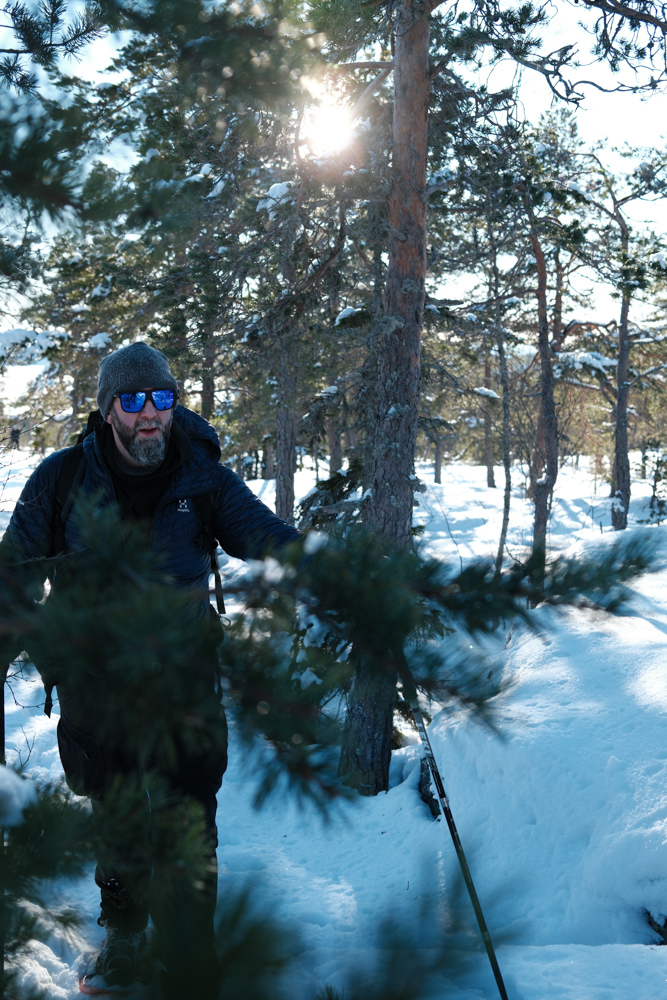
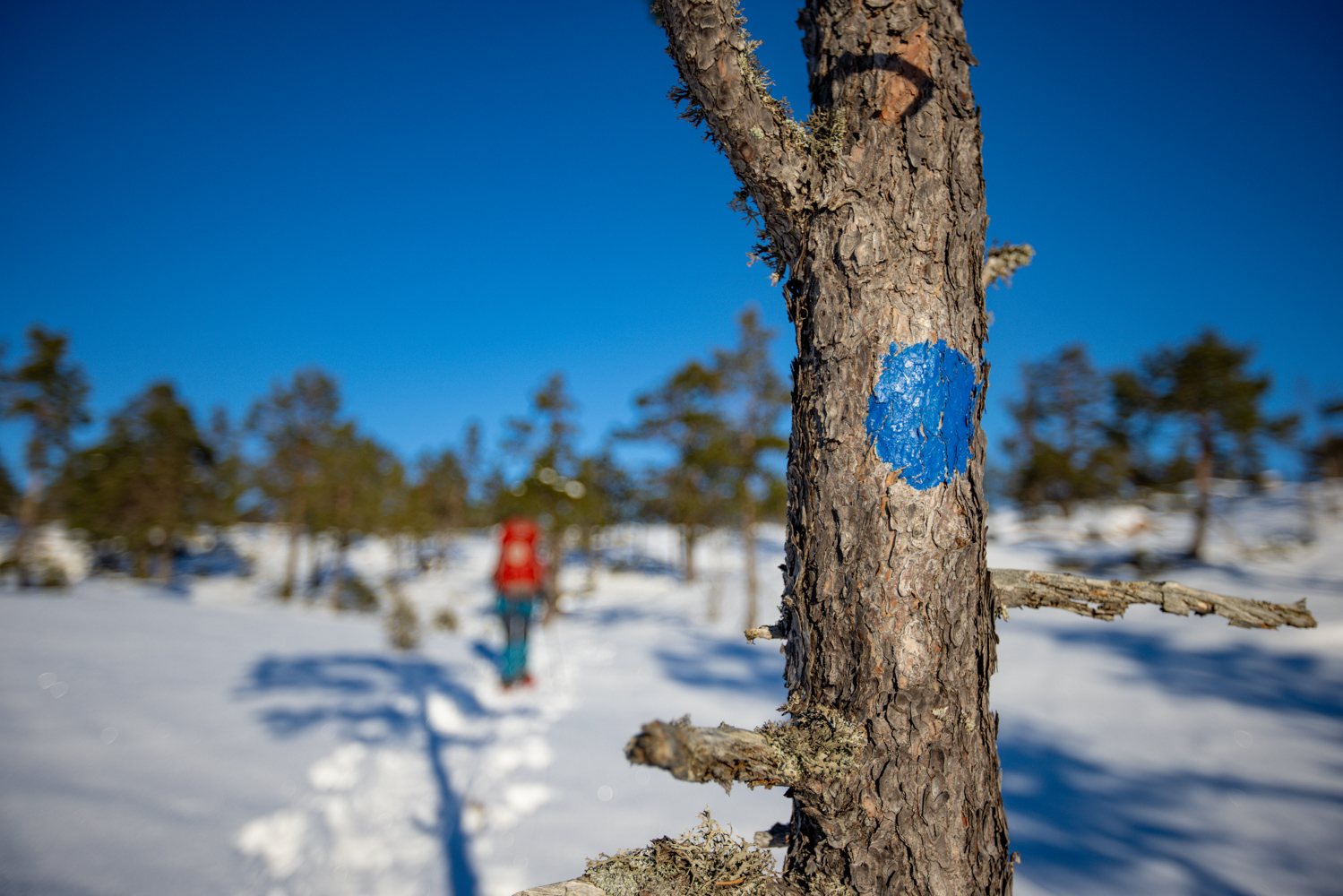
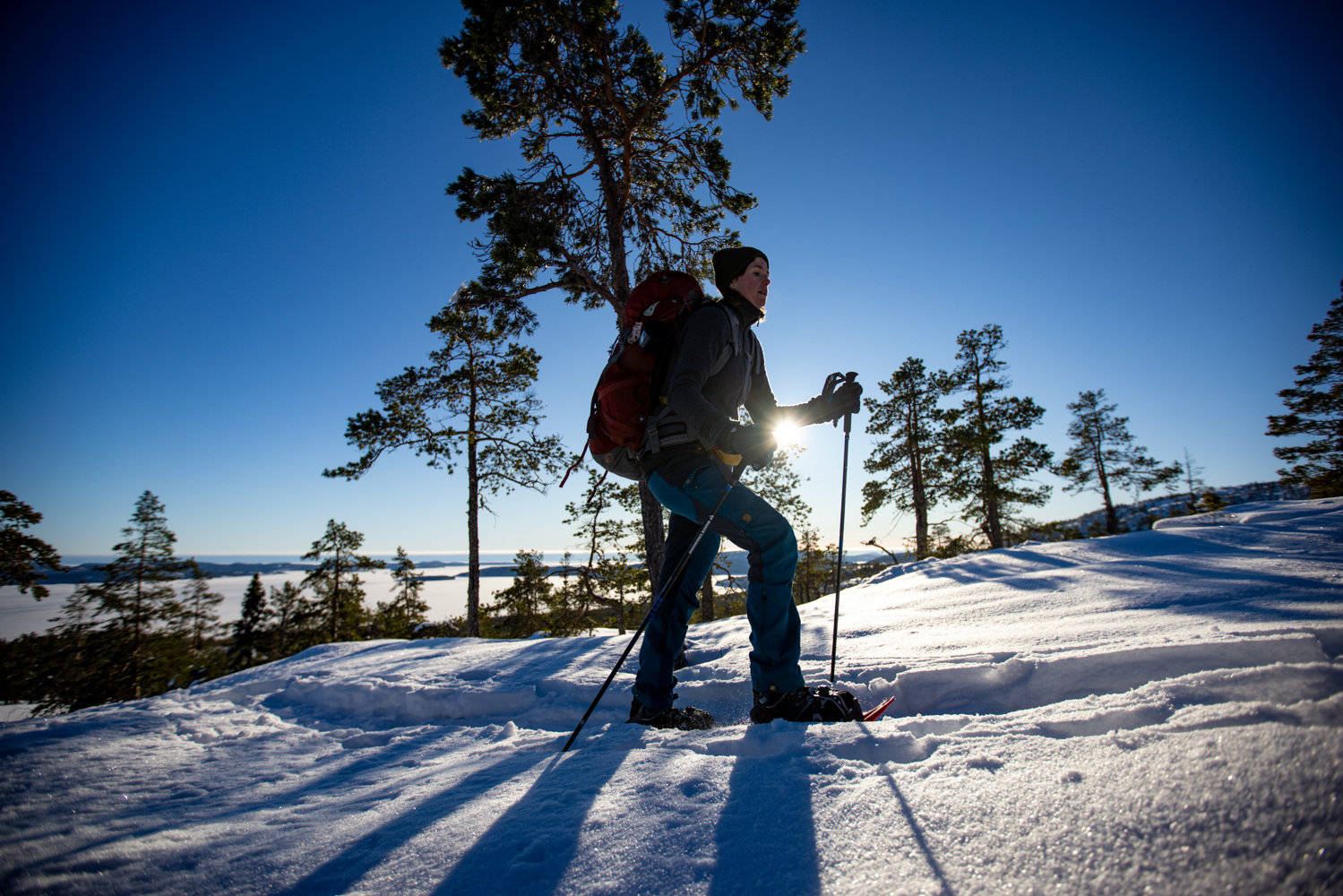
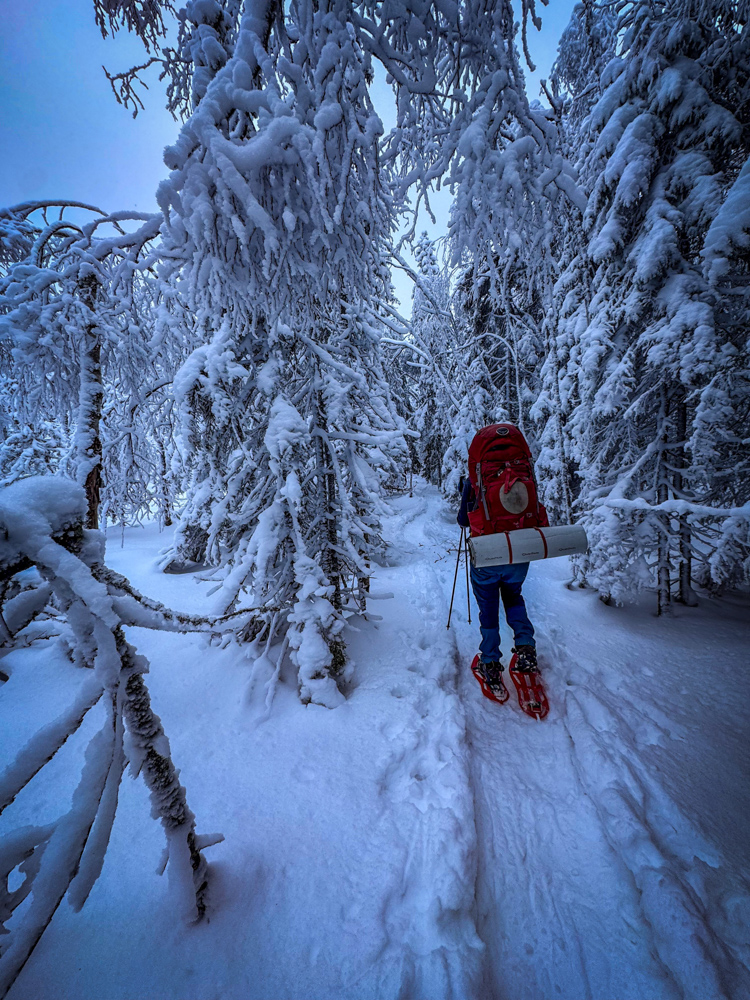
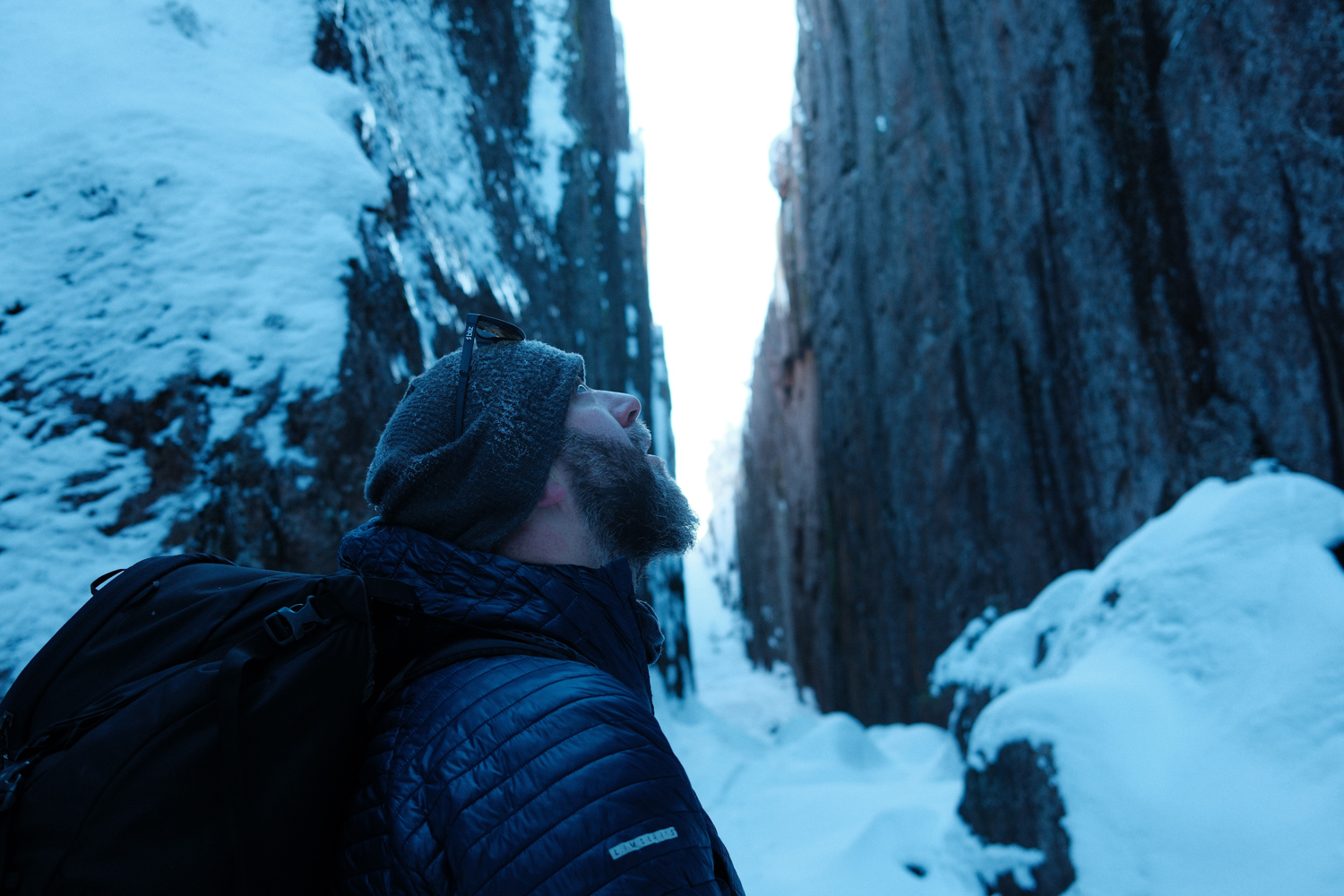
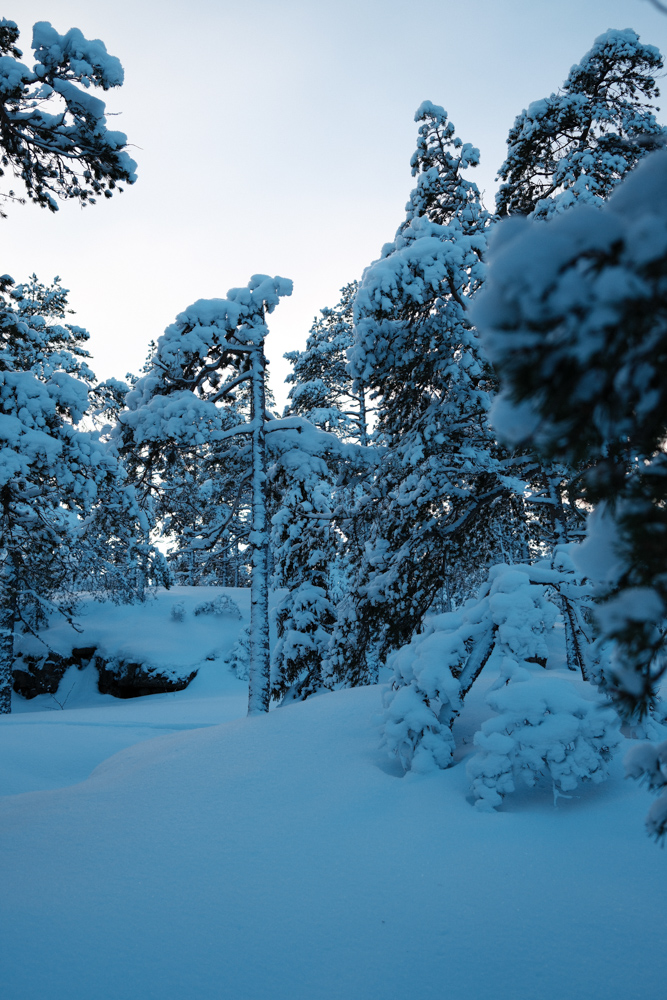
This year is different, however. At the briefing, Jerry Engstrom, the owner of FriluftsByn, tells us it’ll be one of the coldest Winter Hikes on record: highs of -17 and lows of -30. The room buzzes with a sense of “what have we signed up for?” as Jerry runs through the safety tips with extra detail. The next morning we shoulder our backpacks, faff with our snowshoes one last time and set off from the West Entrance of the Skuleskogen National Park.
We’re told to “be bold, start cold” which feels wrong in these temperatures. But sweat is dangerous here. Damp layers lead to chills and hypothermia, and nothing is going to dry in these conditions. Over the next three days, temperature management will become constant: unzip, vent, layer up, drink, eat, repeat.