Outdoors Gear, Equipment, News, Reviews, Forums, Walking Routes and More at OutdoorsMagic.com

Walking Boots

The Yorkshire Bootmakers Keeping Tradition Alive

From factory to fell. Richmond based brand Altberg have earned themselves a global reputation for the quality of their boots – we went behind the scenes to discover the secrets behind their success.

It’s a lively scene here in the Altberg factory. The cutting, sanding and polishing machines are whirring, the air is thick with the smell of various glues, every available surface is stacked with boots at different stages of repair or manufacture, and the shop floor is busy with customers.

I watch one of the workers who, midway through buffing a shoe, drops what he’s doing and dashes into the shop, summoned to help with a specific customer request. Following him through, I overhear a conversation between a young woman and one of the boot fitters: “Police? New recruit? OK, let’s get you sorted.”

See behind the scenes at Altberg…

I’m on a tour of the Richmond factory, being shown through their processes, and despite the madness, the whole thing is fascinating. This, I think to myself, is the proper way of doing things.

Altberg’s History

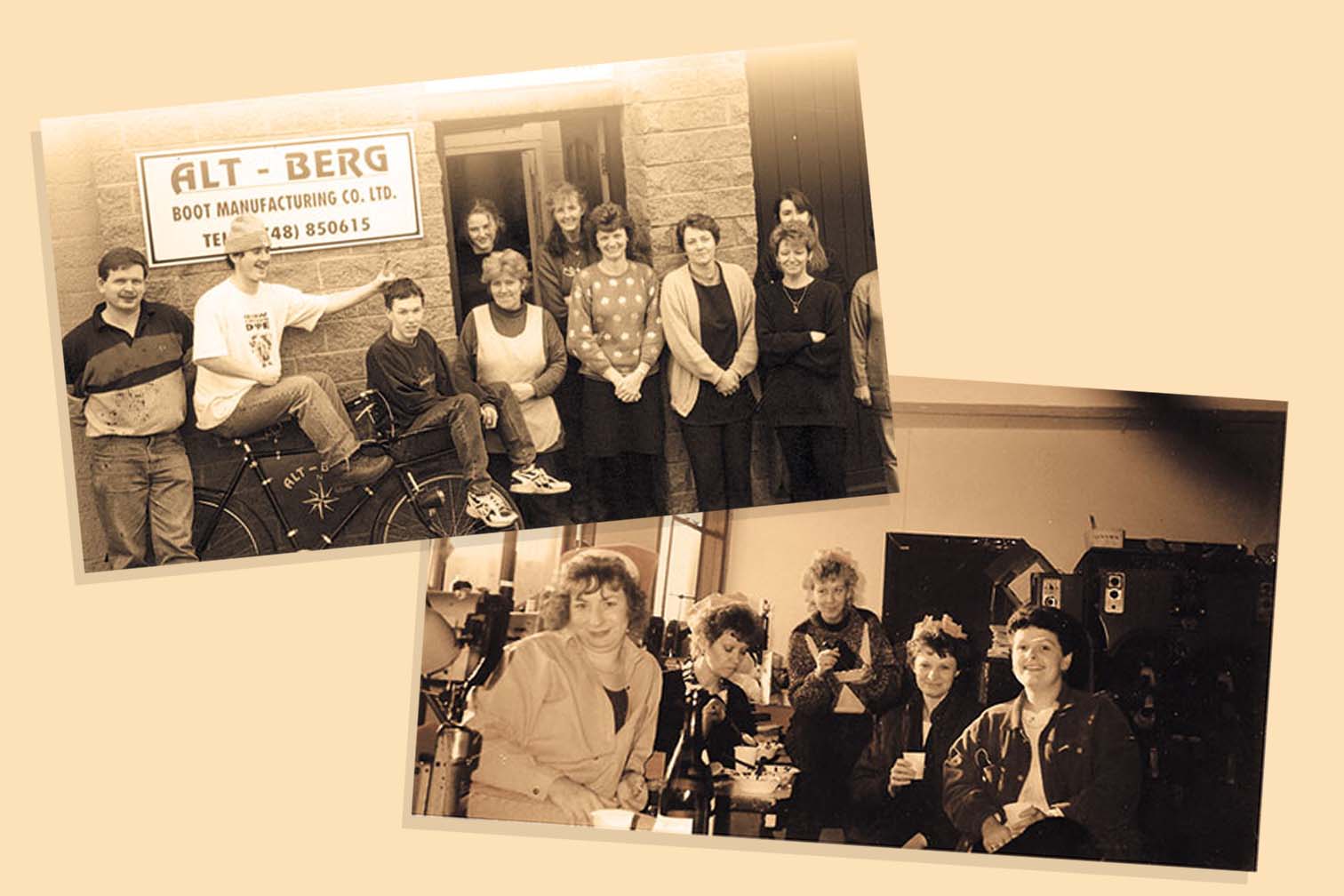
My tour guide is Joe Sheehan, Altberg’s Managing Director. He’s the son of founder Mike Sheehan, who set up the company in 1989. Mike was a former worker at the Old Richmond Shoe Factory, once one of the town’s main employers. When the factory closed, he took a bold leap of faith and founded Altberg, bringing a number of staff members with him – some of whom remain with the company to this day. It was a time of recession, and outdoor bootmaking in the UK had all but disappeared. Unsurprisingly, the first few years were a struggle, but then came the breakthrough: a large contract for their Peacekeeper police boots, taking production up exponentially. Today, Altberg remains a major supplier to the police and the armed forces.
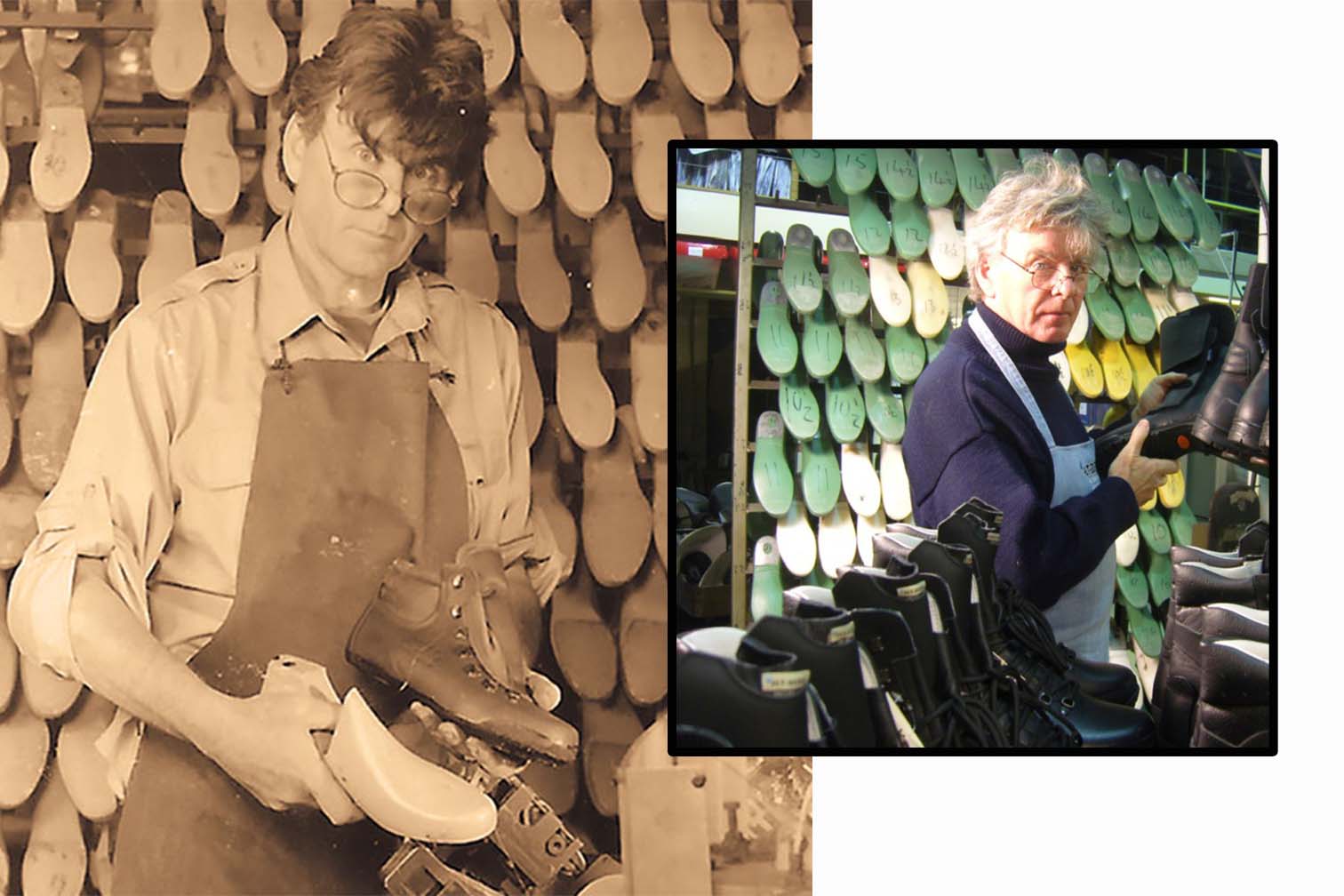
Mike Sheehan, Altberg’s founder, who is still very much involved to this day.

Joe Sheehan had originally planned a different path, working in a bank before spending a year in Canada in a specialist outdoor store. “We always talked about boots growing up,” Joe tells me. “Even as a kid, I’d be in the workshop sweeping the floors. Dad always told me to work somewhere else first, so I did – but when someone dropped out 16 years ago, I stepped in, and I’ve been here ever since.”

Sheehan senior is still very much involved. “Dad stepped back from the day-to-day pre-COVID,” Joe explains, “but he still works on new designs and updates, and often comes into the factory. He loves being hands-on – he’s definitely not lost any enthusiasm.”
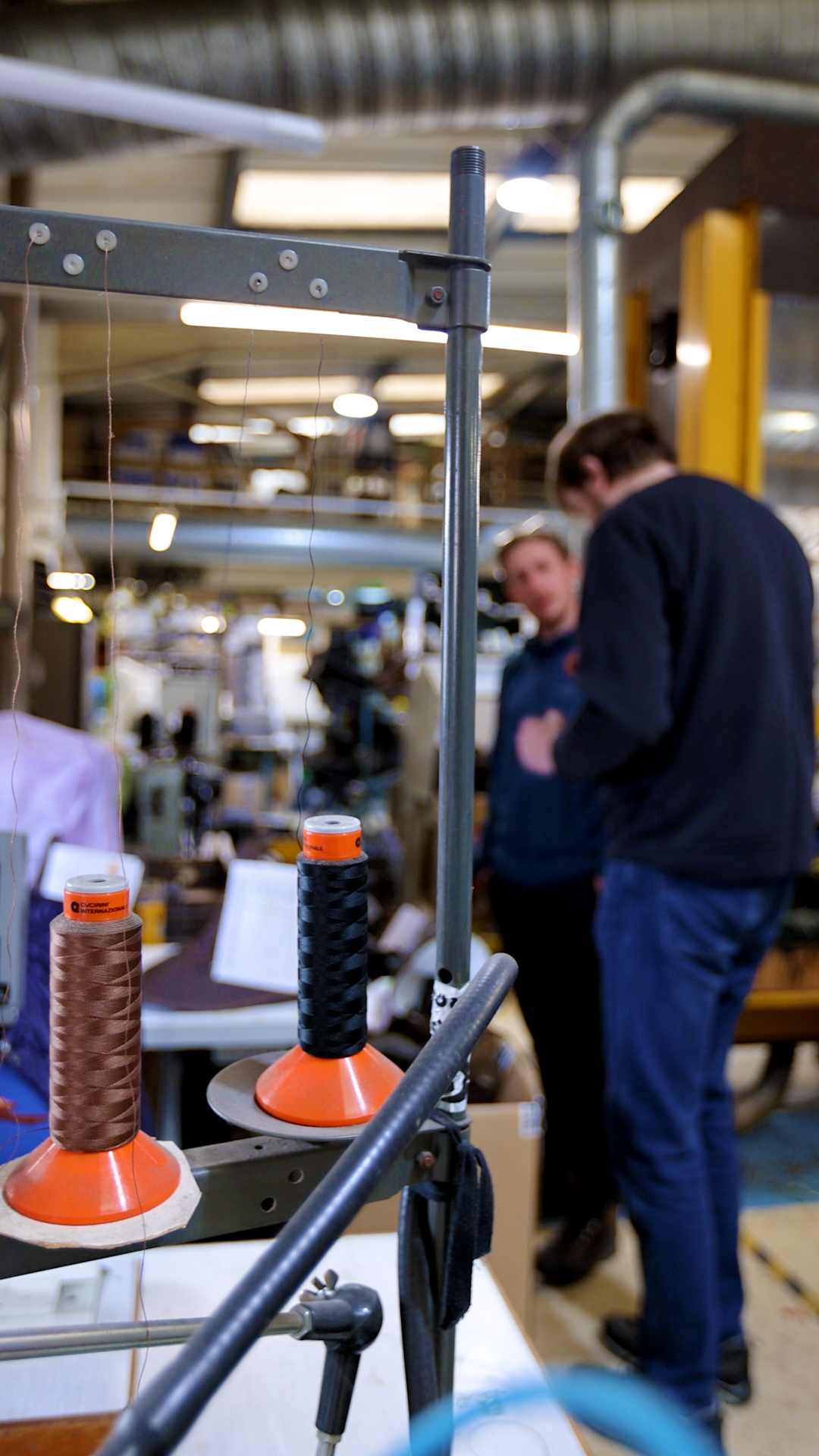
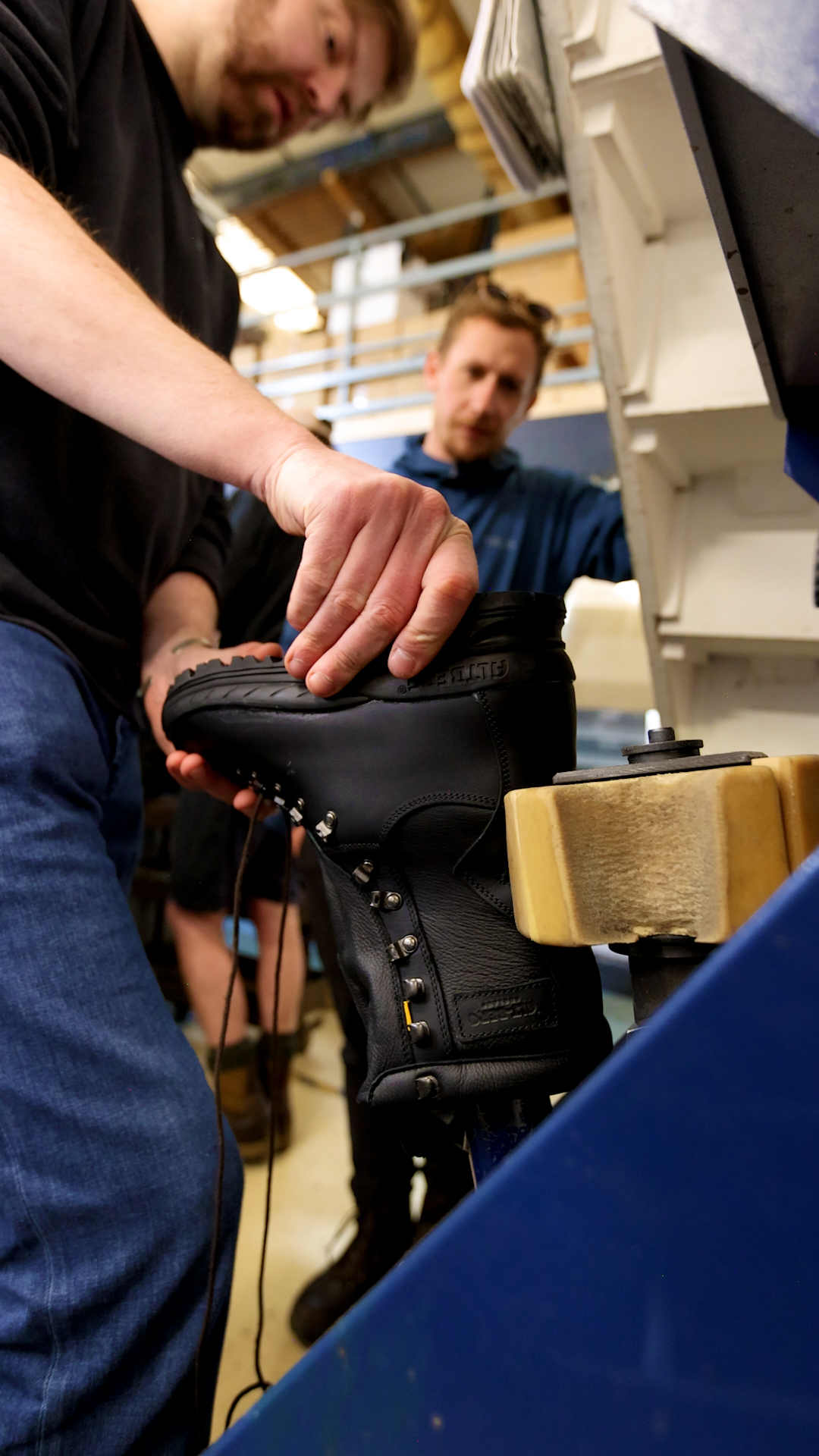
OM editor Will being shown around the factory by Joe Sheehan. Photos: Dave MacFarlane.

Boot Making – and Repairing

While much of the production happens in their Italian factory – where Mike spent one week of every month for 20 years, a responsibility now passed to Joe – the Richmond workshop still produces roughly 50 pairs a week, maintaining hands-on expertise that ensures quality at every step. The company also was the first to introduce one of the first 3D scanners in a UK boot shop, allowing customers to find their perfect fit – down to half sizes – across 30 to 40 different last shapes. Altberg now offers boots for almost any footshape: narrow, wide, extra wide – and more. Even people with asymmetrical feet are catered for. 

The company has been in Richmond since 1989 – and some of the current employees have been there from the beginning.

Walking into the shop, it’s immediately clear that boot fitting is not an afterthought. Customers travel from miles around – often after less satisfactory visits to larger retailers – to be measured, assessed, and fitted by people who truly understand the boots they’re selling. If someone needs extra width around the toe or additional heel padding, these adjustments can be made just a few feet away.

Then there’s the repair side. At the Richmond workshop, around 50 pairs a week come back through the doors for a second life. Some need full resoles – worn tread stripped away and replaced – while others are fitted with new rubber toe bumpers or rands, re-stitched, cleaned, and fully rewaxed to restore protection and flexibility.

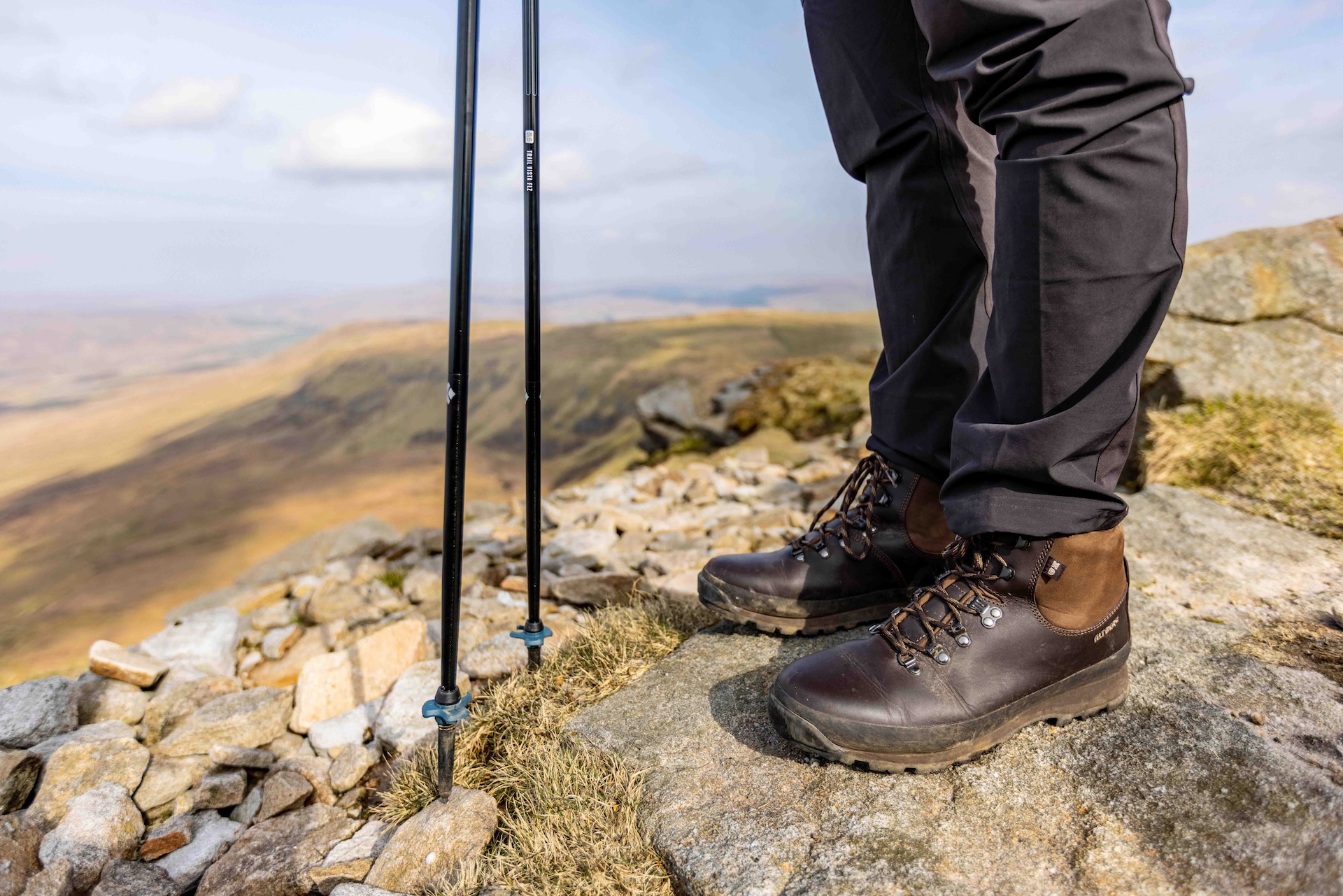
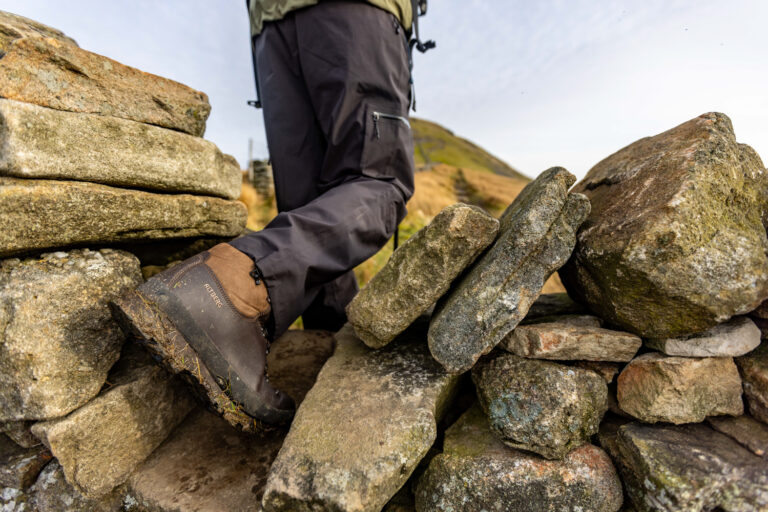
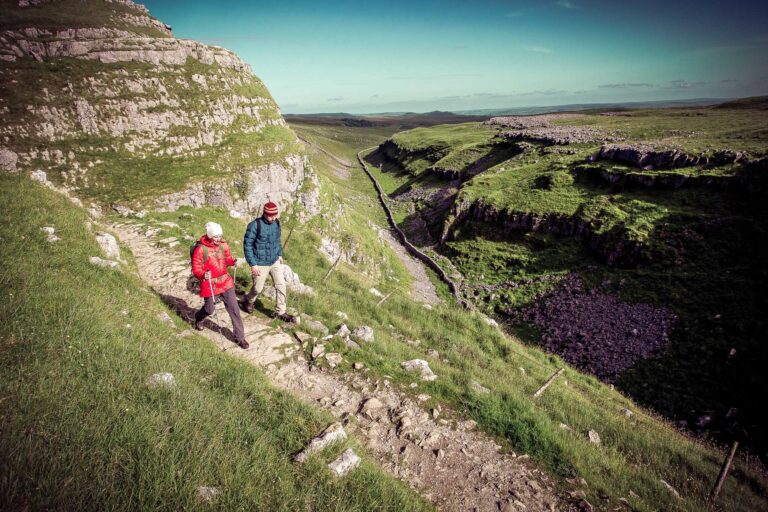
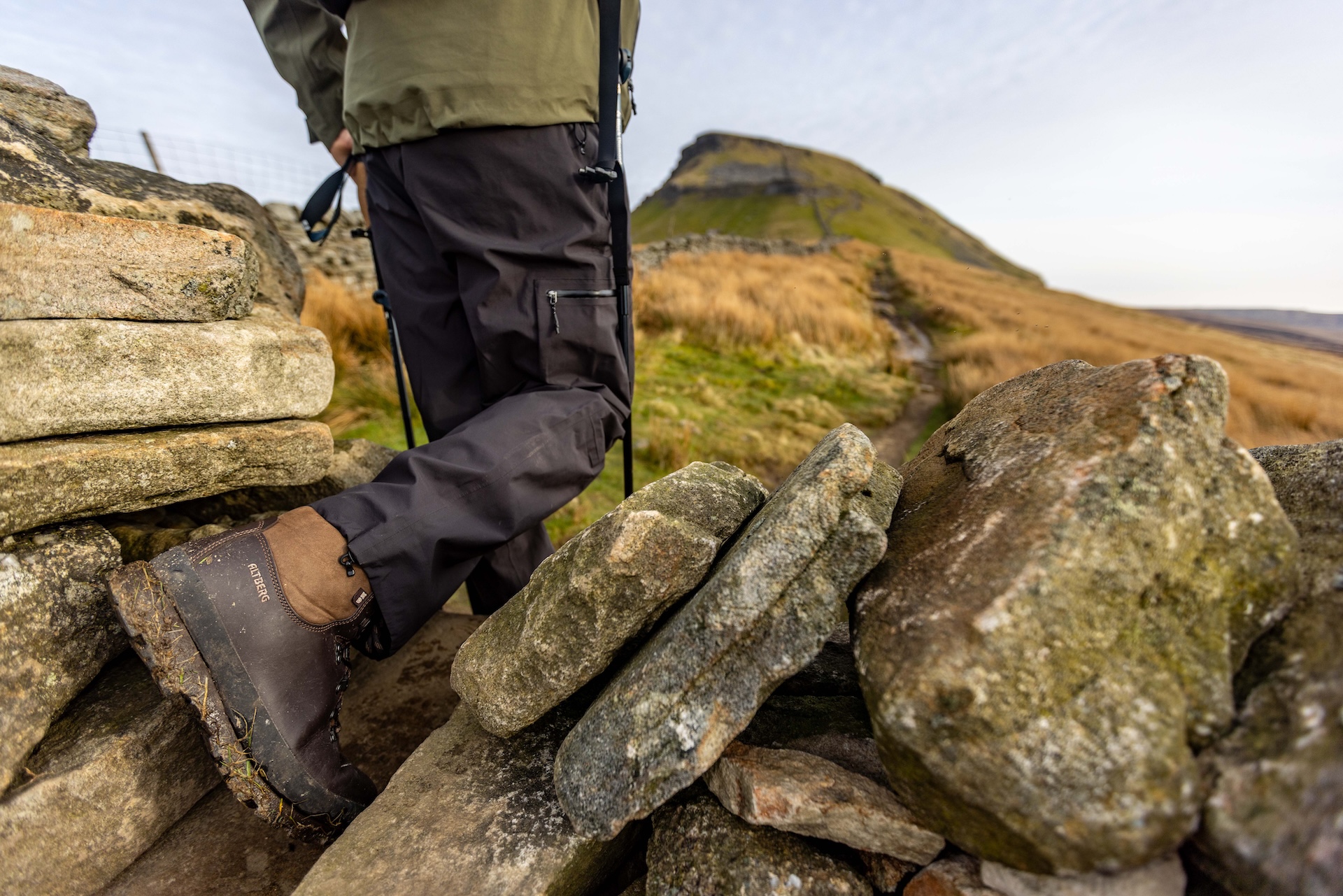
Our team testing the Altberg Fremington in the Yorkshire Dales, where the boot is right at home. Photo: Dave MacFarlane.

The process is hands-on: soles are ground off, edges prepped, adhesives applied, and new components pressed and finished before being sanded and polished. What returns to the customer isn’t just repaired, but renewed.

It reflects Altberg’s core ethos: boots are built to last, and then to be kept going. In today’s throwaway culture, it’s refreshing to see. As I walk through the workshop, I find myself peering inside the boots stacked around the place, checking the year of manufacture stamped on the tongue. Some pairs here stretch back over ten years.

Altberg clearly has something that sets it apart – designing boots to last while supporting its local community. It’s a continuous loop of making, wearing, repairing, and improving, and it’s what’s built them a hugely loyal following. 

They’re not resting on their laurels either. 

“There’s something Dad always says,” Joe explains. “You’re only as good as the last pair of boots you make.”

Where to Buy

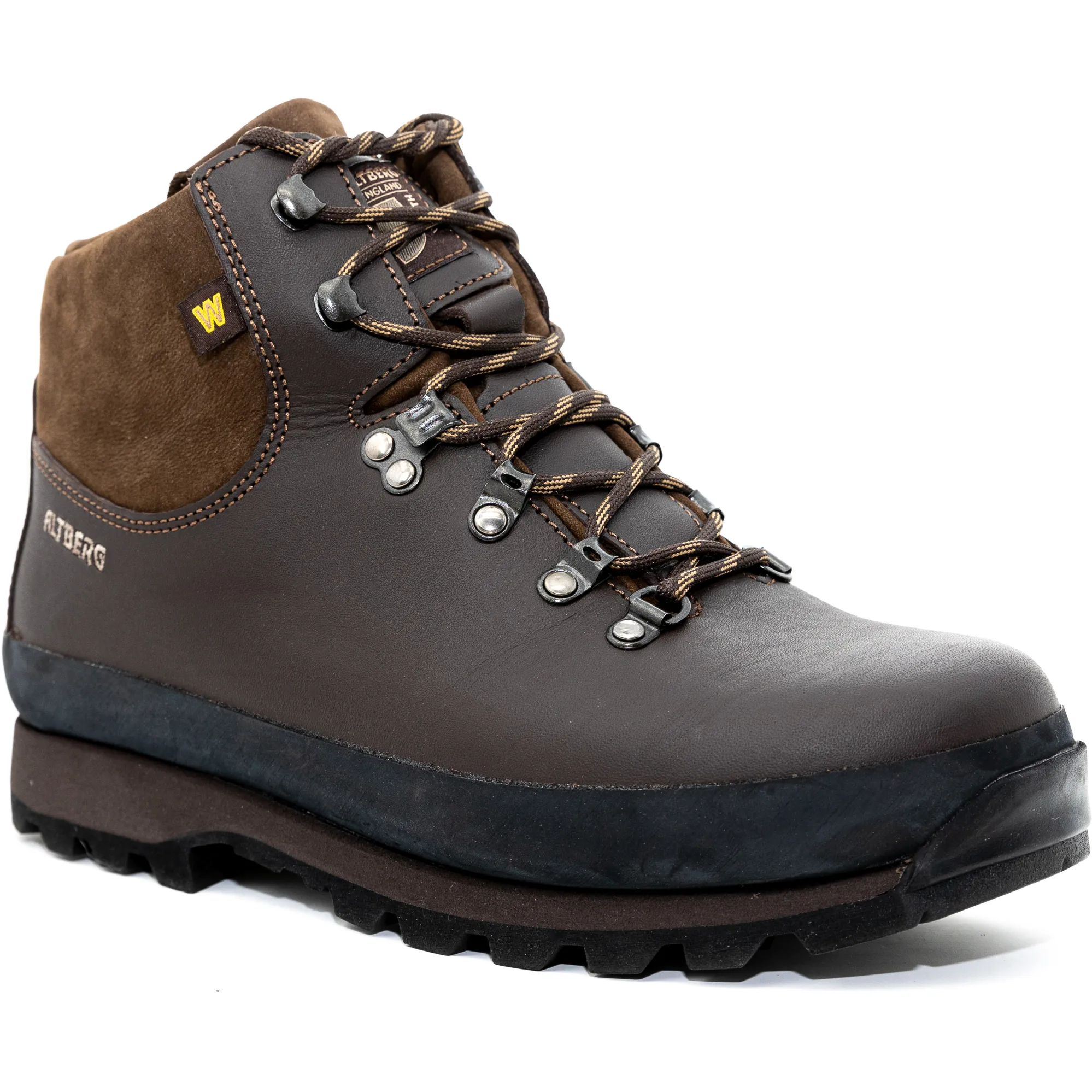
Altberg Fremington

Our tester’s verdict: “These offer a nice blend of sturdiness and walking comfort. They’re clearly built to last too. Having seen what goes into them, I feel I can really trust in their quality. A proper boot for proper British hills.”

Sponsored post
production